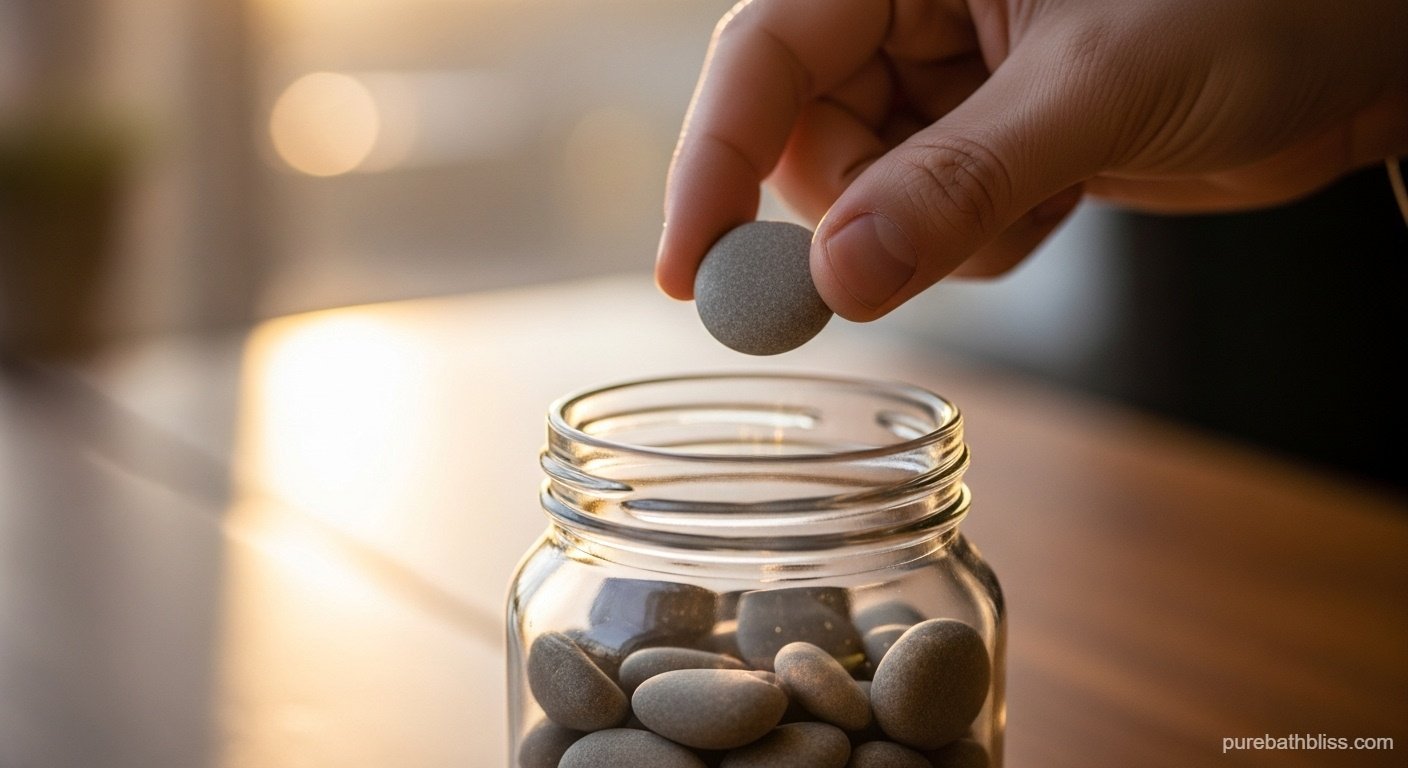
The bathroom, often a personal sanctuary, is paradoxically one of the biggest contributors to household waste. From plastic shampoo bottles to disposable razors and endless cotton swabs, our daily routines generate an astonishing volume of non-biodegradable refuse. The statistics are stark: millions of tons of plastic enter our oceans annually, much of it from single-use personal care items. Yet, reimagining this intimate space as a haven of sustainability isn't just an ecological imperative; it's an aesthetic and mindful transformation. Embracing a zero-waste bathroom is a journey, not an overnight switch, inviting us to critically assess our consumption patterns and embrace innovative, planet-friendly alternatives. This comprehensive guide will illuminate seven practical, impactful steps to help you navigate this transition, creating a space that feels good, looks clean, and truly respects our planet.
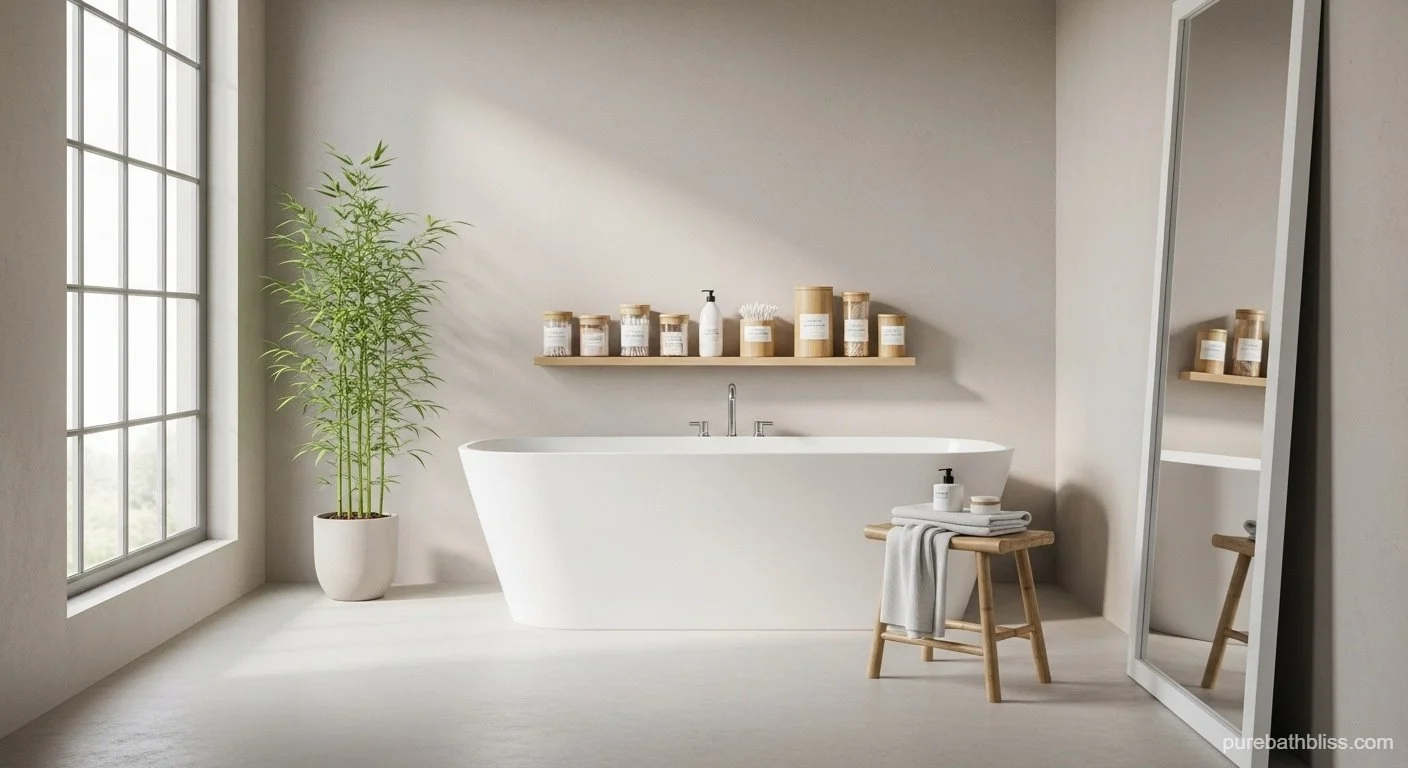
1. Conduct a "Plastic Audit" and Thoughtfully Declutter
Before embarking on any sustainable swaps, the first crucial step is a forensic examination of your current bathroom contents. This isn't just tidying; it's an investigative "plastic audit." Open every cabinet, peer into every drawer, and survey every product on your shelves. What do you see? Typically, the landscape is dominated by plastic: bottles of shampoo, conditioner, body wash, liquid hand soap, tubes of toothpaste, plastic toothbrushes, disposable razors, plastic-wrapped cotton balls, and myriad cosmetic containers. Each item represents a lineage of petroleum extraction and a future of environmental burden.
Journalistic Lens: The sheer volume can be overwhelming, a silent testament to decades of convenience culture. But acknowledge it, don't judge it.
Separate these items into three categories:
Keep and Use Up: Products that are nearly full or essential for your immediate needs. The most sustainable item is often the one you already own. Commit to finishing these before replacing them with zero-waste alternatives. This minimizes immediate waste and allows time for research.
Recycle (Responsibly): Empty plastic bottles and containers that are genuinely recyclable in your local municipal program. Crucially, check the recycling symbols (numbers 1-7) and ensure items are clean and dry. Technical note: Not all plastics are created equal; many items like thin plastic films or multi-material packaging are often non-recyclable.
Discard (Mindfully): Expired items, products you no longer use, or those with unidentifiable ingredients. For medications, check local drug take-back programs rather than flushing them. For cosmetics, some brands offer take-back programs.
This initial decluttering creates a clean slate, both physically and mentally, setting the stage for intentional, sustainable choices. It's a descriptive act of revealing the hidden plastic footprint of your daily rituals.
2. Revolutionize Hair & Body Care: Embrace Solid Bars
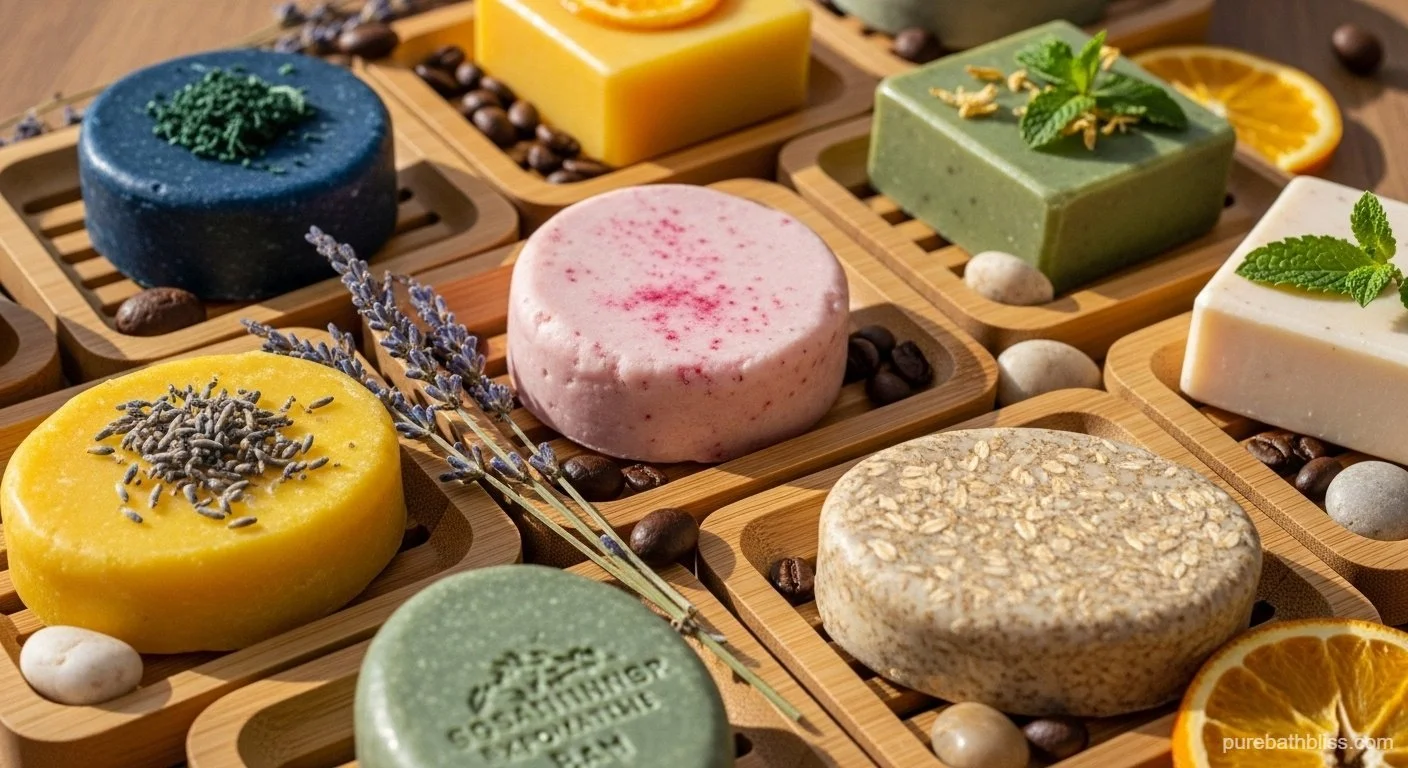
Perhaps the most impactful and visible shift in a zero-waste bathroom is the transition from liquid products in plastic bottles to solid bars. This creative re-evaluation of basic hygiene offers immediate environmental dividends.
Shampoo and Conditioner Bars: The Game Changer
Traditional liquid shampoos and conditioners are typically 70-80% water. This means you're largely paying for and transporting water, encased in plastic that often ends up in landfills or oceans. Enter the shampoo bar and conditioner bar: concentrated pucks of goodness.
Technical Advantage: These bars often contain highly concentrated surfactants and conditioning agents, meaning a single bar can last as long as 2-3 standard liquid bottles, significantly reducing packaging waste. They are typically formulated with nourishing oils and essential extracts, often palm-oil free and vegan.
Descriptive Experience: The transition is remarkably smooth. Wet your hair, rub the bar directly onto your scalp a few times, and lather. The foam is usually rich and luxurious. Conditioner bars provide a creamy slip, leaving hair soft and manageable.
Journalistic Insight: Look for bars packaged in cardboard, paper, or even naked. Ingredients lists are usually shorter and more transparent. Many independent artisans and larger eco-brands now offer a wide variety, catering to different hair types, from oily to dry, fine to coarse.
Body and Hand Soap Bars: The Timeless Classic
This is arguably the easiest swap. Returning to the timeless bar soap for body washing and hand hygiene eliminates countless plastic pump bottles.
Creative Appeal: Consider artisanal soaps, often infused with natural botanicals, essential oils, and clays. These aren't just cleansing agents; they're small works of art that elevate the bathroom experience with their fragrances and textures.
Technical Details: Look for bars made with natural, biodegradable ingredients. Avoid those containing synthetic dyes, fragrances, or microbeads (which are microplastics).
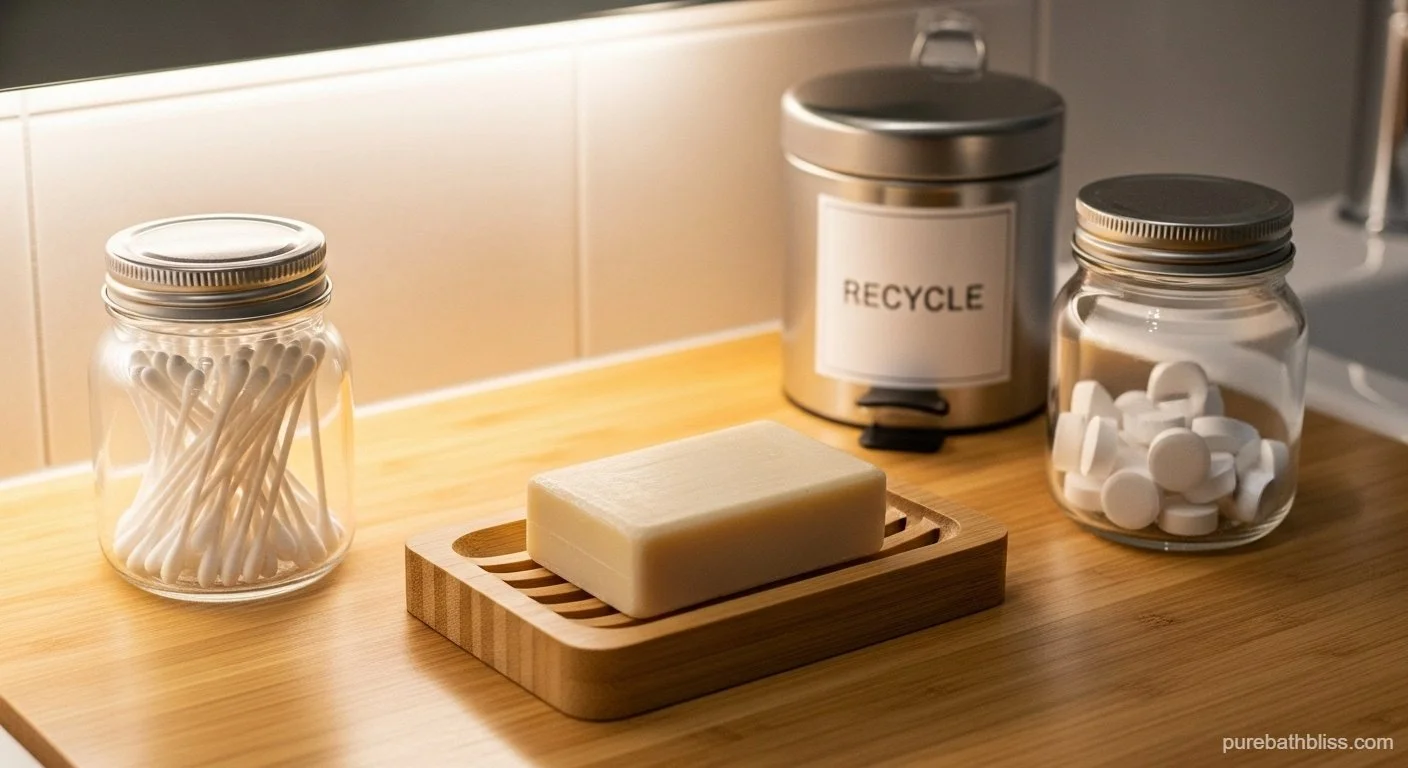
Practicality: Store them on a well-draining soap dish (bamboo, ceramic, or stainless steel are excellent choices) to prolong their life.
This step alone can drastically reduce your bathroom's plastic output, fostering a cleaner, more aesthetically pleasing, and genuinely sustainable personal care routine.
3. Empower Your Smile and Shave with Reusables
Moving beyond hair and body care, dental hygiene and shaving present significant opportunities for waste reduction through the adoption of durable, reusable alternatives.
Sustainable Oral Care: Beyond the Plastic Brush
The humble toothbrush, a daily essential, is a prime example of pervasive plastic waste. Billions are discarded globally each year, each taking hundreds of years to decompose.
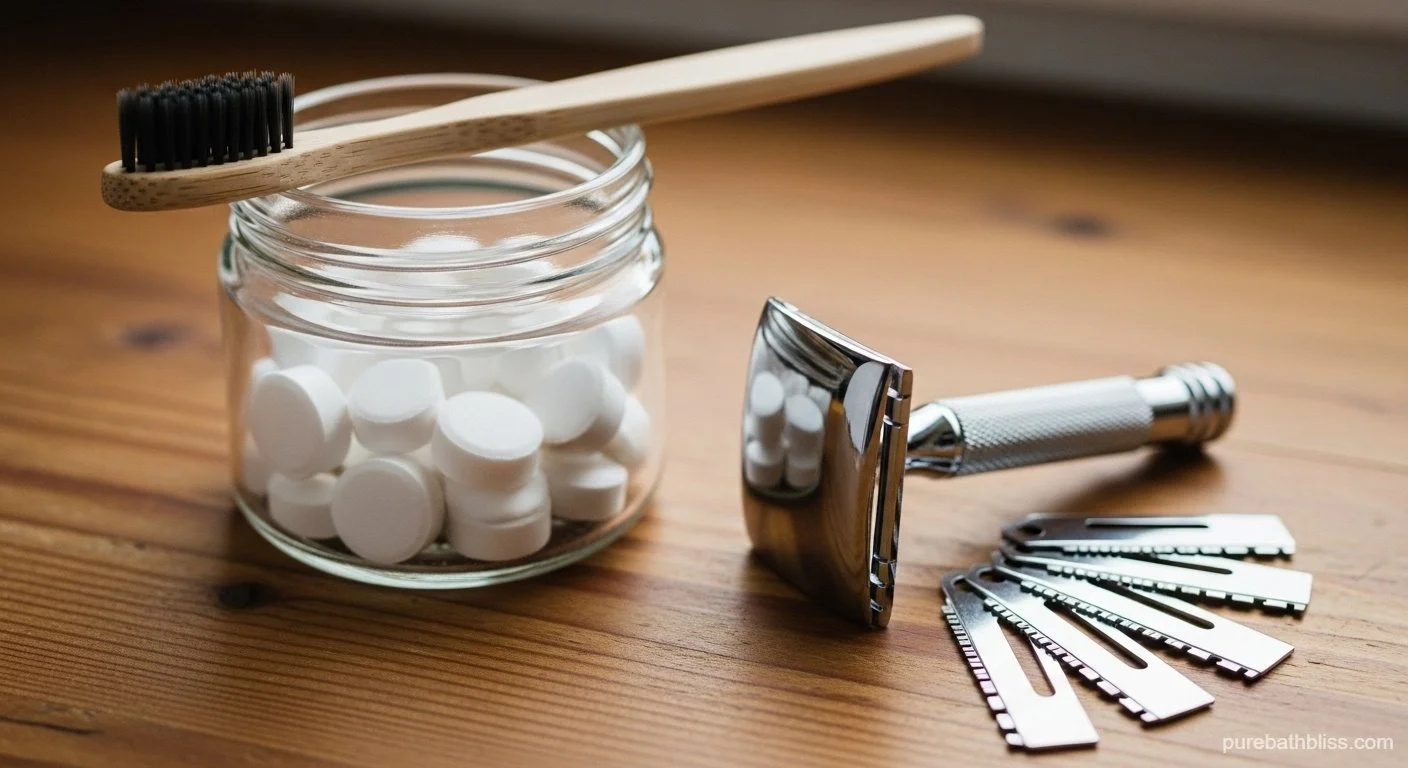
Technical Solution: Switch to bamboo toothbrushes. Bamboo is a fast-growing, renewable resource that is naturally antimicrobial and biodegradable (the handle, at least). While bristles are often still nylon, many brands are developing plant-based alternatives or offer recycling programs for the bristles. When it's time to replace, simply remove the bristles (with pliers) and compost the bamboo handle.
Descriptive Alternative: For toothpaste, opt for toothpaste tablets or toothpaste in glass jars. Tablets come in compostable packaging or refillable containers; you simply chew one and brush. This eliminates the ubiquitous plastic tube, a notoriously difficult item to recycle.
Creative Enhancement: Consider silk floss in a refillable glass dispenser, a biodegradable alternative to petroleum-based nylon floss. Mouthwash can also be found in tablet form or as concentrated liquid in glass bottles.
The Art of the Safety Razor: A Timeless Comeback
Disposable razors, with their multi-blade cartridges encased in plastic, are an environmental disaster. Each blade change contributes more non-recyclable plastic to the waste stream. The elegant solution lies in a return to classic grooming: the safety razor.
Technical Mechanics: A safety razor uses a single, sharp, double-edged stainless steel blade. The razor itself is typically made of durable metal (stainless steel, brass, chrome-plated), designed to last a lifetime.
Journalistic Persuasion: While the initial investment might be slightly higher, the cost of replacement blades is significantly lower than cartridge refills. A single pack of 100 blades can last for years for a fraction of the cost.
Descriptive Experience: Shaving with a safety razor requires a slightly different technique – less pressure, a shallower angle – but it provides a remarkably close, smooth shave, often with less irritation. The ritual itself becomes a mindful practice.
Waste Management: The used stainless steel blades are 100% recyclable. Collect them in a dedicated container (a small metal tin works well), and once full, tape it shut and recycle with other metal items or through specific recycling programs for sharps.
These sustainable swaps not only reduce waste but often provide a superior product and a more mindful self-care experience.
4. Rethink Personal Care: Feminine Hygiene and Toilet Paper
Beyond the immediate visible plastics, a truly zero-waste bathroom addresses often-overlooked yet substantial waste streams: feminine hygiene products and toilet paper. These areas offer profound opportunities for environmental impact.
Sustainable Feminine Hygiene: Liberating Choices
Conventional menstrual products, like disposable pads and tampons, are often laden with plastic, synthetic fibers, and chemicals. Annually, billions of these items contribute to landfill waste and plastic pollution.
Technical Alternatives:
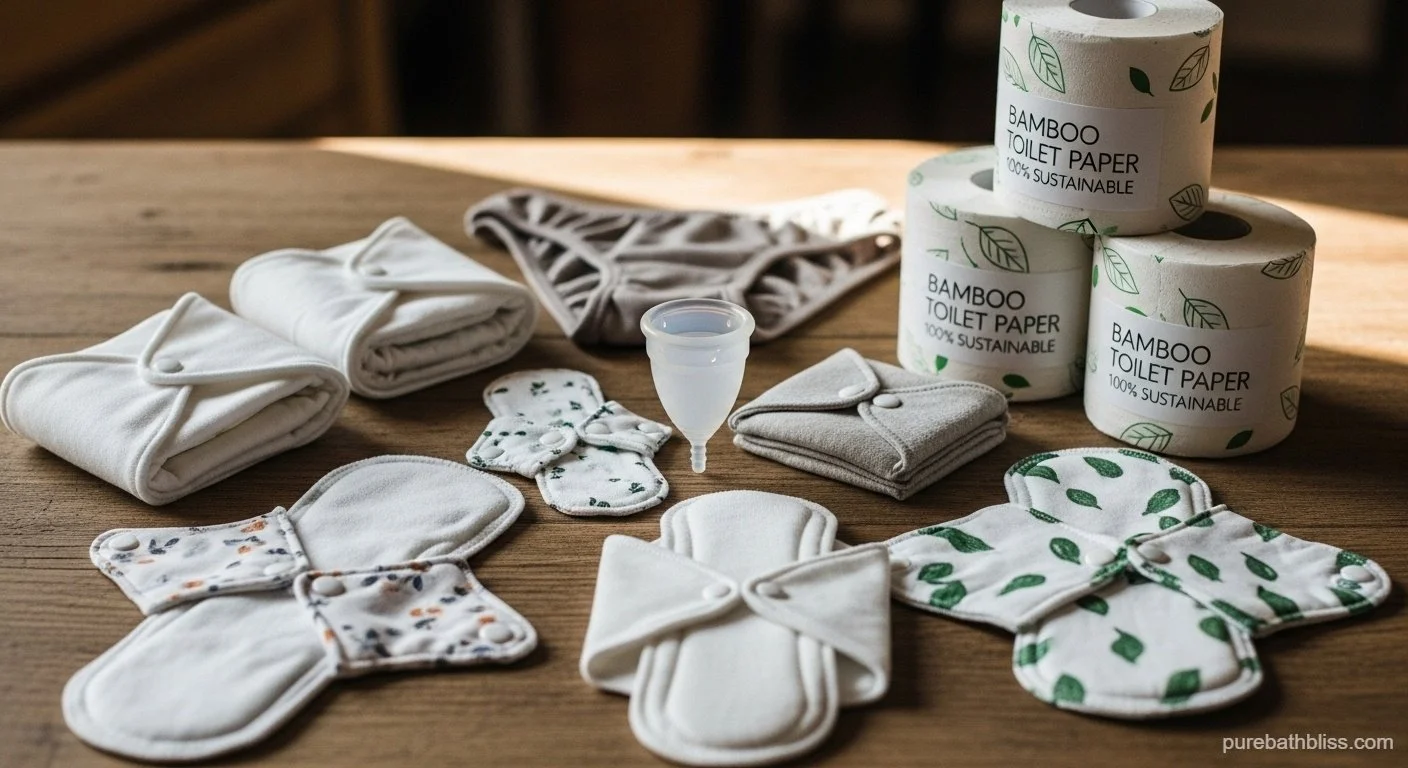
Menstrual Cups: Made from medical-grade silicone, a menstrual cup is reusable for up to 10 years. It collects rather than absorbs menstrual fluid, offering a comfortable, leak-proof, and incredibly sustainable solution.
Reusable Cloth Pads: These are washable, absorbent pads made from organic cotton or bamboo, featuring a waterproof layer. They attach to underwear with snaps and can last for years with proper care.
Period Underwear: Engineered with absorbent layers, period underwear offers discreet protection and can replace or supplement other menstrual products. They are washable and reusable.
Descriptive Freedom: The switch to reusables can be transformative, not just environmentally but personally. It fosters a deeper connection to one's body and reduces the ongoing financial burden of disposable products. Many users report increased comfort and reduced odor.
Journalistic Urgency: The environmental benefits are undeniable. Imagine eliminating thousands of disposable products over a lifetime simply by embracing these innovative, long-lasting solutions.
The Toilet Paper Quandary: A Forest's Worth of Waste
Toilet paper, while biodegradable, contributes to deforestation, consumes vast amounts of water and energy in its production, and often comes wrapped in plastic.
Technical Considerations:
Recycled Toilet Paper: Opt for toilet paper made from 100% post-consumer recycled paper. This minimizes virgin timber harvesting and reduces landfill waste.
Bamboo Toilet Paper: Bamboo is a rapidly renewable resource, making it a more sustainable choice than virgin wood pulp.
Plastic-Free Packaging: Crucially, seek out brands that package their toilet paper in paper, cardboard, or deliver it "naked" in bulk. Many companies now offer subscription services that prioritize plastic-free delivery.
Creative Vision: Envision a future where toilet paper consumption is drastically reduced. The ultimate zero-waste solution is a bidet or bidet attachment.
Descriptive Cleanliness: A bidet offers a superior level of cleanliness, using water for a gentle and effective wash. It significantly reduces (or even eliminates) the need for toilet paper, saving trees and preventing countless rolls from ending up in septic systems or landfills.
Technical Ease: Bidet attachments are relatively inexpensive, easy to install on most existing toilets, and require no electricity in many models.
Addressing these often-overlooked categories signifies a deep commitment to truly minimizing your bathroom's ecological footprint, making impactful changes that resonate far beyond your personal space.
5. Embrace the DIY Spirit and Bulk Buying
Once you've replaced the primary culprits of plastic waste, the next frontier in achieving a zero-waste bathroom involves cultivating a "maker" mentality and leveraging the power of bulk purchasing. This step not only minimizes packaging but can also save money and allows for greater control over ingredients.
DIY Personal Care: Crafting Your Own Solutions
Many common bathroom products are surprisingly simple to make at home, eliminating packaging entirely and giving you full transparency on what you're putting on your body.
Creative Endeavors:
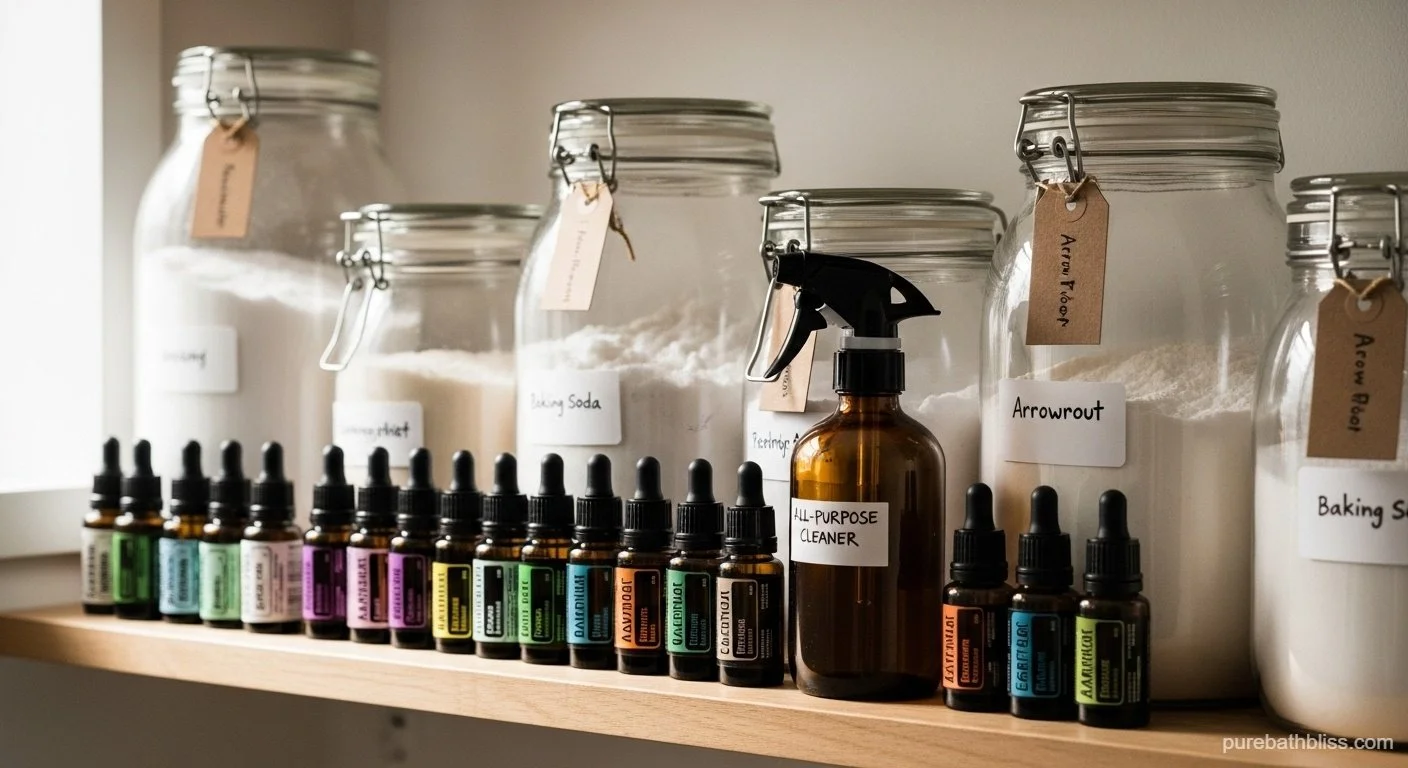
All-Purpose Cleaner: Mix white vinegar, water, and essential oils (like tea tree or lemon) in a reusable spray bottle. It's effective, non-toxic, and incredibly cheap.
Shaving Cream: A simple mixture of shea butter, coconut oil, and a carrier oil can create a luxurious, nourishing shaving balm.
Deodorant: Recipes often involve baking soda, cornstarch (or arrowroot powder), and coconut oil, possibly with essential oils for fragrance.
Body Scrubs: Epsom salts, sugar, or ground coffee mixed with a carrier oil make excellent exfoliants.
Technical Benefits: By making your own, you avoid hidden chemicals, synthetic fragrances, and preservatives often found in commercial products. You can customize scents and ingredients to suit your skin's needs.
Journalistic Practicality: There's a wealth of online resources, blogs, and even workshops dedicated to DIY personal care. Start with simple recipes and gradually expand your repertoire. The sense of accomplishment and knowing exactly what you're using is incredibly rewarding.
The Power of Bulk: Refill and Reuse
For items you can't or prefer not to make, buying in bulk is a powerful zero-waste strategy.
Technical Logistics: Seek out local zero-waste stores, co-ops, or even health food stores that offer bulk refills for liquid soaps, lotions, and sometimes even shampoo and conditioner. Bring your own clean, empty containers (glass jars, old shampoo bottles, stainless steel bottles) and fill them up.
Descriptive Economy: Imagine refilling a beautiful amber glass dispenser with your favorite lavender hand soap, rather than buying a new plastic pump bottle every few weeks. This practice not only saves plastic but often reduces the per-unit cost of the product.
Creative Procurement: If local bulk options are limited, consider purchasing larger format products that minimize packaging or come in recyclable materials like aluminum or glass. Some online retailers specialize in zero-waste goods and ship in plastic-free packaging.
Storage Savvy: For dry goods like cotton swabs (bamboo sticks, cotton tips) or Epsom salts, buy larger quantities and store them in airtight glass jars, which also adds to the aesthetic appeal of your minimalist bathroom.
Embracing DIY and bulk buying transforms you from a passive consumer into an active participant in your sustainable lifestyle, fostering resourcefulness and reducing your environmental footprint significantly.
6. Optimize Storage and Waste Stream Management
The transition to a zero-waste bathroom isn't just about what you buy, but also how you store and ultimately manage the waste that inevitably remains. This step is about optimizing the physical space and establishing efficient, sustainable waste streams.
Intelligent Storage Solutions: Function Meets Aesthetics
With a move towards solid bars, reusable items, and bulk purchases, your storage needs will evolve.
Descriptive Minimalism: Embrace materials that align with your zero-waste ethos:
Bamboo and Wood: Excellent for soap dishes, toothbrush holders, and small shelves. They add warmth and natural beauty.
Glass Jars: Perfect for storing toothpaste tablets, cotton swabs (with bamboo sticks), bath salts, or even DIY scrubs. They are durable, endlessly reusable, and allow you to see contents at a glance.
Stainless Steel: Ideal for safety razors, small containers, or even a sleek waste bin. It's hygienic, rust-resistant, and recyclable.
Ceramic Dishes: Beautiful and functional for soap bars or as catch-alls.
Creative Organization: Think vertically with wall-mounted shelves or caddies to maximize space. Use cloth bags (e.g., small linen bags) for storing extra soap bars or travel essentials. The goal is to make every item easily accessible, visible, and aesthetically pleasing, reinforcing the intentionality of your choices.
Technical Consideration: Ensure proper ventilation for solid bars. A well-draining soap dish prevents bars from turning mushy, extending their lifespan and saving product.
Establishing Effective Waste Streams: Beyond the Bin
Even in a zero-waste bathroom, some materials will reach the end of their useful life. The key is to manage these intelligently.
Journalistic Imperative: The concept of "zero-waste" doesn't mean no waste, but rather zero to landfill. It emphasizes reducing, reusing, recycling, and composting.
Recycling Station: Set up a small, clearly labeled recycling bin specifically for bathroom items (e.g., glass jars, metal lids, properly cleaned plastic containers if unavoidable). Understand your local recycling guidelines thoroughly.
Compost Caddy: For truly biodegradable items like bamboo toothbrush handles (after removing bristles), natural loofahs, cotton balls (if made from 100% cotton and not bleached with chlorine), and even hair trimmings, a small, lidded compost caddy is invaluable. These can be added to a home compost pile.
TerraCycle and Specialty Programs: For "unrecyclable" items (e.g., toothpaste tubes, certain cosmetic packaging, specific plastics not accepted curbside), research programs like TerraCycle. Many brands partner with them to offer specialized recycling for hard-to-process materials.
Repurposing: Before discarding, consider if an item can be repurposed. An old glass jar can become a pencil holder, a small fabric scrap can become a cleaning rag.
By meticulously planning storage and waste management, you complete the circular economy of your bathroom, ensuring that resources are respected at every stage of their lifecycle.
7. Cultivate a Mindset of Progress, Not Perfection
The journey to a zero-waste bathroom is an ongoing evolution, not a destination achieved overnight. The final, and arguably most crucial, step is to cultivate a flexible, patient mindset that prioritizes progress over an unattainable ideal of perfection.
Journalistic Reflection: In a world awash with single-use plastics, expecting immediate, absolute zero-waste can lead to frustration and burnout. Instead, embrace the incremental victories.
Embrace the Learning Curve
Creative Analogy: Think of your zero-waste journey like learning a new skill. There will be trial and error. Some shampoo bars might not suit your hair type. Some DIY recipes might flop. That's perfectly normal. Each experiment provides valuable data.
Descriptive Observation: Pay attention to what works for you and your family. The beauty of zero waste lies in its adaptability. What works for one person's hair type or skin sensitivity might not work for another. Research, read reviews, and don't be afraid to try different brands or recipes.
Technical Patience: It takes time to find truly sustainable brands that align with your values and deliver effective products. Investigate ingredient lists, packaging claims, and brand ethics. Are they genuinely sustainable, or is it "greenwashing"? This due diligence is part of the process.
Be Kind to Yourself and the Planet
Mindful Consumption: Zero waste isn't about deprivation; it's about conscious consumption. It encourages you to ask: "Do I truly need this?" and "Is there a more sustainable alternative?" before making a purchase. This shift in perspective extends beyond the bathroom, influencing your overall lifestyle.
Progress, Not Perfection: Celebrate every swap: the first time you use a shampoo bar, the permanent switch to a safety razor, the commitment to a menstrual cup. Each small step reduces your footprint and contributes to a larger positive impact. Don't let occasional slips (e.g., using a plastic item in an emergency) derail your efforts. Learn from them and move forward.
Inspire Others: Your zero-waste bathroom can become a quiet inspiration for friends and family. Share your successes, offer tips, and demonstrate the ease and benefits of sustainable living without preaching. The best advocacy is often by example.
Ultimately, achieving a zero-waste bathroom is about living more intentionally, reducing your environmental impact, and creating a space that genuinely reflects your values. It’s a powerful act of personal responsibility and a tangible step towards a healthier planet. By following these seven practical steps, you’re not just changing your bathroom routine; you’re contributing to a broader movement for a more sustainable and conscientious future. Your sanctuary can truly become a beacon of responsible living.