The 5 Best Eco-Friendly Toilet Papers of 2026
Transparency Note: We independently select these products based on research and user reviews. If you buy something through our links, we may earn a commission.
Traditional toilet paper is a major contributor to deforestation, with billions of virgin trees cut down annually to produce a product used for mere seconds. Switching to a sustainable alternative, like bamboo or post-consumer recycled fiber, is one of the easiest ways to reduce your household's environmental footprint.
We evaluated the leading eco-friendly brands based on absorbency, "linting" (dust), septic-tank compatibility, and manufacturing transparency to help you find a roll that feels luxurious without compromising your values.
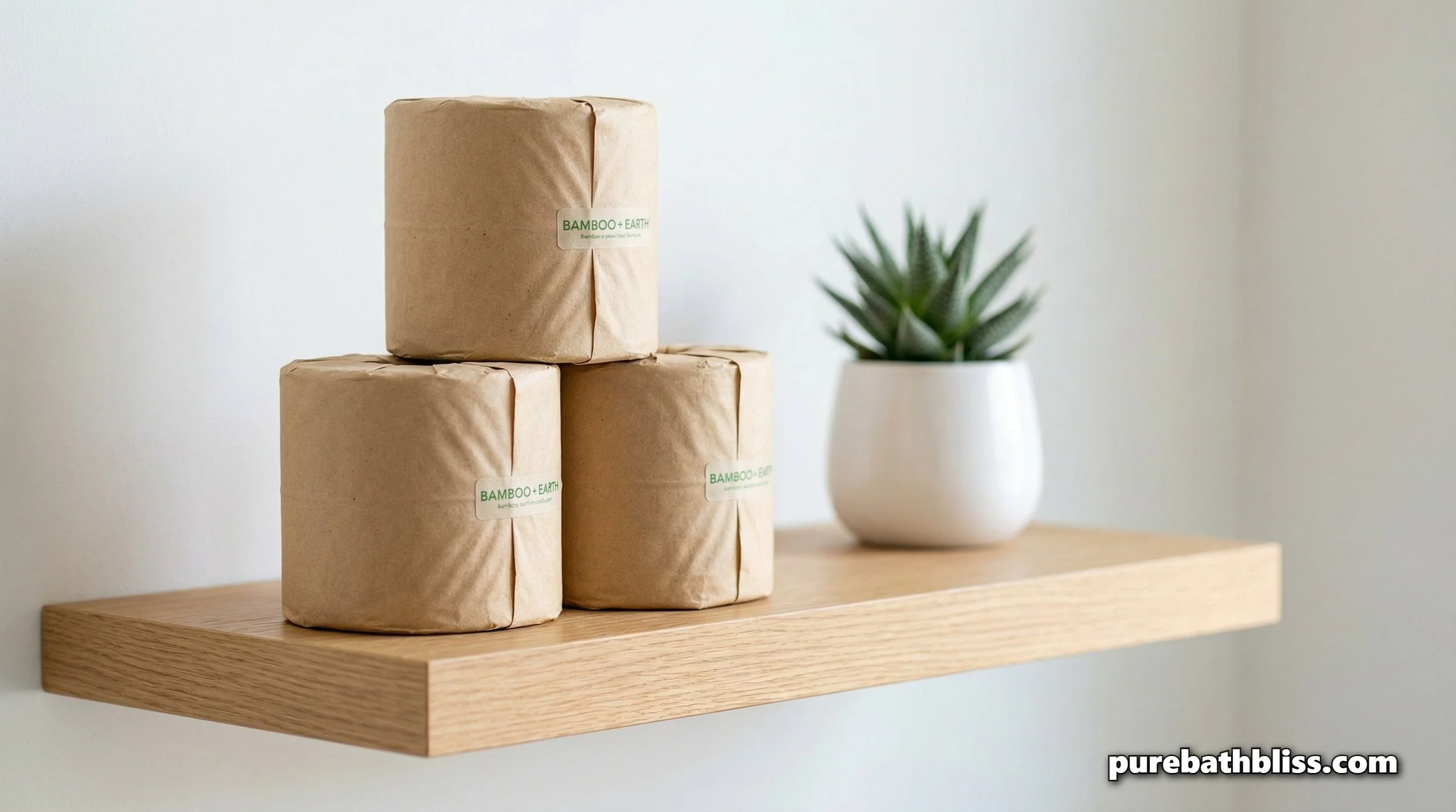
Best Overall: Reel Premium Bamboo Toilet Paper
Reel takes our top spot because it offers the closest experience to traditional "ultra-soft" brands while being 100% tree-free. It is made from FSC-certified bamboo and is entirely plastic-free, from the rolls to the shipping tape.
Pros: Extremely soft 3-ply texture; zero plastic packaging; FSC-certified; no inks or dyes.
Cons: Higher price point than recycled options.
Why we chose it: It solves the "roughness" issue often associated with eco-friendly paper. It’s strong enough for heavy use but soft enough for a luxury bathroom.
Best Budget: Who Gives A Crap (Recycled) Toilet Paper
Who Gives A Crap has become a leader in the sustainable space, not just for their paper, but for their social impact. Their 100% recycled paper is made from post-consumer office paper, meaning no new trees were touched.
Pros: Very affordable in bulk; 50% of profits go to building toilets in developing countries; colorful, plastic-free wrappers.
Cons: Slightly thinner than bamboo options; 2-ply instead of 3-ply.
Why we chose it: It is the most cost-effective way to go tree-free. Plus, the vibrant wrappers add a decorative touch to any bathroom.
Best for Sensitive Skin: Betterway Bamboo Toilet Paper
For those who prioritize purity, Betterway is the standout. It is elemental chlorine-free and lab-tested to be free of BPA, PFAS, and other "forever chemicals" often found in recycled paper.
Pros: Double-sided texture (smooth on one side, grippy on the other); 3-ply strength; plastic-free.
Cons: Rolls are slightly smaller than standard "mega" rolls.
Why we chose it: It is arguably the "cleanest" paper on the market, making it ideal for those with allergies or sensitivities.
Best for Septic Tanks: Caboo Tree-Free Regular Toilet Paper
If you live in a rural area or an older home with sensitive plumbing, Caboo is the best choice. Made from a blend of bamboo and sugarcane fibers (bagasse), it is engineered to "pulp" and dissolve faster than almost any other brand.
Pros: Rapidly biodegradable; septic and RV safe; panda-friendly sourcing.
Cons: Not as soft as the Reel or Betterway brands.
Why we chose it: Sugarcane fibers are shorter than bamboo fibers, allowing the paper to break down much more quickly once it hits the water, protecting your pipes from clogs.
Best Subscription: Cloud Paper Toilet Paper
If you never want to think about buying toilet paper again, Cloud Paper offers the most seamless subscription model. Their 3-ply bamboo paper is high-quality, and they offset their entire carbon footprint from shipping.
Pros: Reliable delivery; carbon-neutral; thick and absorbent.
Cons: Only available in large quantities (24 or 80 rolls).
Why we chose it: It’s the ultimate "set-it-and-forget-it" option for a busy, sustainable household.
What to Look for in Sustainable Toilet Paper
Choosing between bamboo and recycled paper depends on your priorities—whether that's maximum softness or maximum waste diversion. Use our comparison guide below to see which fits your sanctuary best:
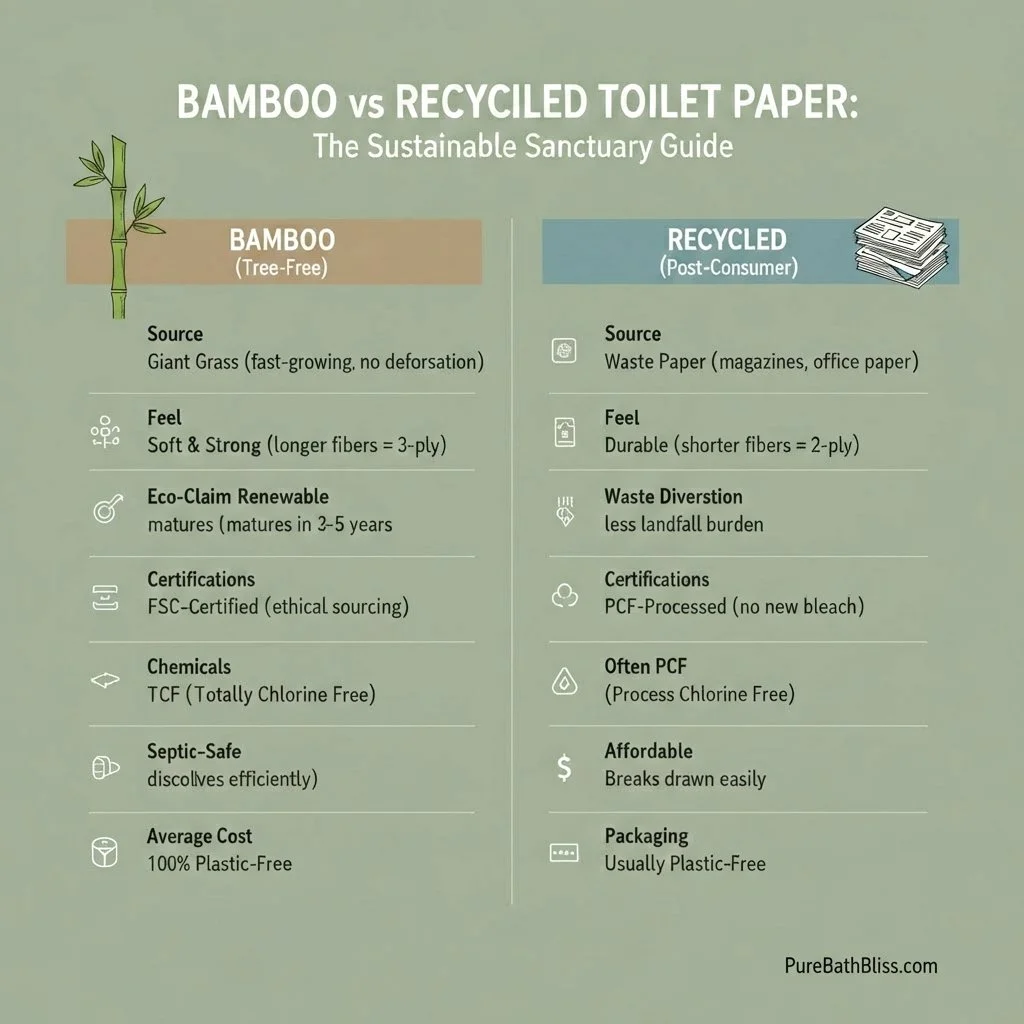
Material: Bamboo vs. Recycled
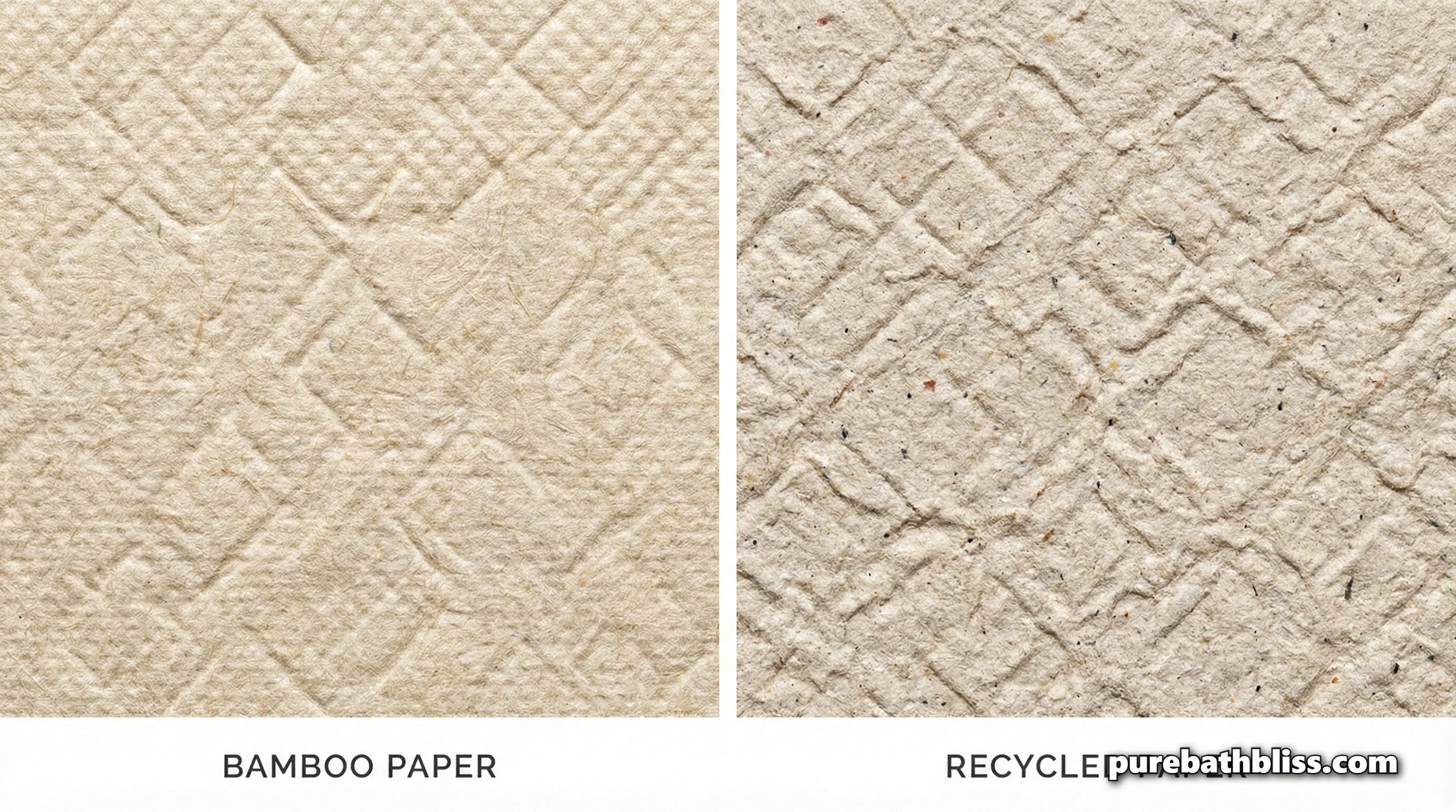
Bamboo: A grass that grows incredibly fast (up to 3 feet a day). It yields longer fibers, which results in a softer, stronger, 3-ply paper that feels like "regular" TP.
Recycled: Made from post-consumer waste (old notebooks, office paper). It is generally more affordable and has a lower carbon footprint because it doesn't require new harvesting, but it is often thinner (2-ply).
Whitening Process
Avoid brands that use Elemental Chlorine, which releases toxic dioxins into the water system. Look for labels that say PCF (Process Chlorine Free) for recycled paper or TCF (Totally Chlorine Free) for bamboo paper.
Certifications
The FSC (Forest Stewardship Council) certification is the gold standard. It ensures that the bamboo was grown and harvested in a way that protects local ecosystems and doesn't infringe on wildlife habitats (like those of pandas).
FAQs
Is bamboo toilet paper safe for septic tanks? Yes. In fact, most bamboo toilet papers are more septic-safe than "ultra-quilted" virgin tree brands because bamboo fibers break down more efficiently in water.
Is recycled paper scratchy? Not necessarily, but it is generally less "plush" than bamboo. If softness is your priority, bamboo is the better choice.
Why is it wrapped in paper instead of plastic? True sustainable brands avoid plastic wrap because it isn't recyclable in most curbside programs. Individual paper wrappers keep the rolls hygienic while being 100% compostable.
Why Trust Sustainable Sanctuary?
We don't just look at how soft a paper is; we look at the life-cycle of the product. Our reviews prioritize brands that are transparent about their sourcing, use zero-plastic packaging, and protect the plumbing infrastructure of your home.