The Final Layer of Softness: Why Reusable Bidet Cloths are the Ultimate Eco-Friendly Swap
Transparency Note: We independently select these products based on research and user reviews. If you buy something through our links, we may earn a commission.
In a home designed for wellness, the smallest rituals often make the biggest impact. We have all seen the shift toward bidets in recent years; they are sleeker, more hygienic, and undeniably better for the planet than traditional methods. However, there is a missing piece to that "Pure" bathroom experience that many people overlook: how we dry off.
For decades, the default has been paper. But even the premium, quilted rolls can feel abrasive, cluttered, and inherently wasteful. Reusable bidet cloths (often called "family cloths") are the chic, sustainable answer to a zero-waste bathroom. By moving away from disposables, you are not just saving resources; you are elevating your daily routine with organic textures and a minimalist, clutter-free aesthetic.
1. The Lifestyle Shift: From Paper to Petal-Soft
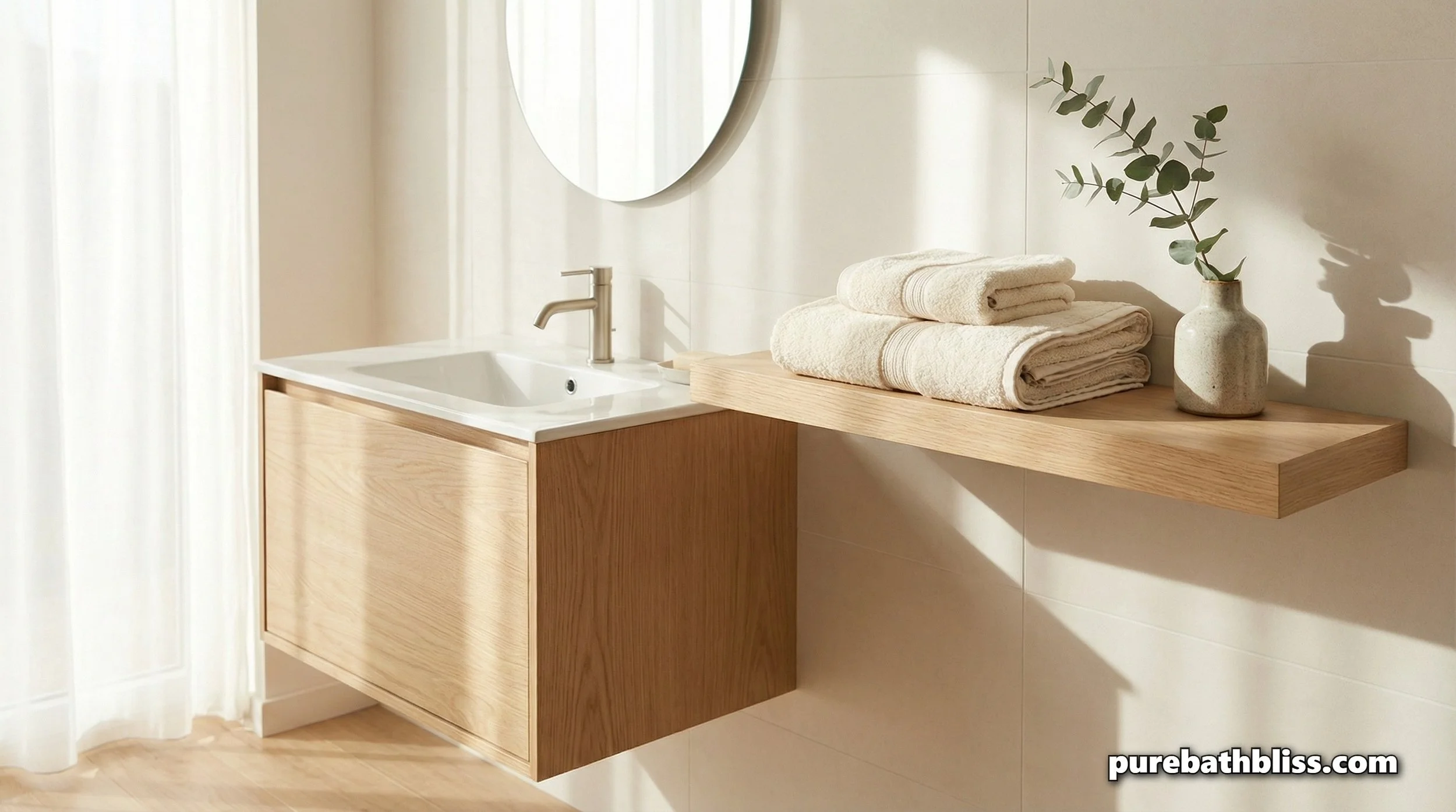
The primary reason to make the switch to cloth isn't just about the environmental "math", it is about the sensory experience of your home. When we curate a Sustainable Sanctuary, we look for touchpoints that feel intentional.
The Tactile Advantage: Even the most expensive toilet paper is a processed wood product. Organic bamboo or cotton terry cloths are designed specifically to be gentle on sensitive skin. It is the difference between using a paper napkin and a plush linen one at a dinner party.
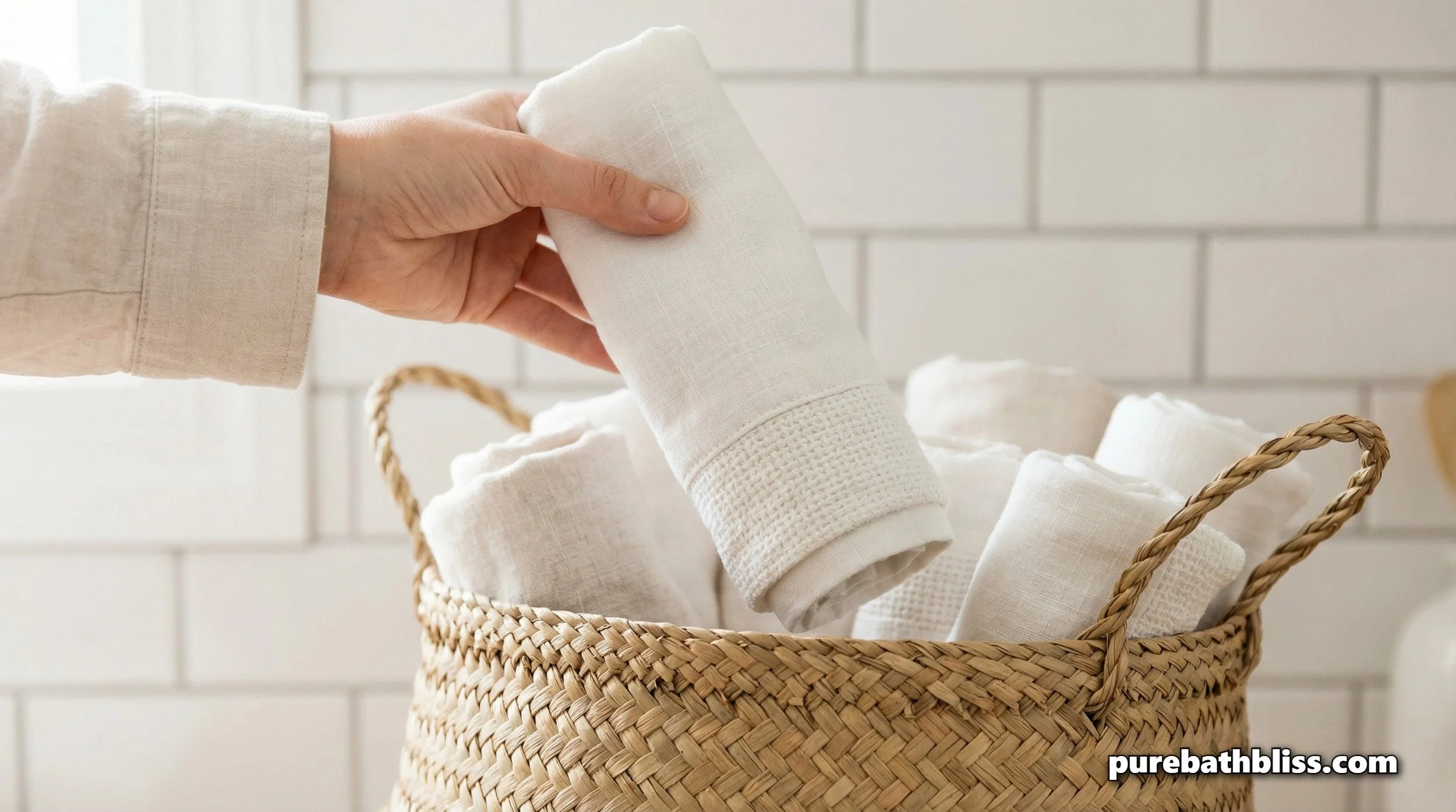
The "Pure" Aesthetic: Replacing rows of plastic-wrapped paper with a beautiful basket of rolled cloths instantly calms the visual clutter. It transforms a utility space into a curated spa-like environment.
Chemical-Free Living: Many commercial papers are bleached with chlorine or treated with "fragrance" and lotions that can irritate the skin’s delicate microbiome. High quality cloths are free from these hidden additives, keeping your routine as "Pure" as possible.
2. Setting Up Your Sanctuary System
A sustainable swap only works if it feels effortless and integrated. In a busy home, the system needs to be intuitive, elegant, and easy for everyone, from toddlers to guests, to navigate.
The Fresh Station
Choose a vessel that complements your bathroom’s design. A small woven seagrass basket, a matte ceramic tray, or even a light oak shelf can hold your clean cloths. Rolling them tightly into "spa scrolls" rather than folding them flat keeps the space looking organized and inviting.
The Discreet Collection
The biggest hurdle for most is the "discard" process. A small, lidded canister made of stainless steel or powder-coated metal keeps used cloths out of sight and prevents any moisture from affecting the room's atmosphere. Think of it as a miniature, high-end hamper dedicated to your wellness ritual.
Material Selection: Organic and Absorbent
Look for GOTS-certified organic cotton or bamboo. Bamboo is particularly favored in a "Pure" home because it is naturally more resistant to odors and grows more sustainably than cotton. These fibers stay soft wash after wash, whereas synthetic blends like microfiber can become "crunchy" or lose their absorbency over time.
3. The Laundry Ritual: Simple, Mindful, and Sanitized
One of the most common questions is: Is it extra work? In reality, it is just one small, rewarding load of laundry every few days. This ritual ensures that your home remains circular and waste-free.
The Gentle Wash: Use a plant-based, scent-free detergent. Because these cloths are only used for drying after a bidet has already done the cleaning, they stay remarkably fresh.
The Temperature Balance: A warm or hot wash (around 140°F) is sufficient for sanitization. Avoid using fabric softeners, as they coat the fibers in a waxy residue that actually reduces the cloth's ability to absorb water.
The Natural Brightener: Instead of bleach, add a half-cup of white vinegar or a scoop of sodium percarbonate (oxygen bleach) to your cycle. This acts as a natural disinfectant and ensures the fibers remain soft and white.
The Air-Dried Finish: If you have the space, line drying your cloths in the sun adds a crisp, natural scent that no store-bought fragrance can replicate. The UV rays also act as a final, natural layer of sanitization.
4. Sustainability Comparison
| Feature | Traditional Paper | Reusable Bidet Cloths |
|---|---|---|
| Tactile Feel | Standard wood pulp; can be thin or abrasive. | Plush organic cotton or bamboo; premium softness. |
| Visual Appeal | Cluttered packaging; plastic waste. | Curated, spa-like baskets and rolls. |
| Eco-Footprint | 27,000 trees flushed daily worldwide. | Zero-waste; circular and sustainable. |
| Skin Health | Potentially bleached with chlorine. | 10% natural; free from dyes and scents. |
| Monthly Cost | Recurring $15–$30 for a large family. | One-time investment; pennies in laundry. |
5. Transitioning Your Home: The Hybrid Approach
If you share your sanctuary with guests or children, transparency is key. You don't have to remove every roll of paper immediately. Instead, create a Hybrid System.
For the Family: Encourage the use of cloths for daily drying. The softness usually wins the kids over within a few days.
For the Guests: Keep a roll of Sustainable Bamboo TP available on a stylish stand. This allows guests to choose their comfort level while still seeing your commitment to a zero-waste lifestyle.
The Gentle Guide: A small, framed note or a wooden sign can explain the "Fresh" and "Laundry" baskets. Most guests find this level of intentionality inspiring rather than confusing.
6. The Long-Term Vision for your Sanctuary
A Sustainable Sanctuary is built on the belief that our daily habits should nourish both ourselves and the world around us. Choosing reusable bidet cloths is a small, elegant gesture of stewardship. It is a commitment to quality over quantity, softness over waste, and a lifestyle that prioritizes the health of our skin and our planet.
When we reduce what we flush, we simplify our lives. We reclaim the space under our vanities, we stop the cycle of panic-buying paper during shortages, and we lean into a more resilient, self-sufficient way of living.
Conclusion: A Softer Way Forward
By switching to reusable bidet cloths, you are stopping the flow of waste and leaning into a more mindful bathroom experience. It is a "Pure" habit that protects the serenity of your home and ensures that every detail, down to the way you dry off, is in alignment with your values.
Shop the Sanctuary Look
The Foundation: Organic Bamboo Bidet Cloths – Choose a 24-pack for a seamless rotation.
The Storage: Hand-Woven Seagrass Basket – Adds a warm, natural texture to your counter.
The Canister: Matte White Ceramic Lidded Bin – A discreet, chic way to manage your laundry cycle.
The Clean: Plant-Based Unscented Detergent – Keep your cloths free from synthetic residues.