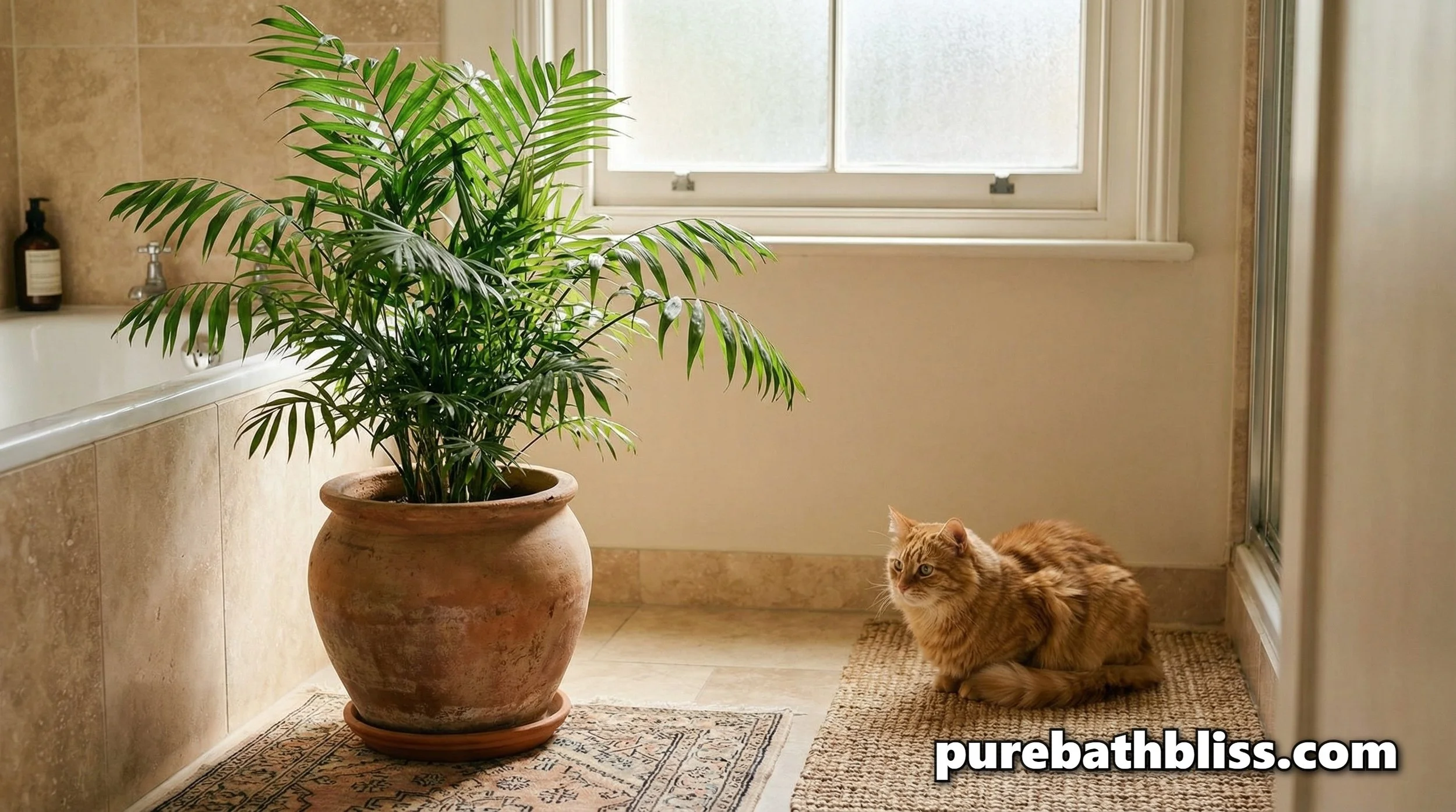
Parlor Palm Care: The Pet-Friendly Victorian Legend
If you’re looking for a plant that makes your bathroom feel like a high-end spa, but you have a curious cat or dog who likes to "sample" the greenery, you need a Parlor Palm.
In the plant world, we call it the Chamaedorea elegans. It’s been a staple in homes since the Victorian era because it was one of the few plants that could survive in dark, drafty hallways. In a modern bathroom, this palm doesn't just survive—it thrives. It loves the extra humidity from your shower and doesn't mind a bit of shade.
As we build out our Sustainable Sanctuary, finding plants that are both "unkillable" and safe for the whole family is a top priority. The Parlor Palm is the feathery, elegant solution to that puzzle.
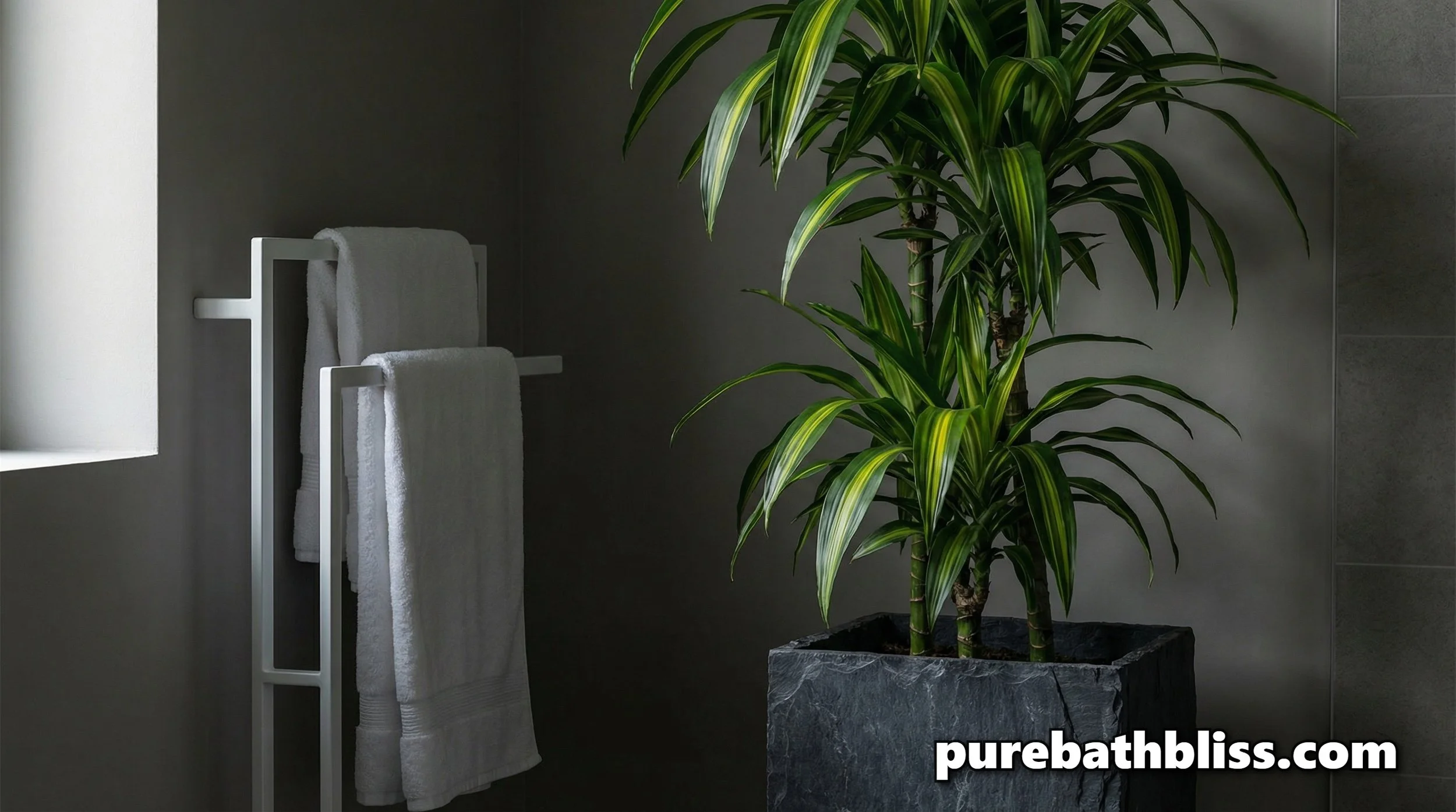
Corn Plant Care: The "Unkillable" Low-Light Legend for Your Bathroom
If you have a corner in your bathroom that feels a bit "dead"—maybe it’s tucked between the vanity and the shower, or it's far from the window—you need a Corn Plant.
Despite the name, you won't be harvesting any vegetables from this tree. It earned its nickname because its long, arching leaves look remarkably like the stalks of corn you’d see in a field. In the plant world, we know it as Dracaena fragrans, and it’s one of the most reliable, "set-it-and-forget-it" trees you can own.
As we discussed in our viral guide to 7 "Unkillable" Plants for Windowless Bathrooms, resilience is the key to a Sustainable Sanctuary. The Corn Plant takes that resilience to new heights, literally.
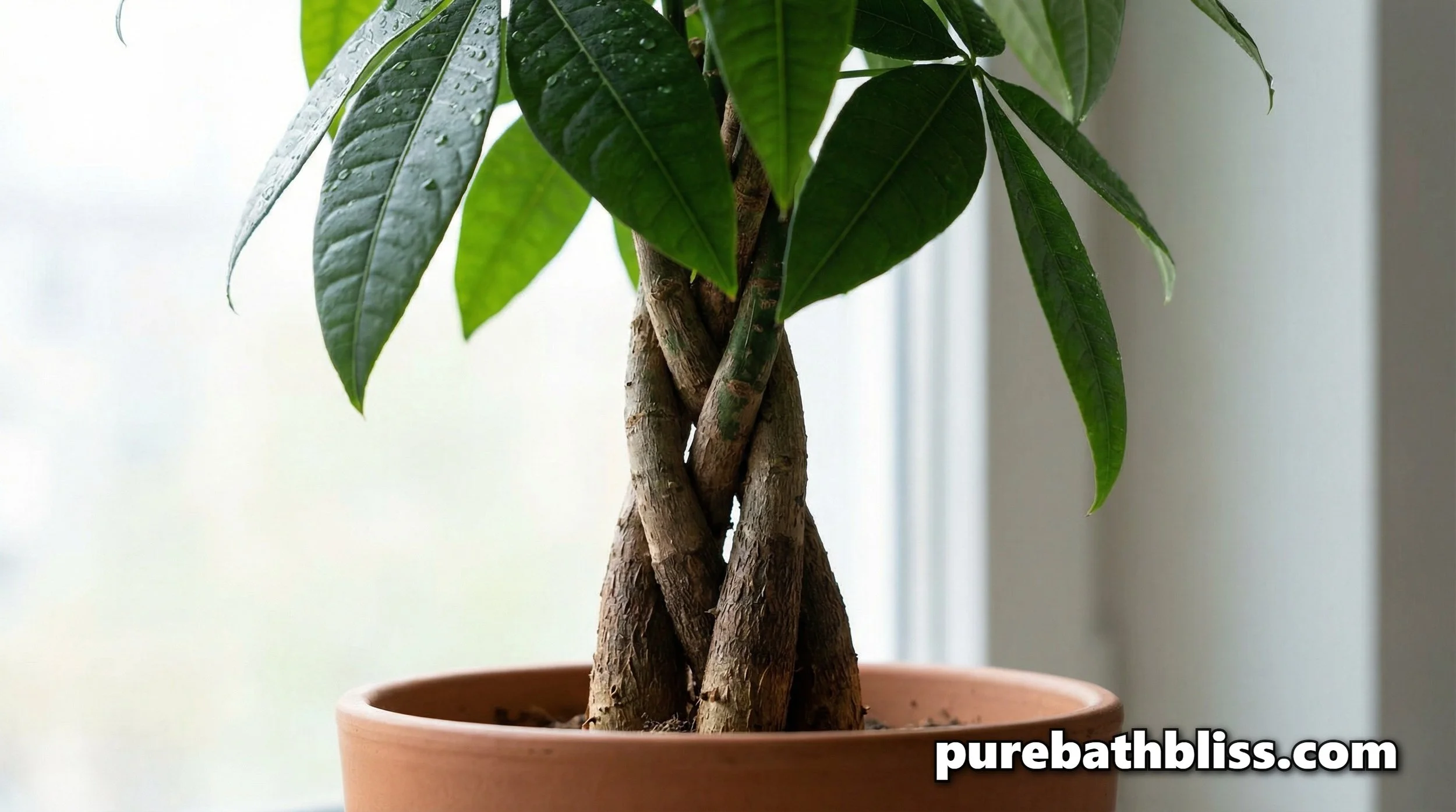
The "Unkillable" Money Tree Care Guide: A Bathroom Sanctuary Essential
The Money Tree (Pachira aquatica) is more than just a houseplant; it’s a structural centerpiece that brings a sense of high end, tropical luxury to your bathroom. For those of us aiming to build a Sustainable Sanctuary, the Money Tree is often the first choice because it thrives in conditions that would make other trees wilt: high humidity, fluctuating temperatures, and varying light levels.
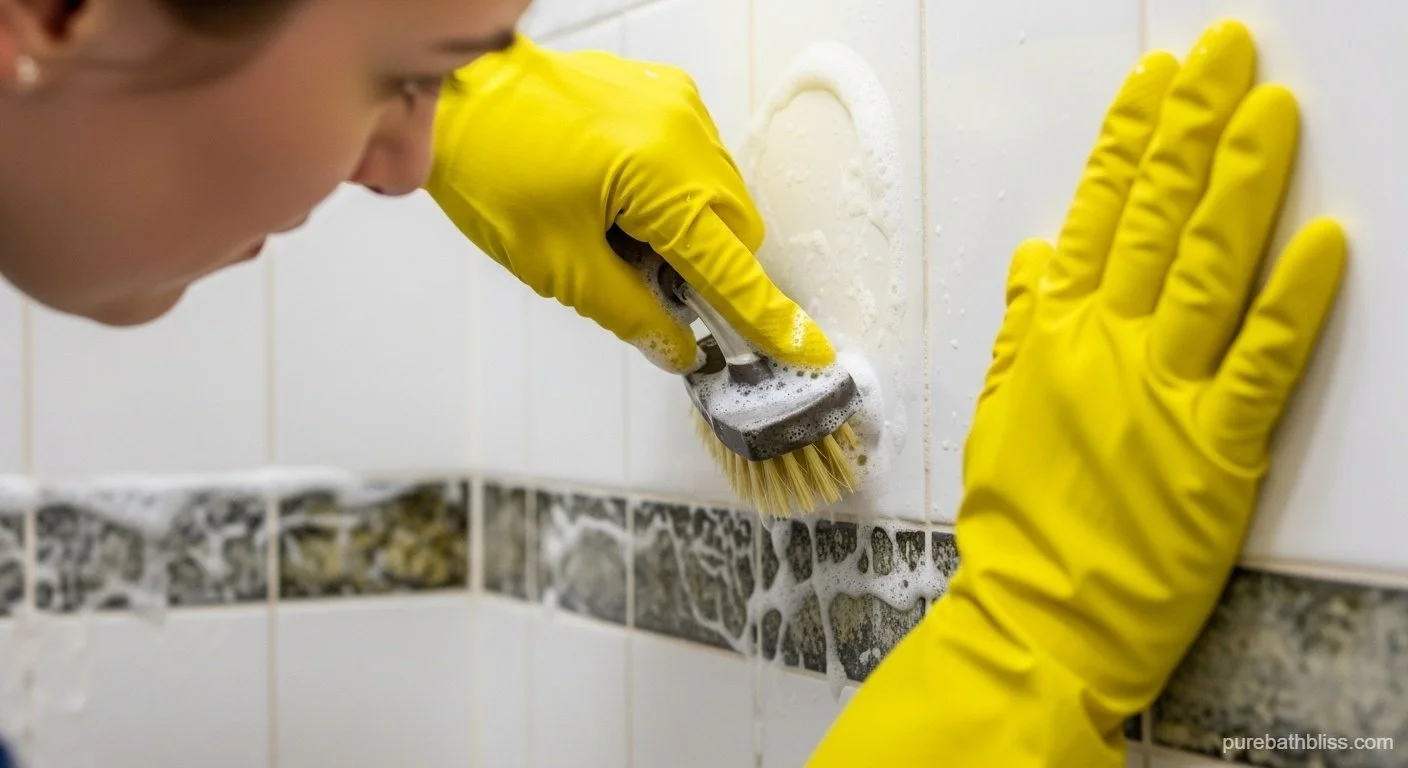
How to Get Rid of Musty Smells In Your Bathroom
There’s nothing quite as uninviting as stepping into a bathroom permeated by a musty, stale odor. This unpleasant smell is more than just an inconvenience; it often signals an underlying issue, typically related to moisture and the growth of mold or mildew. A musty bathroom can make your entire home feel less fresh and hygienic. But don't despair! With a systematic approach, you can identify the source, eliminate the existing smell, and implement long-term strategies to keep your bathroom smelling clean and fresh.
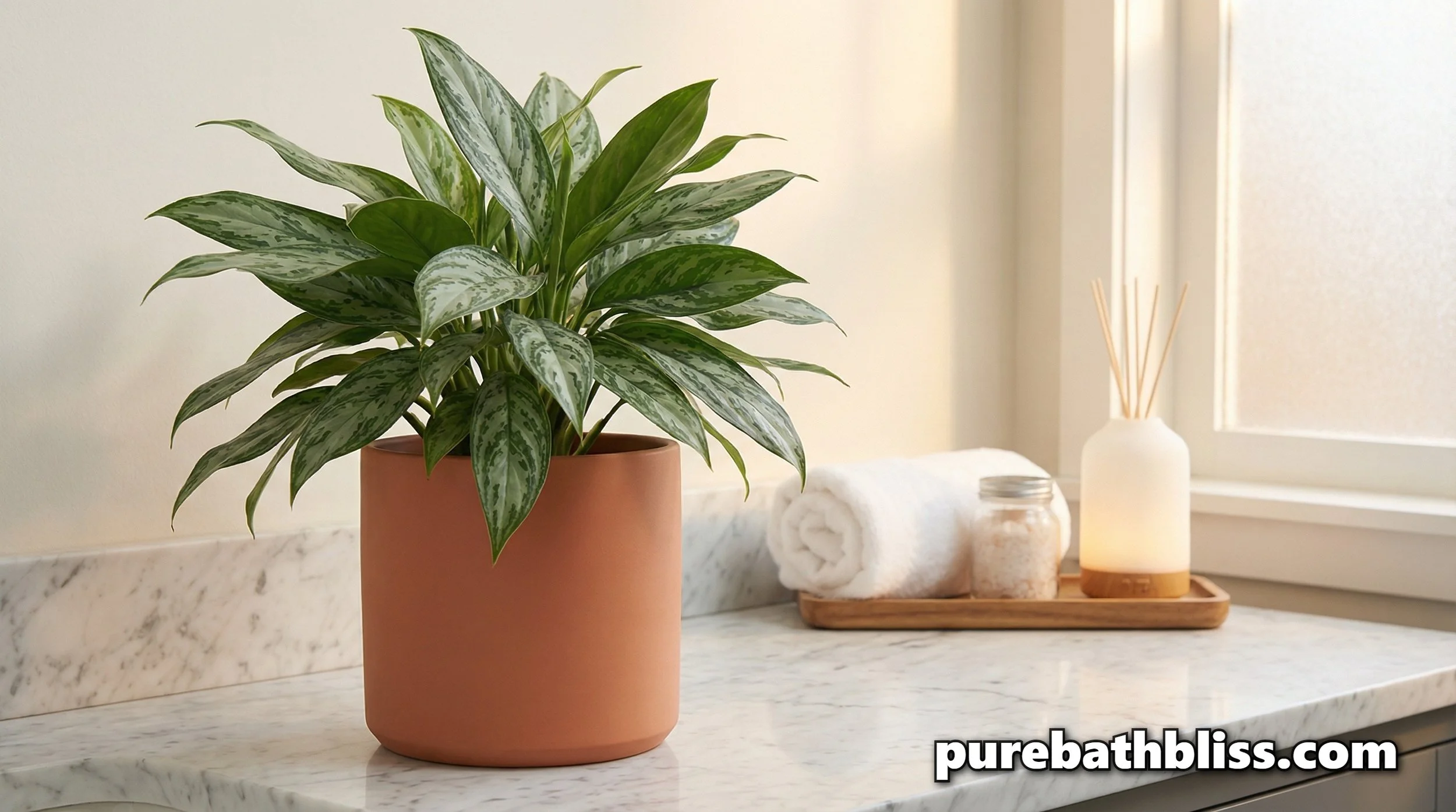
Chinese Evergreen Care: The Most Stylish "Unkillable" Bathroom Plant
If you’ve been following our plant series, you know we love a plant that can handle a bit of neglect. But usually, "tough" plants look a certain way—think the sharp spikes of a Snake Plant or the thick stems of a ZZ Plant.
The Chinese Evergreen is different. It’s lush, leafy, and comes in stunning variegated patterns that look like they belong in a high-end spa.
In our guide to 7 "Unkillable" Plants That Thrive in Your Windowless Bathroom, I recommended this one for people who want to add a pop of color to a dim room. Between you and me, it’s the plant I suggest when someone wants their bathroom to look "designed" without having to hire a professional gardener.
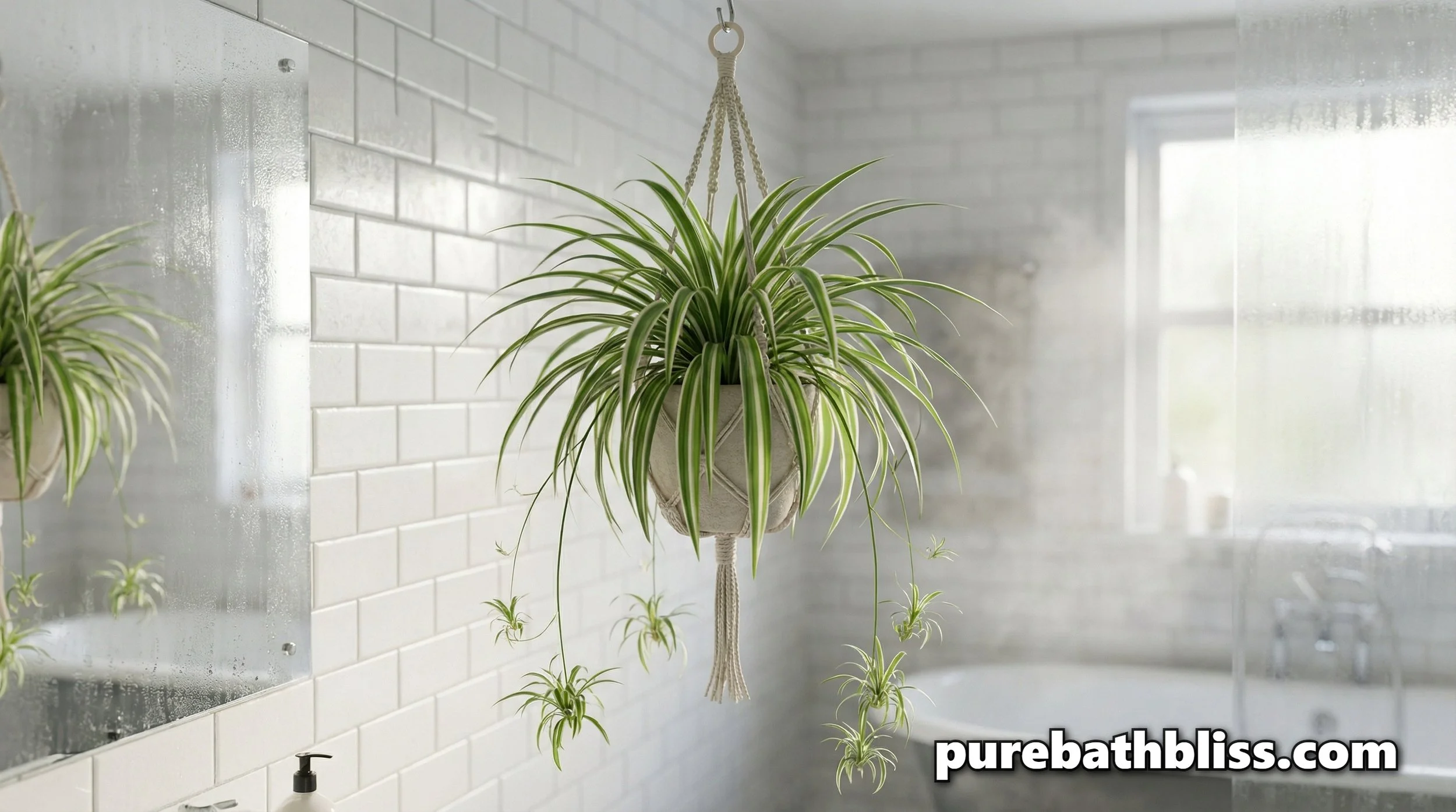
Spider Plant Care: How to Stop Brown Tips and Grow "Babies"
If you’re looking for a plant that’s as playful as it is tough, the Spider Plant is the one. With its arching, striped leaves and the way it sends out tiny "plantlets" (or babies) on long stems, it’s the ultimate retro-cool addition to any bathroom.
In our guide to 7 "Unkillable" Plants That Thrive in Your Windowless Bathroom, I recommended the Spider Plant because it absolutely loves humidity. But, as a few of you have noticed on my Pinterest lately, it has one specific quirk: it’s the "canary in the coal mine" for your bathroom's airflow.
Between you and me, if your Spider Plant is struggling, it’s usually not because you’re a bad gardener—it’s just the plant’s way of asking for a little more "breathing room."
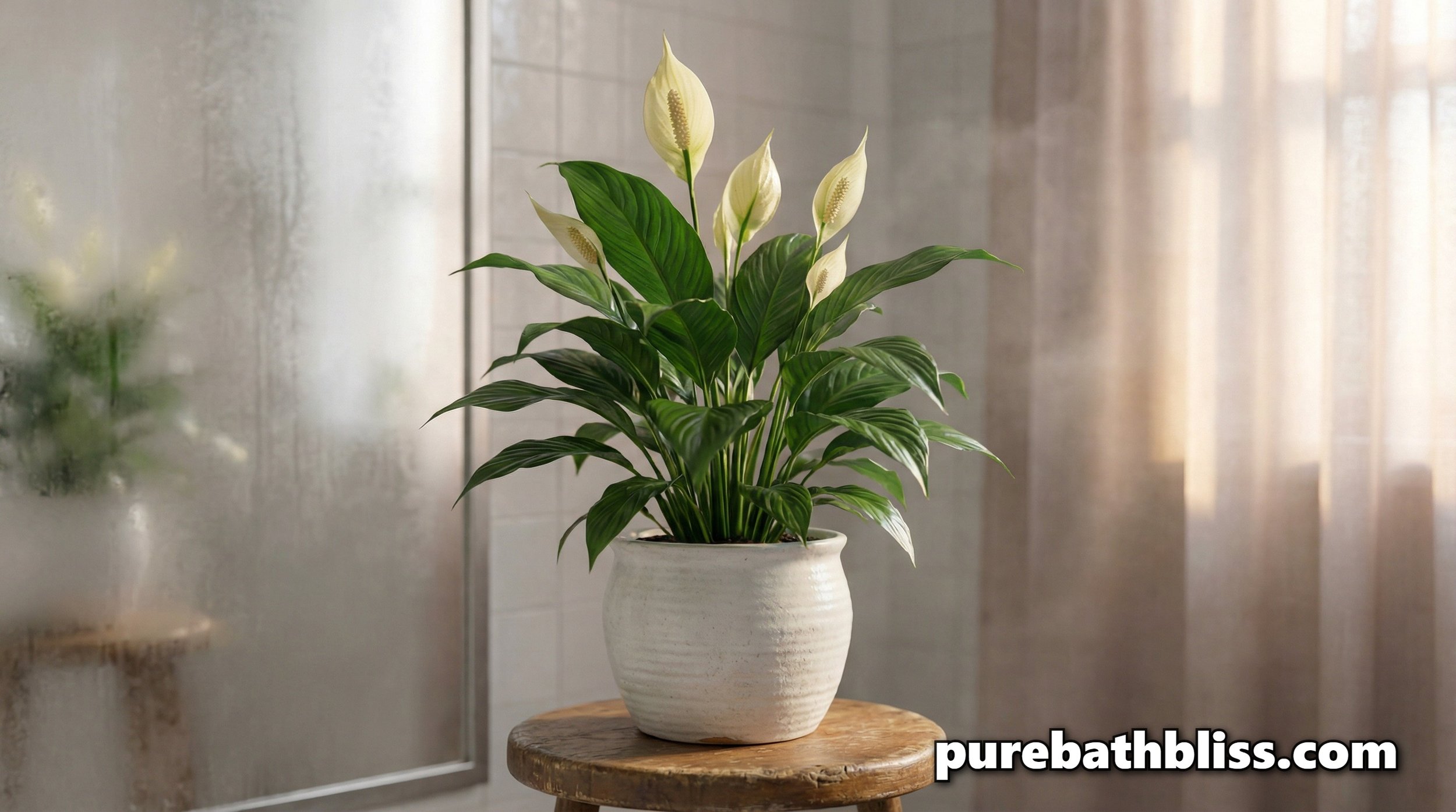
Peace Lily Care: The "Talking" Plant for Your Bathroom Sanctuary
If you’re looking for a plant that brings a bit of elegance and soft, white flowers into your bathroom, look no further than the Peace Lily. While most of the plants on our "unkillable" list are known for being strong and silent, the Peace Lily is a bit more of a communicator.
In our guide to 7 "Unkillable" Plants for Windowless Bathrooms, I highlighted this beauty because it thrives in humidity. But if you've ever seen one suddenly "faint" over the side of its pot, you know it has a flair for the dramatic.
Between you and me, that drama is actually a gift—it makes it one of the easiest plants to keep alive because it removes all the guesswork.
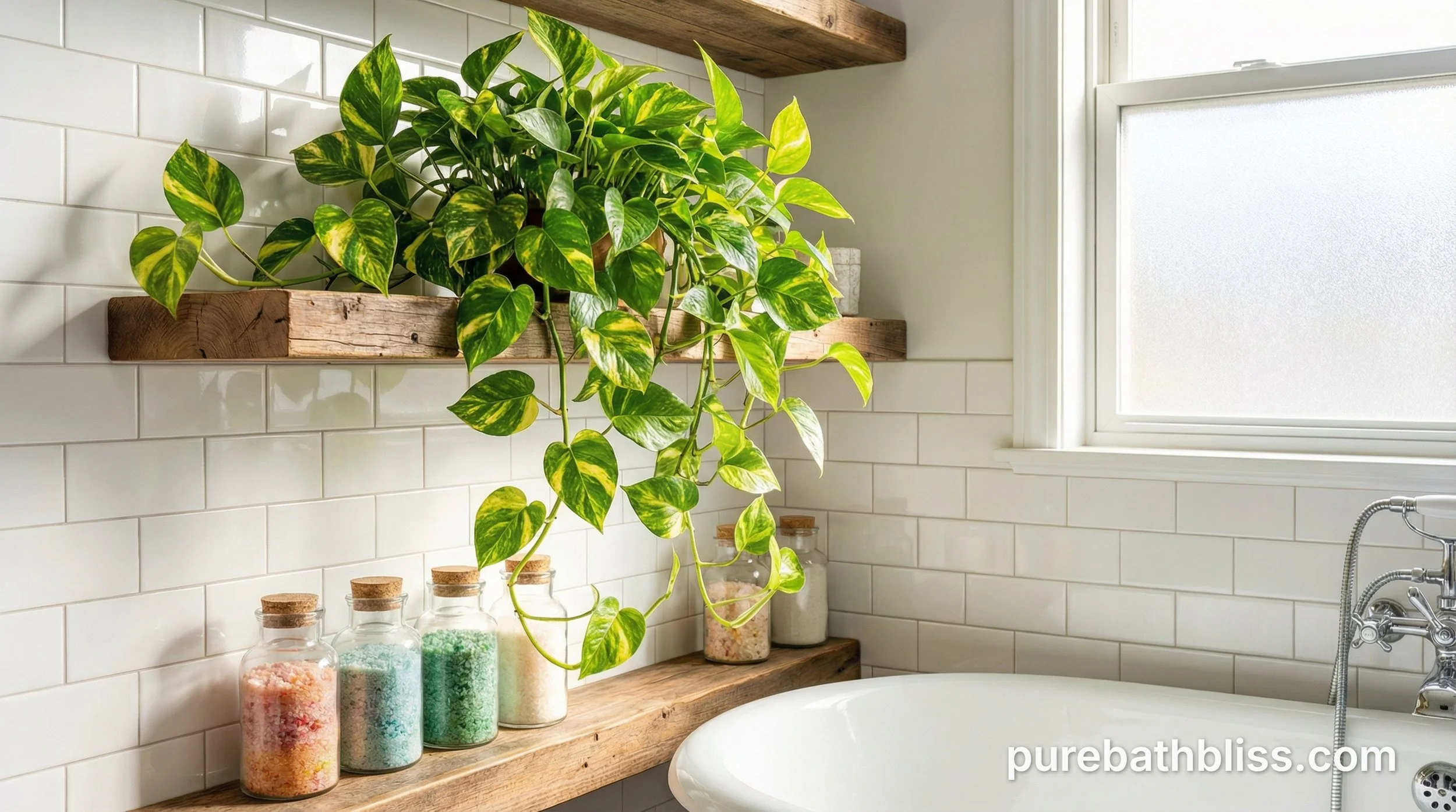
Golden Pothos Care: How to Grow a Lush Bathroom Vine
If you’ve ever seen a bathroom that looks like a literal spa—with green vines cascading down from the shower rod or a high shelf—chances are you were looking at a Golden Pothos.
In our guide to 7 "Unkillable" Plants That Thrive in Your Windowless Bathroom, I call this the "Devil’s Ivy" because it is notoriously hard to kill. It’s a survivor that loves the humidity of a post-shower steam. But while it’s tough, there are a few tricks to making sure it stays lush and full rather than long and "stringy."
Between you and me, the Pothos is the ultimate "communicator." If it’s unhappy, it will let you know long before it’s too late.
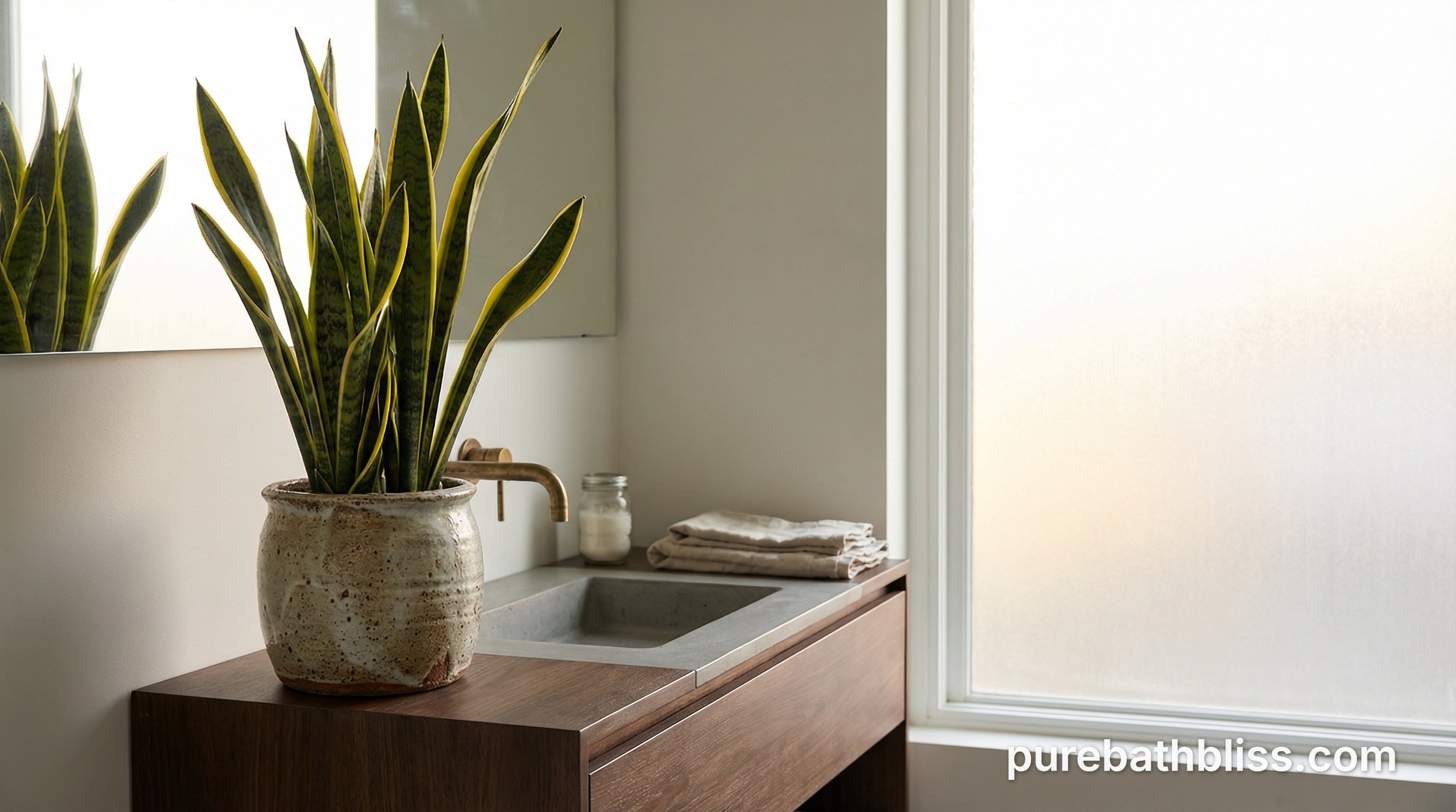
Snake Plant Care 101: How to Keep Your Bathroom’s Toughest Plant Thriving
If you’ve spent any time on Pinterest lately, you’ve probably seen the Snake Plant (or Sansevieria) starring in every dream bathroom photo. It’s tall, architectural, and—as I always tell my friends—it’s just about the closest thing you can get to a "set it and forget it" plant.
In our guide to 7 "Unkillable" Plants That Thrive in Your Windowless Bathroom, we highlighted the Snake Plant as a top contender for those dark, humid spaces. But because so many of you have been asking about the nitty-gritty of keeping them healthy, I thought we’d take a closer look at what actually makes these plants tick.
Between you and me, the reason people "kill" Snake Plants isn't because they neglect them—it’s usually because they care too much. Let’s break down how to treat them right.
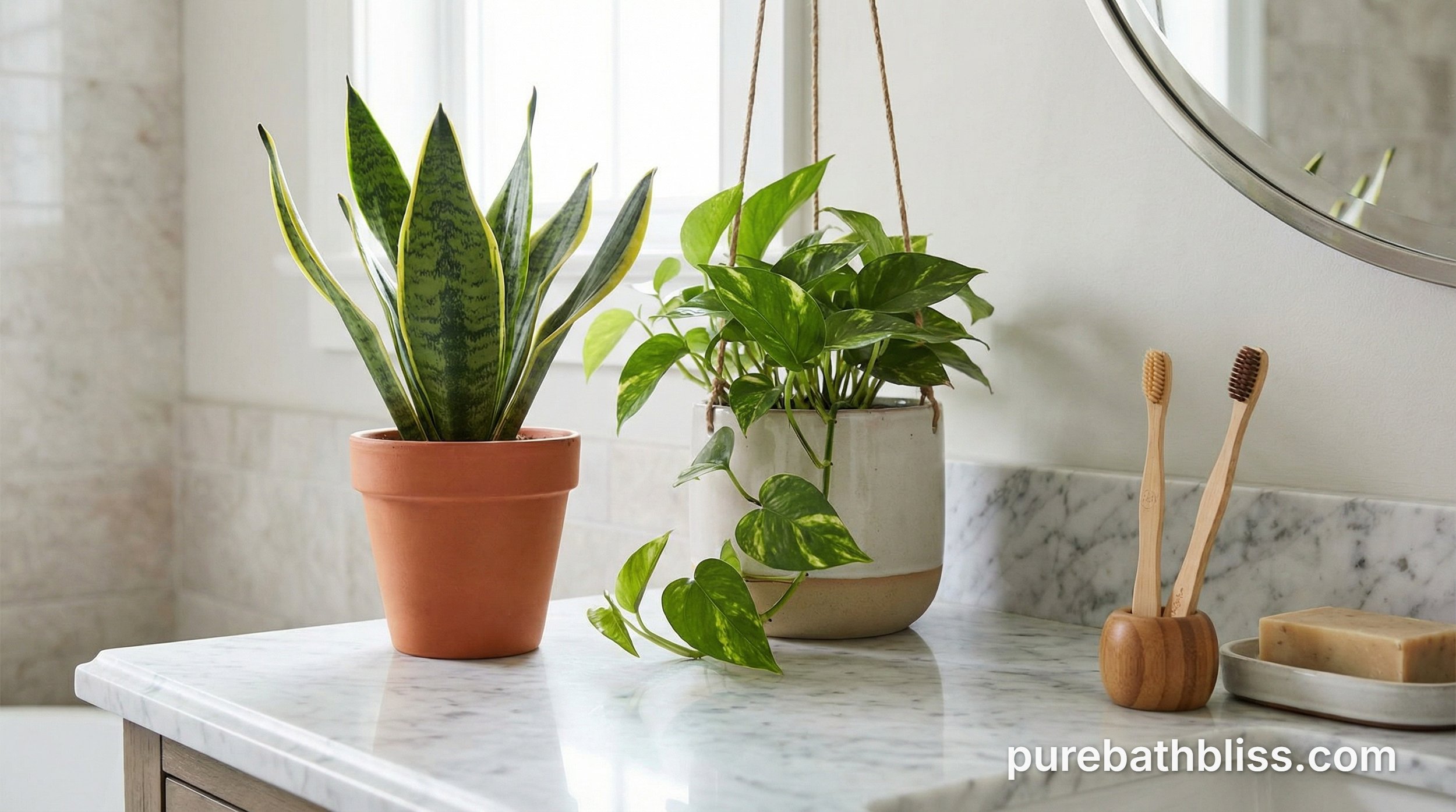
The Ultimate Guide to Shower Plants: 12 Humidity-Lovers for a Greener Bathroom
There is something inherently calming about a bathroom filled with life. If you’ve ever stepped into a luxury spa and felt an immediate sense of peace, it likely wasn't just the essential oils, it was the greenery.
In the eco-friendly home niche, "shower plants" have moved from a design trend to a functional necessity. Not only do they look stunning, but they also act as natural air purifiers, regulate humidity, and even help prevent the buildup of bathroom mold.
However, the bathroom is a unique ecosystem. With its spikes in temperature, low light, and high steam, not every houseplant is cut out to survive. In this guide, we’ll explore the top 12 plants that don’t just tolerate your shower—they thrive in it.
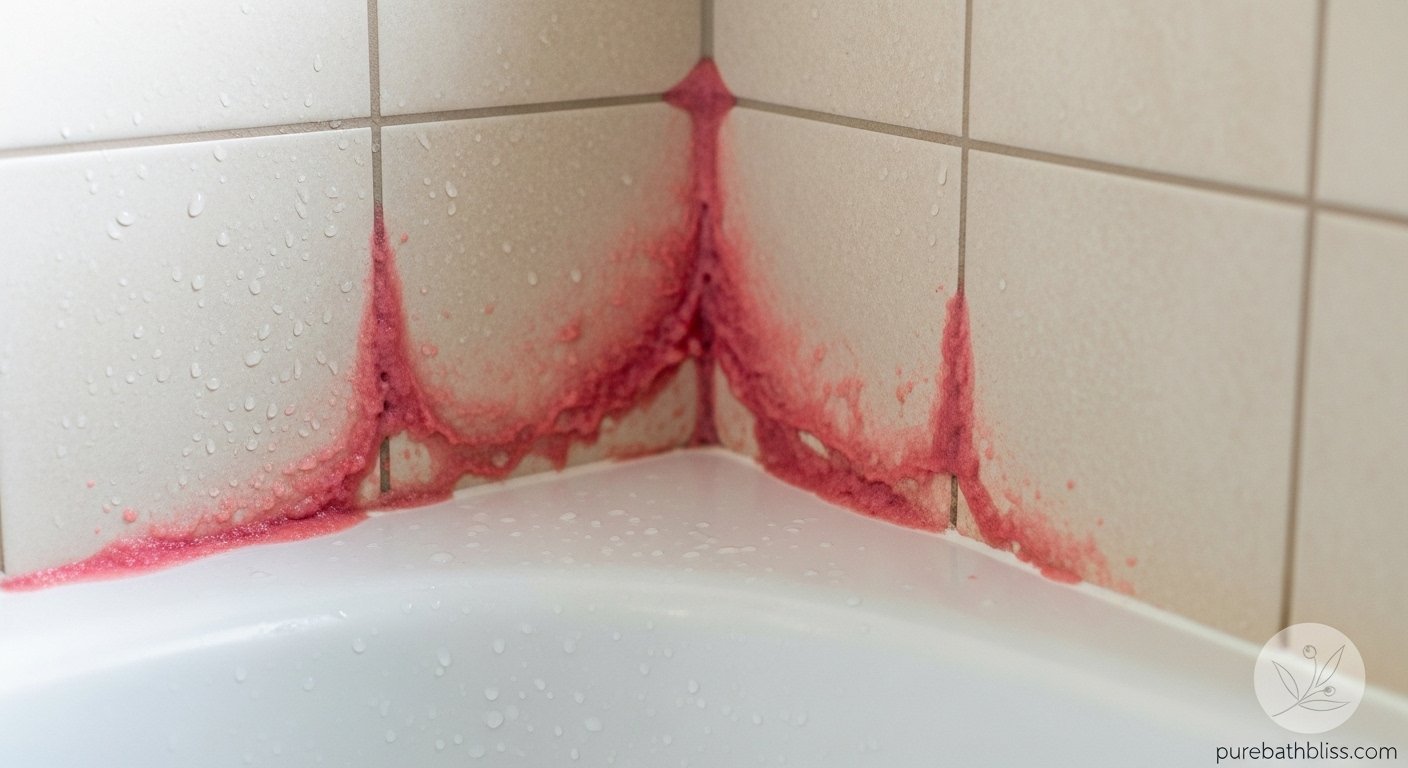
How to Get Rid of the Red Stuff (Serratia marcescens) in Your Bathroom
The reddish-pink film in your shower or bathroom, often called “pink mold” or “pink slime,” is actually Serratia marcescens, a bacteria that thrives in moist, soapy environments. This slimy, red-orange residue appears on tiles, grout, drains, or shower curtains, feeding on soap scum and hard water minerals. While typically harmless for healthy people, it can trigger allergies or look unsightly. This guide explains how to identify, remove, and prevent Serratia marcescens using eco-friendly methods and tools, keeping your bathroom hygienic and fresh. Shop our affiliate links for the best cleaning products!
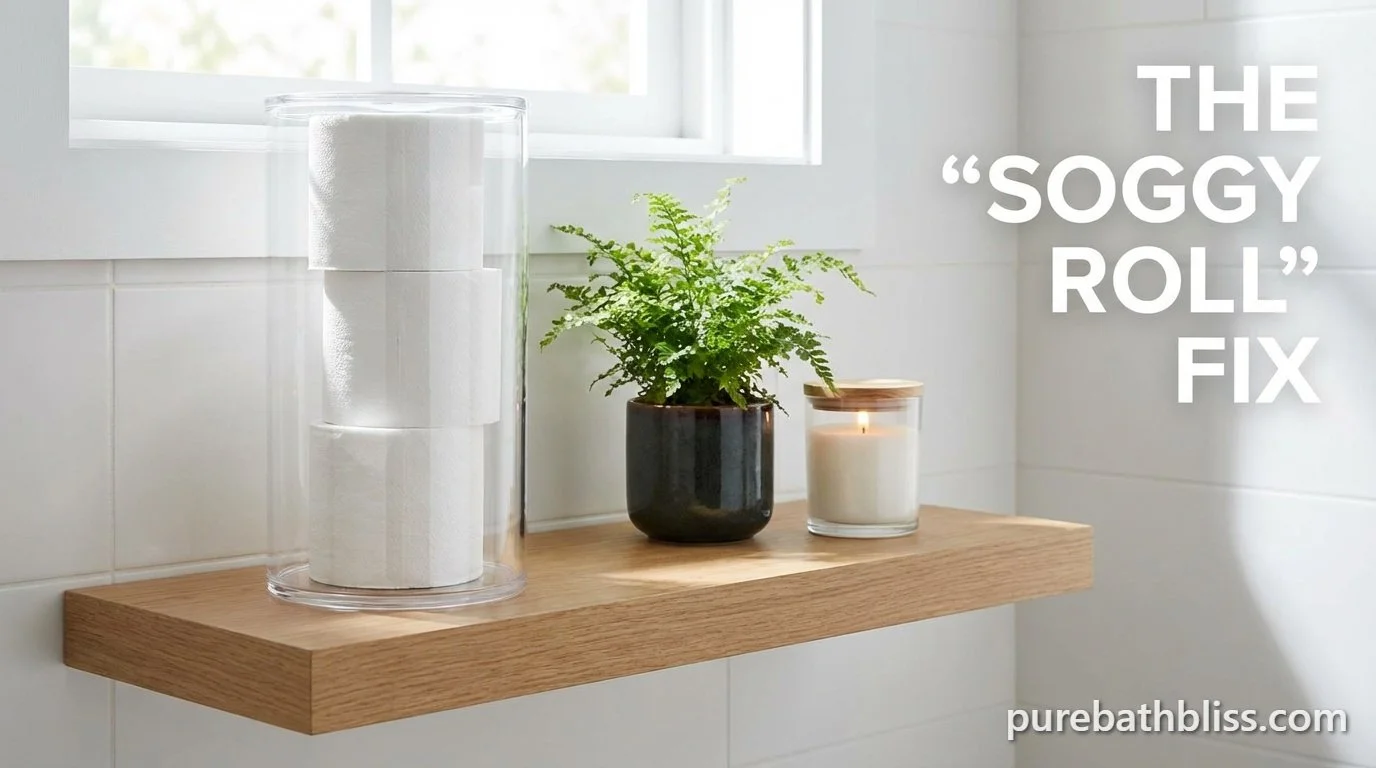
Is Your "Emergency Stash" of Toilet Paper Growing Mold? (And How to Store It Safely)
It is the dirty secret of bathroom organization: You buy the mega-pack of toilet paper, stuff 12 rolls into the dark cabinet under the sink, and forget about them.
Months later, you reach for that back-of-the-cabinet roll, and it feels... damp. Maybe it smells a little musty. Or worse, it has faint grey spots.
That isn't dust. It’s mildew.
Most people don't realize that toilet paper is essentially a sponge made of organic material (cellulose). When you store it in a dark, humid bathroom cabinet—especially near leaky pipes or right next to the shower—it becomes a petri dish for mold.
You don't have to stop storing TP in the bathroom (we aren't monsters; nobody wants to run to the hallway closet in an emergency). But you do need to upgrade how you store it.
Here is why the "Cabinet Stash" is failing you, and the 3-step system to fix it.
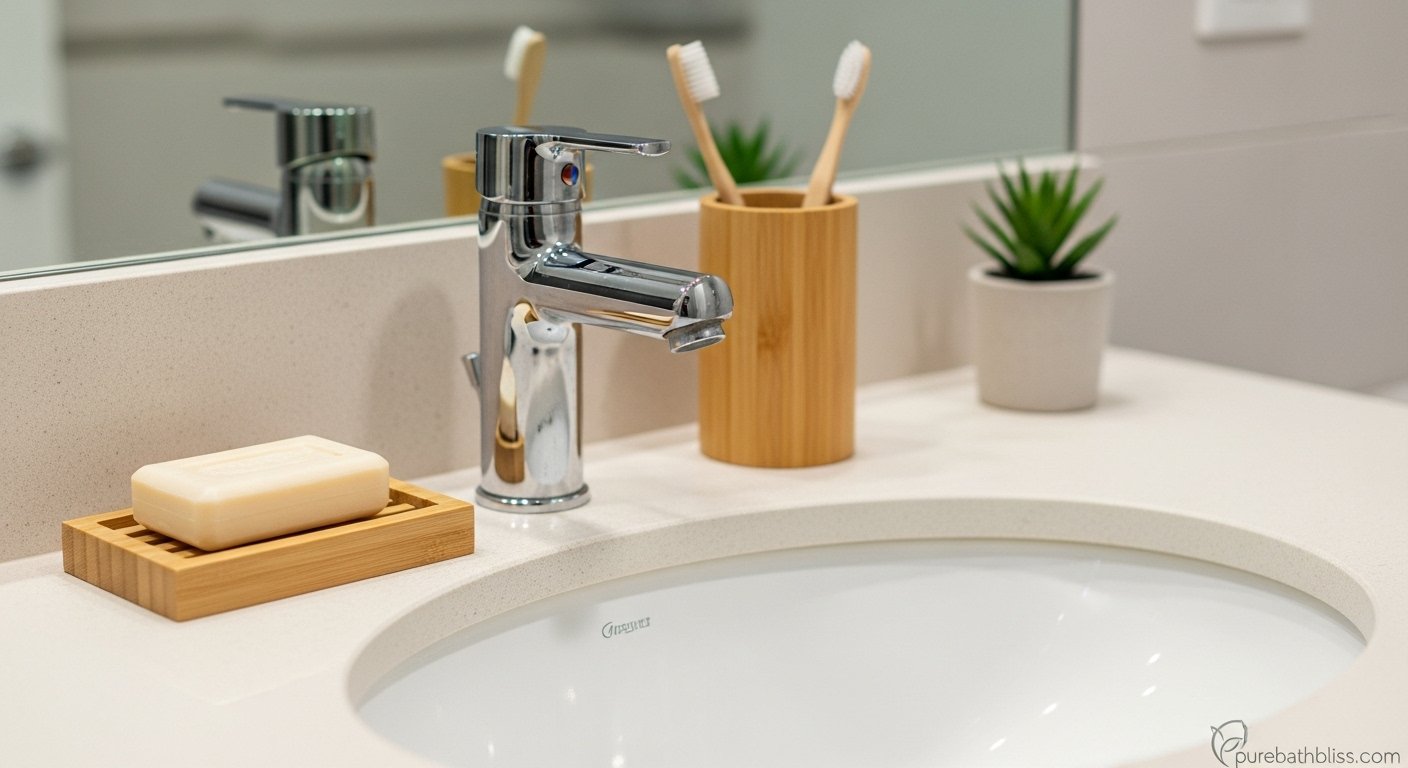
How to Prevent Bacterial Growth in Your Bathroom Sink Area
The bathroom sink area is a high-traffic zone where toothbrushes, soaps, and wet washcloths can create a breeding ground for bacteria if not managed properly. Bacterial growth around the sink can lead to odors, stains, and potential health risks, especially in humid bathrooms. By adopting simple hygiene practices, proper storage techniques, and effective ventilation, you can keep your sink area clean, dry, and bacteria-free. This guide shares practical tips to maintain a hygienic bathroom sink, complementing your efforts to prevent mold and maintain a clutter-free space.
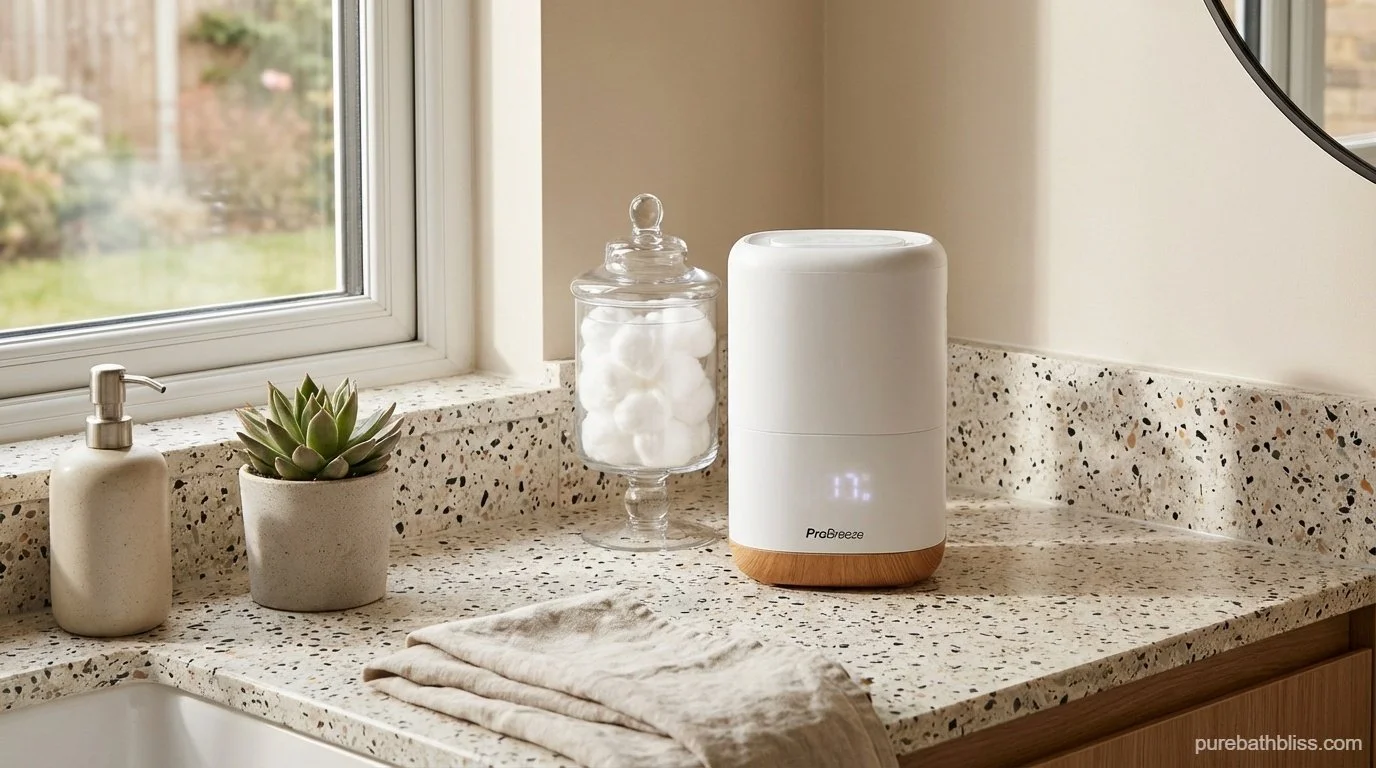
Dehumidifier vs. Exhaust Fan: Do You Really Need Both for a Healthy Bathroom?
You step out of the shower. The mirror is foggy. The air feels heavy. The towels are damp.
You flip the switch for the ceiling fan (which sounds like a jet engine taking off), but 20 minutes later, the room still feels like a swamp.
This is the "Bathroom Moisture Trap." And if you are trying to prevent mold naturally, this lingering humidity is your worst enemy.
We get this question constantly at PureBathBliss: "If I have an exhaust fan, why would I need a dehumidifier? Aren't they doing the same thing?"
The short answer is: No.
They are two different tools that solve two different physics problems. Depending on your home’s age, your climate, and your bathroom’s layout (especially if you are windowless), relying on just one might be the reason your grout keeps turning black.
Here is the definitive breakdown of the Fan vs. Dehumidifier debate—and how to know which one you actually need.
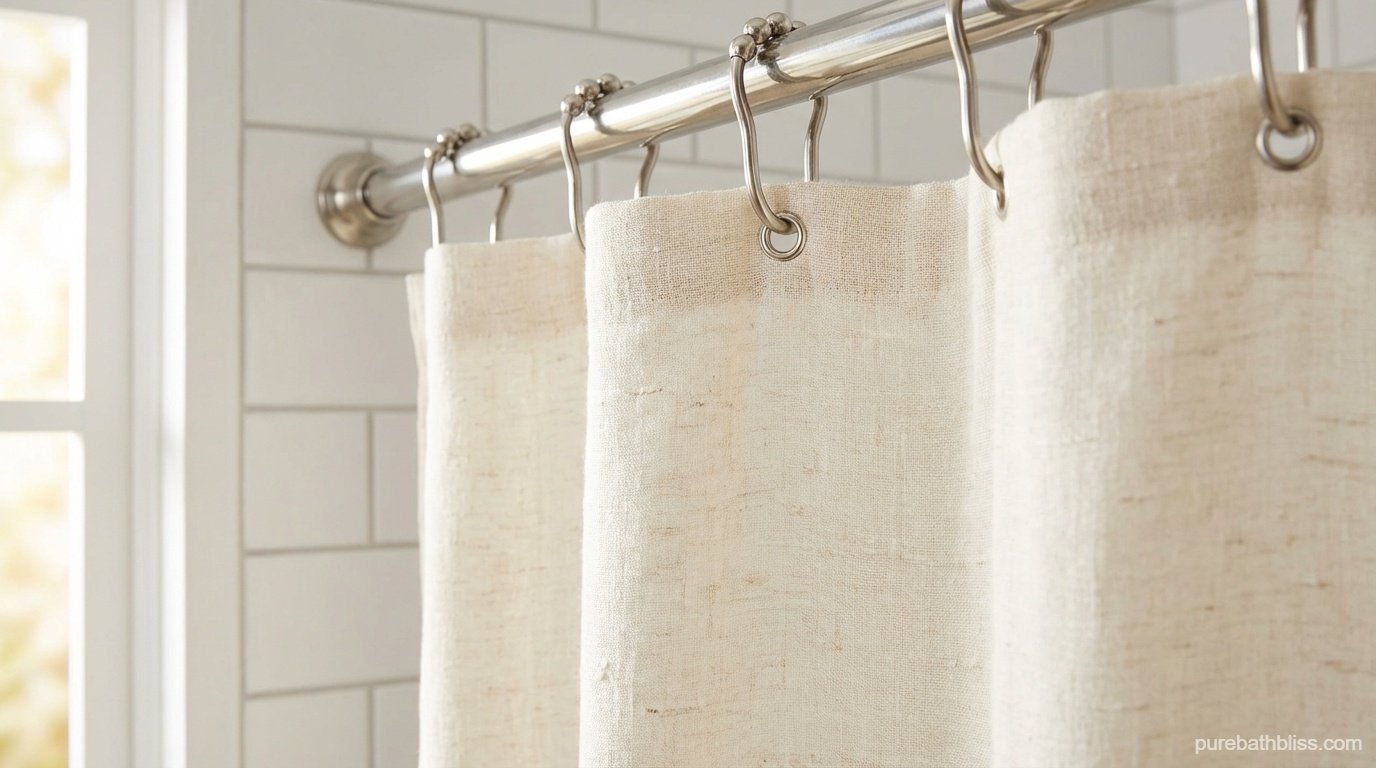
Why Your Shower Curtain Liner Might Be Polluting Your Indoor Air (And What to Buy Instead)
You know that distinct "new shower curtain smell"?
For years, we associated that sharp, chemical scent with cleanliness—a sign that we had successfully refreshed the bathroom. But if you have ever unpacked a cheap plastic liner and felt a slight headache or dizziness after hanging it up, your body was trying to tell you something.
That smell isn't "freshness." It’s off-gassing.
In our quest to create a healthy bathroom sanctuary, we often look at big-ticket items like ventilation fans or low-VOC paint. But sometimes, the biggest pollutant in the room is the $10 sheet of plastic hanging right next to your face while you shower.
The good news? Swapping it out is one of the cheapest, fastest, and most effective wellness upgrades you can make. Here is the definitive guide to navigating the confusing world of shower curtain materials, from the toxic to the truly pure.
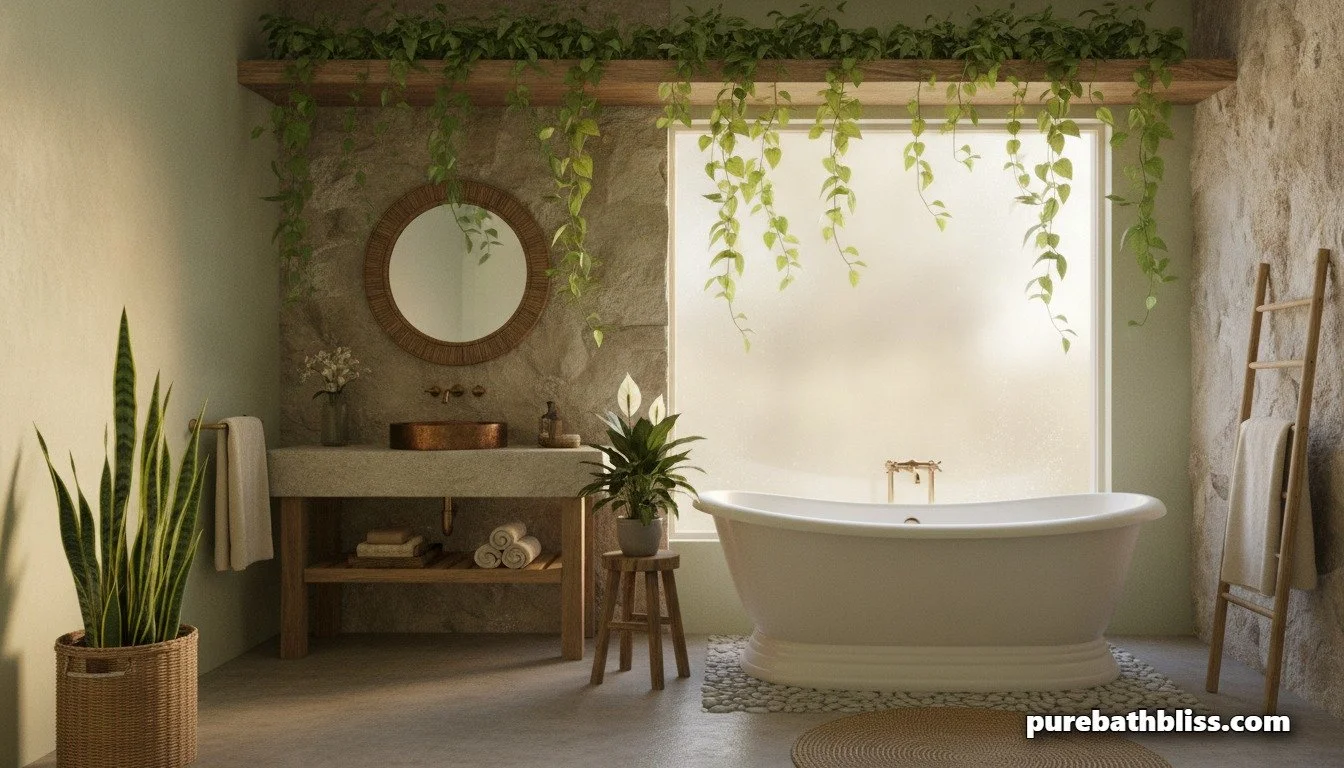
Beyond Aesthetics: 7 "Bio-Filter" Plants That Scrub Toxins From Your Bathroom Air
We spend a lot of time thinking about what we put on our skin in the bathroom. We're less likely to think about what we're breathing while we do it. The average bathroom contains a surprisingly high concentration of airborne chemicals — formaldehyde from toilet paper and paper products, benzene and xylene from synthetic fragrances and cleaning products, ammonia from conventional glass cleaners, and volatile organic compounds (VOCs) from hairsprays, dry shampoos, and aerosol deodorants. In a small, enclosed room with limited ventilation, these compounds build up quickly.
The standard response is an exhaust fan, which helps but doesn't address the compounds that off-gas continuously from products stored in the room. A second layer of defense that most people overlook is plants, specifically the category of tropical understory plants that evolved on jungle floors under dense canopy cover. These plants are adapted to exactly the conditions that describe most bathrooms: low light, high humidity, minimal airflow, and warm temperatures. And several of them actively absorb the specific compounds most commonly found in bathroom air.
We started adding plants to our bathrooms a few years ago, mostly for aesthetics. What kept us doing it was how much better the rooms felt. The air quality difference in a bathroom with two or three plants versus a bare one is noticeable even before you understand the chemistry behind it. Here are the seven we keep coming back to and why each one earns its spot.
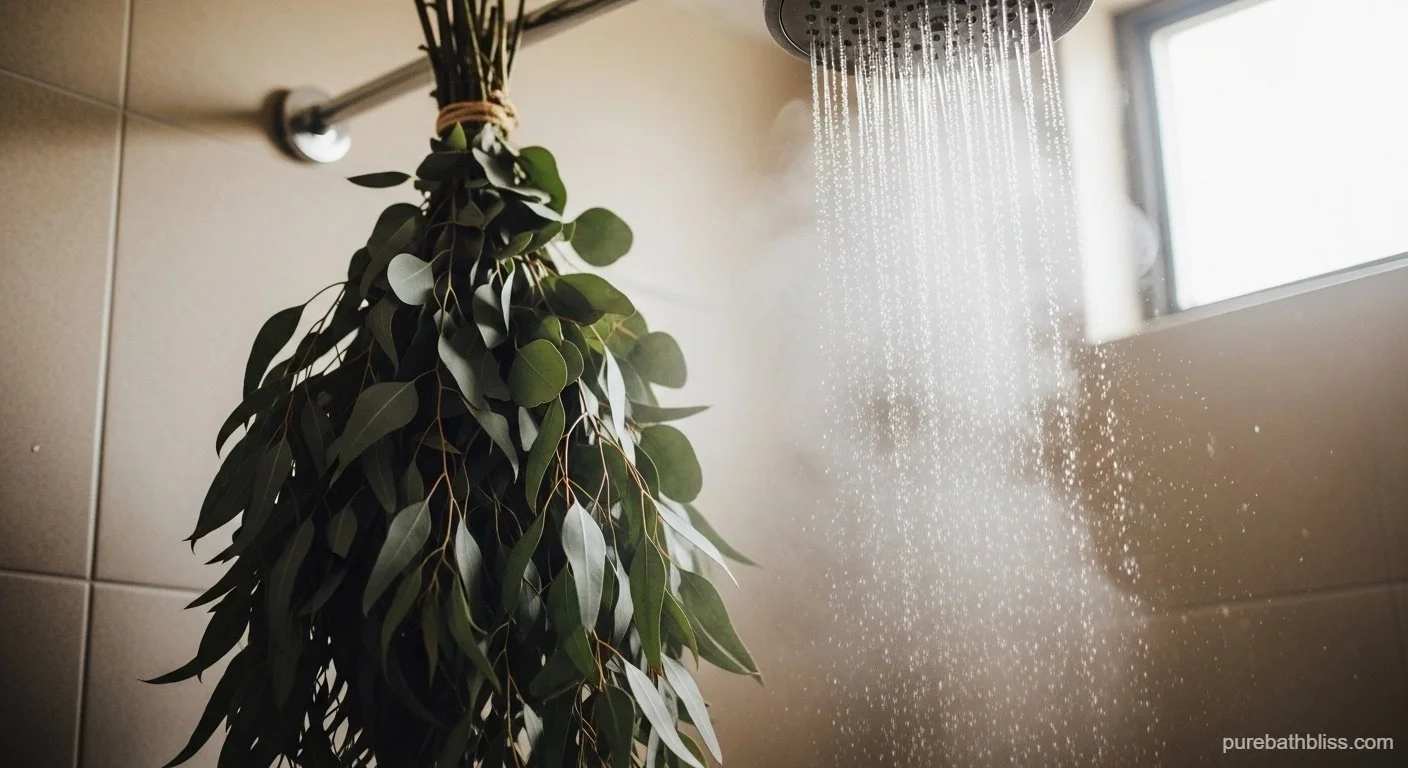
Why Everyone Is Hanging Eucalyptus in Their Shower (And How to Do It Correctly)
You’ve seen the photos: lush green eucalyptus cascading from a showerhead like a living chandelier. The steam rises, the scent hits, and suddenly your $80-a-month gym membership feels unnecessary.
It looks like pure decoration. It’s actually one of the simplest, most effective wellness upgrades you can make all winter.
When done right, a single $10 bundle turns every shower into an aromatherapy session that clears your sinuses, drops your blood pressure, and makes January feel bearable.
When done wrong it becomes a mold factory and a pet hazard.
Here’s exactly how to do it right.

Breathe Easy: The Ultimate Guide to Bathroom Air Quality, Ventilation, and Healthy Ambiance
Close your eyes and picture a "clean" bathroom. What do you smell?
For most of us, the answer is a cocktail of bleach, artificial pine, or "Ocean Breeze" air freshener. We have been conditioned to believe that a sterile, chemical scent equals hygiene. But the truth is, a truly clean bathroom smells like... absolutely nothing.
The air quality in your bathroom is arguably the most critical environmental factor in your home. It is a space where high humidity meets chemical cleaners, creating a "toxic soup" of Volatile Organic Compounds (VOCs) that can be more polluted than the air outside your front door.
This invisible threat doesn't just damage your lungs; it creates the perfect breeding ground for mold, which silently destroys your home’s infrastructure. If you have ever scrubbed black spots off your grout only to see them return a week later, you don't have a cleaning problem—you have an air problem.
True Pure Bath Bliss isn't just about a sparkling tub or organic cotton towels. It’s about the air you breathe while you soak.
This master guide is your blueprint for transforming your bathroom from a damp, chemical-laden box into a healthy lung for your home. We will break down the physics of ventilation (including the math most contractors get wrong), the strategy for banishing mold before it starts, and how to create a spa-like ambiance without toxic aerosols.
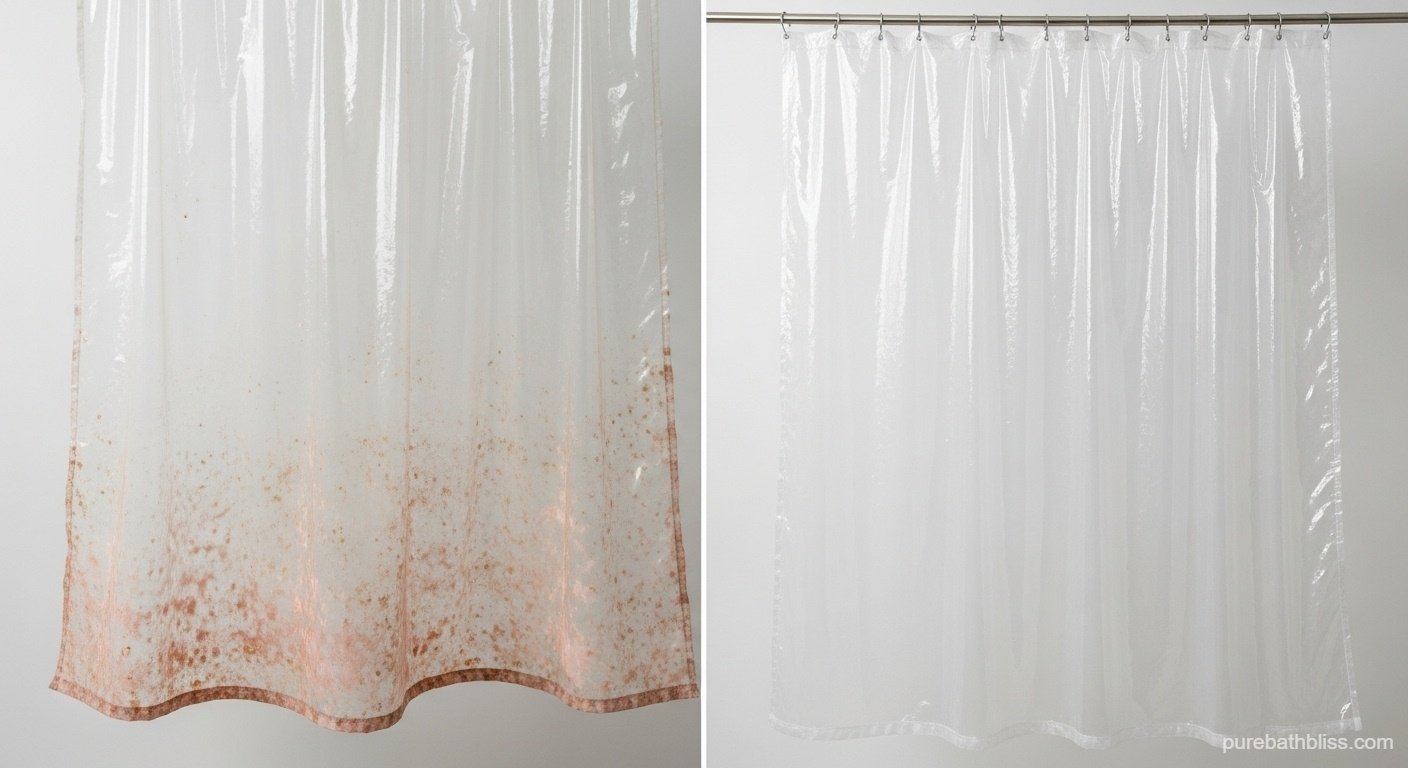
How to Naturally Clean Your Shower Curtain Liner (Without a Washing Machine)
You know the moment. You pull the curtain open and there it is: orange-pink slime marching up the bottom hem, black speckles in the folds, and a general cloudy haze that screams “replace me.” Most people rip it down, toss it in the trash, and buy another $6 plastic liner. But that liner isn’t trash yet—and throwing it away is literally sending non-recyclable plastic straight to landfill.
In 20 minutes, using ingredients you already have, you can make it look brand-new again. No washing machine, no bleach, no tears in the plastic.
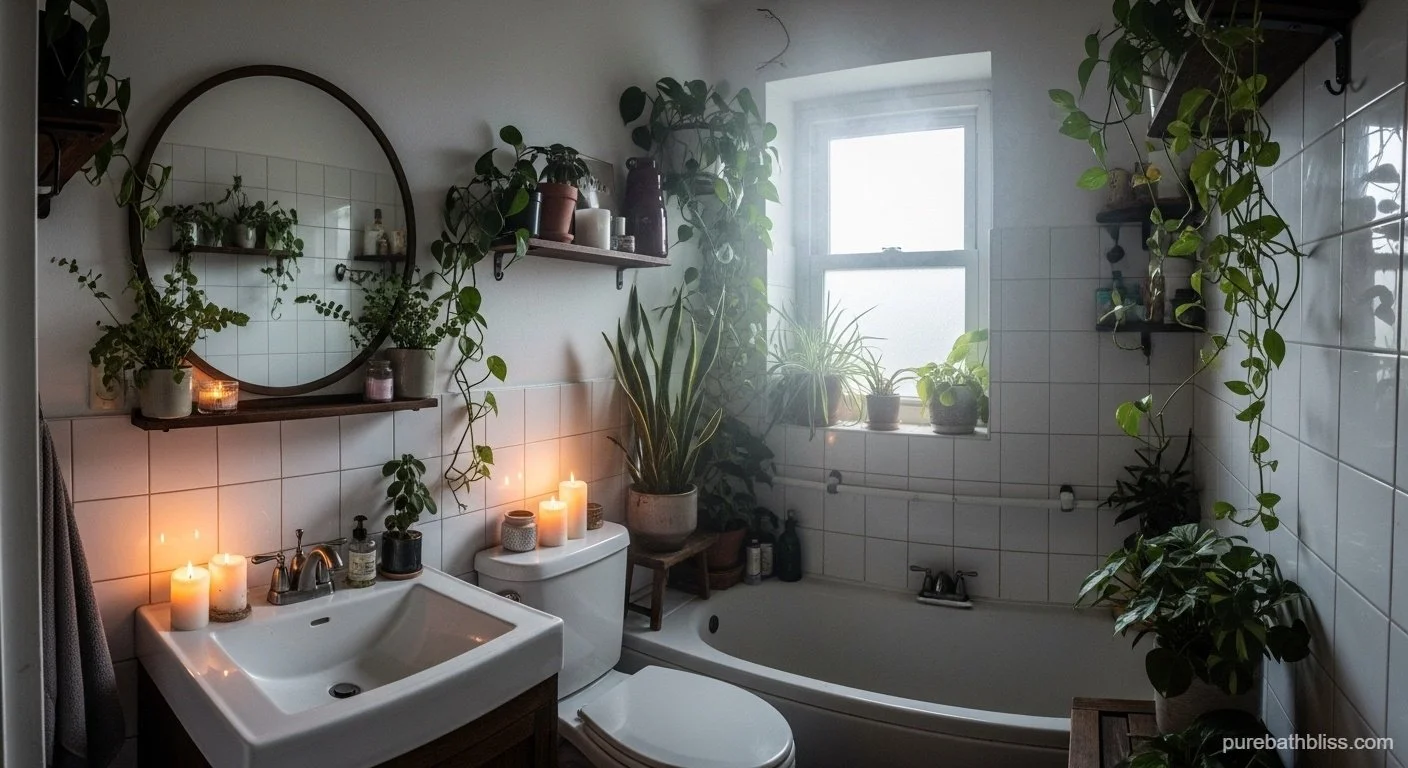
7 "Unkillable" Plants That Thrive in Your Windowless Bathroom (And Purify the Air)
You dream of a lush, spa-like bathroom dripping with plants… …then you remember your bathroom has zero windows, fluorescent lighting, and more steam than a rainforest. Most houseplants would file a complaint and die within a week.
But these seven don’t just survive in a dark, humid bathroom—they absolutely thrive there. They’re so tough you’ll think they’re fake (until they grow).