How to Get Rid of Musty Smells In Your Bathroom
There’s nothing quite as uninviting as stepping into a bathroom permeated by a musty, stale odor. This unpleasant smell is more than just an inconvenience; it often signals an underlying issue, typically related to moisture and the growth of mold or mildew. A musty bathroom can make your entire home feel less fresh and hygienic. But don't despair! With a systematic approach, you can identify the source, eliminate the existing smell, and implement long-term strategies to keep your bathroom smelling clean and fresh.
This comprehensive guide will walk you through everything you need to know to banish those musty odors for good, ensuring your bathroom is a pleasant and healthy space.
Identifying the Source of the Musty Smell
Before you can effectively get rid of a musty smell, you need to pinpoint its origin. Musty odors are almost always a tell-tale sign of moisture problems, which create the perfect breeding ground for mold and mildew. A thorough inspection is your first critical step.
Poor Ventilation
One of the most common culprits in bathroom odors is inadequate ventilation. Bathrooms are inherently damp environments. Hot showers and baths produce significant amounts of steam and humidity. If this moisture isn't properly expelled, it condenses on surfaces, leading to mold and mildew growth. Learn more about managing condensation in our guide: Why Is There Water on My Windows?
Check your exhaust fan: Is it working effectively? Is it being used consistently for at least 20-30 minutes after every shower or bath?
Look for stagnant air: Does your bathroom feel stuffy, even after a shower?
Observe condensation: Do mirrors, walls, or windows remain wet for extended periods after hot water use?
Mold and Mildew Growth
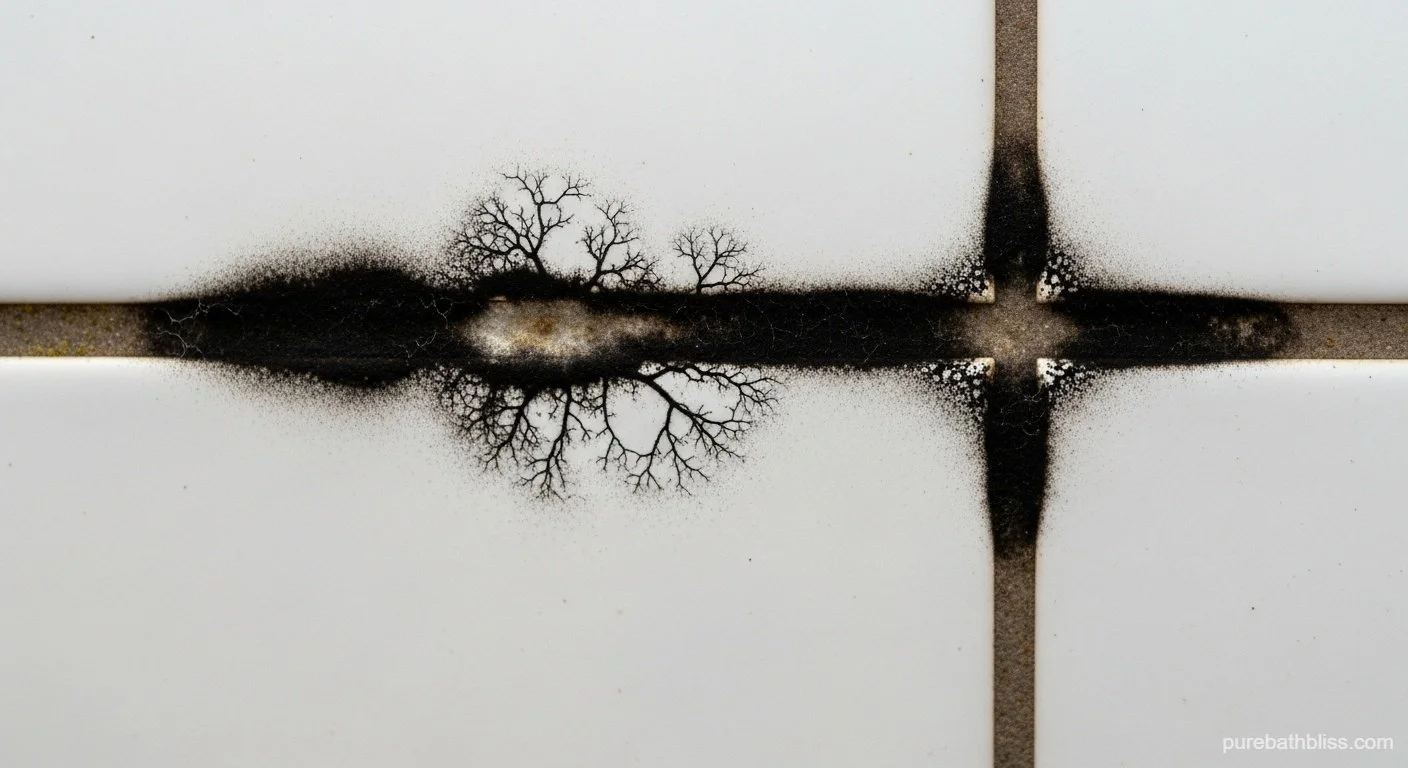
The musty smell is often the odor of active mold and mildew spores. These fungi thrive in damp, dark environments.
Visible signs: Inspect grout lines, caulk, shower curtains, walls (especially near the shower or tub), ceilings, and under sinks for black, green, or pinkish discoloration.
Hidden spots: Mold can also hide behind wallpaper, under flooring, or within wall cavities if there's a leak. Even if you don't see it, the smell can be pervasive.
Damp Towels and Laundry
Leaving wet towels, bathmats, or laundry piled up in the bathroom is an open invitation for musty odors. These items absorb and retain moisture, quickly becoming a haven for mildew.
Assess your towel habits: Are towels hung to dry properly, or do they remain damp for hours?
Check the laundry hamper: Is it overflowing with wet items?
Clogged or Infrequently Used Drains
Drains, especially those in sinks, showers, and tubs, can accumulate hair, soap scum, and other debris. This organic matter, combined with standing water, can decompose and create a foul, musty odor. If a drain isn't used frequently, the water in its P-trap can evaporate, allowing sewer gases to escape into your bathroom.
Sniff around drains: Do specific drains smell worse than others?
Observe drainage speed: Is water draining slowly?
Leaky Pipes or Fixtures
Even a small, slow leak can introduce enough moisture to create a musty environment. Water can seep into drywall, flooring, or cabinetry, fostering hidden mold growth.
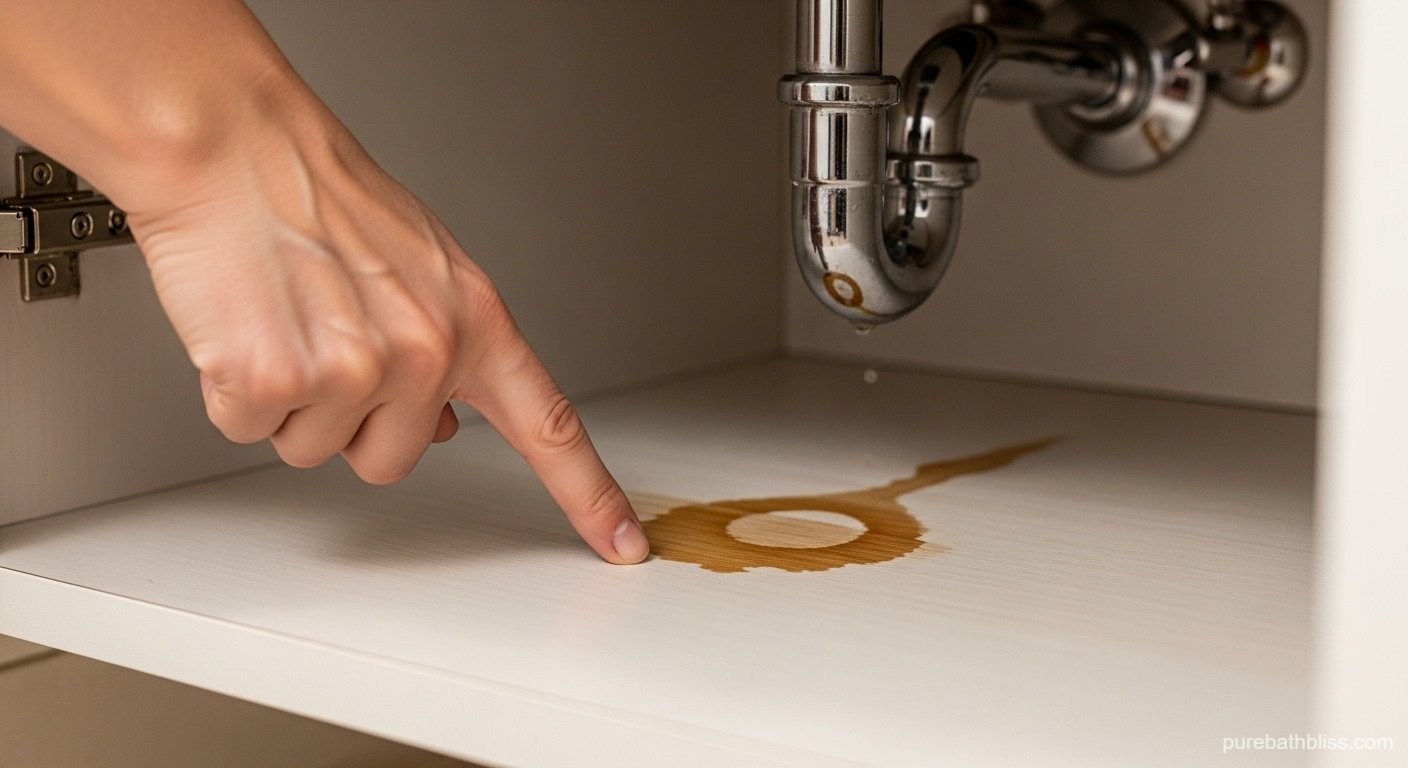
Inspect under sinks: Look for water stains or dampness on the cabinet floor or walls.
Check around the toilet base: Are there any signs of water leakage?
Examine shower/tub seals: Is water escaping past the caulk or seals when you shower?
Hidden Moisture Sources
Sometimes the source isn't obvious. Water can travel.
Behind walls: A pipe leak inside a wall can cause significant hidden mold.
Under flooring: Leaks from the toilet seal or shower pan can saturate subflooring.
Around windows: Poorly sealed windows can allow moisture to penetrate.
Absorbent Surfaces
Certain bathroom materials are more prone to absorbing moisture and odors.
Unsealed grout and caulk: These porous materials can absorb water and harbor mold.
Wood cabinetry: Untreated or damaged wood can soak up moisture.
Wallpaper: Some types of wallpaper can trap moisture behind them.
Immediate Action: Eliminating the Existing Musty Odor
Once you've identified the source (or suspect multiple sources), it's time to tackle the existing smell. This often involves a thorough cleaning and direct action against mold and mildew.
Deep Clean Everything
A comprehensive cleaning is essential to remove odor-causing bacteria and mold spores.
Surfaces (counters, sink, toilet, shower/tub): Use a good all-purpose bathroom cleaner. Pay extra attention to corners, edges, and fixtures where grime can build up. Disinfecting wipes are handy for quick clean-ups.
Walls and Ceilings: If you see any mold or mildew, clean these surfaces thoroughly. A solution of warm water and a small amount of bleach (1 part bleach to 10 parts water, never mix with ammonia!) can be effective on non-porous surfaces. For painted walls, a mix of white vinegar and water can work well. Ensure the area is well-ventilated during and after cleaning.
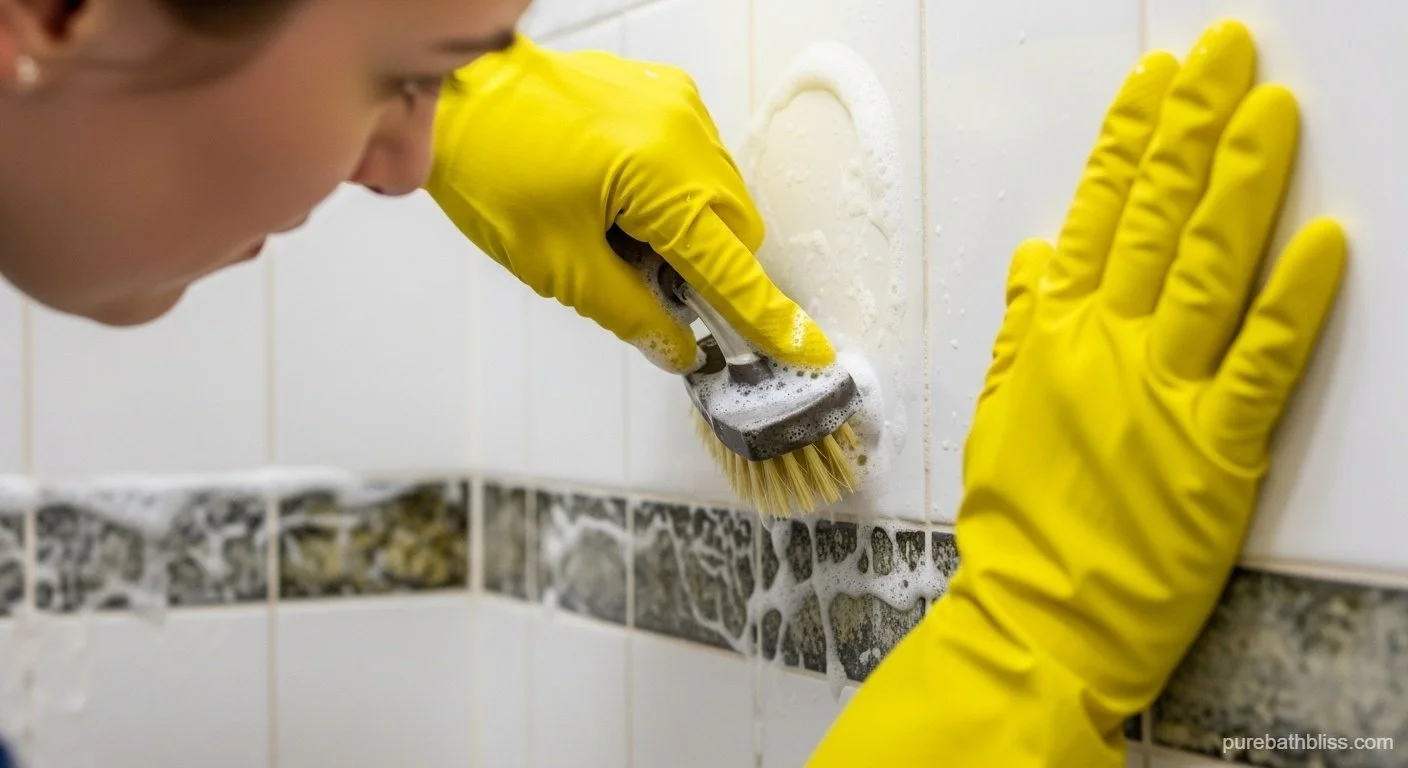
Grout and Caulk: These are prime locations for mildew. Use a stiff-bristled brush or an old toothbrush with a specialized grout cleaner, a baking soda paste, or a vinegar solution. For stubborn stains, hydrogen peroxide can be effective. If caulk is heavily molded or cracked, it's best to remove it and re-caulk for a proper seal.
Shower Curtains and Liners: These are often neglected. Wash fabric curtains according to their labels (many are machine washable). Vinyl liners can often be cleaned in the washing machine with a bit of detergent and vinegar on a gentle cycle, or scrubbed manually in the tub. If heavily molded, it's often more hygienic to replace them.
Flooring: Mop the floor thoroughly, ensuring you get into corners and under fixtures. If you have rugs or bathmats, wash them or air them out outdoors in the sun.
Address Mold and Mildew Directly
Target visible mold and mildew with specific treatments.
White Vinegar: An excellent natural fungicide and deodorizer. Spray undiluted white vinegar directly onto moldy areas, let it sit for at least an hour, then scrub and wipe clean.
Baking Soda: A powerful natural odor absorber and mild abrasive. Mix with a little water to form a paste and scrub moldy areas, or sprinkle dry baking soda on damp areas, let it sit, then vacuum or wipe away.
Hydrogen Peroxide: A good alternative to bleach for killing mold on many surfaces. Use a 3% solution, spray on the mold, let it sit for 10-15 minutes, then scrub.
Bleach (with caution): Effective on non-porous surfaces like tiles, but should be used sparingly and never mixed with other cleaners, especially ammonia. Dilute 1 cup of bleach in 1 gallon of water. Always wear gloves and ensure excellent ventilation.
When to Call a Professional: If you discover extensive mold growth (an area larger than 10 square feet), or if you suspect mold behind walls or under flooring, it's best to consult a professional mold remediation specialist. They have the expertise and equipment to safely remove mold without spreading spores.
Tackle Drains
Foul-smelling drains contribute significantly to musty bathroom odors.
Clean P-traps: For persistent drain smells, the P-trap (the U-shaped pipe under your sink) might need cleaning. This can be a DIY task if you're handy, or you can call a plumber.
Natural Drain Cleaner: Pour 1/2 cup of baking soda down the drain, followed by 1/2 cup of white vinegar. Let it sit for 30 minutes to an hour (or longer), then flush with hot water. The fizzing action helps loosen grime.
Enzyme Cleaners: These products use beneficial bacteria to break down organic matter in drains without harsh chemicals.
Regular Flushing: Even if a drain isn't used often, run water through it every few days to keep the P-trap filled and prevent sewer gases from entering.
Enhance Air Quality Temporarily
While you're cleaning, boost air circulation.
Open windows and doors: Create a cross-breeze to air out the space.
Use fans: Bring in a portable fan to help circulate air and speed up drying.
Air Purifiers: A HEPA filter air purifier can help remove airborne mold spores and other odor-causing particles. You can also use nature's air purifiers: 5 "Unkillable" Trees That Love Bathroom Steam.
Odor Absorbers: Place bowls of baking soda, activated charcoal, or coffee grounds in the bathroom for a day or two to absorb lingering odors.
Long-Term Solutions: Preventing Future Musty Smells
Once the immediate smell is gone, establishing preventative measures is key to keeping it from returning. This is where you address the root causes of moisture and poor air quality.
Improve Ventilation
Proper ventilation is the single most important factor in preventing musty bathroom odors.
Consistent Exhaust Fan Use: Make it a habit to turn on your exhaust fan before showering or bathing, keep it running during the activity, and leave it on for at least 20-30 minutes after you're done. This ensures all humid air is pulled out.
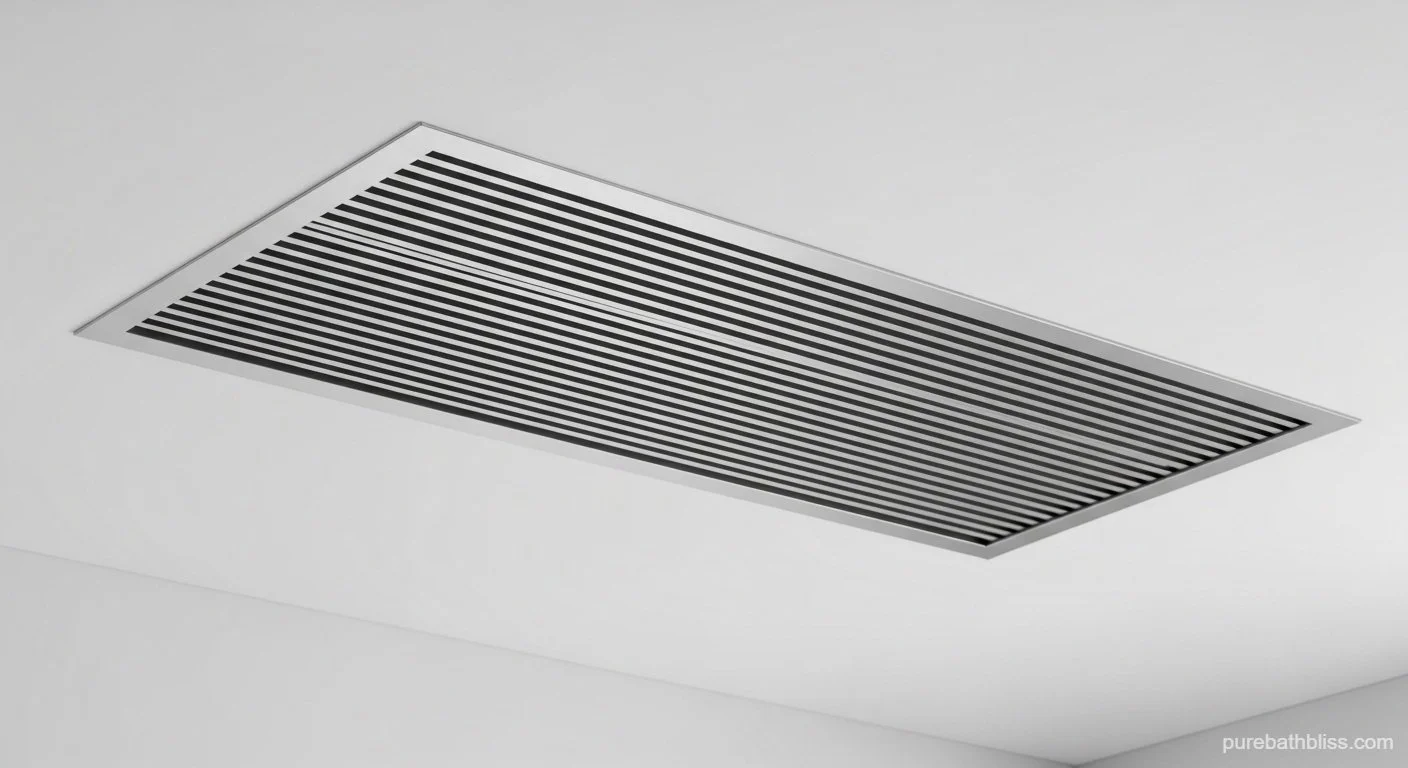
Fan Maintenance: Periodically clean the exhaust fan grille and blades. Dust and lint buildup can reduce its efficiency. Check that the vent leading outside isn't blocked.
Upgrade or Install a Fan: If your current fan is weak (loud but moves little air) or non-existent, consider upgrading to a more powerful, quieter model or installing one if your bathroom lacks mechanical ventilation. Look for fans rated for your bathroom's square footage.
Open Windows: Whenever possible, open a bathroom window for 15-30 minutes daily, especially after showering, to allow fresh air in and moisture out.
Control Humidity
Beyond ventilation, directly managing humidity levels is crucial.
Dehumidifiers: For bathrooms with persistent humidity problems, a small bathroom-sized dehumidifier can be highly effective. Run it as needed to maintain humidity levels below 50%.
Moisture Absorbers: Products like DampRid or small bags of silica gel can absorb excess moisture in closets or under sinks, though they are less effective for large-scale humidity control.
Wipe Down Surfaces: After showering, quickly wipe down shower walls, the tub, and even the floor to remove standing water and reduce drying time.
Manage Moisture Sources
Be proactive about anything that contributes to dampness.
Hang Towels Properly: Always hang towels and bathmats on a towel bar or hook where they can fully air dry. Avoid folding them or leaving them piled on the floor or in a hamper. If possible, hang them outside or in a well-ventilated area after use.
Don't Leave Wet Laundry: Remove wet clothes, hand washables, or bathmats from the bathroom as soon as possible and take them to the laundry room or hang them to dry elsewhere.
Fix Leaks Promptly: Address any dripping faucets, leaky pipes, or toilet base leaks immediately. Even small leaks can cause significant hidden mold problems over time. Check the caulking around your tub, shower, and sink regularly and replace it if it's cracked or pulling away.
Check for Hidden Leaks: Periodically inspect under sinks, around toilets, and at the base of your shower for any signs of water damage, even if you don't suspect a leak. A moisture meter can be a useful tool for this.
Regular Cleaning Routine
Consistency is key for prevention.
Frequent Cleaning: Establish a routine for cleaning your bathroom at least weekly, including wiping down all surfaces, cleaning the toilet, and mopping the floor.
Mold-Inhibiting Cleaners: Use bathroom cleaners that contain mold and mildew inhibitors.
Grout and Caulk Maintenance: Regularly clean grout and caulk. Consider sealing your grout annually to make it less porous and more resistant to moisture and mold.
Material Choices
When renovating or making purchases, choose materials that resist moisture.
Mold-Resistant Paint: Use paint specifically formulated for bathrooms, which often contains mildewcides.
Washable Shower Curtains: Opt for fabric shower curtains that can be regularly laundered. If using a liner, choose one that is easy to clean or replace.
Sealing Surfaces: Ensure all porous surfaces like natural stone or unsealed grout are properly sealed to prevent water absorption.
Natural Remedies and Eco-Friendly Approaches
For those who prefer to avoid harsh chemicals, several natural options can help keep your bathroom fresh.
White Vinegar: As mentioned, it's a powerful disinfectant and deodorizer. Keep a spray bottle of undiluted white vinegar handy for daily wipes or weekly deep cleans.
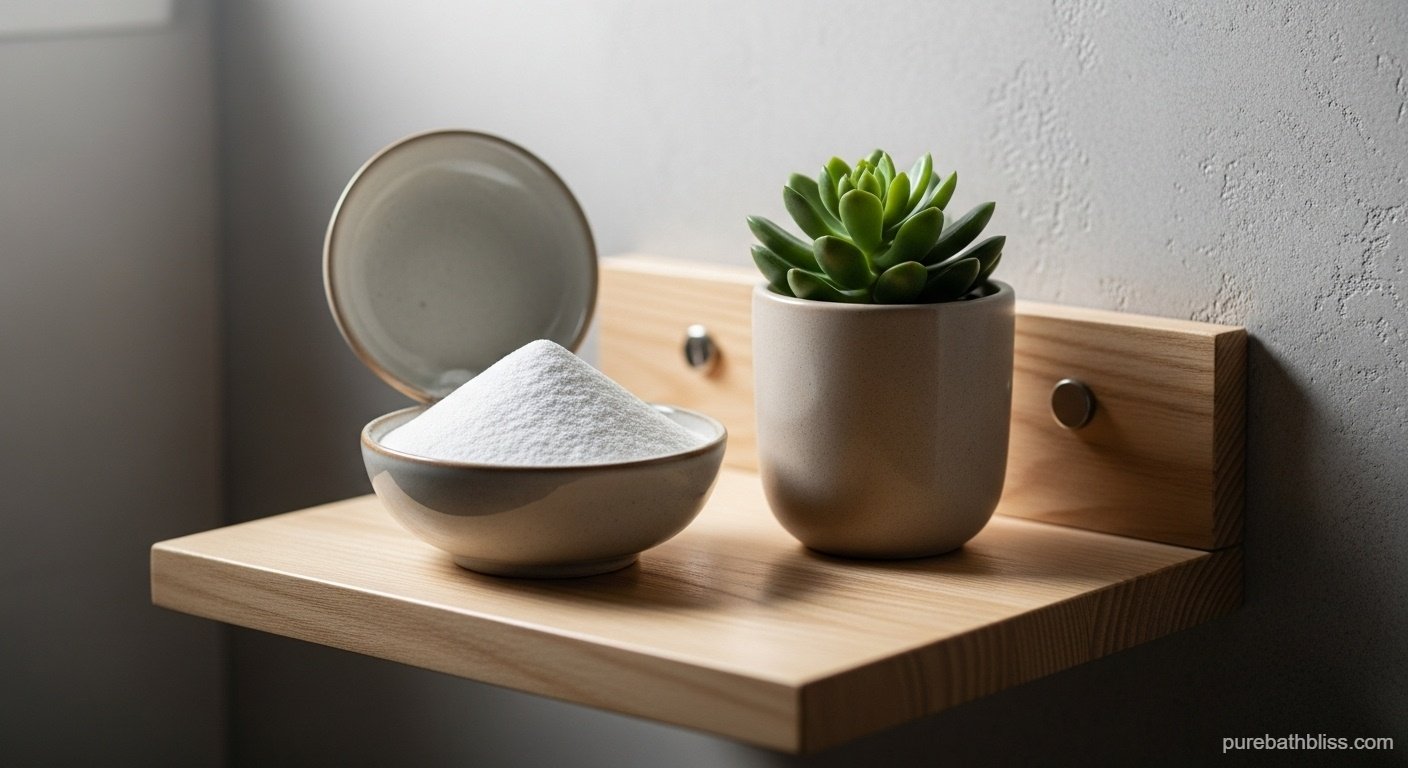
Baking Soda: A fantastic odor absorber. Place an open bowl of baking soda on a shelf to neutralize odors. Change it monthly. You can also sprinkle it on carpets or bathmats, let it sit, then vacuum.
Essential Oils: While they don't remove odors, essential oils like tea tree, lemon, eucalyptus, or peppermint can provide a fresh scent and some have antimicrobial properties. Add a few drops to your cleaning solutions or a diffuser. Tea tree oil is particularly known for its antifungal properties; add 10-15 drops to a spray bottle of water for a natural mold deterrent.
Activated Charcoal: Similar to baking soda, activated charcoal is highly porous and excellent at absorbing airborne odors. Place bags of activated charcoal in discreet locations.
Sunshine and Fresh Air: Nature's best deodorizers. Whenever weather permits, open windows wide and let the sunshine in. Sunlight is a natural disinfectant.
When to Call a Professional
While most musty smell issues can be resolved with DIY methods, there are situations where professional help is warranted.
Extensive Mold Growth: If you discover a large area of mold (more than 10 square feet) or suspect mold behind walls, ceiling, or under flooring, a mold remediation specialist is needed. They have specialized equipment to safely remove mold and prevent cross-contamination.
Persistent Leaks: If you've tried to fix a leak and it persists, or if you can't locate the source of a damp patch, a plumber can help diagnose and repair the issue. Unresolved leaks can lead to structural damage and significant mold.
Health Concerns: If anyone in your household is experiencing unexplained respiratory issues, allergies, or other health problems that worsen in the bathroom, it could be due to hidden mold. Consult a doctor and consider professional mold testing.
Exhaust Fan Issues: If your exhaust fan isn't working at all, or if you suspect electrical issues, it's safer to call an electrician.
Conclusion
A musty bathroom smell is an unmistakable sign that moisture has taken hold, often leading to unwelcome mold and mildew. By systematically identifying the source, thoroughly cleaning and treating affected areas, and then implementing consistent preventative measures, you can transform your bathroom into a fresh, inviting, and healthy space. Prioritize good ventilation, manage humidity, fix leaks promptly, and maintain a regular cleaning routine. With a little effort and attention, those musty odors will become a distant, unpleasant memory, ensuring your bathroom always smells as clean as it looks.