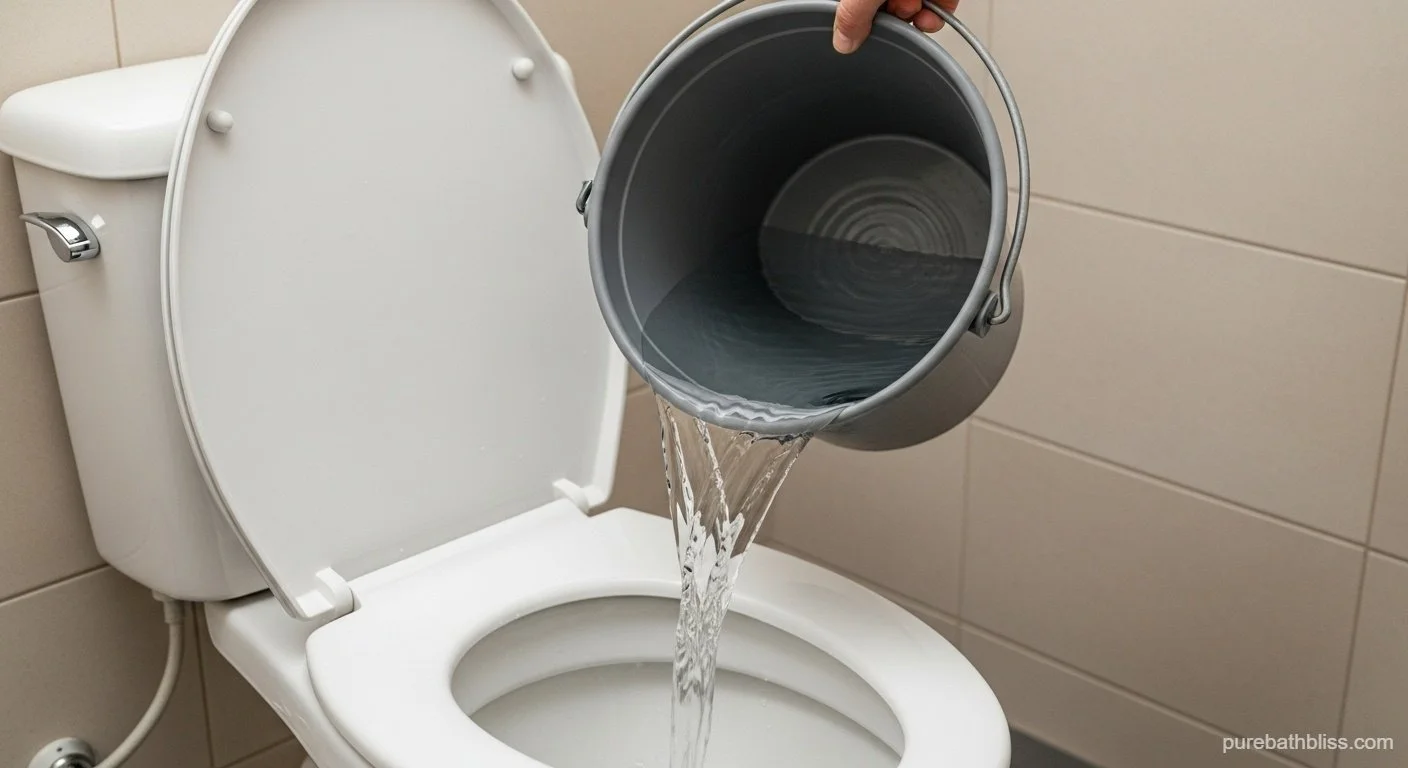
The Toilet Dye Test Decoded: How to Find and Fix the 3 Silent Leaks Wasting Your Water
It’s 2 a.m., and you hear it: a faint hiss… trickle… hiss. Or maybe you don’t hear anything at all. That’s the danger. Silent toilet leaks waste 200–4,000 gallons per day—enough to fill a swimming pool in a month.
One tiny flaw in your tank = $500+ down the drain yearly.
But here’s the relief: You can detect and fix it in under 30 minutes with zero plumbing skills. This guide hands you the foolproof dye test and three exact repairs that stop the bleed—immediately.

The Ultimate Bathroom Water Audit: Save Thousands of Gallons and Hundreds of Dollars Starting Today
Your bathroom is the biggest water hog in your home—30% of indoor use, according to the EPA. A single leaky toilet can waste 200 gallons daily. That’s 73,000 gallons yearly—enough to fill a backyard pool.
But here’s the truth: You can cut bathroom water use by 50–70% with simple audits, upgrades, and habits. No sacrifice. No complexity.
This 3,000+ word master guide walks you through every faucet, flush, and habit. You’ll find leaks, swap fixtures, and rewire routines—all while saving $300–$600/year and protecting the planet.
Let’s begin. Your water bill—and the environment—can’t wait.

The Paint Finish Showdown: Satin vs. Semi-Gloss—Which is Best for Your Bathroom?
You’ve likely experienced the frustration: choosing the wrong paint finish that turns your gorgeous coastal blue into a peeling, patchy disaster within months. The problem often starts, and ends, right here—with the sheen. While paint color gets all the attention, the finish is the single most critical decision you make for the longevity and health of your bathroom. The difference between a durable, wipeable surface and one that traps moisture and invites mold is literally a matter of gloss.
The finish is your final, non-negotiable line of defense against the relentless assault of steam, humidity, and splatters. This guide provides the necessary comparison, empowering you to move past guesswork and select the finish that is functionally superior for your space. We're diving deep into the performance metrics of the three viable contenders: Satin, Eggshell, and Semi-Gloss.

How to Sew Reusable Makeup Remover Pads (Zero Waste, 100 Washes)
Every year, billions of cotton rounds end up in landfills, bleached and packed with microplastics—sew your way to zero-waste with reusable pads that last 100+ washes. From old flannel and bamboo terry, craft 12 ultra-soft pads for under $3, saving 1,200 disposables and countless dollars. This 30-minute project yields machine-washable circles that gently remove makeup with just water or oil; no harsh removers are needed. Ideal for daily routines, overnight travelers, or gifting eco-beauty sets. Infuse with charcoal for deep cleansing or double-layer for extra absorbency. Store in a jar, wash weekly, and enjoy two years of flawless, friction-free removal. Transition seamlessly: wipe, rinse, repeat—your skin stays soft, sewers stay clear of fibers, and trash bins stay empty. Empower your vanity with sustainable swaps that feel luxurious and perform better. Stitch up sustainability and wipe away waste forever. These pads aren't just eco-friendly; they're skincare superheroes, exfoliating gently while cutting costs and clutter.

Is Your Hair Dryer a Fire Hazard? Pro Tips for Cleaning Lint and Extending Appliance Life
You flick on your hair dryer and catch it: a faint burning smell. Or maybe it’s the high-pitched whine as the motor strains. You shrug—it’s fine, right?
Wrong.
That smell? Lint smoldering inside the heating coil. That whine? A motor fighting for its life.
According to the U.S. Fire Administration, hair dryers cause over 1,200 home fires annually—most from clogged filters. One spark in a lint-packed vent can ignite in seconds.
But here’s the good news: 5 minutes of maintenance eliminates the risk, saves you $80–$200, and doubles your dryer’s lifespan.
This guide delivers the urgent, zero-waste protocol to keep your appliances safe, efficient, and out of the landfill.

The Hidden Hazard: Why You Must Use Low-VOC Primer in High-Humidity Rooms (And Our Top 3 Picks)
You’ve prepped your bathroom walls meticulously—cleaned every speck of soap scum, patched every ding, and taped crisp lines. You roll on a premium eco-friendly paint in a serene spa blue. It looks perfect… for about six weeks. Then the nightmare begins: bubbles form along the edges, paint peels in sheets, and black mildew spots bloom like a horror movie. The culprit? Skipping primer—or worse, using the wrong kind.
In high-humidity rooms like bathrooms, primer isn’t optional—it’s your non-negotiable moisture shield and health barrier. It’s the invisible foundation that locks paint in place, blocks mold from feasting on your drywall, and keeps toxic fumes out of your lungs. Skip it, and you’re gambling with your time, money, and family’s well-being.
This guide exposes the hidden hazards of traditional primers and arms you with the knowledge to choose low-VOC, mold-blocking formulas that deliver professional results. You’ll discover why primer is the smartest $30–$50 you’ll spend on your project—and our top 3 picks that outperform the rest.

The Ultimate Guide to Non-Toxic Caulk: Sealing Your Tub Without the Harmful VOCs
You’ve seen the horror: black, crusty caulk peeling away from your tub like old tape. Beneath it? Soggy drywall, mold colonies, and the faint smell of rot. That failed seal didn’t just ruin your bathroom’s look—it invited water behind the walls, where it silently destroys structure and air quality for years.
Caulk isn’t cosmetic—it’s your home’s final moisture firewall. One cracked bead = thousands in water damage. One moldy joint = respiratory risk for your family.
This guide cuts through the confusion to deliver the non-negotiable truth: only 100% silicone, low-VOC caulk belongs in a bathroom. We’ll show you why, how, and which brands to trust—so your seal lasts 20+ years, toxin-free.

7 Best Eco-Friendly Paints for Humid Rooms
Painting a bathroom or any high-humidity space is a balancing act: you want a finish that resists mildew, wipes clean, and doesn’t off-gas toxins every time you take a steamy shower. Unfortunately, most conventional paints fail on at least one of these fronts—peeling within a year, trapping moisture, or releasing VOCs that linger in the air long after the brush is dry. The good news? Eco-friendly paints have evolved far beyond their early “granola” reputation. Today’s top formulas deliver professional-grade durability, zero harmful emissions, and colors that pop—without sacrificing your health or the planet.
In this guide, we’ve tested and vetted the 7 best eco-friendly paints specifically engineered for humid rooms. Each one earns its spot through real-world performance in steamy bathrooms, laundry rooms, and spas. Whether you’re a DIY beginner or a seasoned renovator, you’ll walk away knowing exactly which paint to choose—and why it’s worth every penny.
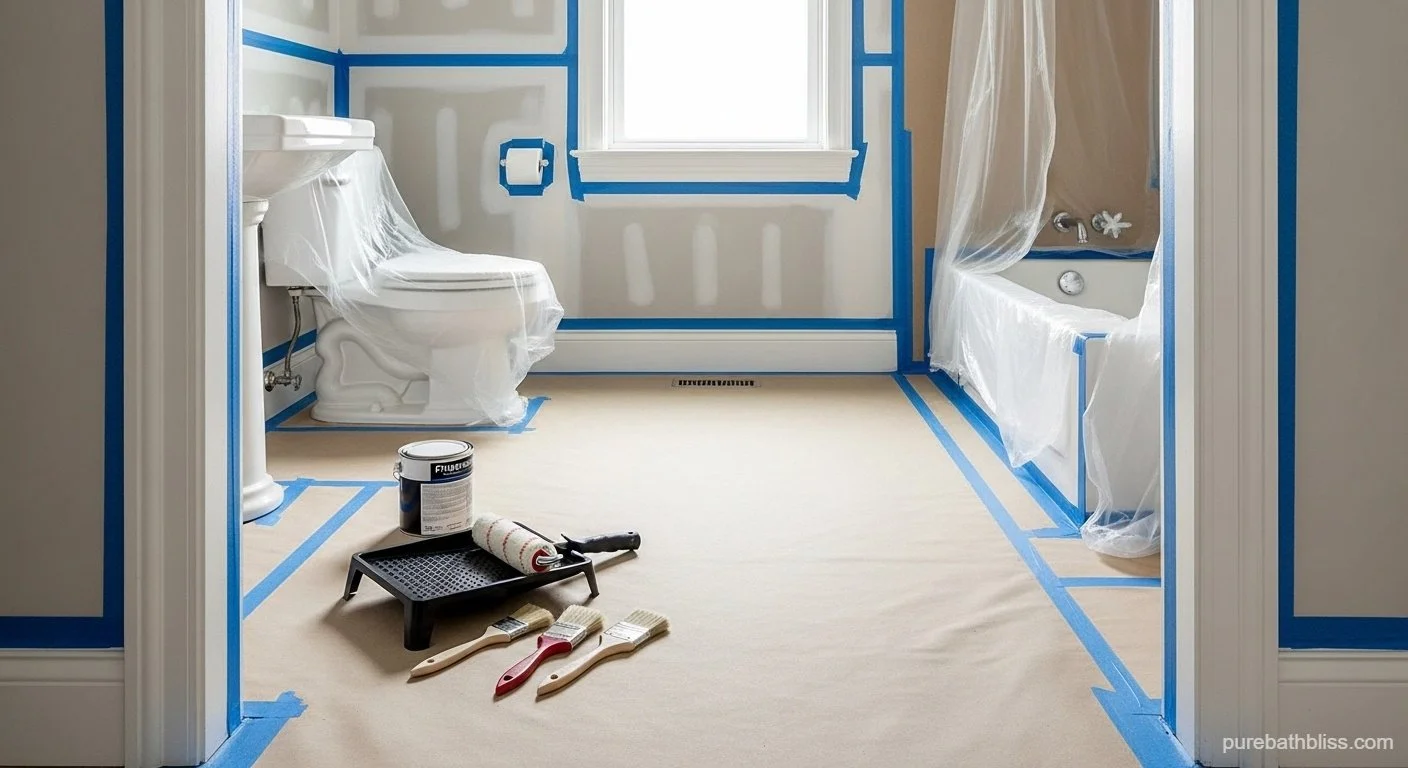
The Prep Secrets Pros Swear By: A Non-Toxic Guide to Cleaning and Repairing Bathroom Walls
Imagine rolling on a fresh coat of paint, only to watch it bubble, peel, or sprout mildew within weeks. That nightmare almost always starts with one fatal mistake: skipping the prep. In a bathroom, where steam, soap scum, and hidden mold lurk behind every tile, preparation isn’t optional—it’s 80% of the job. Skip it, and even the best eco-friendly paint will fail.
But here’s the good news: you don’t need harsh chemicals or toxic fumes to get pro-level results. This guide walks you through every non-toxic, eco-friendly step to clean, repair, and protect your bathroom walls before painting. You’ll eliminate soap scum, kill mold naturally, seal cracks, and create a flawless canvas that locks in your paint for years.

DIY Clay & Oat Face Mask Bar (Zero Waste, 30 Uses)
My wife has been into natural skincare for years, and for most of that time our bathroom counter had a rotating cast of glass and plastic jars, half-used tubs of clay mask, and little pump bottles of serums that cost more than they should. We were spending real money on products that were mostly water, preservatives, and packaging.
A while back she started making her own face masks from scratch, which I was skeptical about at first. But after watching her mix up batches that worked just as well as the store bought stuff, and then seeing how much less waste we were producing, I got curious about whether you could take it further. Could you make a solid bar version that doesn't need to be refrigerated, travels easily, and lasts for months? Turns out, yes you can.
These clay and oat face mask bars are now a staple in our bathroom. One batch makes three bars, each bar gives you about ten uses, and the whole thing costs maybe a dollar fifty to make. That's thirty full face treatments for less than the price of a single-use sheet mask. Here's exactly how to make them.

Post-Bath Baby Skincare and Eco-Friendly Towels: What Actually Works
Most of the work in a baby's bath routine happens after the bath ends. The towel material, the drying technique, and the moisturizer you apply in the first three minutes after lifting your baby out make a bigger difference to skin health than almost anything that happens in the water. Here is the complete post-bath guide, from towel certifications to the soak and seal method.
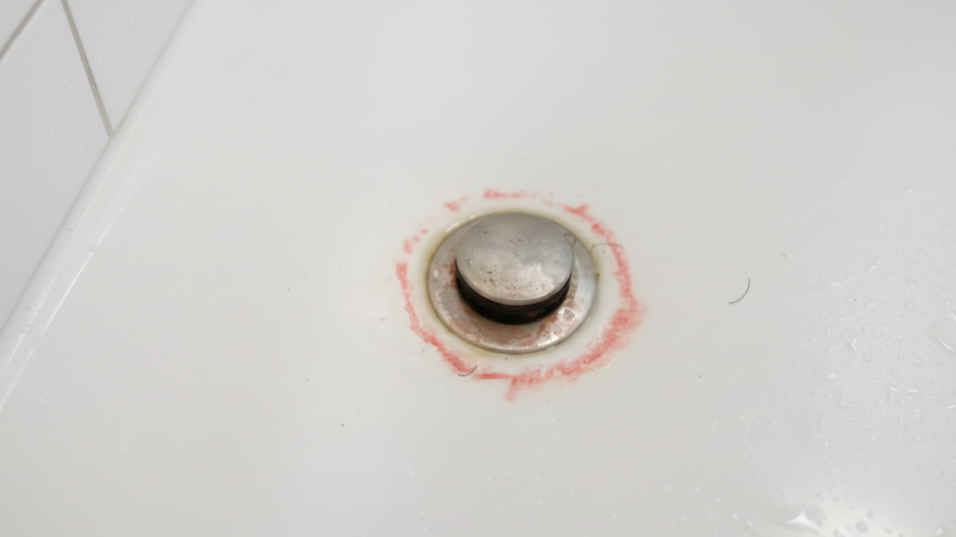
What Is the Red Stuff in Your Shower? Serratia Marcescens, Why It Keeps Coming Back, and How to Actually Get Rid of It
The reddish-pink or orange film appearing around your shower drain, on grout lines, and at the toilet waterline is not mold. It is Serratia marcescens, an airborne bacterium that produces a pigment called prodigiosin and colonizes bathroom surfaces by forming a biofilm. Wiping it away removes the visible colour but leaves the biofilm matrix intact, which is why it comes back within days of cleaning. Here is the science behind it, the treatment that actually disrupts the biofilm, and the two habits that prevent it from returning.
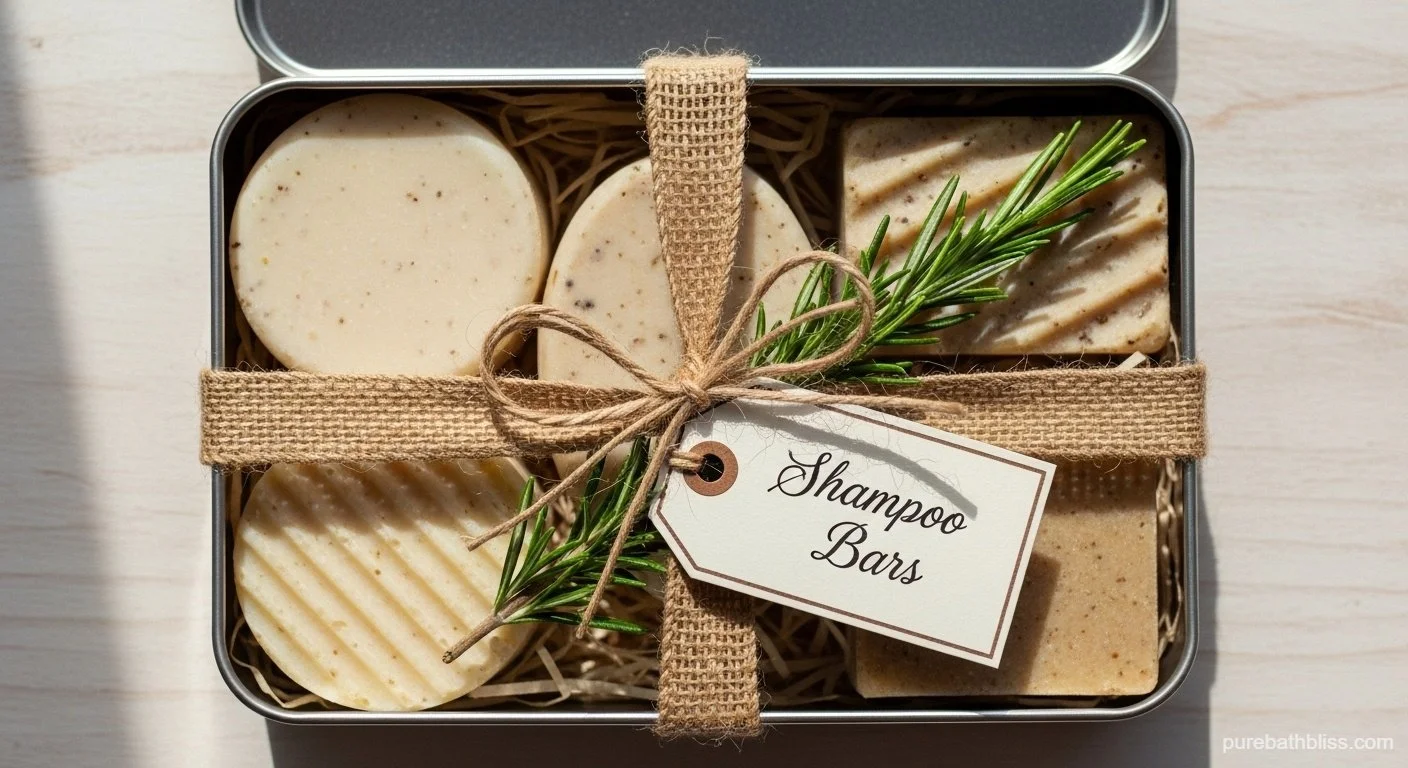
DIY Solid Shampoo Bars: How to Make Them, Why They Work, and the Transition Period Nobody Warns You About
A solid shampoo bar made from saponified plant oils and castile soap replaces three plastic bottles, lasts up to 80 washes, costs under $2 per bar to make, and is TSA-friendly. It also comes with a two to four week scalp transition period that most DIY shampoo bar guides either minimise or deny entirely. Here is the complete recipe, the science behind the transition, and the specific techniques that make it through that window without giving up on the bar.

Baby Bath Water: The Complete Guide to Safe Temperature, Chlorine, and Water Purity
Baby bath water safety involves two distinct concerns that most guides treat separately but that are closely related: the temperature that prevents scalding while keeping the baby warm enough, and the chemical composition of the water that contacts the most permeable skin in the household. Here is the complete guide to both, including the specific temperature range, how to test it reliably, what chlorine does to developing baby skin, and the filtration options worth considering at different budgets.
Not the temperature, though that matters enormously. The chemistry of the water. What is in it, what it does to skin that is three times thinner and significantly more permeable than adult skin, and why a baby who has been bathed twice a week in regular tap water can end up with persistent dryness and irritation that parents spend months trying to solve with creams and products when the solution was the water all along.
By our fourth child, bath time was calm and informed. This guide covers everything we learned, including what the American Academy of Pediatrics and Mayo Clinic actually say about temperature, the specific chemistry that makes chlorinated tap water problematic for infant skin, and the practical filtration options that make a real difference without requiring a whole-house plumbing overhaul.

Are Bath Bombs Good for Your Skin? The Honest Guide to What They Do, What to Avoid, and Which Ones Are Worth Using
Whether bath bombs are good for your skin depends entirely on what is in them. A bath bomb made from colloidal oatmeal, carrier oils, and essential oils can genuinely soothe, moisturize, and support the skin barrier. A bath bomb made from synthetic fragrance, artificial dyes, and SLS can disrupt the acid mantle, trigger contact dermatitis, and introduce endocrine-disrupting phthalates through prolonged skin contact. Here is what the research says about each ingredient category and how to read a bath bomb label in sixty seconds.
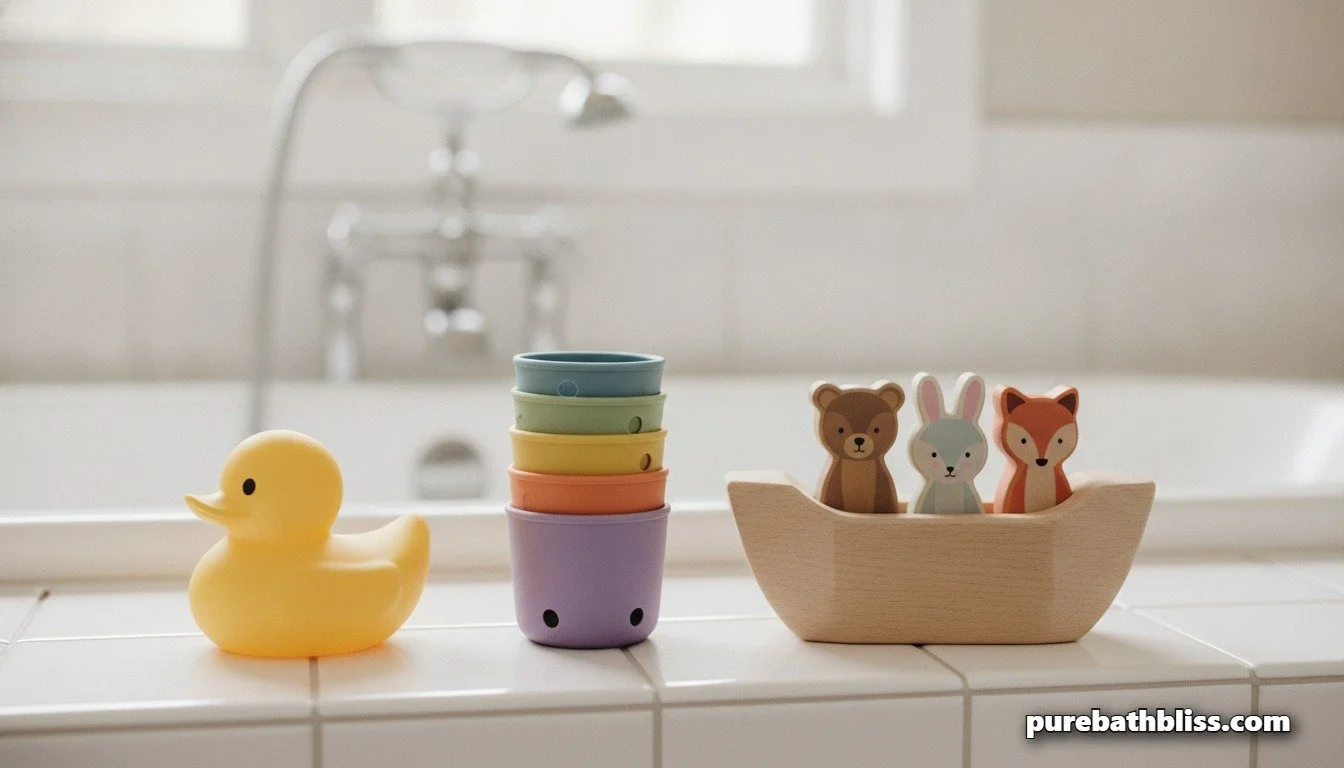
How to Choose Baby-Safe Bath Toys: The Complete Non-Toxic Buying Guide
The bath toy aisle looks harmless. Bright colours, friendly shapes, affordable prices. What most parents do not know is that the majority of conventional bath toys are made from materials that leach chemicals into warm water and are designed in ways that guarantee mold growth inside them. This guide covers what to look for, what to avoid, and the best non-toxic options available right now.
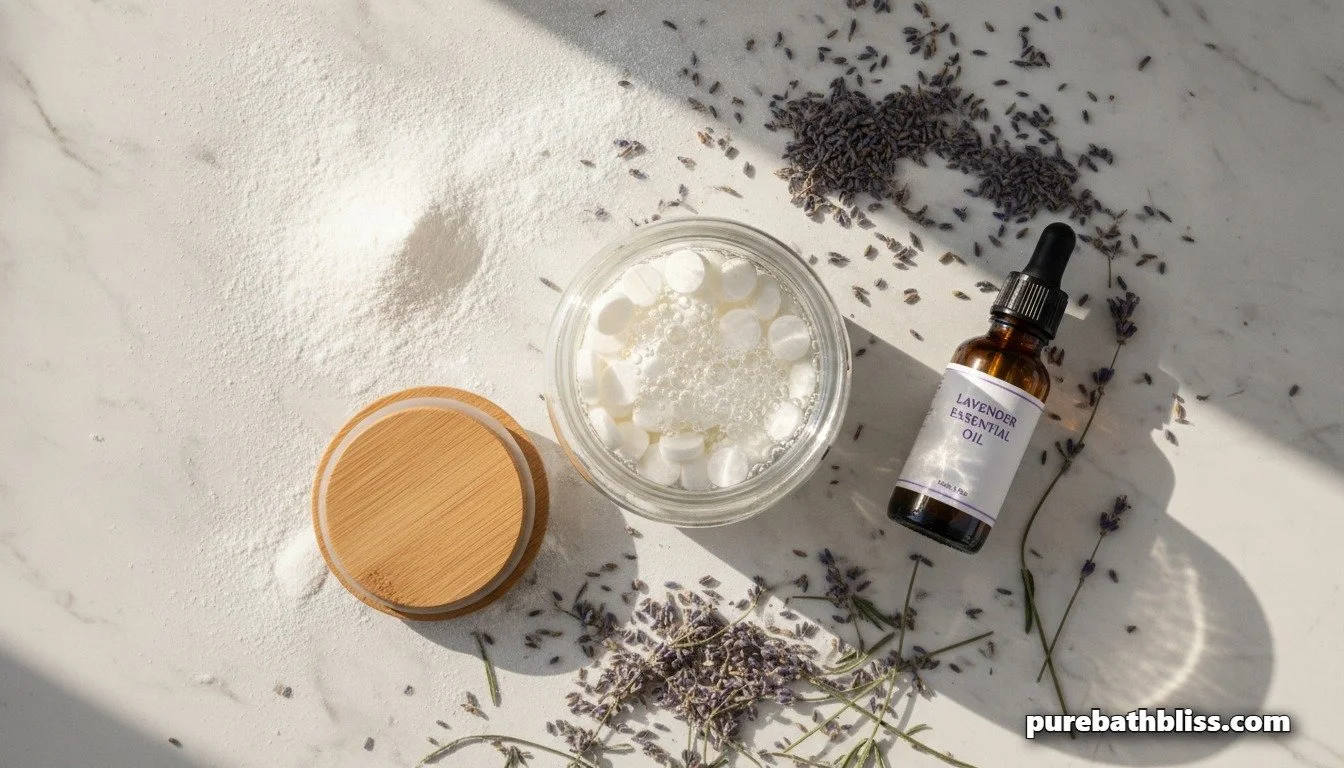
DIY Zero-Waste Toilet Bombs That Dissolve Grime (And Smell Like a Spa)
I'll be honest about how this started. A few years ago I was standing in the cleaning aisle at the grocery store, staring at a plastic jug of blue toilet cleaner, doing the math. Six dollars a bottle, roughly two bottles a month across four bathrooms, twelve plastic jugs a year heading to a landfill. And I hadn't even thought about what was actually in the stuff, synthetic fragrance, hydrochloric acid, bleach derivatives. We were pouring that into our toilets and flushing it into the water system every single week.
I put the jug back and went home and started experimenting. What I landed on were these toilet cleaning bombs, small, dense little tablets made from baking soda and citric acid with essential oils pressed into them. You drop one in the bowl, it fizzes for a few minutes, you give it a light brush, and you flush. The toilet comes out genuinely clean, smells incredible, and the whole thing cost me about eighteen cents.
I've been making them ever since. One batch takes about twenty minutes and makes twenty-four bombs, roughly a month's supply for our household. Here's exactly how to make them.

My Baby Drank Bathwater: Will She Be OK? What to Do Right Now and When to Call the Doctor
The moment a baby swallows bathwater is one of the most common bath time panics and almost always resolves without any intervention. What actually determines the risk is not the water itself but what was dissolved in it. Here is the honest breakdown of what different bath products do if swallowed in small amounts, the specific symptoms that genuinely warrant a call to the doctor, and what to do right now if it just happened.

Homemade Citrus Peel All-Purpose Cleaner (Zero Waste, 10 Cents Per Bottle)
Kitchen scraps like orange peels often rot in landfills, releasing methane; infuse them into a powerhouse cleaner that degreases counters for 100+ sprays without VOCs or plastic bottles. This 10-minute recipe yields 32 oz of golden elixir from vinegar and peels, costing 10 cents per bottle and saving six plastics yearly. Non-toxic, septic-safe, and scented like fresh citrus, it cuts grime on sinks, glass, or floors; dilute for mopping or concentrate for ovens. Collect peels weekly, steep for two weeks, strain into reused glass, and shake for shine. Customizable with lemon oil boosts or herbal twists, it's kid- and pet-friendly, outperforming $8 store sprays. Refill endlessly, travel in mini bottles, or gift kitchen kits. Every spray banishes synthetic fumes, lightens shipping weight (no water hauled), and turns waste into wizardry. Inhale bliss, wipe effortlessly, and join the peel-to-power movement for homes that sparkle inside and out.
Why Does My Bathroom Smell? 7 Causes and Exactly How to Fix Each One
There is a specific kind of frustration that comes from a bathroom that smells bad even though you just cleaned it. You have wiped down every surface, scrubbed the toilet, bleached the grout, and the moment you close the door and come back twenty minutes later, that smell is still there. It is one of the most common complaints I hear from homeowners, and the answer is almost always the same: you were cleaning the surfaces, but the smell is coming from somewhere else entirely.
Bathroom odors have specific sources. Each source has a specific smell, a specific location, and a specific fix. Once you know what to look for, diagnosing the problem is usually straightforward and the fix is almost always something you can handle yourself without calling a plumber.
Here are the seven most common causes of bathroom odor, how to tell which one you are dealing with, and exactly what to do about each one.