Originally published Nov 14, 2025 · Updated September 30, 2026
Transparency Note: We independently select these products based on research and user reviews. If you buy something through our links, we may earn a commission.
At some point I started paying attention to how many disposable cotton rounds were going into our bathroom bin every week. Between the makeup removal routine, the skincare routine, and the occasional nail polish situation, we were going through a pack every couple of weeks. Every one of those rounds is single use, most of them bleached white with chlorine and treated with synthetic finishes to give them that smooth-pressed appearance in the packaging, and every one of them goes straight to landfill after thirty seconds of use.
Making reusable pads from bamboo terry and organic flannel was one of those projects that felt like it should be complicated and turned out to be genuinely simple. A batch of twelve pads takes about thirty minutes of sewing time and a quarter yard each of two fabrics. The resulting pads are softer than any disposable cotton round, more effective at removing makeup because the terry texture provides gentle physical exfoliation alongside the removal, and fully machine washable. After a year of daily use with the right washing protocol they are essentially unchanged.
Here is the complete guide covering why the specific fabric combination matters for facial skin contact, the cutting and sewing method, the variations worth knowing, and the care protocol that actually gets 100 washes out of them rather than the pads degrading and pilling after twenty.
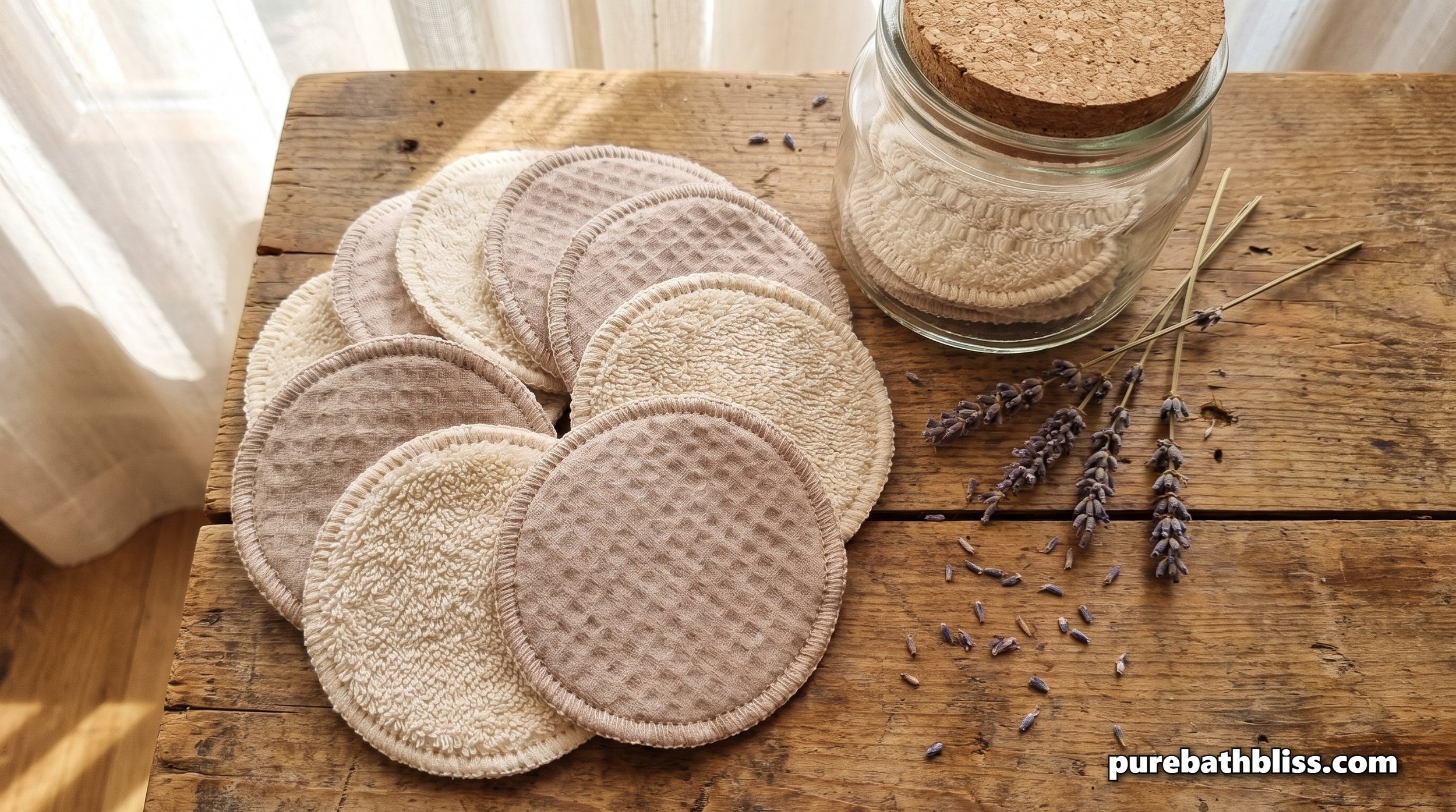
Why the Fabric Combination Matters
The two-layer construction using different fabric types on each side is not purely aesthetic. The bamboo terry and organic flannel combination produces a pad that does two different things depending on which side you use, which makes each pad significantly more versatile than a single-fabric version.
Bamboo terry is the ideal surface for makeup removal because its loop pile structure physically lifts makeup, sunscreen, and skin debris away from the skin surface without requiring pressure. The loops create a large surface area relative to the flat diameter of the pad, which means more contact between the fabric and the skin per pass. Bamboo fiber is also naturally antimicrobial due to a bio-agent called bamboo kun that remains present in the fiber even after processing into fabric, which reduces bacterial growth between washes compared to conventional cotton terry. The fiber itself is significantly finer than conventional cotton terry, which is what gives bamboo terry its characteristic softness and why it is less abrasive against facial skin than the rough terry of a conventional facecloth.
Organic flannel is the right choice for the second side because its fine brushed surface is the gentlest possible fabric against facial skin after exfoliation or on days when the skin is sensitive. Unbleached organic flannel specifically avoids the chlorine bleaching process that conventional flannel undergoes, which is relevant for a fabric in sustained daily contact with facial skin. The chlorine bleaching of conventional cotton removes natural waxes from the fiber and can leave residual chlorine compounds in the fabric that are in contact with skin during use. Unbleached organic flannel has none of those residues and a softer hand than bleached equivalents because the natural fiber waxes remain intact.
The combination of bamboo terry on one side and organic flannel on the other gives a single pad two use cases: terry side for effective makeup removal and gentle exfoliation, flannel side for toner application, micellar water, or any step where softness and zero abrasion is the priority. This is why a batch of twelve pads covers a full week of twice-daily use, seven days times two uses per day equals fourteen uses, with a couple of pads spare for the wash cycle overlap.
Materials and Tools
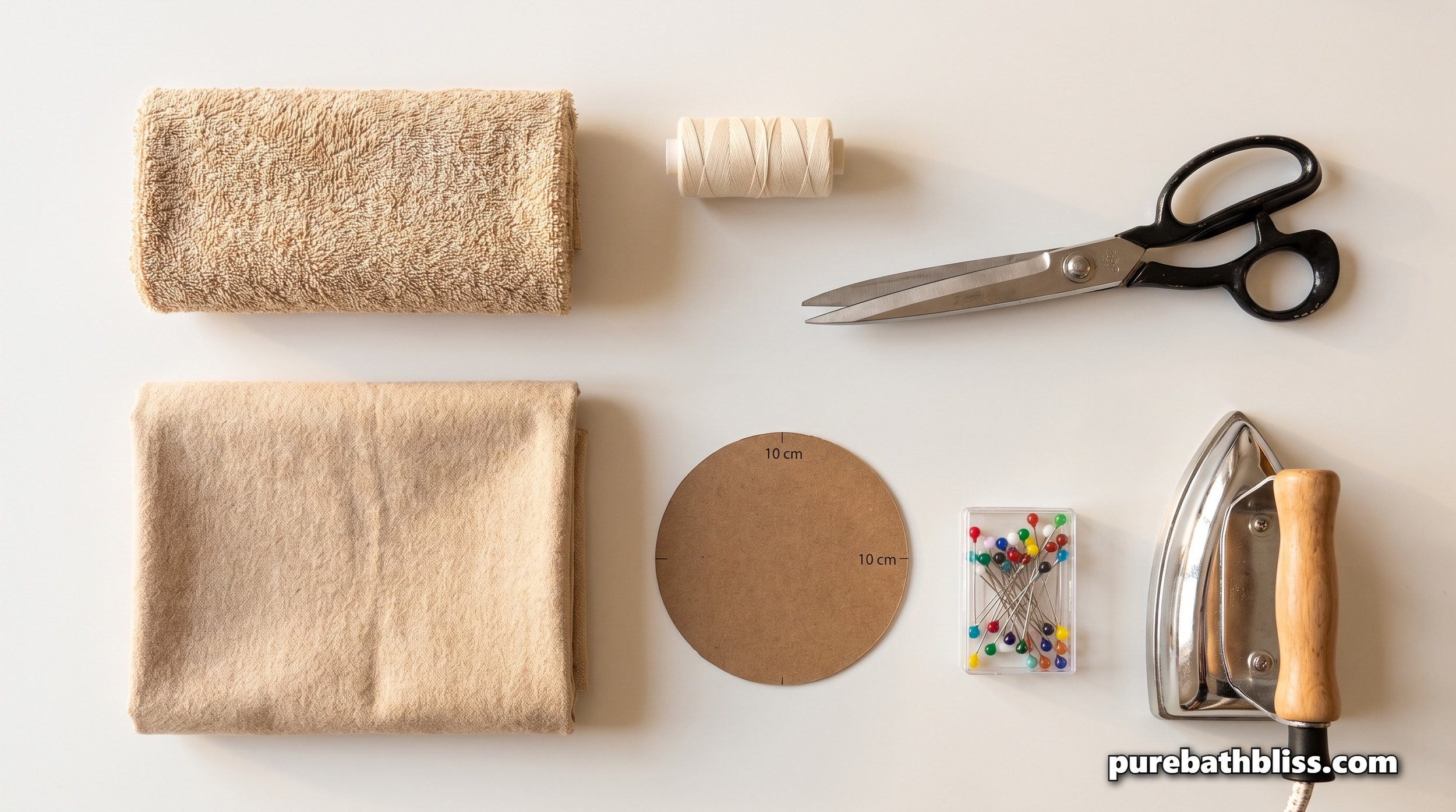
Fabric. A quarter yard of bamboo terry cloth fabric and a quarter yard of unbleached organic cotton flannel yield twelve pads at the 10-centimetre diameter described here, with a small amount of fabric left over. A quarter yard of each costs between $3 and $6 depending on the supplier, making the total material cost per pad under 50 cents including thread. If you have any old flannel shirts, pyjama pants, or cotton terry facecloths that are worn but still clean, those work equally well and reduce the cost to zero for the fabric component.
Thread. Natural cotton thread in a neutral colour that blends with both fabrics. Cotton thread is the right choice for a project using natural fibers because it washes and ages at the same rate as the fabric rather than degrading at a different rate and causing the seam to fail before the fabric does.
Template. A circle with a 10-centimetre diameter. Cut one from cardboard or use a mug, jar lid, or any round object of approximately that size as a tracing guide. The 10-centimetre diameter is the right size for facial use, large enough to cover the cheek or eye area in one pass without being too large to handle easily when wet.
Tools. Fabric scissors or a rotary cutter and cutting mat. Fabric pins or sewing clips. A sewing machine set to a medium straight stitch, or a needle and thread for hand sewing which takes longer but produces the same result. An iron and ironing board for pressing the finished pads flat before topstitching.
The Sewing Method
Step 1: Pre-wash the fabric. Wash and dry both fabrics before cutting. This is the step most DIY guides skip and the most important one for longevity. All natural fabrics shrink on their first wash, bamboo terry by up to 5 percent. Pre-washing ensures the finished pads do not shrink out of shape and lose their smooth edge after the first use wash.
Step 2: Cut the circles. Trace 24 circles total onto the pre-washed fabrics using the cardboard template, 12 on the bamboo terry and 12 on the organic flannel. Cut out cleanly with fabric scissors or a rotary cutter. Stack the cut circles in matching pairs, one bamboo terry and one organic flannel per pair.
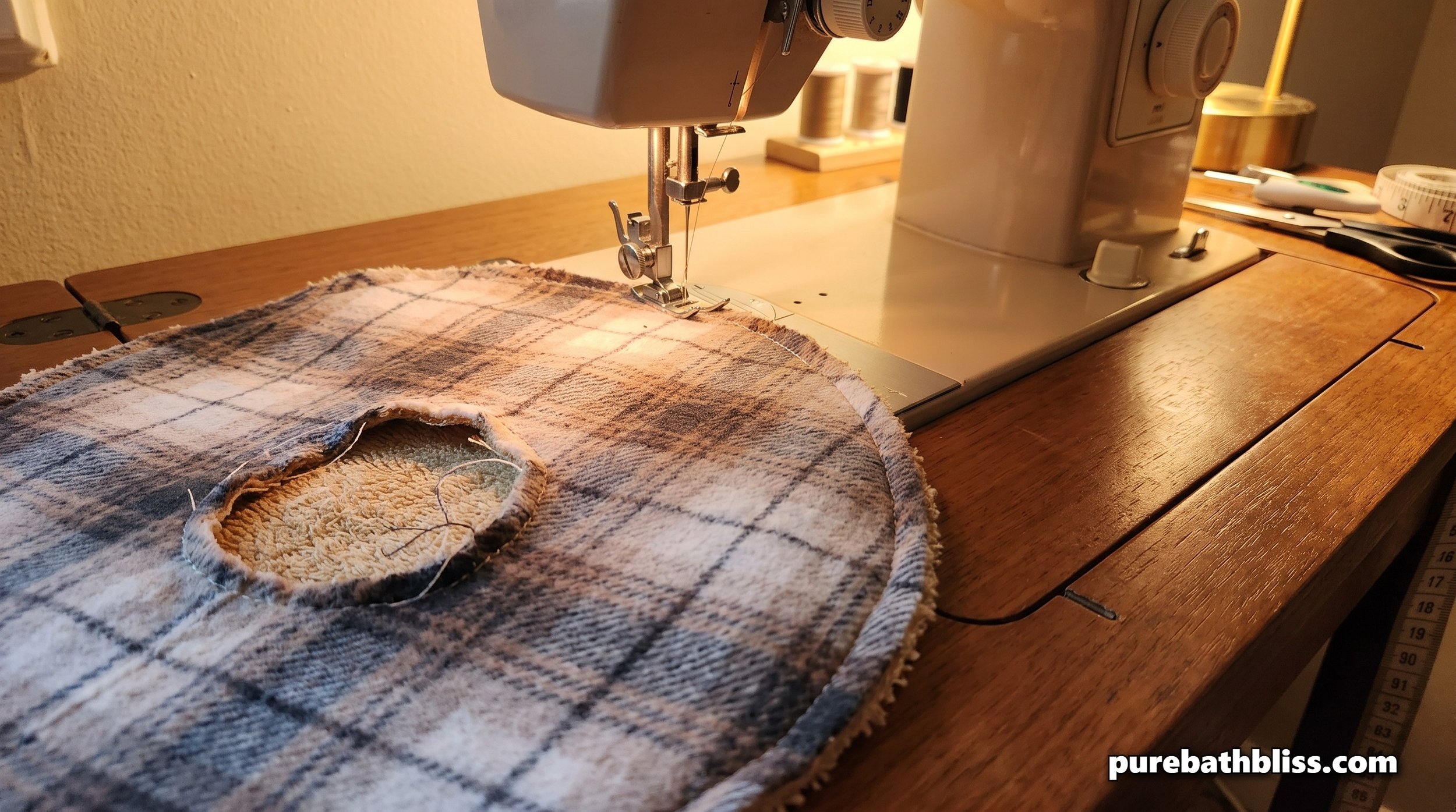
Step 3: Pin and sew. For each pair, place the two circles together with the right sides facing each other, meaning the good sides of both fabrics are touching each other on the inside and the wrong sides are facing out. Pin around the perimeter with four to six pins. Sew around the full circle with a 1-centimetre seam allowance, leaving a 3 to 4-centimetre gap unstitched at one point on the perimeter. This gap is the turning opening. Clip small notches around the curved seam allowance every 2 centimetres, cutting to within 2 millimetres of the stitching without cutting through it. The notches release the tension in the curved seam and allow it to lie flat after turning.
Step 4: Turn and press. Turn the pad right side out through the turning gap, using a blunt pencil or chopstick to push the seam fully to the edge from the inside. Press the pad flat with an iron, folding the raw edges of the turning gap inside to align with the seam. The pad should now be a flat circle with both good sides facing out and the seam hidden inside.
Step 5: Topstitch. Topstitch around the full perimeter of the pad approximately 3 millimetres from the edge. The topstitching closes the turning gap, flattens the seam permanently, and adds durability to the edge that prevents fraying through repeated washing. Run a second topstitching line 6 millimetres from the edge if you want additional durability and a more finished appearance. The topstitching is what separates pads that last 100 washes from pads that start unravelling at the edges after twenty.
How to Use Them
The bamboo terry side with warm water alone removes most everyday makeup including foundation, blush, and eyeshadow without any additional product. Wet the pad under warm water, wring it out slightly so it is damp rather than dripping, and wipe gently across the face. The physical action of the terry loops combined with the water and warmth is sufficient for light to medium coverage products in most cases.
For heavier coverage foundation, waterproof mascara, or long-wear products, apply a small amount of oil, jojoba, sweet almond, or coconut oil to the terry side before wiping. The oil dissolves the wax and silicone components in waterproof formulas that water alone cannot shift. The flannel side follows to remove any oil residue and leave the skin clean. This two-step oil cleansing method produces a more thorough removal than most commercial makeup remover wipes achieve and leaves the skin significantly less stripped.
After use, rinse the pad under running water, squeeze out excess, and hang to dry or place in a small bowl designated for used pads. Wash the full batch weekly in a mesh laundry bag on a warm gentle cycle. The mesh bag keeps the small pads from getting lost in the wash and protects the topstitching from abrasion against heavier items in the drum. Air dry rather than tumble dry where possible. The bamboo terry in particular retains its loop structure better with air drying than with the repeated heat and mechanical action of a tumble dryer.
The Care Protocol That Gets 100 Washes

Most reusable pad reviews that report pilling, stiffness, or reduced absorbency after a few months are describing what happens to any natural fabric washed repeatedly in hard water with fabric softener. Neither of those things is a problem with the pads. They are problems with the washing protocol.
Fabric softener coats the fiber loops of terry fabric with a waxy silicone layer that makes the fabric feel temporarily softer but progressively reduces its absorbency over multiple washes. Never use fabric softener on these pads. If the bamboo terry feels stiff after several washes, the cause is almost always hard water mineral deposits in the fibers rather than fabric degradation. The fix is a citric acid strip, the same method our sister site Pure Kitchen Bliss covers for restoring kitchen towels in their guide to stripping mineral buildup from cotton and bamboo fabrics. Dissolve two tablespoons of citric acid in a basin of hot water, soak the pads for one hour, then wash as normal. The citric acid chelates the calcium and magnesium deposits from the fiber and restores the original absorbency and softness without any damage to the bamboo fiber structure.
For stains from heavy foundation or oil-based products that do not wash out in a normal cycle, pre-treat with a small amount of dish soap or castile soap worked into the stain before placing in the mesh bag for washing. Oxygen-based bleach, such as sodium percarbonate in hot water, removes persistent staining from natural fabrics without the fiber damage that chlorine bleach causes. Soak for two hours then wash as normal.
A batch of twelve pads made with the topstitching method and washed correctly using the protocol above will last well over a year of daily use. The pads shown in the photos in this article are from a batch made eighteen months ago that shows no fraying, pilling, or reduction in absorbency. At twelve pads per batch and roughly 730 days of daily use per year, that is over 700 uses from a project that took thirty minutes and cost under $5.
Variations and Gifting
The double terry version. For anyone whose skin tolerates more texture, or for use as a body exfoliating pad rather than a facial pad, two layers of bamboo terry with no flannel produces a slightly more exfoliating pad that works particularly well for dry body brushing or back cleansing where the gentleness of the flannel side is not needed.
The larger version. A 15-centimetre diameter pad made by the same method works well as a reusable toner pad for larger skin areas, for micellar water application across the full face in one pass, or as a baby wipe for infant face cleaning. The larger size uses the same sewing method with the template scaled up.
Gifting. Six pads rolled and placed in a small glass jar with a cork lid, tied with jute twine with a card explaining the terry versus flannel sides and the oil cleansing method, is a genuinely useful and beautiful gift for anyone with a skincare routine. It connects naturally to the non-toxic bathroom gift guide we published in December. The same jar can hold a small bottle of organic jojoba oil as a companion piece, giving the recipient everything they need to replace disposable cotton rounds immediately.
Troubleshooting and Quick Reference
| Problem | Cause | Fix |
|---|---|---|
| Edges fraying after a few washes | Topstitching too close to the edge or skipped entirely. Single stitch line not sufficient for bamboo terry. | Add a second topstitching line 6mm from the edge. Use a zigzag stitch on the turning gap area specifically. |
| Pads feel stiff after several washes | Hard water mineral deposits in the bamboo terry fiber. Not fabric degradation. | Citric acid strip: 2 tbsp citric acid in hot water, soak 1 hour, wash as normal. Restores original softness fully. |
| Reduced absorbency over time | Fabric softener coating the fiber loops. Most common cause of absorbency loss in terry fabric. | Stop using fabric softener immediately. Run a hot wash with no detergent to strip the coating. Citric acid strip if needed. |
| Persistent makeup stains | Oil-based or long-wear foundation pigment bonding to fiber. | Pre-treat with castile soap worked into the stain before washing. Oxygen bleach soak for 2 hours for persistent stains. |
| Pads shrinking out of shape | Fabric was not pre-washed before cutting. Bamboo terry shrinks up to 5% on first wash. | Cannot be fixed after the fact. Pre-wash all fabric before cutting on future batches. |
| Seam puckering on the curved edge | Insufficient notching in the curved seam allowance before turning. | Clip more notches, every 15mm around the full curve, cutting to within 2mm of the stitching. Press firmly with iron after turning. |
| Not removing waterproof mascara effectively | Water alone cannot dissolve the wax base of waterproof formulas. | Apply a few drops of jojoba or coconut oil to the terry side before wiping. Oil dissolves the wax. Follow with flannel side to remove residue. |
Greg is a Red Seal Carpenter, coffee shop owner, dad of four, and founder of Pure Bath Bliss. He writes about making smarter choices for your home and family.