
The Truth About Bath Water: Filters, Chlorine, and Eczema Triggers
You’ve switched to unscented castile soap. You moisturize within three minutes. You’ve thrown out every squirty toy. Yet your baby’s skin is still dry, red, or flaring with eczema.
You feel like you’re doing everything right… and nothing is working.
The missing piece is the one thing you never suspected: the water itself.
Municipal tap water is perfectly safe to drink, but it is not designed for the fragile skin of a newborn. Chlorine, chloramines, and hard-water minerals can be the hidden trigger behind the “mystery rash” that no cream can fix.
This final guide in our Toxin-Free Tub series shows you exactly what’s in your water, how it hurts baby skin, and the simple $30–$50 fix that thousands of eczema parents swear by.
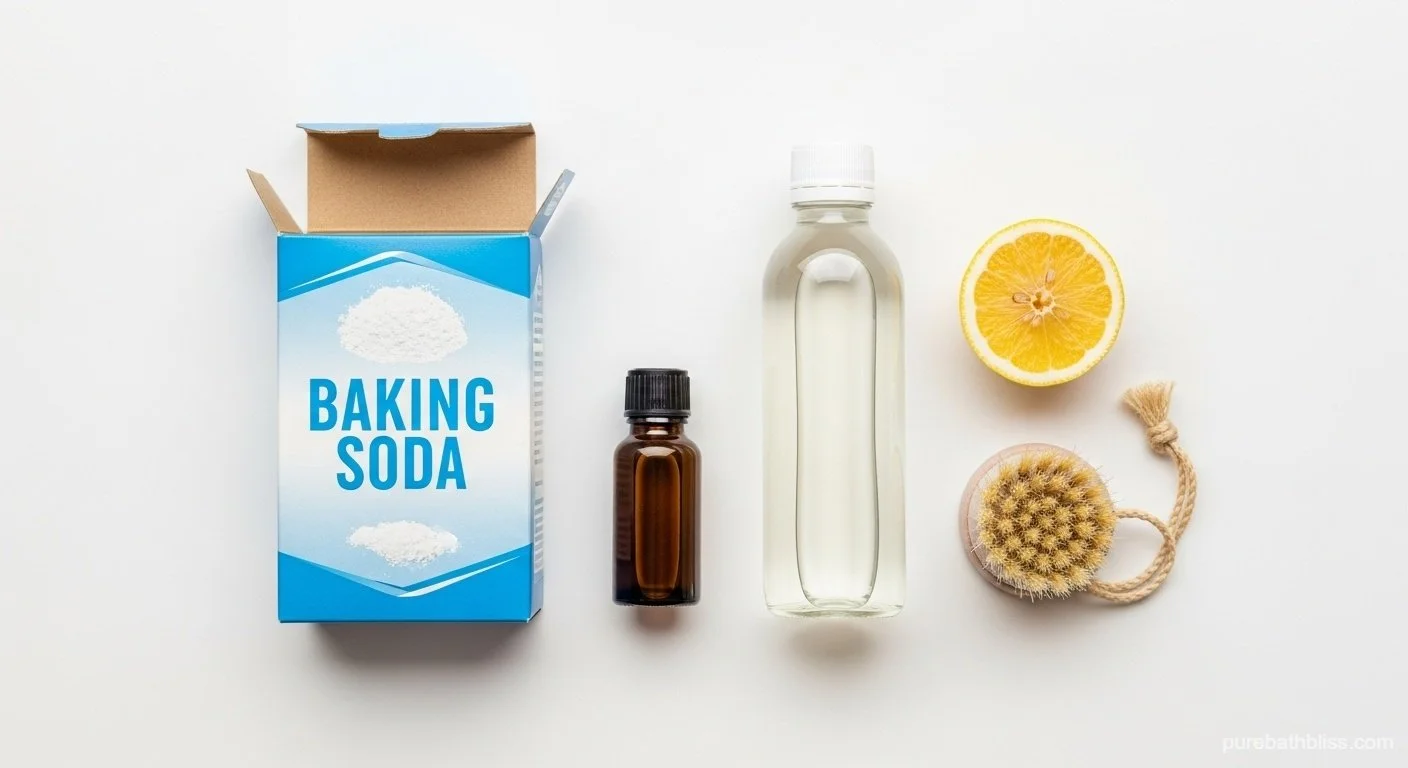
Baby-Safe Cleaning: How to Scrub the Tub Without Harsh Chemicals
You want the tub sparkling clean for your baby. But the second you spray bleach, the sharp smell fills the bathroom and you think: “This can’t be safe for lungs that are still learning to breathe.”
You’re absolutely right.
Chemical cleaners leave invisible residue that warm bathwater can re-activate, and the fumes linger in a small, steamy room long after you’ve left. A truly baby-safe bathroom is cleaned with ingredients safe enough to eat—because, in a way, your baby will be “eating” whatever touches that tub.
This step-by-step guide gives you the exact non-toxic recipes and techniques that disinfect just as effectively—without a single warning label.

The Parent’s Guide to a Toxin-Free Tub: Ensuring Safety and Wellness for Your Baby
Your baby’s first bath is pure magic. That moment when warm water meets tiny toes and your newborn’s eyes flutter open in wonder is unforgettable. You want every single bath after it to feel exactly the same: soft, safe, and completely worry-free.
But for every thoughtful parent, that joy comes with quiet questions: Is this soap really gentle enough? Could “baby-safe” fragrance be silently irritating my child’s skin? Am I accidentally exposing my little one to chemicals that matter more now than at any other time in life?
You are 100% right to ask. A baby’s skin is fundamentally different from an adult’s, and the choices we make in the first 1,000 days ripple for decades.
This definitive, research-backed guide removes every ounce of guesswork. You will finish reading it knowing exactly which ingredients to avoid, which products to trust, which toys are truly safe, and which daily habits turn an ordinary bathtub into a genuine sanctuary of wellness.
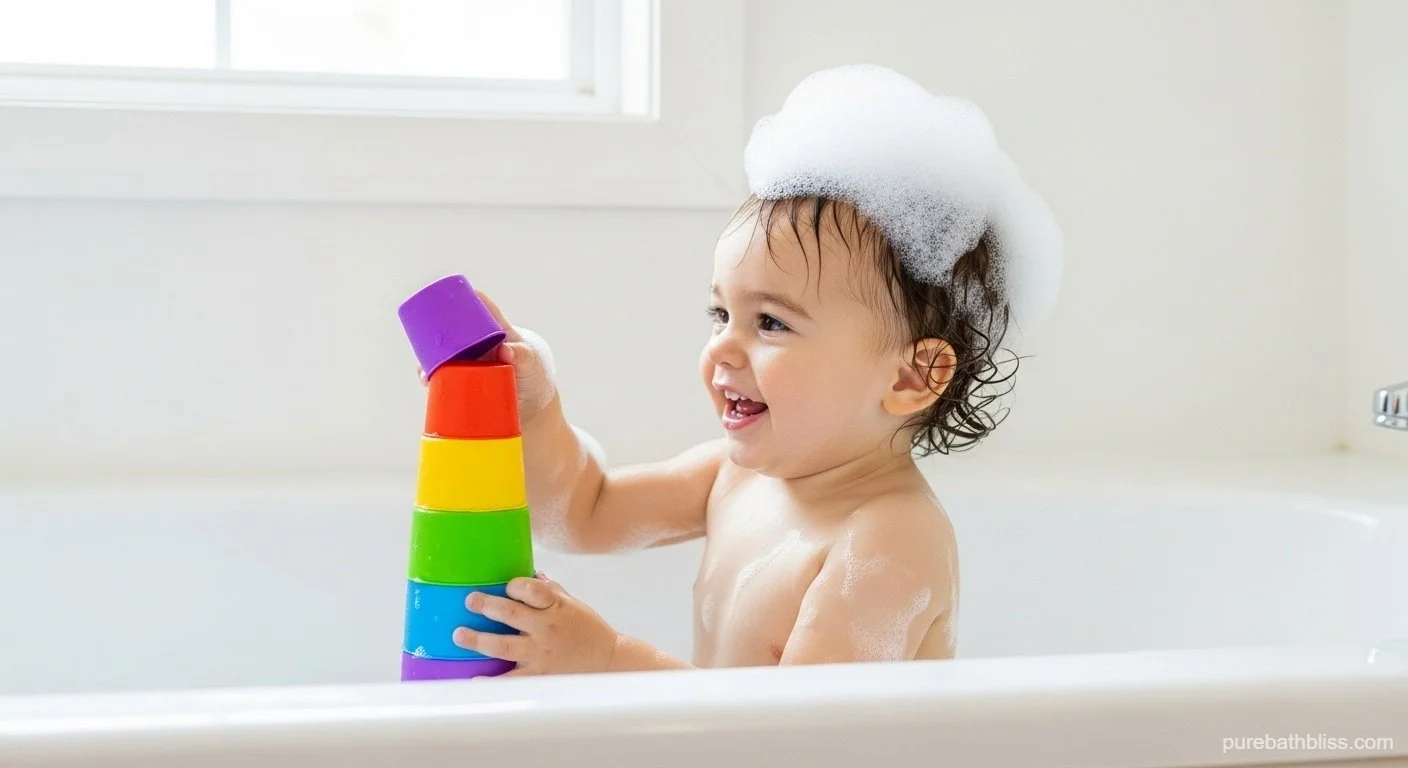
The Hidden Danger in the Rubber Duck: A Parent's Complete Guide to Mold-Free and Non-Toxic Bath Toys
The rubber duck in your child's bath is most likely made from PVC softened with phthalate plasticizers that leach into warm bath water, has at least one hole that traps warm soapy water inside and grows a biofilm of mold and coliform bacteria within weeks, and gets squeezed directly into your baby's mouth at close range several times per bath. None of this is speculation. It is documented in peer-reviewed research and confirmed by the regulatory gap that specifically excludes bath toys from the phthalate restrictions that apply to other children's products. Here is the complete guide to what the science says, what safe looks like, and what to buy instead.
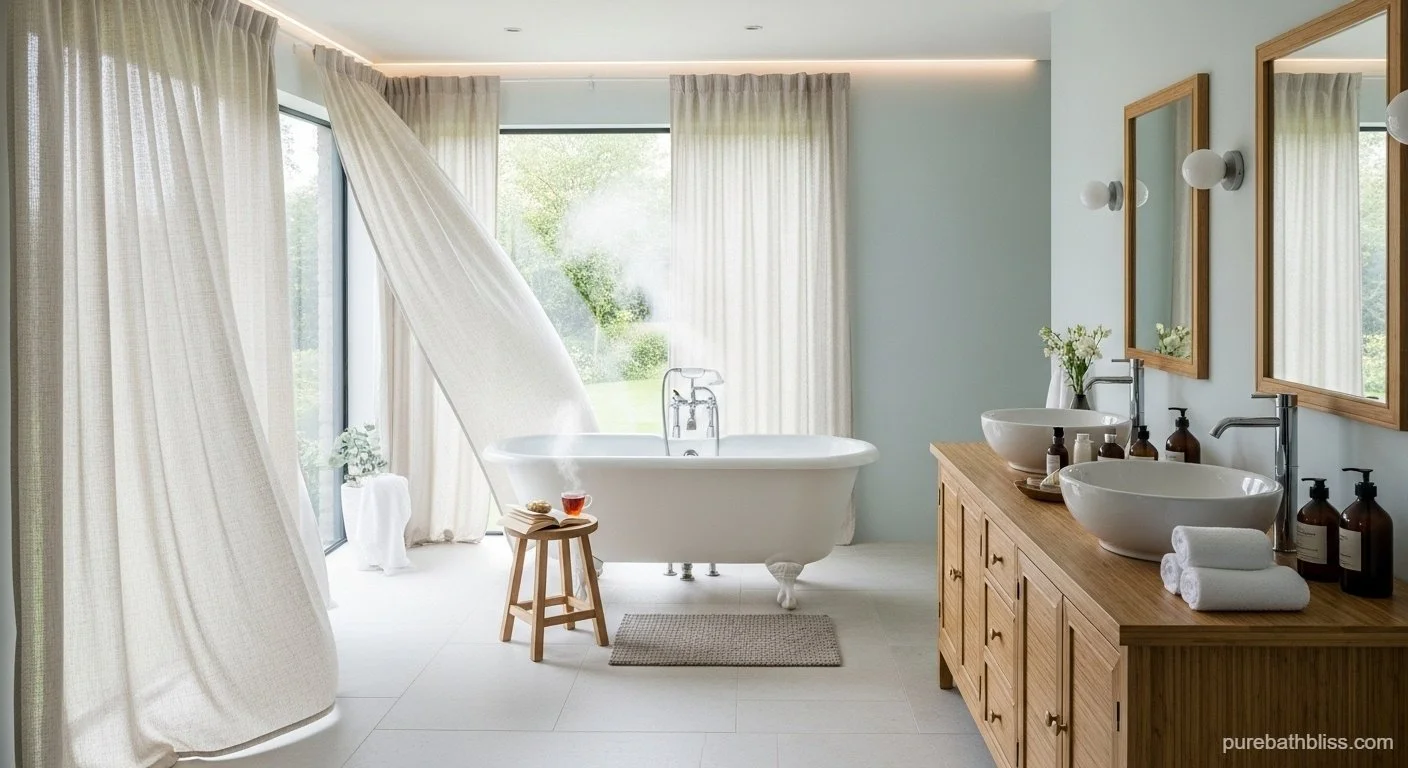
The Ultimate Guide to Designing and Maintaining a Non-Toxic, Eco-Friendly Bathroom
You step into your bathroom and instantly feel calmer—soft bamboo underfoot, warm natural light pouring in, and the faint scent of lavender drifting from a reed diffuser. That’s the magic of a sustainable, non-toxic space. In this ultimate guide, we’ll walk you through every pillar of creating a PureBathBliss bathroom: one that’s gentle on your body, kind to the planet, and a true sanctuary for daily wellness. Let’s dive in—you’ve got this.
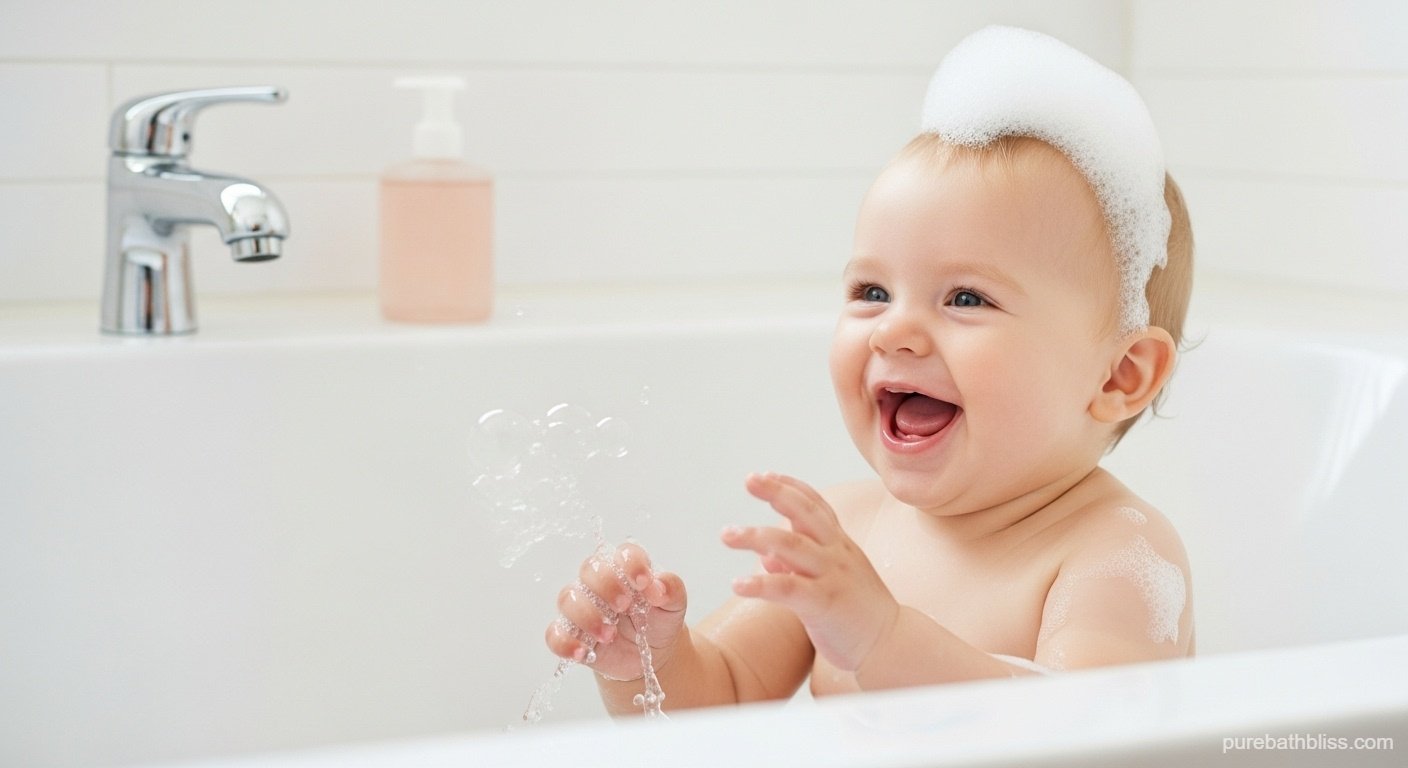
Is Bubble Bath Safe for My Baby? Toxin Risks, UTI Prevention, and Gentle Alternatives
Every parent knows the scene: Your toddler’s eyes light up at the promise of “bubbles!” and you desperately want to say yes. But the moment you reach for the bottle, a little voice in your head whispers, “Is this actually safe for my baby’s delicate skin?”
You’re not being overprotective. You’re being exactly the kind of parent your child needs.
Conventional bubble baths are one of the most common sources of unnecessary chemical exposure in early childhood. The good news? You can have safe, gentle fun without a single harsh surfactant or hidden fragrance.
This guide gives you clear, research-backed answers—no fear-mongering, just facts—so you can decide with total confidence.

How to Sew Reusable Makeup Remover Pads (Zero Waste, 100 Washes)
Every year, billions of cotton rounds end up in landfills, bleached and packed with microplastics—sew your way to zero-waste with reusable pads that last 100+ washes. From old flannel and bamboo terry, craft 12 ultra-soft pads for under $3, saving 1,200 disposables and countless dollars. This 30-minute project yields machine-washable circles that gently remove makeup with just water or oil; no harsh removers are needed. Ideal for daily routines, overnight travelers, or gifting eco-beauty sets. Infuse with charcoal for deep cleansing or double-layer for extra absorbency. Store in a jar, wash weekly, and enjoy two years of flawless, friction-free removal. Transition seamlessly: wipe, rinse, repeat—your skin stays soft, sewers stay clear of fibers, and trash bins stay empty. Empower your vanity with sustainable swaps that feel luxurious and perform better. Stitch up sustainability and wipe away waste forever. These pads aren't just eco-friendly; they're skincare superheroes, exfoliating gently while cutting costs and clutter.

DIY Clay & Oat Face Mask Bar (Zero Waste, 30 Uses)
My wife has been into natural skincare for years, and for most of that time our bathroom counter had a rotating cast of glass and plastic jars, half-used tubs of clay mask, and little pump bottles of serums that cost more than they should. We were spending real money on products that were mostly water, preservatives, and packaging.
A while back she started making her own face masks from scratch, which I was skeptical about at first. But after watching her mix up batches that worked just as well as the store bought stuff, and then seeing how much less waste we were producing, I got curious about whether you could take it further. Could you make a solid bar version that doesn't need to be refrigerated, travels easily, and lasts for months? Turns out, yes you can.
These clay and oat face mask bars are now a staple in our bathroom. One batch makes three bars, each bar gives you about ten uses, and the whole thing costs maybe a dollar fifty to make. That's thirty full face treatments for less than the price of a single-use sheet mask. Here's exactly how to make them.

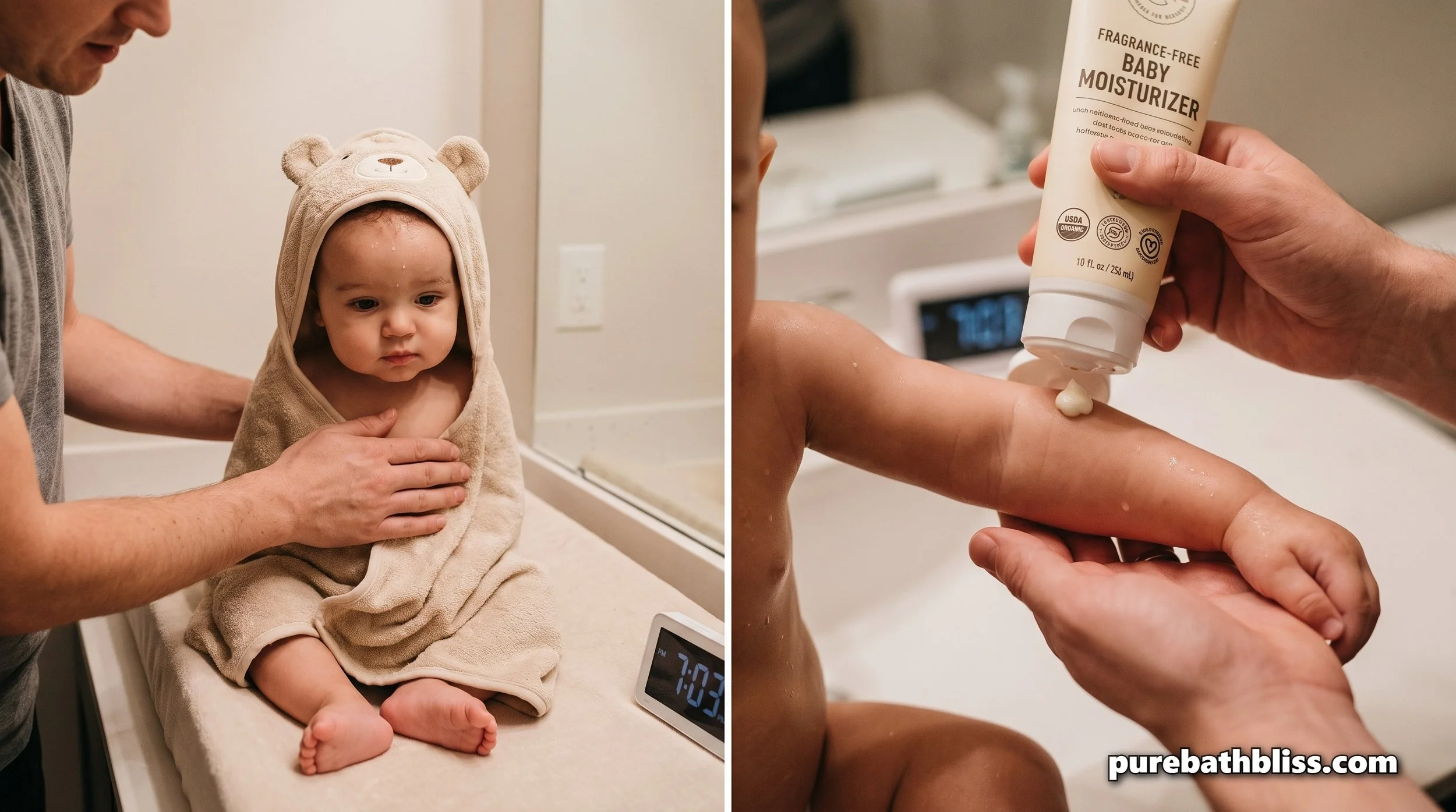
Post-Bath Baby Skincare and Eco-Friendly Towels: What Actually Works
Most of the work in a baby's bath routine happens after the bath ends. The towel material, the drying technique, and the moisturizer you apply in the first three minutes after lifting your baby out make a bigger difference to skin health than almost anything that happens in the water. Here is the complete post-bath guide, from towel certifications to the soak and seal method.
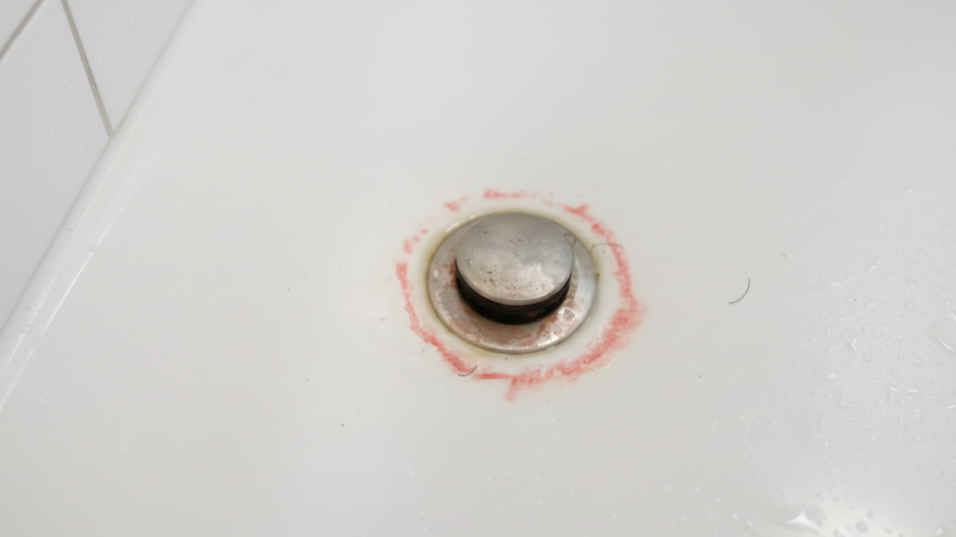
What Is the Red Stuff in Your Shower? Serratia Marcescens, Why It Keeps Coming Back, and How to Actually Get Rid of It
The reddish-pink or orange film appearing around your shower drain, on grout lines, and at the toilet waterline is not mold. It is Serratia marcescens, an airborne bacterium that produces a pigment called prodigiosin and colonizes bathroom surfaces by forming a biofilm. Wiping it away removes the visible colour but leaves the biofilm matrix intact, which is why it comes back within days of cleaning. Here is the science behind it, the treatment that actually disrupts the biofilm, and the two habits that prevent it from returning.
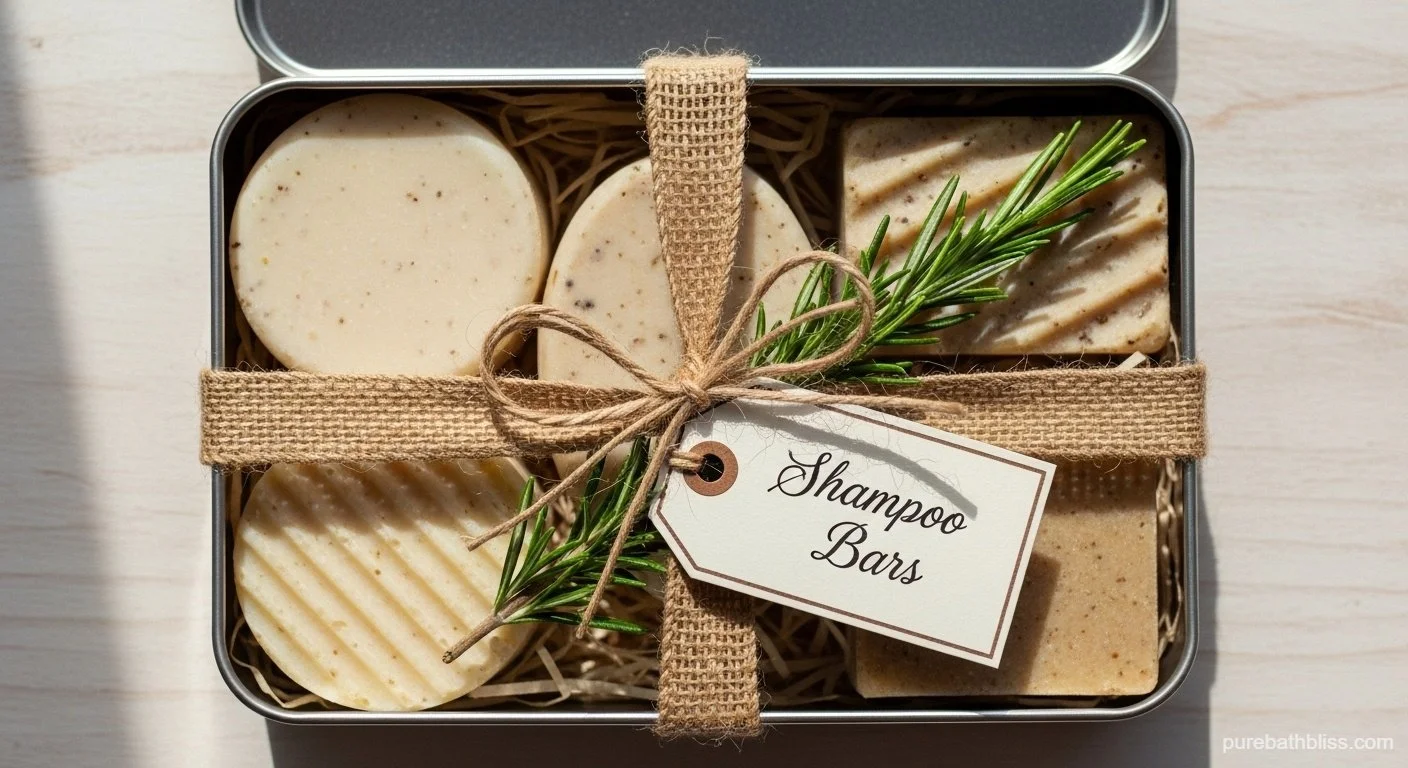
DIY Solid Shampoo Bars: How to Make Them, Why They Work, and the Transition Period Nobody Warns You About
A solid shampoo bar made from saponified plant oils and castile soap replaces three plastic bottles, lasts up to 80 washes, costs under $2 per bar to make, and is TSA-friendly. It also comes with a two to four week scalp transition period that most DIY shampoo bar guides either minimise or deny entirely. Here is the complete recipe, the science behind the transition, and the specific techniques that make it through that window without giving up on the bar.

Are Bath Bombs Good for Your Skin? The Honest Guide to What They Do, What to Avoid, and Which Ones Are Worth Using
Whether bath bombs are good for your skin depends entirely on what is in them. A bath bomb made from colloidal oatmeal, carrier oils, and essential oils can genuinely soothe, moisturize, and support the skin barrier. A bath bomb made from synthetic fragrance, artificial dyes, and SLS can disrupt the acid mantle, trigger contact dermatitis, and introduce endocrine-disrupting phthalates through prolonged skin contact. Here is what the research says about each ingredient category and how to read a bath bomb label in sixty seconds.
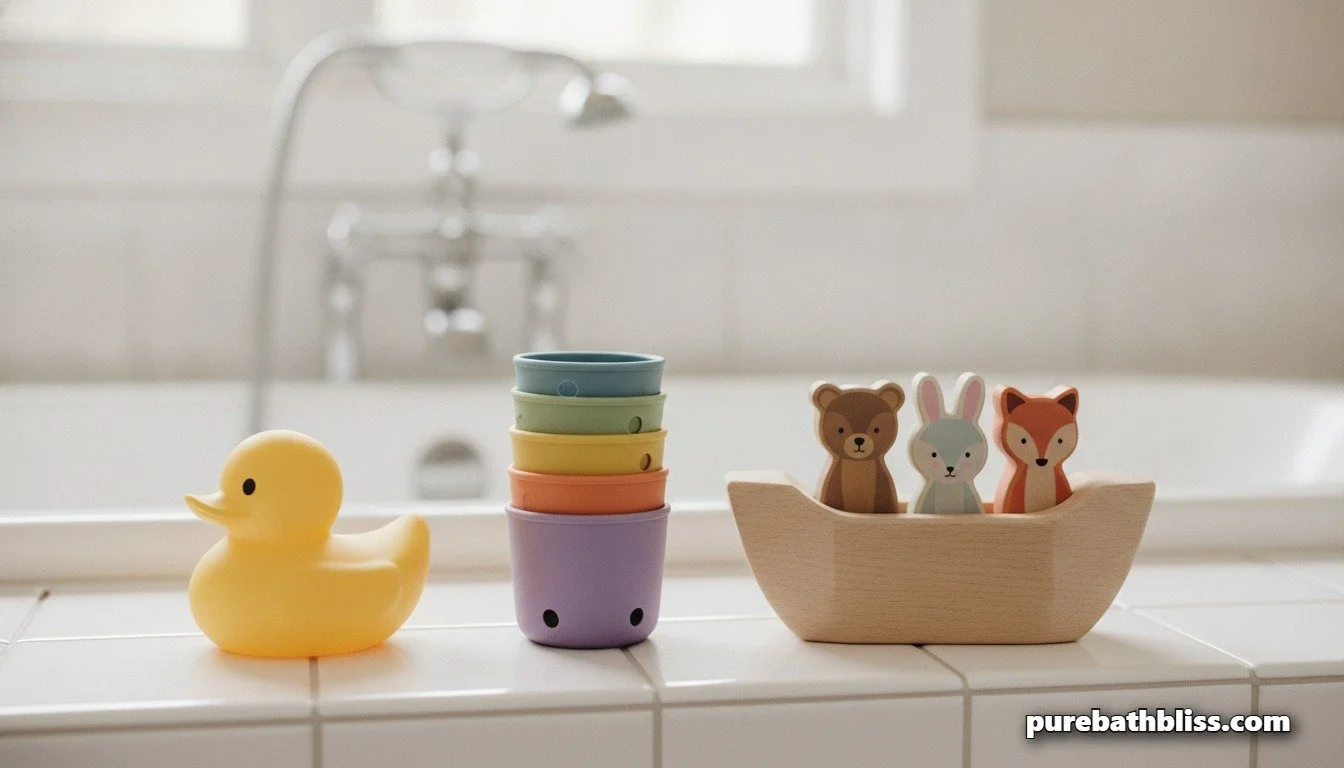
How to Choose Baby-Safe Bath Toys: The Complete Non-Toxic Buying Guide
The bath toy aisle looks harmless. Bright colours, friendly shapes, affordable prices. What most parents do not know is that the majority of conventional bath toys are made from materials that leach chemicals into warm water and are designed in ways that guarantee mold growth inside them. This guide covers what to look for, what to avoid, and the best non-toxic options available right now.

My Baby Drank Bathwater: Will She Be OK? What to Do Right Now and When to Call the Doctor
The moment a baby swallows bathwater is one of the most common bath time panics and almost always resolves without any intervention. What actually determines the risk is not the water itself but what was dissolved in it. Here is the honest breakdown of what different bath products do if swallowed in small amounts, the specific symptoms that genuinely warrant a call to the doctor, and what to do right now if it just happened.

Homemade Citrus Peel All-Purpose Cleaner (Zero Waste, 10 Cents Per Bottle)
Kitchen scraps like orange peels often rot in landfills, releasing methane; infuse them into a powerhouse cleaner that degreases counters for 100+ sprays without VOCs or plastic bottles. This 10-minute recipe yields 32 oz of golden elixir from vinegar and peels, costing 10 cents per bottle and saving six plastics yearly. Non-toxic, septic-safe, and scented like fresh citrus, it cuts grime on sinks, glass, or floors; dilute for mopping or concentrate for ovens. Collect peels weekly, steep for two weeks, strain into reused glass, and shake for shine. Customizable with lemon oil boosts or herbal twists, it's kid- and pet-friendly, outperforming $8 store sprays. Refill endlessly, travel in mini bottles, or gift kitchen kits. Every spray banishes synthetic fumes, lightens shipping weight (no water hauled), and turns waste into wizardry. Inhale bliss, wipe effortlessly, and join the peel-to-power movement for homes that sparkle inside and out.
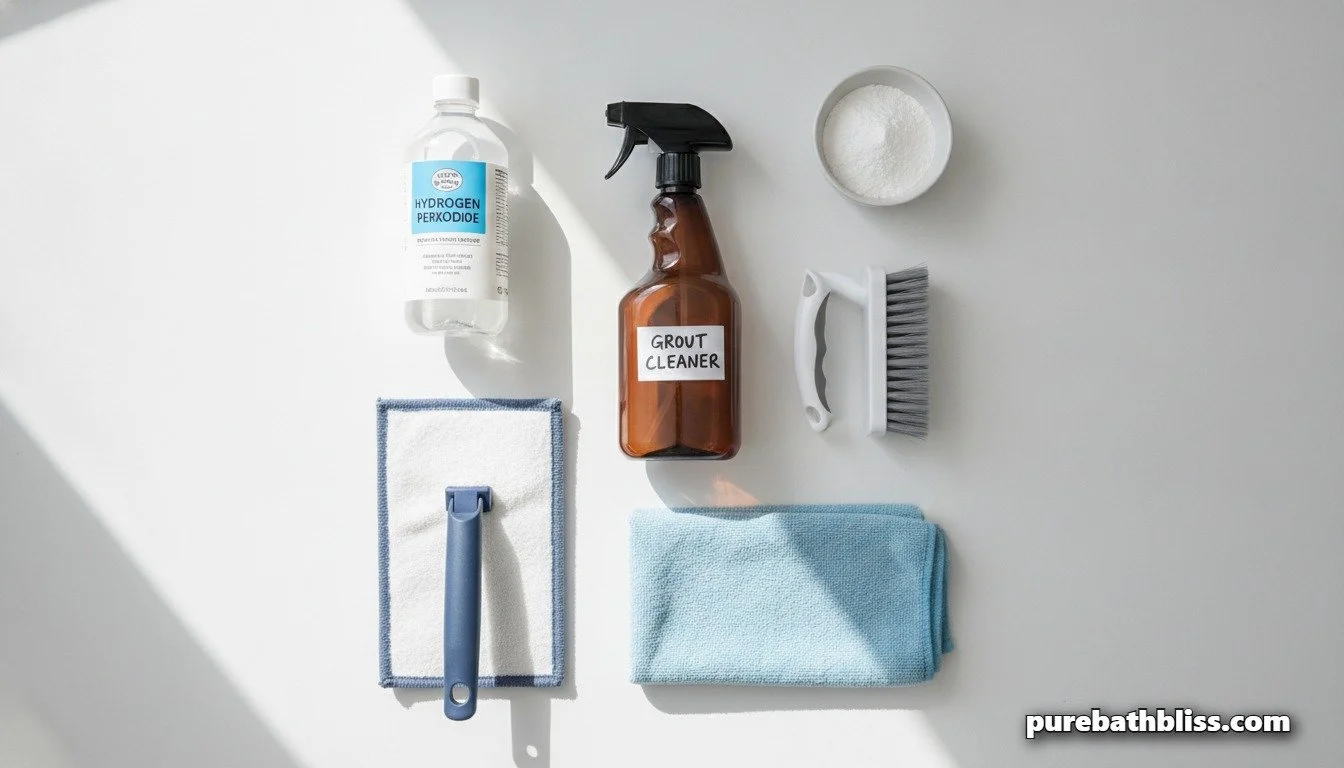
Yes, You Can Clean Your Bathroom Floors with Only Hydrogen Peroxide — Here's How
For a long time, the brown bottle of hydrogen peroxide in our medicine cabinet had one job: go on cuts. That was it. It sat there between the bandages and the thermometer and served its single purpose until the bottle was mostly empty and we bought another one.
I started using it for bathroom floor cleaning a few years ago after going through our cleaning products and realising how much of what was under the sink was unnecessary. The commercial floor cleaner had a fragrance that lingered for hours. The bleach-based disinfectant left a residue that required a second rinse. The grout cleaner contained hydrochloric acid that had stripped the colour from a section of our grout after I left it on too long. Four kids on a bathroom floor is a scenario that needs genuine disinfection, not industrial chemistry.
Hydrogen peroxide is genuinely effective, and a 2025 study published in Infection Prevention in Practice specifically tested 3 percent hydrogen peroxide on urine-contaminated floors and confirmed its efficacy as a disinfectant for exactly the kind of surface a family bathroom floor is. It breaks down into water and oxygen. It leaves no chemical residue. And it costs less than two dollars a bottle. Here is the complete method.
Is Bubble Bath Safe for My Baby? The Pediatric Science, Age Guidelines, and Safer Alternatives
The bubble bath question is one of the most common baby bath safety questions pediatricians receive, and the honest answer is more nuanced than most parenting guides provide. The risks are real, specific, and tied to particular ingredients and ages rather than to bubble baths as a category. Here is what the science says, what soap vulvitis is and why most parents have never heard of it, the age guidelines from pediatric authorities, and the specific alternatives that make bath time just as fun without any of the clinical concerns.
You are absolutely right to take a pause. This article is your essential, go-to guide for making an informed choice. We’ll explore the safety of bubble baths for babies, highlight specific risks associated with common chemical ingredients, and, most importantly, share practical tips and safe alternatives to ensure bath time remains a joyful, bonding, and healthy ritual for your tiny human. Let’s dive in and transform that worry into Pure Bath Bliss confidence!

How to Unclog a Drain with Baking Soda and Vinegar (And When It Won't Work)
Most slow bathroom drains are caused by a biofilm of hair, soap scum, and bacteria that builds up gradually in the pipe. Baking soda and vinegar breaks that down without harsh chemicals, and the method costs about twenty cents. Here is the exact protocol, why covering the drain matters, and the honest list of clogs this method cannot fix.

Should Your Cat's Litter Box Be in the Bathroom? The Complete Guide to Hygiene, Humidity, and Setup
The bathroom is the most common first choice for a cat litter box and the most complicated one to get right. It has genuine advantages, easy cleanup, built-in ventilation, hard floors, and proximity to the toilet for waste disposal. It also has genuine problems that most litter box guides do not cover: the humidity that destroys clumping litter, the litter dust that sticks to every moist surface, and the Toxoplasma gondii hygiene concern that matters specifically for pregnant household members. Here is the complete guide with the science, the setup, and the products that make it work.

Harmful Chemicals in Shampoo and Body Wash: What to Avoid and Why It Matters in 2026
The average person is exposed to dozens of chemicals daily through personal care products according to the Environmental Working Group, and most of them arrive through products used in the shower where warm water opens pores and steam carries volatile compounds directly into the lungs. Shampoo and body wash are among the highest-exposure products in any bathroom because of the duration of skin contact, the heat of the shower environment, and the fact that most people use them daily without reading the label. Here is what the research says about the specific compounds worth avoiding and how to find them on a label that is designed to obscure rather than disclose.