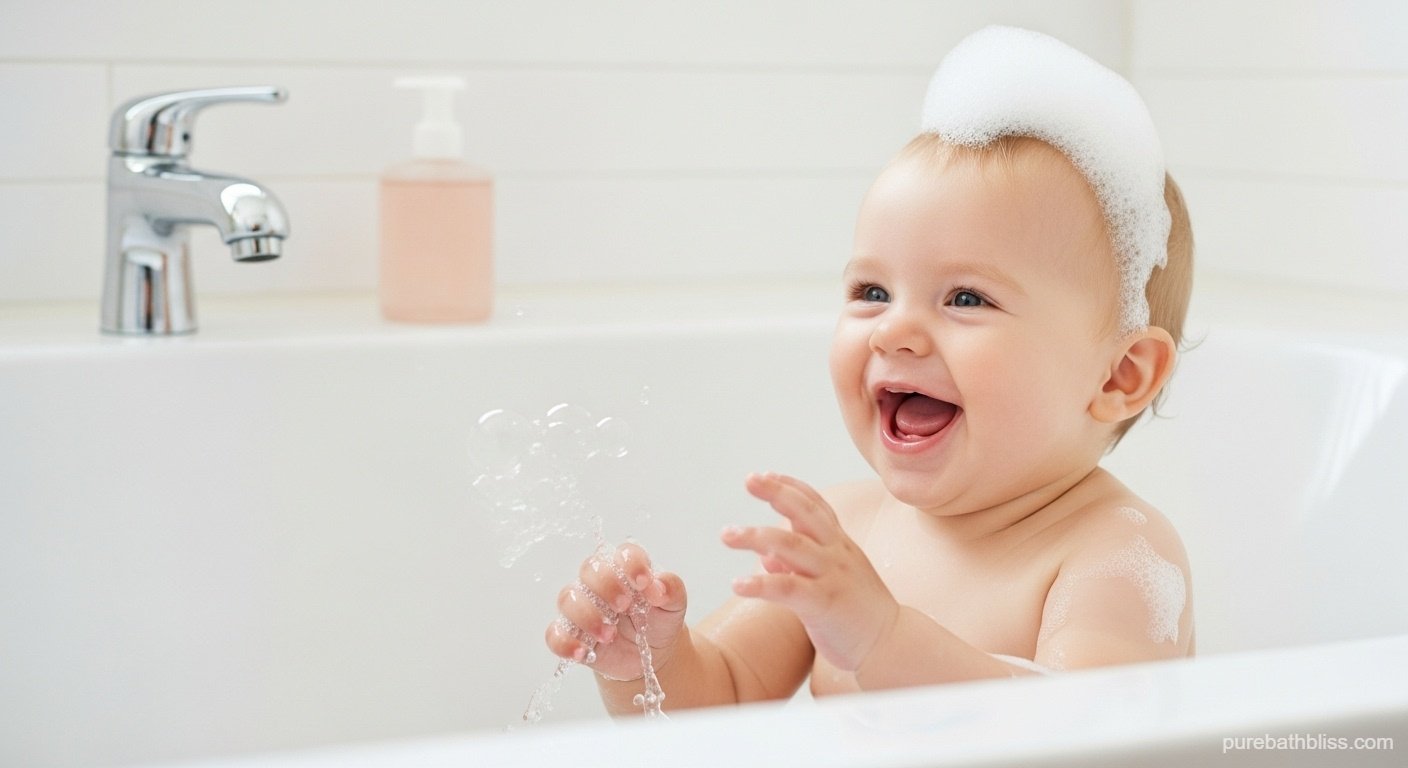
Is Bubble Bath Safe for My Baby? Toxin Risks, UTI Prevention, and Gentle Alternatives
Every parent knows the scene: Your toddler’s eyes light up at the promise of “bubbles!” and you desperately want to say yes. But the moment you reach for the bottle, a little voice in your head whispers, “Is this actually safe for my baby’s delicate skin?”
You’re not being overprotective. You’re being exactly the kind of parent your child needs.
Conventional bubble baths are one of the most common sources of unnecessary chemical exposure in early childhood. The good news? You can have safe, gentle fun without a single harsh surfactant or hidden fragrance.
This guide gives you clear, research-backed answers—no fear-mongering, just facts—so you can decide with total confidence.

Best Natural Cleaners for Pre-Paint Prep (Why Vinegar & Peroxide Beat Bleach)
You’re ready to paint your bathroom—but your walls are coated in invisible soap scum, grimy fingerprints, and stubborn mildew spots. You reach for the bleach… Stop.
In a 5x8 bathroom, one spray of bleach releases chlorine gas that lingers for hours. It burns your lungs, leaves a toxic film that repels primer, and doesn’t even kill mold roots on porous drywall.
Your paint will peel in 6 months.
But here’s the good news: Your kitchen holds three pantry staples—vinegar, hydrogen peroxide, and baking soda—that outperform bleach for bathroom prep. They strip grime, kill mold, and rinse 100% clean, leaving a perfectly adhesive surface for primer.
This kitchen chemist protocol delivers a non-toxic, residue-free cleanse—and a paint job that lasts 15+ years.

How to Sew Reusable Makeup Remover Pads (Zero Waste, 100 Washes)
Every year, billions of cotton rounds end up in landfills, bleached and packed with microplastics—sew your way to zero-waste with reusable pads that last 100+ washes. From old flannel and bamboo terry, craft 12 ultra-soft pads for under $3, saving 1,200 disposables and countless dollars. This 30-minute project yields machine-washable circles that gently remove makeup with just water or oil; no harsh removers are needed. Ideal for daily routines, overnight travelers, or gifting eco-beauty sets. Infuse with charcoal for deep cleansing or double-layer for extra absorbency. Store in a jar, wash weekly, and enjoy two years of flawless, friction-free removal. Transition seamlessly: wipe, rinse, repeat—your skin stays soft, sewers stay clear of fibers, and trash bins stay empty. Empower your vanity with sustainable swaps that feel luxurious and perform better. Stitch up sustainability and wipe away waste forever. These pads aren't just eco-friendly; they're skincare superheroes, exfoliating gently while cutting costs and clutter.

DIY Clay & Oat Face Mask Bar (Zero Waste, 30 Uses)
Jars of face masks promise glow but deliver plastic waste and preservatives—enter the solid mask bar, a game-changer for radiant, zero-waste skincare. One bar provides 30 full-face treatments, equating to three months of spa-like detox without a single jar in the landfill. Crafted from bentonite clay, oats, and essential oils, these bars draw out impurities, soothe irritation, and boost volume using 100% active ingredients. In just 15 minutes, mold three bars that harden into convenient "break-and-mix" tablets—add water for a creamy paste that rivals $25 store-bought tubs. Perfect for sensitive skin, acne-prone teens, or eco-warriors seeking simplicity. Store in a tin for six months of glow, travel light, or gift as a stocking stuffer. Upgrade to matcha for antioxidants or honey for an antibacterial punch. This ritual turns Sunday self-care into a planet-saving habit: break, mix, apply, rinse, and watch your skin—and conscience—shine brighter than ever. Ditch the jars; embrace the bar for effortless, ethical beauty.

Post-Bath Bliss: Organic Skincare & Eco-Friendly Towels for Your Little One
The gentle splashing, the soft cooing, the sweet scent of baby shampoo – bath time is a cherished ritual, a sacred space for bonding and playful discovery. But the pampering shouldn't end when the water drains. The moments immediately following the bath are equally crucial for nurturing your little one's delicate skin and reinforcing that precious connection. This is where post-bath bliss truly begins, extending the love and care with thoughtfully chosen organic baby skincare products and supremely soft, eco-friendly baby towels.
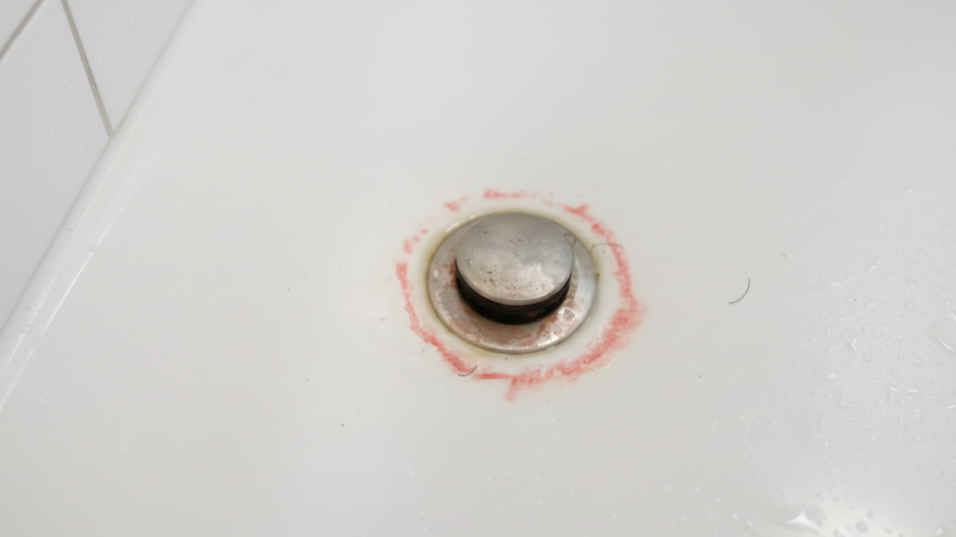
What Is the Red Stuff in Your Shower?
If you’ve noticed a reddish-pink or orange film in your shower, you’re likely dealing with Serratia marcescens, a common airborne bacterium often misnamed “pink mold” or “pink slime.” This slimy residue thrives in warm, moist bathrooms, appearing on shower tiles, grout, drains, curtains, or faucets. While usually harmless, it’s unsightly and can pose minor health risks for some. This guide explains what the red stuff is, how to clean it effectively with eco-friendly methods, and how to prevent it, ensuring a hygienic, sustainable bathroom.
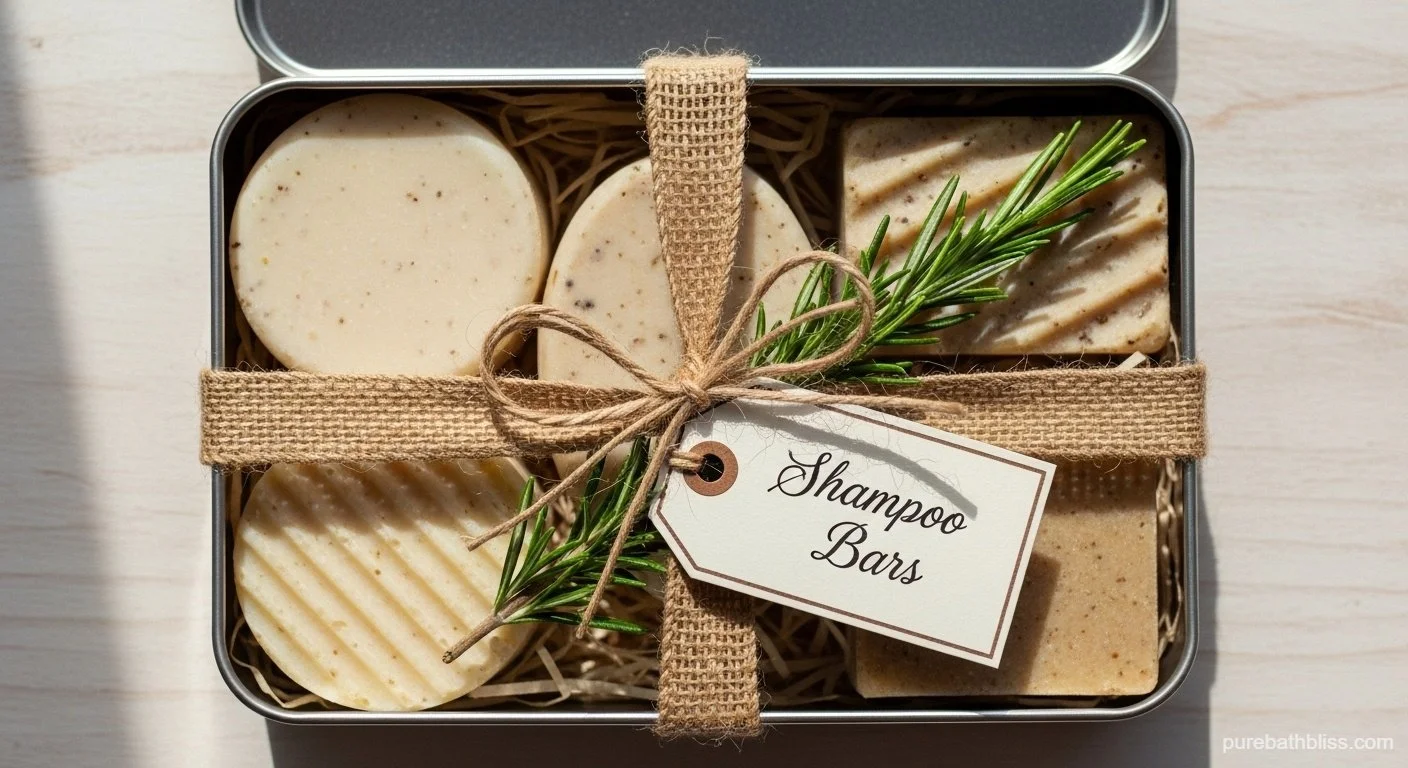
DIY Solid Shampoo Bars (One Bar = Three Plastic Bottles)
Liquid shampoos are 80% water shipped in heavy plastic bottles loaded with sulfates and preservatives—why pay to transport H2O when you can craft concentrated solid bars at home? These DIY shampoo bars pack 80 washes into one compact, zero-waste puck, replacing three plastic bottles per bar and lasting up to nine months. Using simple ingredients like coconut oil, castile soap, and essential oils, you'll create a lathering powerhouse that moisturizes, balances oil, and stimulates growth without the environmental toll. Ideal for travelers (TSA-friendly!), gym-goers, or minimalists ditching bottle clutter, this 15-minute recipe yields three bars for under $2. No awkward "transition period"—it works from the first wash, leaving hair shiny, scalp healthy, and oceans free of microplastics. Pair with an optional apple cider vinegar rinse for pH-balanced brilliance. Embrace the switch to solid hair care: lighter on the planet, gentler on your locks, and infinitely refillable. Join the zero-waste hair revolution and feel the difference with every rub, rinse, and repeat.

Are Bath Bombs Good for My Skin?
Bath bombs transform bath time into a luxurious, spa-like experience with their fizz, scents, and colors, but are they good for your skin? In 2025, as eco-conscious bathroom routines gain traction, understanding the benefits and risks of bath bombs is key to maintaining healthy, hydrated skin. This guide explores how bath bombs affect your skin, which ingredients to seek or avoid, and how to use them sustainably, aligning with PureBathBliss.com’s mission for hygienic, eco-friendly bathrooms.
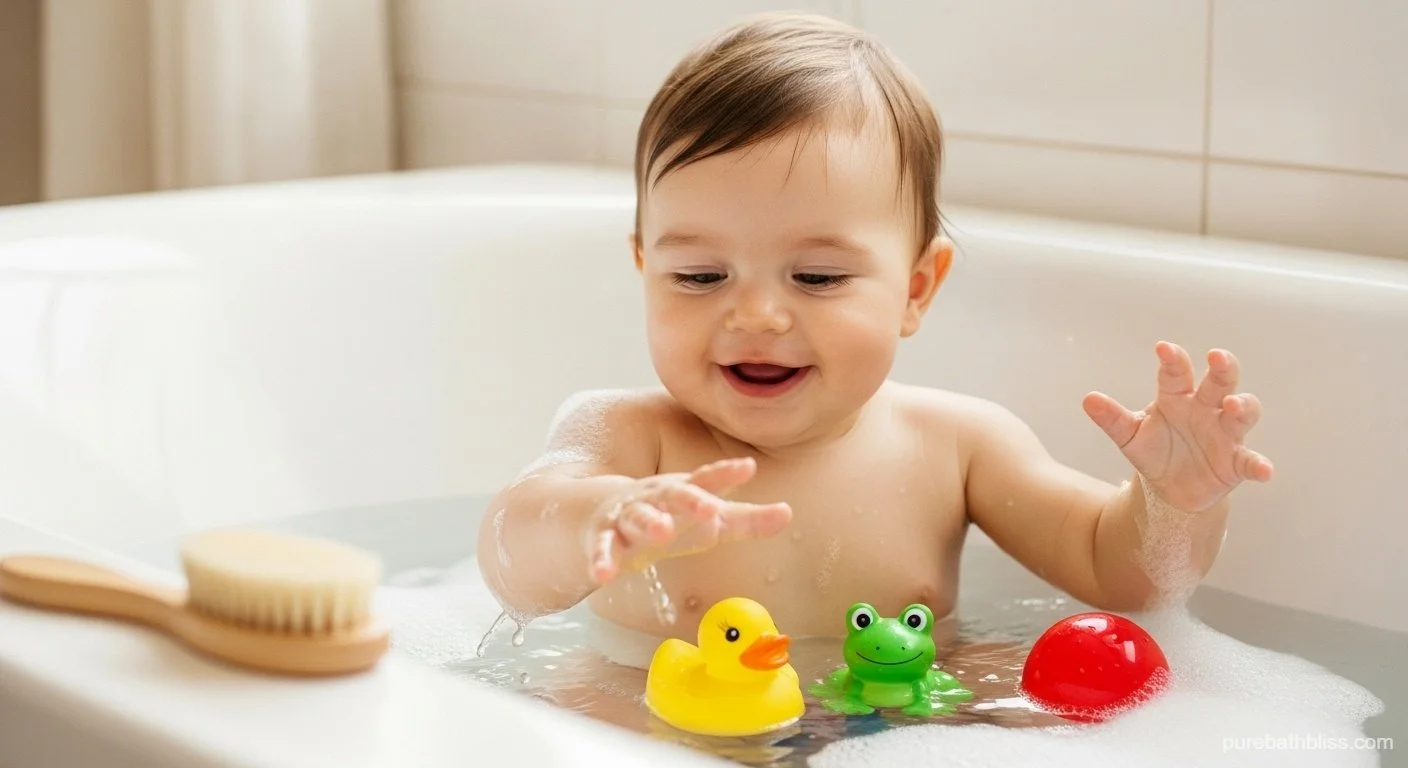
How to Choose Baby-Safe Bath Toys: The Ultimate Guide for Toxin-Free Tub Time
Bath time with your little one should be the highlight of the day—all fun, splashing, and genuine giggles. But for every parent committed to hygiene and sustainability, those moments are often accompanied by a quiet question: Are these toys truly safe? Especially here in the mid-2020s, as parents prioritize eco-friendly and hygienic choices, picking the right bath toys isn't just about fun; it’s about making sure you’re creating a worry-free, healthy environment.
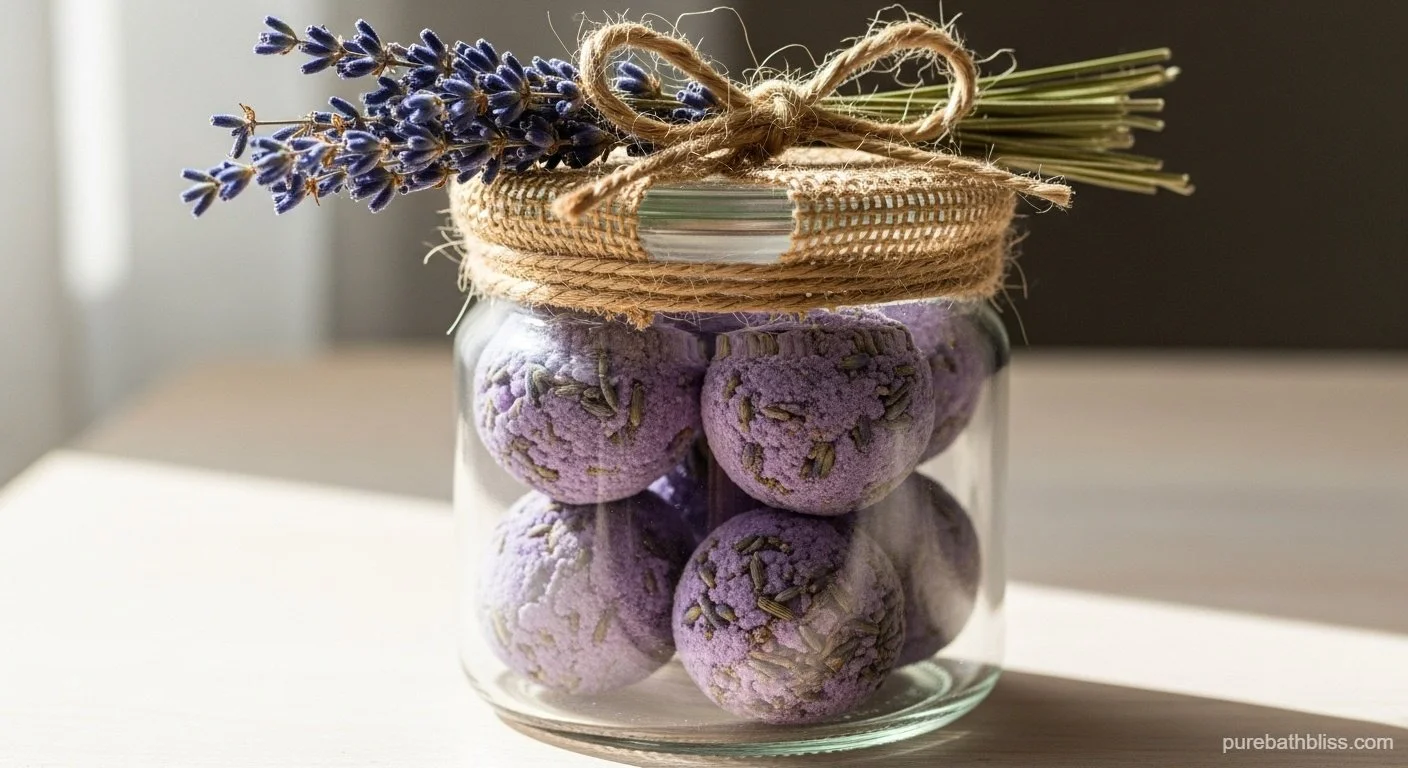
DIY Zero-Waste Toilet Bombs That Dissolve Grime (And Smell Like a Spa)
In a world drowning in single use plastics and toxic chemicals, your bathroom doesn't have to contribute to the mess. Imagine dropping a tiny, fizzing bomb into your toilet bowl that scrubs away grime, eliminates odors, and leaves everything sparkling, all without a single harsh bleach or plastic bottle in sight. These DIY toilet cleaner bombs are the ultimate zero waste hack: made from pantry staples like baking soda and citric acid, infused with antibacterial essential oils, and molded into convenient, septic safe pods. One batch yields 60 bombs, enough for six months of effortless cleaning, saving you money and preventing six plastic bottles from clogging landfills or polluting oceans. Perfect for busy families, eco-conscious renters, or anyone tired of scrubbing with store-bought sprays that harm waterways and indoor air quality. This recipe is beginner-friendly, taking just 20 minutes to whip up, and customizable with scents like lemon for freshness or lavender for calm. Say goodbye to chemical fumes and hello to a naturally fresh throne; your wallet, planet, and nose will thank you. Dive in to transform your cleaning routine into a sustainable ritual that's fun, effective, and guilt-free.

My Baby Drank Bathwater. Will She Be OK?
Bath time is a joyful routine, but it can turn scary if your baby drinks bathwater. Is it harmful? In most cases, a small sip is harmless, but understanding the risks, symptoms, and precautions can ease your mind and keep your bathroom safe. This guide explores what happens if your baby drinks bathwater, when to worry, and how to prevent it.

Homemade Citrus Peel All-Purpose Cleaner (Zero Waste, 10 Cents Per Bottle)
Kitchen scraps like orange peels often rot in landfills, releasing methane; infuse them into a powerhouse cleaner that degreases counters for 100+ sprays without VOCs or plastic bottles. This 10-minute recipe yields 32 oz of golden elixir from vinegar and peels, costing 10 cents per bottle and saving six plastics yearly. Non-toxic, septic-safe, and scented like fresh citrus, it cuts grime on sinks, glass, or floors; dilute for mopping or concentrate for ovens. Collect peels weekly, steep for two weeks, strain into reused glass, and shake for shine. Customizable with lemon oil boosts or herbal twists, it's kid- and pet-friendly, outperforming $8 store sprays. Refill endlessly, travel in mini bottles, or gift kitchen kits. Every spray banishes synthetic fumes, lightens shipping weight (no water hauled), and turns waste into wizardry. Inhale bliss, wipe effortlessly, and join the peel-to-power movement for homes that sparkle inside and out.
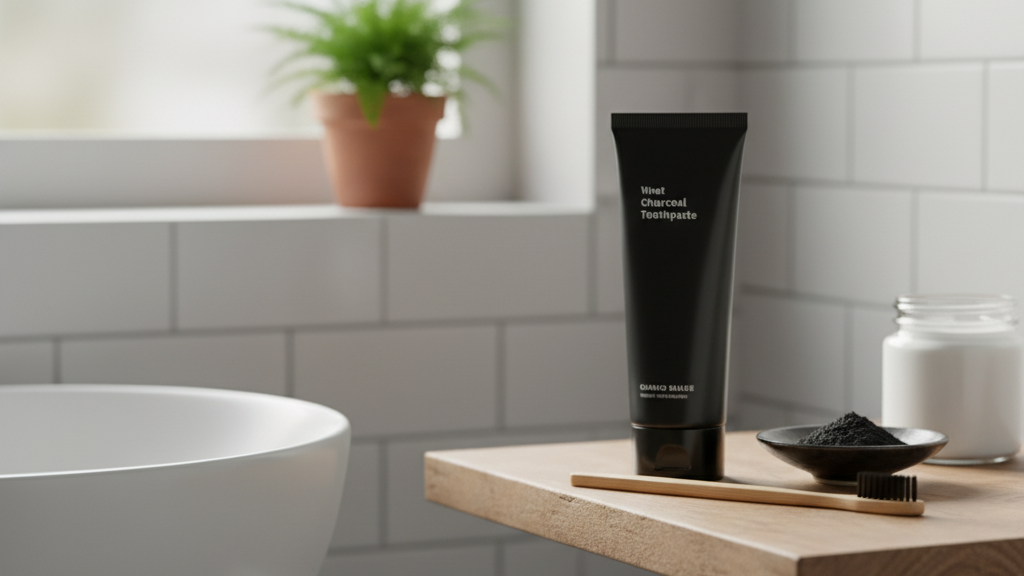
What Does Charcoal Toothpaste Do?
Charcoal toothpaste promises whiter teeth and a detoxified mouth, but what does it actually do? Activated charcoal, the key ingredient, binds to stains and impurities, acting as a natural abrasive. This guide explains its effects on teeth, gums, and overall oral health, helping you decide if it’s worth adding to your bathroom routine with PureBathBliss.com.

Is Regular Shampoo Safe for My Baby? A Parent’s No-Panic Guide to Choosing the Right Cleanser
Hey, new parent—let’s talk about that tiny bottle of “regular” shampoo sitting in your shower caddy. You know, the one with the fancy fragrance that makes you smell like a tropical vacation. It’s tempting to reach for it when your baby’s peach-fuzz hair needs a quick wash, right? But hold up. Babies aren’t mini adults—their skin is thinner, their scalps are more sensitive, and their little bodies are still figuring out how to detox the world. So, is regular shampoo safe for your baby? Spoiler: probably not without some serious label-reading and swaps. Don’t stress—we’re breaking it down together, step by step, like we’re chatting over a warm cup of chamomile. By the end, you’ll know exactly what to look for, what to ditch, and how to keep bath time safe, gentle, and maybe even a little luxurious for your nugget.

Yes, You Can Clean Your Bathroom Floors With Only Hydrogen Peroxide Here's How
Have you ever gazed upon your bathroom floor, a tableau of tile and grout, and felt a familiar dread? The dull film, the lurking grime, the insidious mildew creeping along the grout lines—it’s a battle many of us fight regularly, armed with an arsenal of harsh chemicals that promise sparkle but often deliver only stinging fumes and dubious residues. What if there was a simpler, safer, and remarkably effective solution hiding in plain sight, a humble bottle of hydrogen peroxide waiting to revolutionize your cleaning routine?
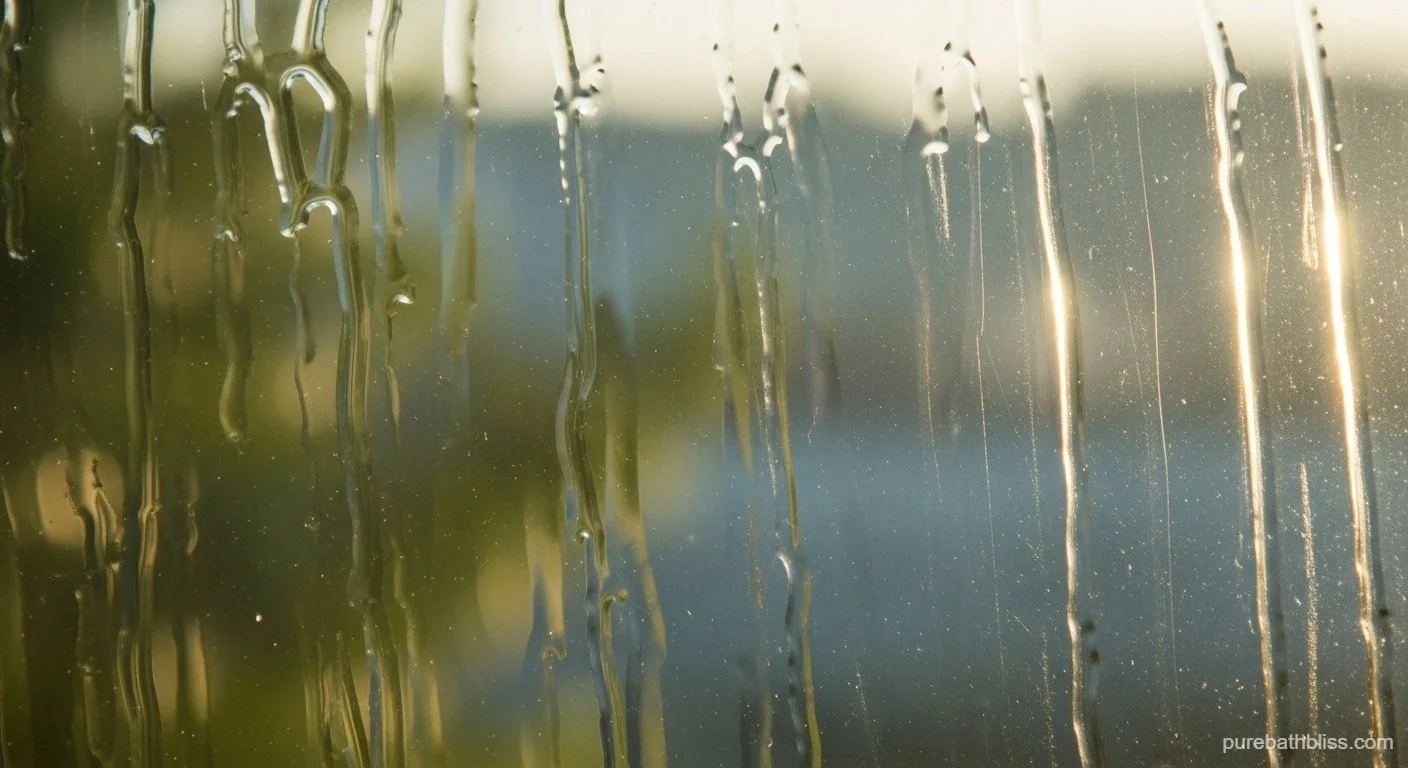
How to Clean Your Glass Surfaces With Dish Soap Without Leaving Any Streaks Behind: A Comprehensive Guide to Pristine Clarity
The quest for truly immaculate glass surfaces often feels like an Sisyphean task. That moment of triumph, as the cleaning cloth glides away, is frequently short-lived, replaced by the disheartening sight of shimmering streaks, phantom smudges that mock one's efforts under the unforgiving gaze of natural light. This pervasive frustration leads many to invest in specialized, often expensive, chemical glass cleaners. Yet, an unassuming hero lurks within most kitchens, possessing the precise molecular architecture to liberate glass from its veiled imperfections: dish soap. This article delves into the meticulous methodology, the underlying scientific principles, and the often-overlooked nuances that transform this quotidian detergent into an alchemical key for achieving unparalleled, streak-free glass clarity.

Is Bubble Bath Safe for My Baby?
Picture this: you’re prepping a cozy, perfectly warm bath for your little one, ready to add a splash of something extra—maybe a capful of bubbles—for some delightful, splashy fun. The idea of your baby surrounded by a cloud of gentle foam is just too cute! But then, a worry creeps in, as it so often does for cautious parents: is bubble bath truly safe for my baby? It’s a completely valid question that every parent faces, especially with tender, delicate skin and those curious hands near the water.
You are absolutely right to take a pause. This article is your essential, go-to guide for making an informed choice. We’ll explore the safety of bubble baths for babies, highlight specific risks associated with common chemical ingredients, and, most importantly, share practical tips and safe alternatives to ensure bath time remains a joyful, bonding, and healthy ritual for your tiny human. Let’s dive in and transform that worry into Pure Bath Bliss confidence!
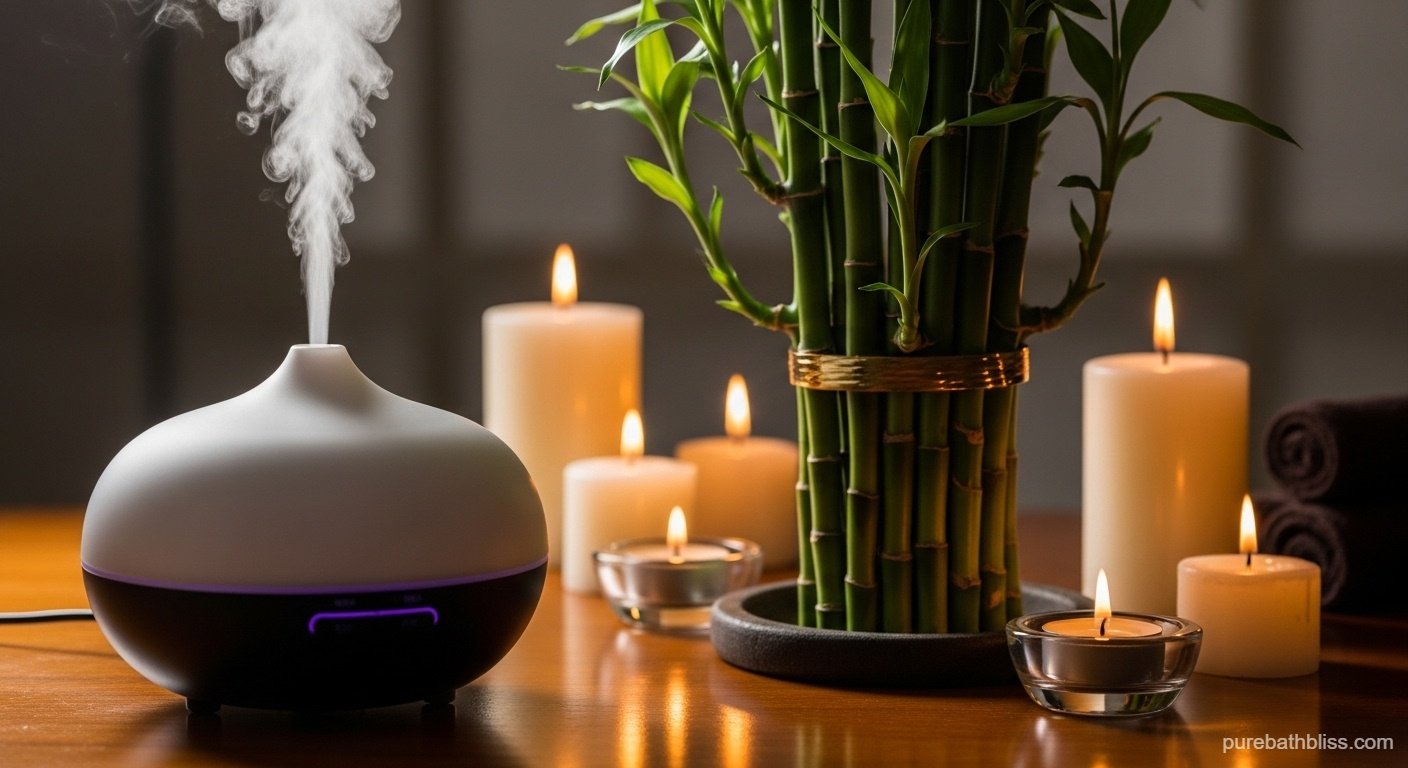
Essential Oils 101: The Best Natural Scents for a Spa-Like, Organic Bathroom Ambiance
Imagine stepping out of your bedroom and into a bathroom that doesn’t just look clean, but feels like a tranquil spa retreat—calming, natural, and entirely your own. No harsh chemical smells, just pure, restorative aroma therapy. This is the power of essential oils, and they can completely transform your daily routine. But if you’ve ever browsed the dizzying array of tiny glass bottles, you’ve probably asked: which ones actually work best for a bathroom space?

The Great Debate: Bar Soap vs. Liquid Soap—Which is Better for Your Skin and the Planet?
You’ve probably stood in the aisle, debating between a bar of soap or a pump of liquid—sound familiar? It’s a classic bathroom dilemma that affects both your skin and the environment. This article dives into the great debate, comparing bar soap and liquid soap to help you decide what’s best for you and the planet.

How to Unclog a Drain With Baking Soda and Vinegar: A Comprehensive Guide to Natural Drain Restoration
The insidious gurgle, the slow-draining sink, the standing pool in the shower – few household woes evoke as much immediate frustration as a clogged drain. It’s a common domestic inconvenience, yet one that can quickly escalate from minor annoyance to a significant disruption. While the market is awash with harsh chemical solutions, many homeowners seek a gentler, more eco-conscious, and equally effective alternative. Enter the unassuming duo: baking soda and vinegar. This classic home remedy, steeped in tradition, offers a powerful, non-toxic approach to drain restoration, harnessing a simple chemical reaction to tackle troublesome blockages.