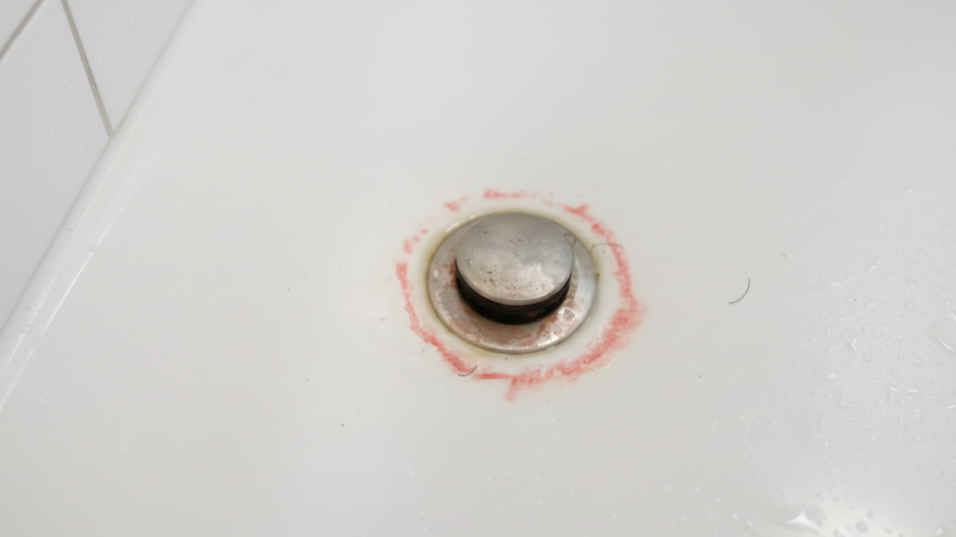
What Is the Red Stuff in Your Shower?
If you’ve noticed a reddish-pink or orange film in your shower, you’re likely dealing with Serratia marcescens, a common airborne bacterium often misnamed “pink mold” or “pink slime.” This slimy residue thrives in warm, moist bathrooms, appearing on shower tiles, grout, drains, curtains, or faucets. While usually harmless, it’s unsightly and can pose minor health risks for some. This guide explains what the red stuff is, how to clean it effectively with eco-friendly methods, and how to prevent it, ensuring a hygienic, sustainable bathroom.

Baby-Proofing Your Luxe Loo: Keeping Aesthetics While Ensuring Infant Safety
Your designer bathroom is a sanctuary. It’s a space where luxury meets tranquility, where every fixture and finish speaks volumes about your refined taste. But what happens when tiny, curious hands and exploring toddlers enter this sophisticated domain? The thought of bulky plastic locks and garish safety gates can make any design-conscious parent cringe. The good news? You don't have to compromise on your bathroom's design. This article offers elegant and practical solutions for baby-proofing a sophisticated space, ensuring infant safety while maintaining both style and security.
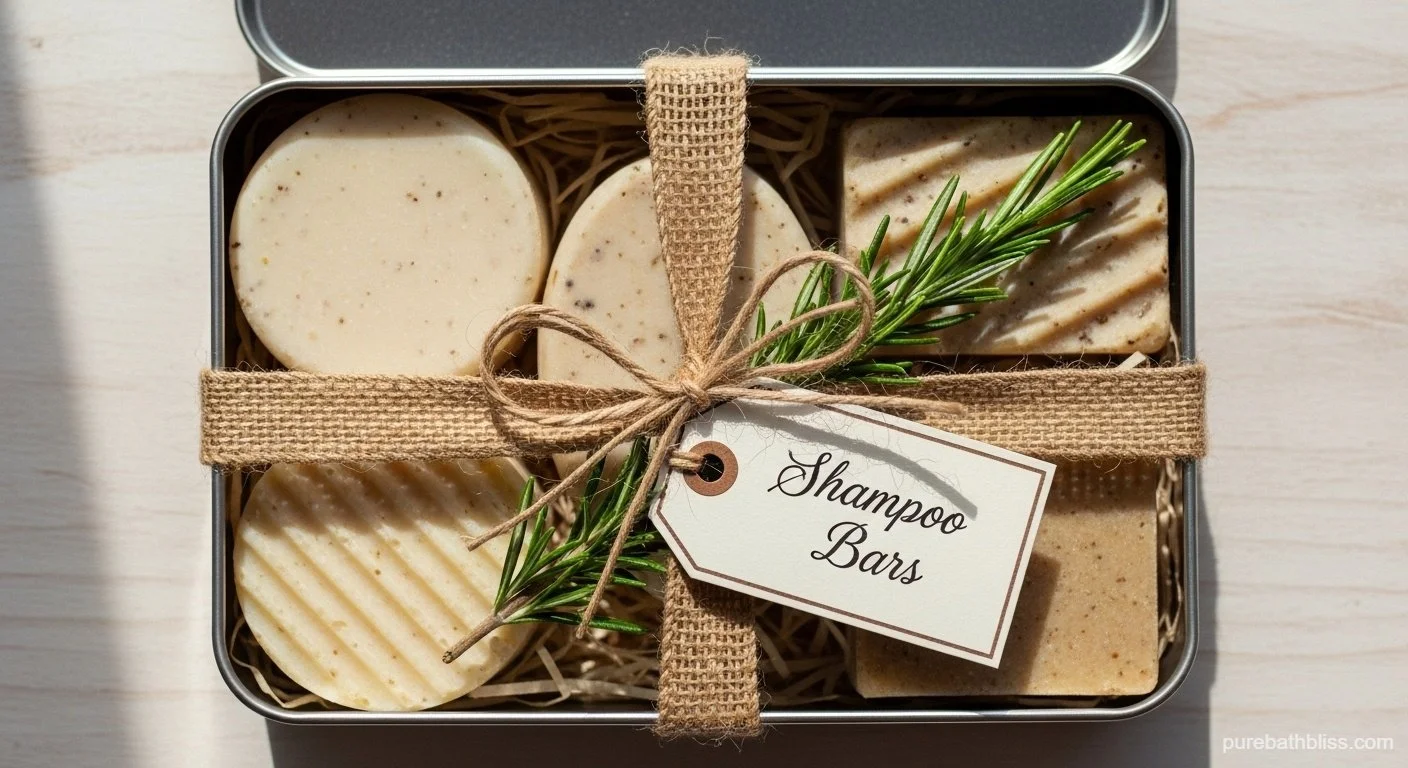
DIY Solid Shampoo Bars (One Bar = Three Plastic Bottles)
Liquid shampoos are 80% water shipped in heavy plastic bottles loaded with sulfates and preservatives—why pay to transport H2O when you can craft concentrated solid bars at home? These DIY shampoo bars pack 80 washes into one compact, zero-waste puck, replacing three plastic bottles per bar and lasting up to nine months. Using simple ingredients like coconut oil, castile soap, and essential oils, you'll create a lathering powerhouse that moisturizes, balances oil, and stimulates growth without the environmental toll. Ideal for travelers (TSA-friendly!), gym-goers, or minimalists ditching bottle clutter, this 15-minute recipe yields three bars for under $2. No awkward "transition period"—it works from the first wash, leaving hair shiny, scalp healthy, and oceans free of microplastics. Pair with an optional apple cider vinegar rinse for pH-balanced brilliance. Embrace the switch to solid hair care: lighter on the planet, gentler on your locks, and infinitely refillable. Join the zero-waste hair revolution and feel the difference with every rub, rinse, and repeat.

Water Wisdom: Ensuring Optimal Temperature & Purity for Baby's Bath
When our first child was born, bath time felt like a production. My wife and I had read enough to be cautious but not enough to feel confident. We debated the thermometer. We argued about how many inches of water. We bought three different baby washes before landing on one that did not leave her skin red and irritated. We were doing a lot of things right and one thing that neither of us had thought through at all: the water itself.
Not the temperature, though that matters enormously. The chemistry of the water. What is in it, what it does to skin that is three times thinner and significantly more permeable than adult skin, and why a baby who has been bathed twice a week in regular tap water can end up with persistent dryness and irritation that parents spend months trying to solve with creams and products when the solution was the water all along.
By our fourth child, bath time was calm and informed. This guide covers everything we learned, including what the American Academy of Pediatrics and Mayo Clinic actually say about temperature, the specific chemistry that makes chlorinated tap water problematic for infant skin, and the practical filtration options that make a real difference without requiring a whole-house plumbing overhaul.

Are Bath Bombs Good for My Skin?
Bath bombs transform bath time into a luxurious, spa-like experience with their fizz, scents, and colors, but are they good for your skin? In 2025, as eco-conscious bathroom routines gain traction, understanding the benefits and risks of bath bombs is key to maintaining healthy, hydrated skin. This guide explores how bath bombs affect your skin, which ingredients to seek or avoid, and how to use them sustainably, aligning with PureBathBliss.com’s mission for hygienic, eco-friendly bathrooms.
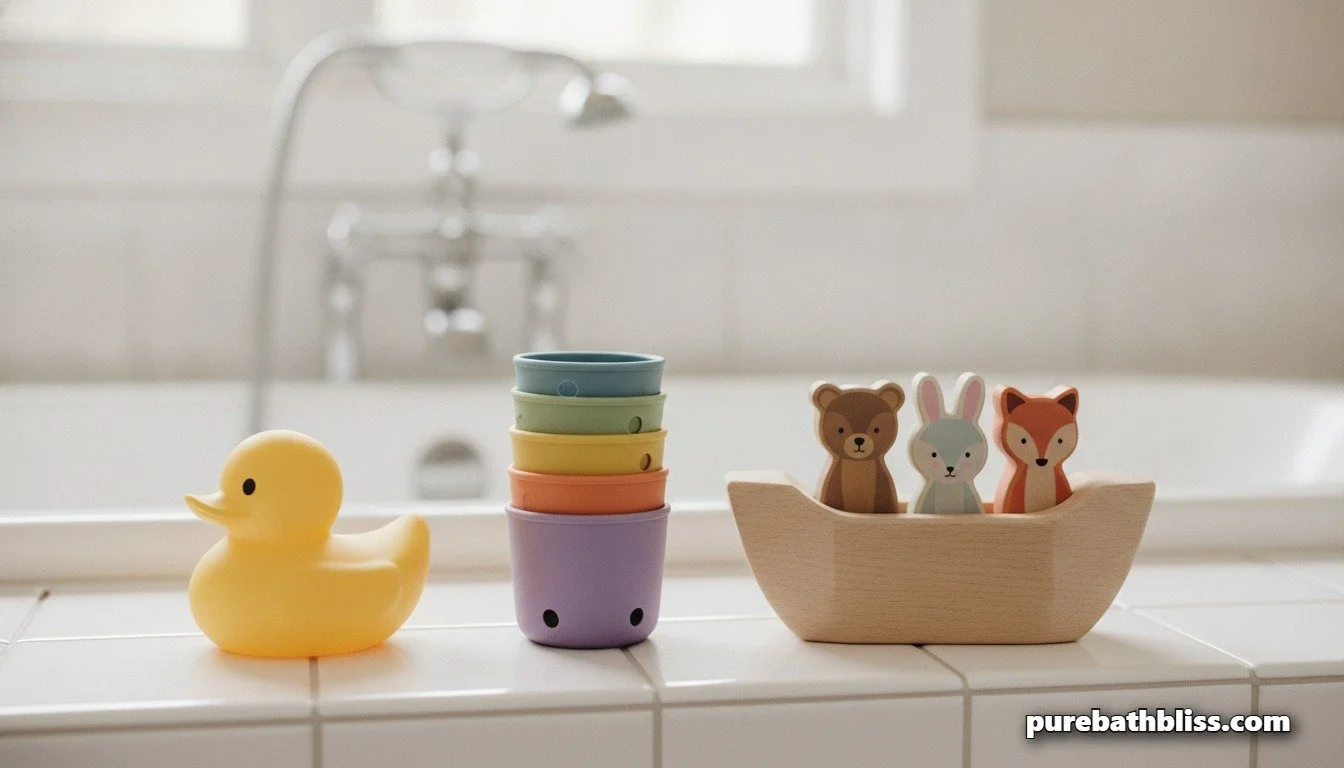
How to Choose Baby-Safe Bath Toys: The Complete Non-Toxic Buying Guide
The bath toy aisle looks harmless. Bright colours, friendly shapes, affordable prices. What most parents do not know is that the majority of conventional bath toys are made from materials that leach chemicals into warm water and are designed in ways that guarantee mold growth inside them. This guide covers what to look for, what to avoid, and the best non-toxic options available right now.
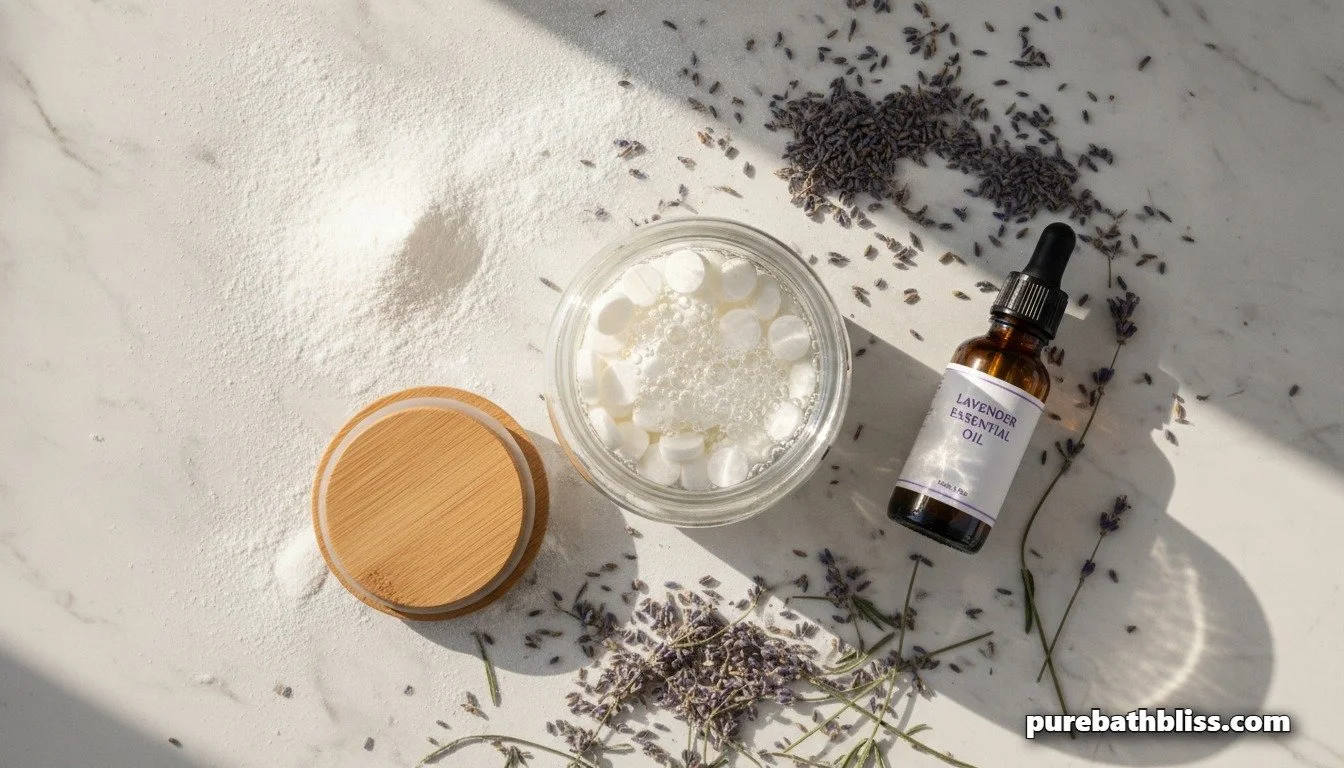
DIY Zero-Waste Toilet Bombs That Dissolve Grime (And Smell Like a Spa)
I'll be honest about how this started. A few years ago I was standing in the cleaning aisle at the grocery store, staring at a plastic jug of blue toilet cleaner, doing the math. Six dollars a bottle, roughly two bottles a month across four bathrooms, twelve plastic jugs a year heading to a landfill. And I hadn't even thought about what was actually in the stuff, synthetic fragrance, hydrochloric acid, bleach derivatives. We were pouring that into our toilets and flushing it into the water system every single week.
I put the jug back and went home and started experimenting. What I landed on were these toilet cleaning bombs, small, dense little tablets made from baking soda and citric acid with essential oils pressed into them. You drop one in the bowl, it fizzes for a few minutes, you give it a light brush, and you flush. The toilet comes out genuinely clean, smells incredible, and the whole thing cost me about eighteen cents.
I've been making them ever since. One batch takes about twenty minutes and makes twenty-four bombs, roughly a month's supply for our household. Here's exactly how to make them.

A Pro Organizer Shared Their Under-the-Sink Decluttering Trick And It’s Surprisingly Easy
Hey, friend, let's talk about that chaos under your bathroom sink—the one place where half-empty shampoo bottles, mystery cleaners, and who-knows-what-else live in a tangled mess. I totally get it; it's the Bermuda Triangle of your home, where things go in but never come out organized.

My Baby Drank Bathwater. Will She Be OK?
Bath time is a joyful routine, but it can turn scary if your baby drinks bathwater. Is it harmful? In most cases, a small sip is harmless, but understanding the risks, symptoms, and precautions can ease your mind and keep your bathroom safe. This guide explores what happens if your baby drinks bathwater, when to worry, and how to prevent it.

Homemade Citrus Peel All-Purpose Cleaner (Zero Waste, 10 Cents Per Bottle)
Kitchen scraps like orange peels often rot in landfills, releasing methane; infuse them into a powerhouse cleaner that degreases counters for 100+ sprays without VOCs or plastic bottles. This 10-minute recipe yields 32 oz of golden elixir from vinegar and peels, costing 10 cents per bottle and saving six plastics yearly. Non-toxic, septic-safe, and scented like fresh citrus, it cuts grime on sinks, glass, or floors; dilute for mopping or concentrate for ovens. Collect peels weekly, steep for two weeks, strain into reused glass, and shake for shine. Customizable with lemon oil boosts or herbal twists, it's kid- and pet-friendly, outperforming $8 store sprays. Refill endlessly, travel in mini bottles, or gift kitchen kits. Every spray banishes synthetic fumes, lightens shipping weight (no water hauled), and turns waste into wizardry. Inhale bliss, wipe effortlessly, and join the peel-to-power movement for homes that sparkle inside and out.

4 Things You Should Never Store on Bathroom Countertops, According to Cleaning Pros
Your bathroom countertop is prime real estate—it’s small, highly visible, and oh-so-tempting for tossing daily essentials like toothbrushes, makeup sponges, and a stack of clean washcloths. But according to cleaning and home organization pros, that sleek surface is a silent moisture magnet, and what you leave out can quickly turn into a breeding ground for bacteria, mold, or just plain grime.

6 Things You Should Never Store in Your Bathroom, According to Pro Organizers
Hey, let's be real—your bathroom is the one room where you want to feel relaxed, not overwhelmed by stuff that's basically begging for trouble. But it's easy to turn it into a catch-all for everything from your favorite makeup to that extra pack of toilet paper. The problem? Humidity, heat, and steam can wreak havoc on a ton of items, leading to ruined products, health risks, and even bigger cleaning headaches. As a seasoned home and lifestyle journalist who's chatted with countless pro organizers, I can tell you: it's time to rethink what belongs in there. We're diving into six things experts say you should never store in your bathroom, backed by their insights and real-world reasons. By the end, you'll have the tools to declutter like a boss and create a space that's as functional as it is fresh. Ready to refresh your routine? Let's go!
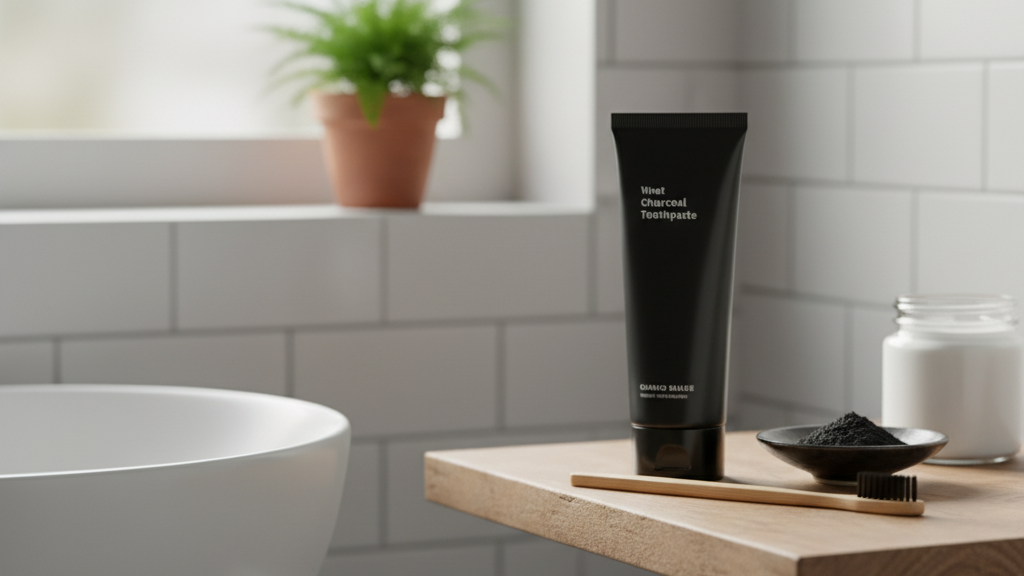
What Does Charcoal Toothpaste Do?
Charcoal toothpaste promises whiter teeth and a detoxified mouth, but what does it actually do? Activated charcoal, the key ingredient, binds to stains and impurities, acting as a natural abrasive. This guide explains its effects on teeth, gums, and overall oral health, helping you decide if it’s worth adding to your bathroom routine with PureBathBliss.com.
Is Regular Shampoo Safe for My Baby? A Parent’s No-Panic Guide to Choosing the Right Cleanser
Hey, new parent—let’s talk about that tiny bottle of “regular” shampoo sitting in your shower caddy. You know, the one with the fancy fragrance that makes you smell like a tropical vacation. It’s tempting to reach for it when your baby’s peach-fuzz hair needs a quick wash, right? But hold up. Babies aren’t mini adults—their skin is thinner, their scalps are more sensitive, and their little bodies are still figuring out how to detox the world. So, is regular shampoo safe for your baby? Spoiler: probably not without some serious label-reading and swaps. Don’t stress—we’re breaking it down together, step by step, like we’re chatting over a warm cup of chamomile. By the end, you’ll know exactly what to look for, what to ditch, and how to keep bath time safe, gentle, and maybe even a little luxurious for your nugget.
Why Does My Bathroom Smell? 7 Causes and Exactly How to Fix Each One
There is a specific kind of frustration that comes from a bathroom that smells bad even though you just cleaned it. You have wiped down every surface, scrubbed the toilet, bleached the grout, and the moment you close the door and come back twenty minutes later, that smell is still there. It is one of the most common complaints I hear from homeowners, and the answer is almost always the same: you were cleaning the surfaces, but the smell is coming from somewhere else entirely.
Bathroom odors have specific sources. Each source has a specific smell, a specific location, and a specific fix. Once you know what to look for, diagnosing the problem is usually straightforward and the fix is almost always something you can handle yourself without calling a plumber.
Here are the seven most common causes of bathroom odor, how to tell which one you are dealing with, and exactly what to do about each one.
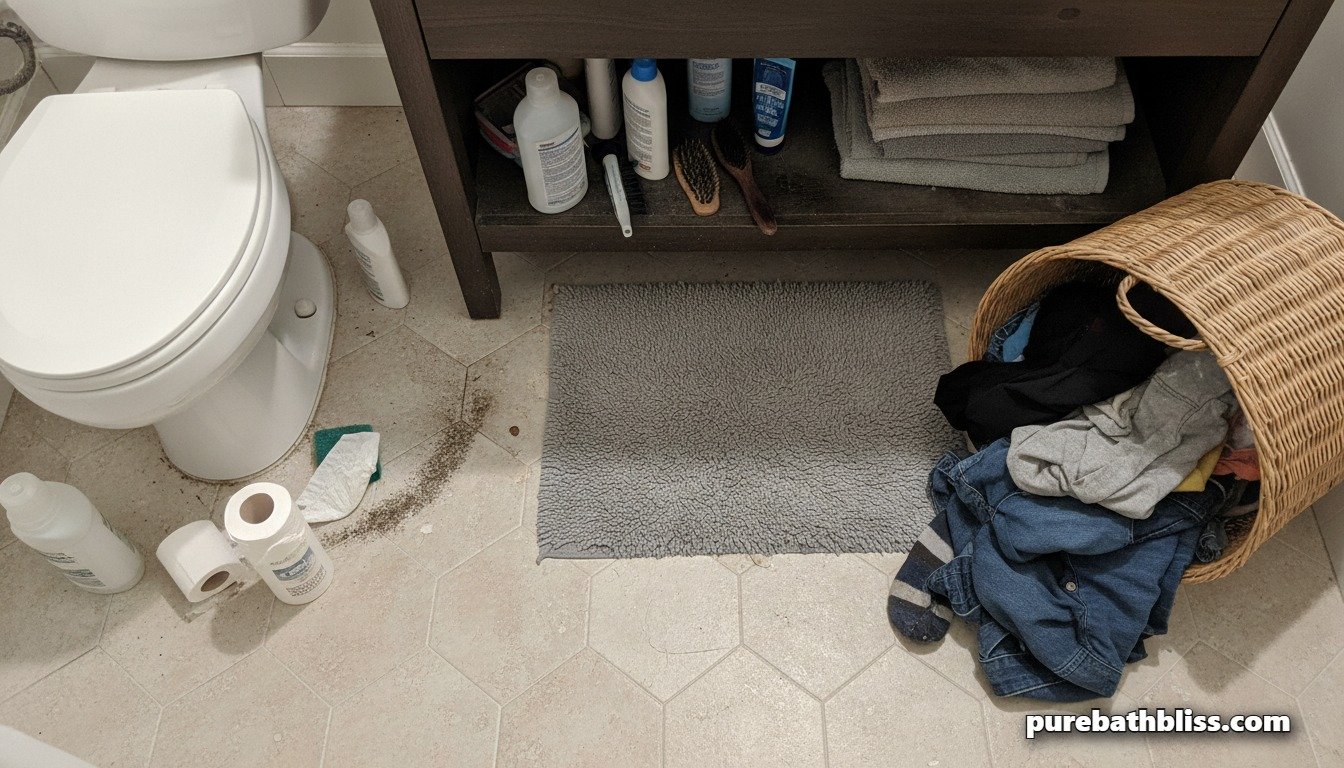
5 Signs Your Bathroom Is Way Overcluttered (And What to Do About Each One)
A while back we had some family staying with us for a week. Nothing reveals the state of your bathroom faster than guests using it. On the first day my sister very diplomatically mentioned that she couldn't find the hand soap because it was behind three half-used bottles of something else and that she'd knocked over a moisturizer reaching for the towels.
I went in and actually looked at the bathroom the way a stranger would. It was bad. Not dirty, exactly, but dense. Every surface had things on it. The cabinet under the sink was so full you had to hold items back with one hand while retrieving something with the other. There were four bottles of shampoo at various stages of emptiness. A hair dryer cord was permanently draped across the counter. The towel shelf had so many towels stacked on it that they'd started migrating sideways.
We fixed it over one weekend, and the bathroom has felt like a completely different room since. What struck me most was how much the clutter had become invisible to us. We'd stopped seeing it as a problem because it had accumulated so gradually.
Here are the five signs that your bathroom has crossed from "a bit messy" into genuinely overcluttered, and what to actually do about each one.
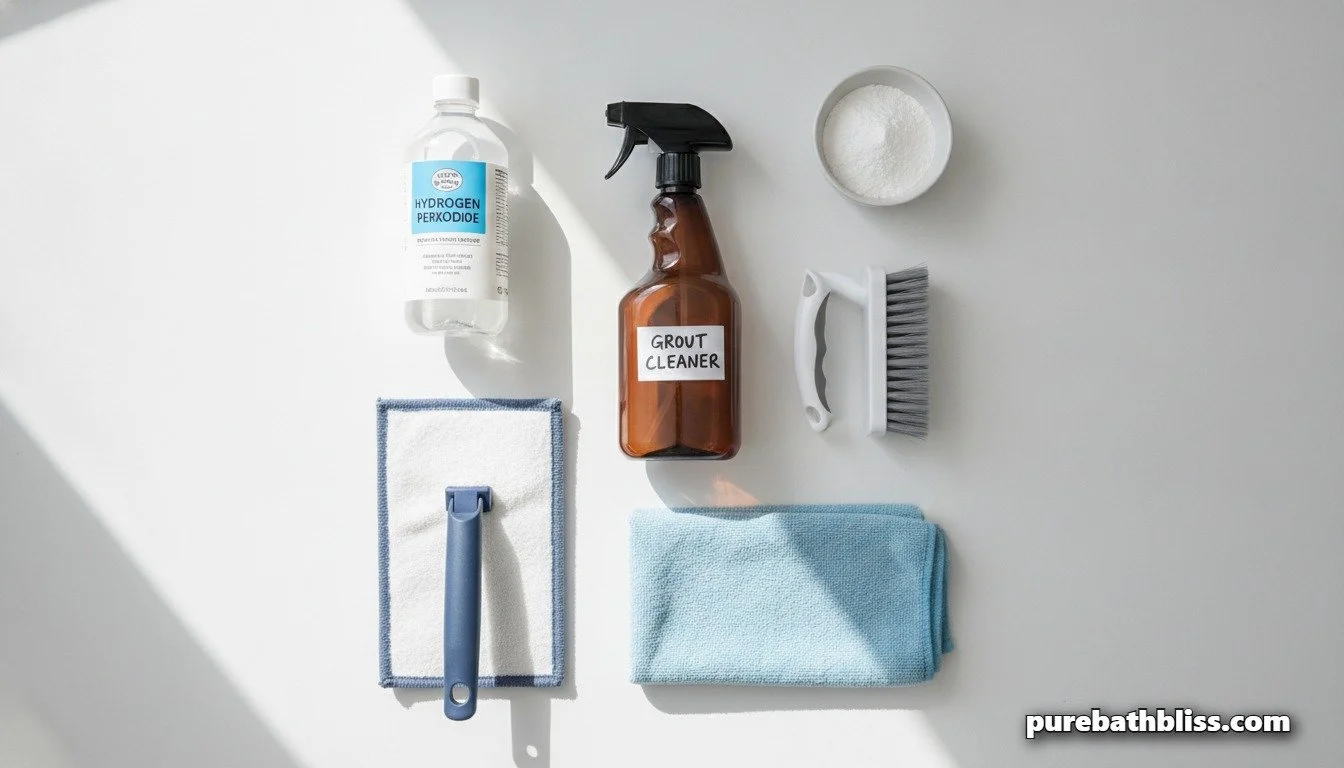
Yes, You Can Clean Your Bathroom Floors with Only Hydrogen Peroxide — Here's How
For a long time, the brown bottle of hydrogen peroxide in our medicine cabinet had one job: go on cuts. That was it. It sat there between the bandages and the thermometer and served its single purpose until the bottle was mostly empty and we bought another one.
I started using it for bathroom floor cleaning a few years ago after going through our cleaning products and realising how much of what was under the sink was unnecessary. The commercial floor cleaner had a fragrance that lingered for hours. The bleach-based disinfectant left a residue that required a second rinse. The grout cleaner contained hydrochloric acid that had stripped the colour from a section of our grout after I left it on too long. Four kids on a bathroom floor is a scenario that needs genuine disinfection, not industrial chemistry.
Hydrogen peroxide is genuinely effective, and a 2025 study published in Infection Prevention in Practice specifically tested 3 percent hydrogen peroxide on urine-contaminated floors and confirmed its efficacy as a disinfectant for exactly the kind of surface a family bathroom floor is. It breaks down into water and oxygen. It leaves no chemical residue. And it costs less than two dollars a bottle. Here is the complete method.

Is 2-Ply Toilet Paper Actually the Best? What Ply, Fiber, and GSM Really Mean
Most people choose toilet paper by ply count and price. Both are among the least useful metrics available. Fiber source, GSM paper weight, bleaching method, and disintegration rate tell you far more about how a roll will perform and what it is doing to your plumbing and your household's chemical exposure than the number printed on the front. Here is the complete guide to what actually matters.
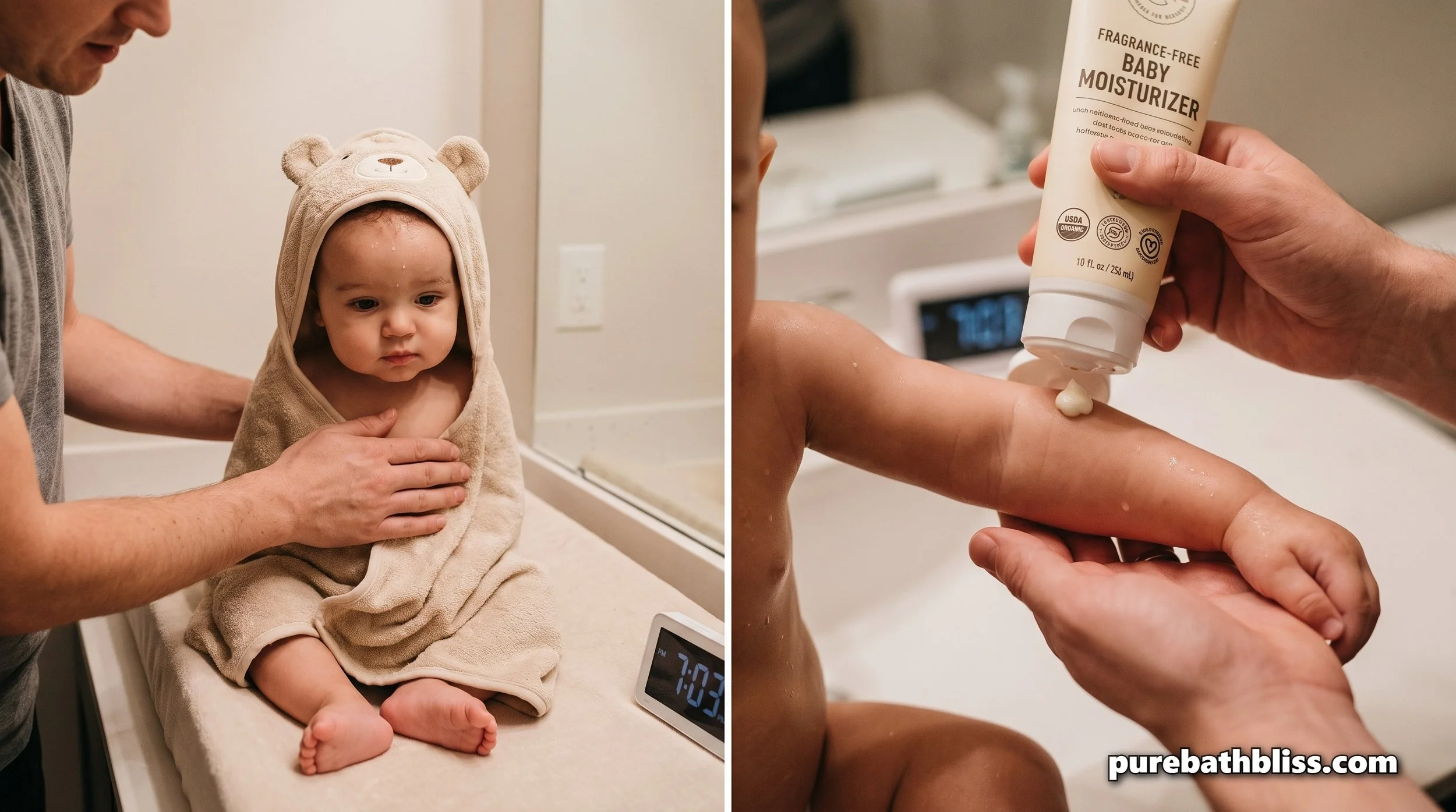
Is Bubble Bath Safe for My Baby? The Pediatric Science, Age Guidelines, and Safer Alternatives
The bubble bath question is one of the most common baby bath safety questions pediatricians receive, and the honest answer is more nuanced than most parenting guides provide. The risks are real, specific, and tied to particular ingredients and ages rather than to bubble baths as a category. Here is what the science says, what soap vulvitis is and why most parents have never heard of it, the age guidelines from pediatric authorities, and the specific alternatives that make bath time just as fun without any of the clinical concerns.
You are absolutely right to take a pause. This article is your essential, go-to guide for making an informed choice. We’ll explore the safety of bubble baths for babies, highlight specific risks associated with common chemical ingredients, and, most importantly, share practical tips and safe alternatives to ensure bath time remains a joyful, bonding, and healthy ritual for your tiny human. Let’s dive in and transform that worry into Pure Bath Bliss confidence!

How to Unclog a Drain with Baking Soda and Vinegar (And When It Won't Work)
Most slow bathroom drains are caused by a biofilm of hair, soap scum, and bacteria that builds up gradually in the pipe. Baking soda and vinegar breaks that down without harsh chemicals, and the method costs about twenty cents. Here is the exact protocol, why covering the drain matters, and the honest list of clogs this method cannot fix.