Is It Safe to Eat in the Bathroom?
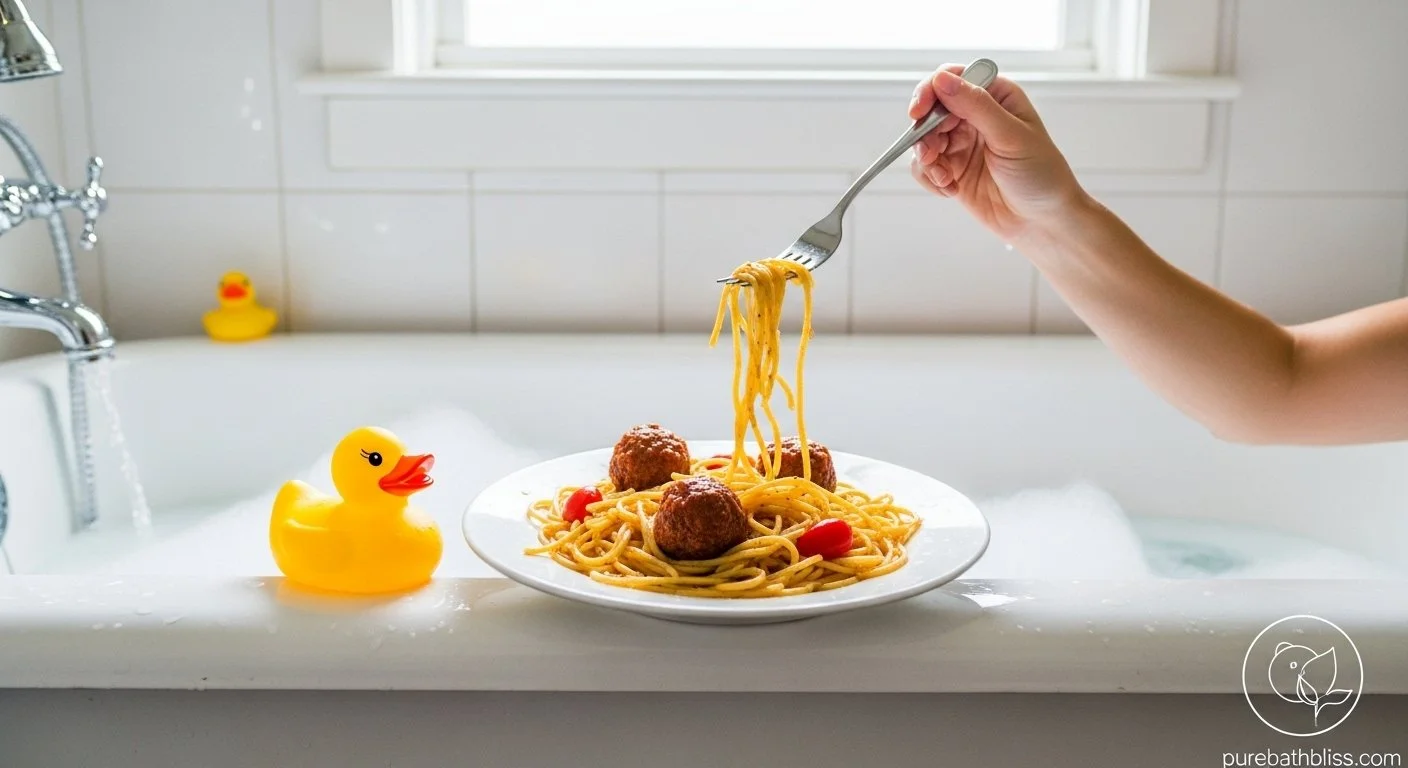
Eating in the bathroom might seem convenient in a rush or during a relaxing bath, but is it safe? Bathrooms are high-moisture environments prone to bacteria, mold, and germs, raising serious hygiene concerns when food is involved. From airborne contaminants to surface bacteria, the risks of eating in this space can outweigh the convenience. This guide explores why eating in the bathroom is generally unsafe, the specific health risks involved, and how to maintain a hygienic bathroom to minimize contamination, all while aligning with eco-friendly practices for a healthier home.
Why Eating in the Bathroom Is Risky
Bathrooms are designed for personal hygiene, not food consumption. Their warm, humid conditions create a breeding ground for bacteria, mold, and other pathogens that can contaminate food. Unlike kitchens, which are typically sanitized for food prep, bathrooms are exposed to fecal matter, skin cells, and cleaning product residues, making them unsuitable for eating. Even a clean bathroom poses risks due to its unique environment and frequent use.
1. Bacterial Contamination
Bathrooms harbor bacteria like E. coli, Salmonella, and Staphylococcus from toilet use, handwashing, or skin shedding. Flushing a toilet, especially without closing the lid, can aerosolize fecal particles, spreading them up to 6 feet onto surfaces like countertops, toothbrushes, or towels. If you’re eating in the bathroom, these airborne germs can settle on your food, increasing the risk of foodborne illnesses, which cause symptoms like nausea, vomiting, or diarrhea.
2. Mold and Mildew Growth
The high humidity in bathrooms, especially after showers, promotes mold and mildew growth on tiles, grout, and drains. Mold spores can become airborne and land on food, potentially causing allergic reactions or respiratory issues, particularly for children or those with asthma. Even small amounts of mold exposure through food can trigger health problems in sensitive individuals.
3. Surface Contamination
Bathroom surfaces like sinks, counters, or ledges where you might place food are often exposed to soap scum, hair, or bacteria from daily use. Even if cleaned regularly, these surfaces may retain traces of cleaning products or germs, which can transfer to food or utensils. For example, a sink used for brushing teeth or washing hands may have biofilm residue, posing a contamination risk.
4. Chemical Residues
Cleaning products used in bathrooms, even eco-friendly ones, can leave residues on surfaces or in the air. If food comes into contact with these residues—say, from placing a snack on a countertop—it could lead to ingestion of harmful chemicals, causing irritation or toxicity. This is especially concerning for children or those with sensitivities.
Health Risks of Eating in the Bathroom
Consuming food in a bathroom can lead to:
Foodborne Illness: Bacteria like E. coli or Salmonella can cause stomach upset, fever, or severe infections.
Allergic Reactions: Mold spores may trigger allergies or asthma attacks.
Chemical Exposure: Residual cleaners can cause nausea or irritation if ingested.
Cross-Contamination: Germs from bathroom activities (e.g., toileting, washing) can transfer to food, increasing infection risk.
When Might It Seem “Safe”?
In rare cases, eating in the bathroom might feel necessary, like snacking during a long bath or in a small apartment with limited space. However, even in these scenarios, precautions are essential:
Close the Toilet Lid: Always close the lid before flushing to minimize aerosolized particles.
Use a Clean Surface: Place food on a clean, dry tray or plate, never directly on bathroom surfaces.
Ventilate the Space: Run an exhaust fan for 20–30 minutes to reduce humidity and airborne mold spores.
Clean Thoroughly: Sanitize surfaces with a 1:1 vinegar-water solution before and after eating.
Even with these measures, the bathroom remains a risky place for food due to its inherent germ load and humidity.
How to Maintain a Hygienic Bathroom
To minimize contamination risks and keep your bathroom as clean as possible, follow these eco-friendly practices:
Clean Regularly: Wipe surfaces daily with a microfiber cloth and mild soap, and deep clean weekly with a vinegar-water solution to remove biofilm and soap scum.
Ventilate Daily: Run an exhaust fan for 20–30 minutes after showers to reduce humidity and mold growth.
Use Antibacterial Materials: Opt for bamboo accessories like soap dishes or toothbrush holders, which naturally resist bacteria.
Install Drain Screens: Prevent hair and debris buildup in drains to reduce bacterial growth.
Store Food Elsewhere: Keep food in a designated kitchen or dining area to avoid cross-contamination.
Why You Should Avoid Eating in the Bathroom
Eating in the bathroom is generally unsafe due to the high risk of bacterial, mold, and chemical contamination. The bathroom’s humid environment and frequent exposure to germs make it unsuitable for food consumption, even with precautions. By maintaining a rigorous cleaning schedule and using eco-friendly materials, you can keep your bathroom hygienic, but it’s best to eat in a kitchen or dining area designed for food safety. Prioritizing hygiene and ventilation ensures a healthier home for you and your family.