The Cleanup Protocol: When a Child is Sick on the Bathroom Floor
As a parent, your first instinct is comfort; as a builder, mine is surface protection. Stomach acid is a highly corrosive substance. On the pH scale, it sits between 1.5 and 3.5, similar to a strong industrial cleaner or lemon juice. If left to sit, it can etch your stone counters, dull your brushed brass fixtures, and eat through the sealers on your floor.
In 2026, we are moving away from harsh bleach-based cleanups that destroy air quality. Whether you have a seamless microcement bathroom finish or tile with high-performance epoxy grout, the goal is a "Safe-Scrub" that neutralizes the acid and removes the odor without damaging your home's infrastructure.
Here is the professional 4-step protocol for cleaning up after a "Stomach Bug" incident.
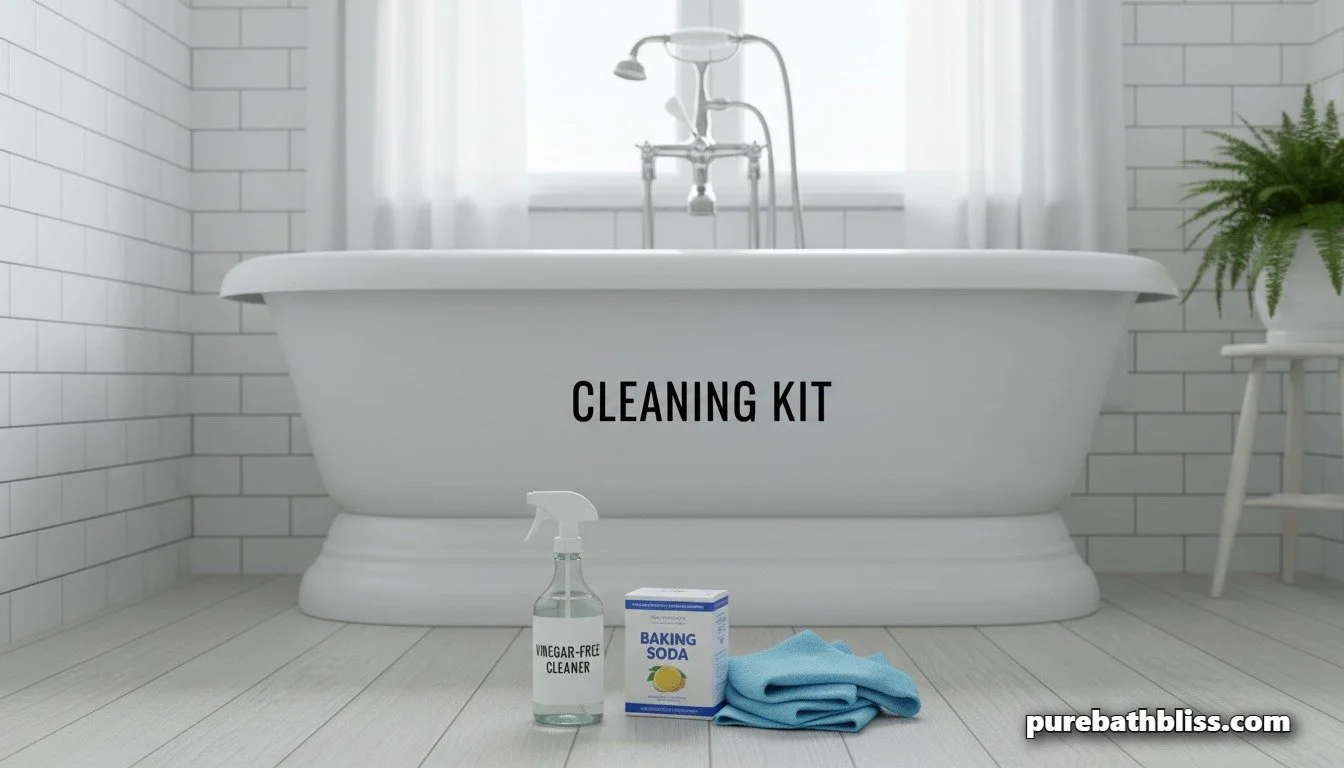
1. Neutralize the Acid (The Baking Soda Shield)
Because vomit is acidic, your first move is to bring the pH back to neutral. This stops the "etching" process on your flooring.
The Step: After the initial bulk cleanup (using a dustpan or cardboard to avoid spreading), sprinkle a thick layer of dry baking soda over the area.
The Benefit: The baking soda reacts with the acid to neutralize it. It also acts as a natural desiccant, clumping the remaining moisture together so it can be easily swept up. This prevents the moisture from soaking into your sink seals or baseboards.
2. The "Safe-Scrub" Disinfection
Avoid ammonia or bleach-heavy sprays, which can off-gas in a small space.
The Solution: Use an enzymatic cleaner or a mix of warm water and a few drops of dish soap.
The Technique: Spray the area and let it sit for 5 minutes. This allows the enzymes to break down the organic proteins. Wipe with a microfiber cloth, moving from the outside of the spill toward the center to prevent spreading the "bio-load" into your grout lines.
3. Surface-Specific Cleanup Guide
| Surface Type | Immediate Risk | The "Builder" Protocol |
|---|---|---|
| Microcement | Sealer Clouding | Neutralize w/ Baking Soda; No Vinegar. |
| Standard Tile | Grout Staining | Use Enzymatic Cleaner; Scrub w/ Soft Brush. |
| Natural Marble | Deep Etching | pH-Neutral Soap Only; Buff Dry ASAP. |
| Wood Cabinets | Warping/Swelling | Wipe Dry; Apply Wood Conditioner Post-Clean. |
4. Atmospheric Recovery
Once the floor is clean, you must address the "Odor Infrastructure."
Mechanical Ventilation: Turn your exhaust fan to its highest setting. If you followed our "High-Hang" curtain hack, the air will circulate more efficiently, pulling the VOCs out of the room.
Passive Absorption: Place a fresh bowl of baking soda or an activated charcoal bag near the site of the spill. Avoid "masking" with heavy candles, which can irritate a sick child's sensitive stomach.
Summary: The Sick-Day Cleanup Checklist
Bulk Remove: Use a disposable tool (cardboard/paper plates) to remove the bulk.
Neutralize Fast: Use baking soda to kill the acid before it etches the floor.
Enzymatic Clean: Break down the organic matter with safe, non-toxic soaps.
Protect the Seals: Ensure no moisture is left sitting around your sink seals.
Cycle the Air: Run the fan for at least 60 minutes post-cleanup.
Wash the Cloths: Launder any microfiber cloths in high heat to sanitize.
Check the Finish: Once dry, inspect your brushed brass or stone for any dull spots.
Cleaning up after a sick child is never pleasant, but by following a "Builder-Grade" protocol, you can ensure that the only thing that needs recovery is your little one—not your bathroom floor.