How to Make Your Bathroom Smell Like a Spa (Without Synthetic Fragrance)
Transparency Note: We independently select these products based on research and user reviews. If you buy something through our links, we may earn a commission.
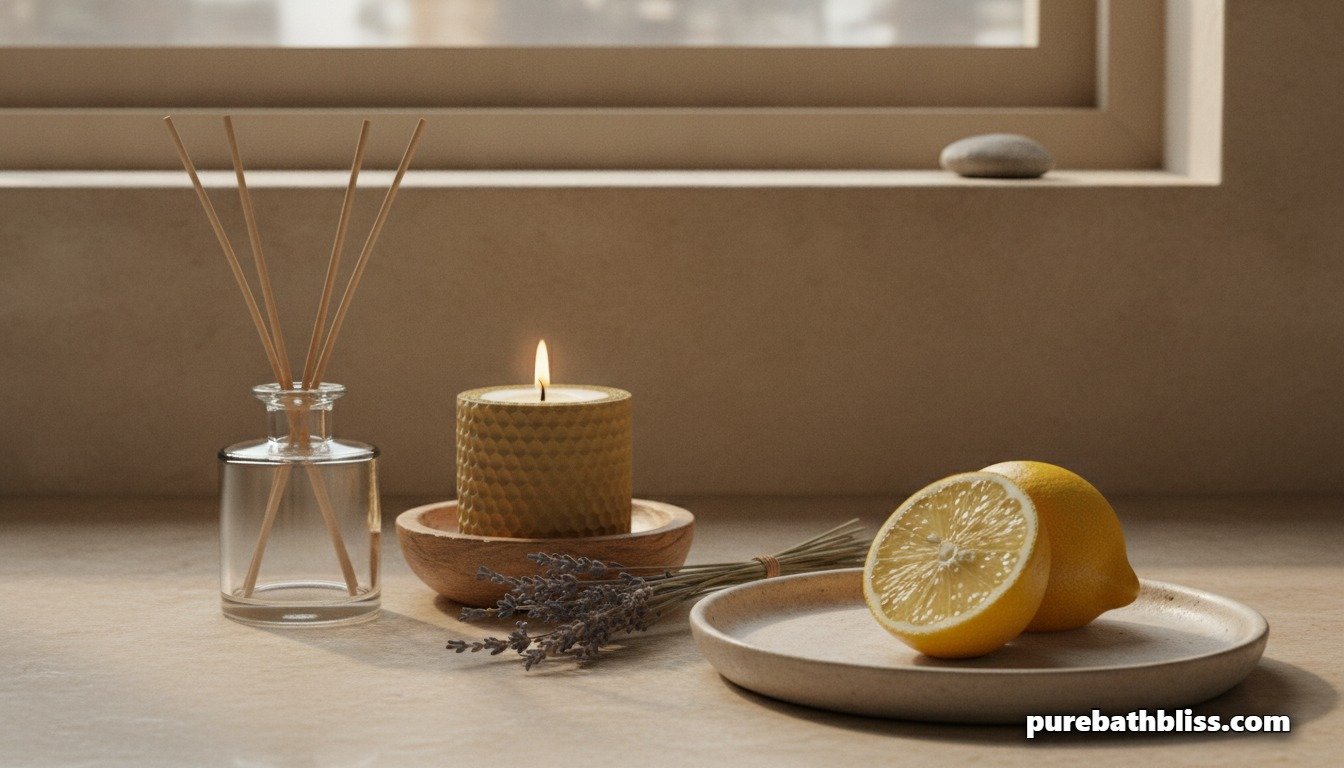
A few years ago we stayed at a small boutique hotel for a weekend away and the bathroom was unremarkable in every visual way. Small, simply tiled, nothing expensive. But from the moment you walked in it smelled extraordinary. Warm, clean, faintly herbal, with something underneath that was hard to name but felt immediately calming. I spent an embarrassing amount of time trying to identify the source. It turned out to be three things working together: a small reed diffuser on the windowsill with eucalyptus and cedarwood, a beeswax candle on the vanity, and a bundle of dried lavender tucked behind the toilet. That was it. No plug-ins, no aerosol, no synthetic fragrance. Just three simple things chosen well.
I came home and immediately looked at our own bathroom through the same lens. What we had was a synthetic air freshener that released a burst of artificial "ocean mist" every thirty minutes, a scented candle made from paraffin wax and fragrance oil, and a bathroom that, despite regular cleaning, had a background smell I had become so used to I barely noticed it anymore. A slightly damp, slightly chemical combination that was the opposite of the hotel bathroom.
What followed was a complete rethink of how we approach scent in the bathroom. Here is everything that actually works, in order from the quickest wins to the more considered approaches.
The Problem with Synthetic Bathroom Fragrance
Before getting into the alternatives, it is worth understanding why the conventional options underperform even when you spend real money on them.
Plug-in air fresheners and aerosol sprays do not actually remove odours. They introduce synthetic fragrance molecules in high enough concentrations to overwhelm your olfactory system, which is a very different thing from a bathroom that genuinely smells clean. Your nose adapts to any persistent background smell within minutes, which is why the plug-in starts to feel like not enough after a few days and people reach for a stronger one. The cycle accelerates without the result improving.
The chemistry behind synthetic fragrance is also worth knowing. The word "Fragrance" on a label can legally conceal hundreds of individual compounds, including phthalates that are classified endocrine disruptors. In a small, enclosed bathroom where you breathe the air for ten to twenty minutes at a time, often in steam that opens your airways and increases absorption, this is not a trivial concern. Our dedicated guide to the health risks of synthetic bathroom fragrance plug-ins covers the chemistry and the research behind this in detail.
Natural fragrance works differently. Essential oils contain real aromatic compounds, terpenes, esters, and alcohols, that interact with your olfactory system in ways that produce genuine physiological responses: lowered cortisol, slowed heart rate, improved mood. This is not marketing language. The pharmacological effects of compounds like linalool (lavender), eucalyptol (eucalyptus), and limonene (citrus) on the nervous system are documented in peer-reviewed research. A bathroom that smells like a spa does so because the scent compounds are actually doing something, not just masking something.
The Scents That Define a Spa
Luxury spa fragrance is not a random pleasant smell. It is a carefully considered combination of specific aromatic families that research has shown to produce relaxation, mental clarity, and a sense of cleanliness. Understanding which notes create the spa effect helps you combine them effectively rather than just layering random essential oils and hoping for the best.
| Scent | Character | Effect | Best Use In Bathroom | Pairs Well With |
|---|---|---|---|---|
| Eucalyptus | Cool, camphor, slightly minty | Clears sinuses, reduces mental fatigue, antimicrobial | Morning shower, diffuser, hanging bundle | Peppermint, cedarwood, lemon |
| Lavender | Floral, herbal, soft | Calming, reduces cortisol, promotes sleep | Evening routine, candles, dried bunches | Cedarwood, bergamot, chamomile |
| Peppermint | Sharp, cool, invigorating | Energising, improves focus, deodorising | Morning shower steamer, diffuser | Eucalyptus, lemon, tea tree |
| Cedarwood | Warm, woody, grounding | Calming, reduces anxiety, adds depth | Reed diffuser base note, candles | Lavender, eucalyptus, bergamot |
| Bergamot | Citrus, floral, slightly sweet | Uplifting, reduces anxiety, mood-boosting | Reed diffuser, cotton ball hack | Lavender, cedarwood, geranium |
| Tea Tree | Medicinal, clean, sharp | Antimicrobial, antifungal, genuinely deodorising | Lemon half trick, cleaning sprays | Lemon, eucalyptus, peppermint |
The classic spa signature is eucalyptus as the base note, lavender as the heart, and either citrus or cedarwood as the top note. That combination is what most people are recognising when they walk into a professional spa environment and feel the immediate sense of calm and cleanliness. It is also the combination that works best in a bathroom specifically because eucalyptus and citrus are both naturally deodorising and antimicrobial, meaning they are not just masking the room's background smells but actively contributing to cleaner air.
The First Rule: Clean Before You Scent
This is the step that separates a bathroom that smells genuinely good from one that smells like fragrance sprayed over something less pleasant. Any persistent background odour coming from a drain, failing caulk, damp towels, or a bacteria colony in the grout will compete with every natural scent method below and win. Essential oils are not strong enough to overpower a structural odour source, and you should not want them to be, because masking a source just means the problem continues unaddressed.
If your bathroom has a persistent smell that does not resolve with regular cleaning, diagnose the source first. Our bathroom smell diagnosis guide covers all seven common causes and exactly what to do about each one. Once the air is genuinely clean, even a single method below will produce a result that feels luxurious. Layering two or three of them on a clean baseline is what gets you to the boutique hotel bathroom.
Eight Methods That Work
1. Hang Eucalyptus in the Shower
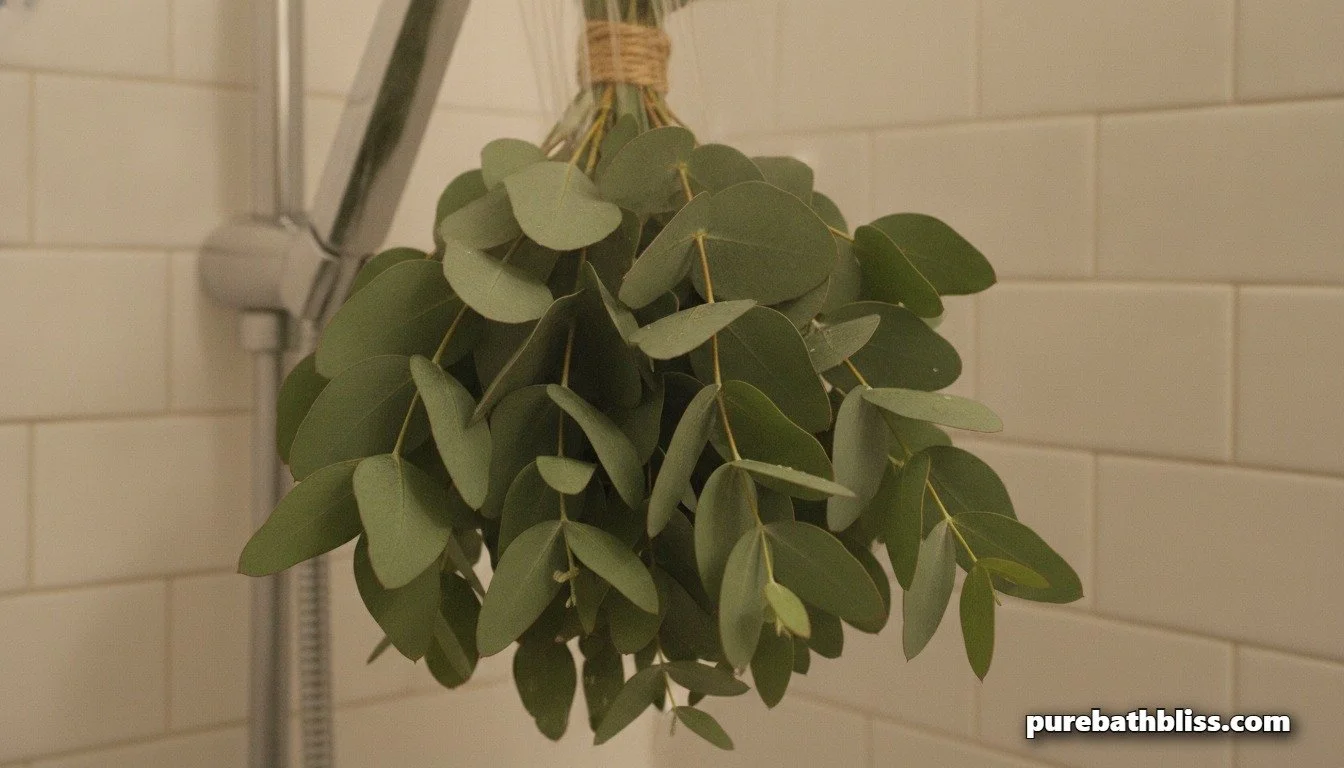
This is the highest-impact, lowest-cost thing you can do to make a bathroom smell like a spa, and it requires nothing except a bundle of fresh eucalyptus and a piece of twine. When your shower runs, the heat and steam hit the leaves and release eucalyptol, the active aromatic compound, turning your bathroom into what is essentially a walk-in diffuser for the duration of your shower.
The critical step most people miss is bruising the leaves before hanging them. The essential oils are trapped inside the cellular structure of the leaves. Rolling the bundle firmly with a rolling pin or bottle before you hang it breaks the cell walls and releases considerably more scent than a bundle left intact. Our full guide to hanging eucalyptus in the shower correctly covers the bruising technique, the best varieties to use, how long a bundle lasts, and the pet safety considerations worth knowing about if you have cats or dogs. A fresh bundle from a florist costs around $8 to $12 and lasts two to three weeks.
2. A Reed Diffuser with the Right Oil Blend
A reed diffuser provides continuous, passive fragrance without any heat, flame, or electricity. Natural rattan reeds absorb the carrier oil and essential oil blend from the vessel and slowly wick it into the air through their porous structure. The scent is subtle and consistent rather than bursty, which is exactly what a bathroom needs. You want fragrance that is always present at a low level rather than absent most of the time and overwhelming when something is sprayed.
For a bathroom, the oil blend matters more than the vessel. Eucalyptus and sweet orange is the morning blend, clean and energising. Lavender and cedarwood is the evening blend, calming and warm. Peppermint and lemon is the most deodorising combination, useful if the bathroom gets heavy use and freshness is the primary goal. We have a complete guide to making a reed diffuser for your bathroom for under $10, including the exact oil ratios and the carrier oil choice that determines how quickly the scent disperses.
3. Beeswax or Soy Candles Only
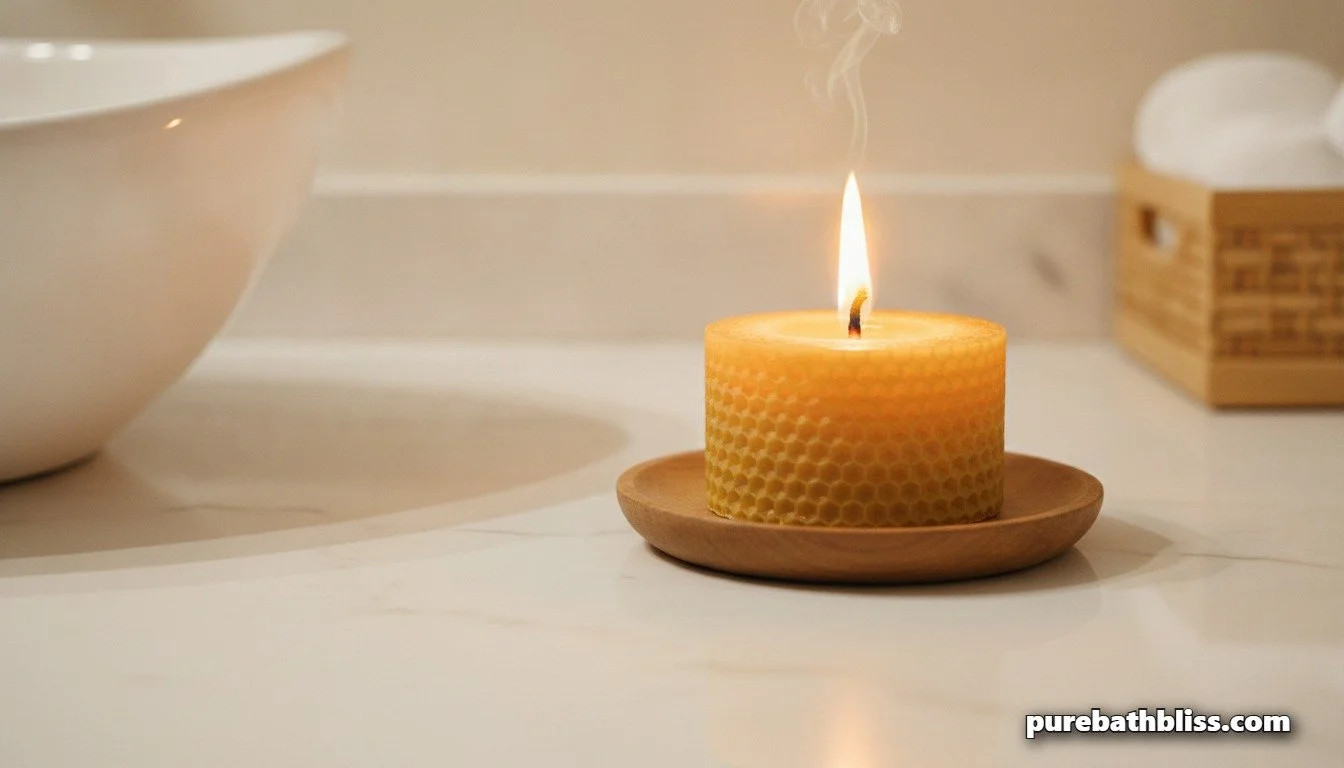
Candles are worth the conversation because most of them are genuinely counterproductive in a bathroom context. Paraffin wax is a petroleum byproduct that releases toluene and benzene when it burns, both of which are classified volatile organic compounds. In a small, enclosed bathroom with limited ventilation, burning paraffin candles regularly introduces a meaningful chemical load into the air you are breathing. Synthetic fragrance oils in the candle compound this further. A candle that smells aggressively synthetic is usually built on a paraffin-synthetic fragrance combination.
Beeswax candles burn cleanly and actually have negative ion emission properties that can help neutralise airborne dust and allergens. Soy wax burns cleanly with no toxic byproducts. Both can be scented with pure essential oils rather than synthetic fragrance. Our guide to making DIY lavender beeswax candles covers exactly how to make spa-quality candles at home for a fraction of the retail cost. Beeswax candles scented with pure lavender oil are also widely available if DIY is not your thing.
4. The Essential Oil Cotton Ball Hack
The simplest possible scenting method and genuinely effective for a small bathroom. Add two to three drops of pure essential oil to a cotton ball and place it inside the toilet paper roll, behind the toilet, or in a small dish tucked on a shelf. The cotton releases the scent slowly as air moves through it. Geranium, bergamot, and lavender work particularly well for this application because they are soft enough not to be overpowering at room temperature but distinctive enough to create the spa atmosphere. Replace the cotton ball every three to five days or when the scent fades. Total cost per week: pennies.
5. Fresh or Dried Herbs and Flowers
A small bunch of dried lavender behind the toilet tank, a sprig of fresh rosemary in a bud vase on the shelf, a handful of dried rose petals in a small ceramic dish. These are low-maintenance, completely natural, and genuinely effective at providing a background scent that reads as luxurious without effort. Dried lavender in particular holds its scent for months and pairs beautifully with the eucalyptus and cedarwood combination from the reed diffuser. Refresh the scent by gently crushing a few stems between your fingers, which releases the volatile oils that have retreated into the plant material.
6. A Shower Steamer with Essential Oils
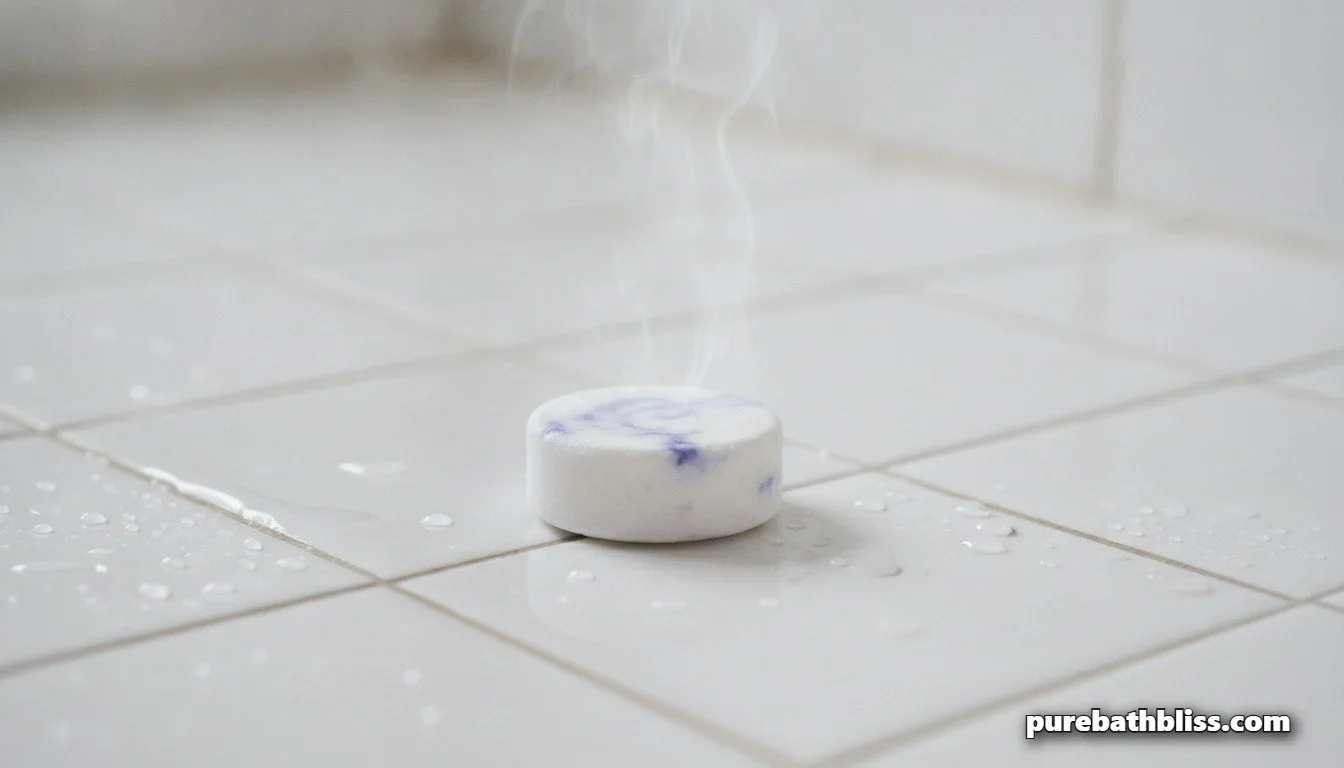
A shower steamer is essentially a bath bomb designed to be placed on the shower floor rather than in the bath water. The water hitting it releases a slow fizz that disperses essential oils into the steam, creating an aromatherapy effect for the duration of the shower. One steamer typically lasts two to three showers depending on its size and how much water hits it directly. The eucalyptus and peppermint combination is the most spa-like and the most effective for clearing the sinuses during a morning shower. Lavender and chamomile is the better choice for an evening wind-down shower. You can make your own at home using the same basic formula as the toilet cleaning bombs, substituting essential oil choices and omitting the citric acid concentration that would irritate skin, or buy them ready-made. Natural eucalyptus shower steamers are widely available and a genuinely excellent gift for anyone who wants the spa shower experience without overhauling their bathroom.
7. Fragrant Bathroom Plants
Most bathroom plants are chosen for their air-purifying properties or their tolerance of low light and humidity. A subset of them also provide genuine fragrance. Gardenia thrives in the warm, humid conditions of a bathroom and produces one of the most intensely beautiful floral scents available in a houseplant. Jasmine performs similarly and has documented anxiety-reducing properties. Scented geranium, which tolerates lower light than most fragrant plants, releases its scent when the leaves are brushed and provides a persistent background aroma without needing to be in bloom. These are more demanding plants than the snake plant or pothos, but for anyone who wants living fragrance rather than diffused fragrance, they are worth the effort.
8. The Lemon Half on a Dish
The simplest spa trick in this list and one that consistently surprises people with how effective it is. Place a halved lemon cut-side-up on a small ceramic dish on the bathroom counter or shelf. Add three drops of tea tree oil to the cut face. The citrus oils from the lemon evaporate slowly and the tea tree adds an antimicrobial, slightly medicinal note that pushes the combination firmly into spa territory. The lemon also naturally deodorizes the air as its citric acid reacts with any alkaline odour compounds in the room. Replace every two to three days. Cost per week: the price of half a lemon and a few drops of essential oil.
How to Layer Them for Maximum Effect
The hotel bathroom that stopped me in my tracks was not one thing. It was a combination of a continuous passive source, the reed diffuser, a point-in-time enhancement, the candle, and a static accent, the dried lavender. That layering is what creates a scent environment rather than just a single notable smell.
For a home bathroom, the most effective combination is simpler than you might think. A reed diffuser provides the continuous baseline. Fresh eucalyptus in the shower provides the showstopper experience during the shower itself. A candle or cotton ball adds warmth and depth during the evening routine. That is three things, each costing very little, that together produce a result that feels genuinely considered rather than accidental.
The one thing to avoid is using too many different scent sources with incompatible notes. Citrus and lavender work together. Eucalyptus and cedarwood work together. Eucalyptus and rose do not, they compete rather than complement. Stick to one aromatic family per bathroom, either the green and herbal family (eucalyptus, tea tree, rosemary, peppermint) or the floral and woody family (lavender, cedarwood, sandalwood, geranium) and mix within that family rather than across both.
The Scent Blends Worth Making
| Blend Name | Oils and Ratio | Character | Best For |
|---|---|---|---|
| Classic Spa | Eucalyptus 40%, Lavender 40%, Cedarwood 20% | Clean, calming, warm. The closest to classic luxury hotel bathroom. | Reed diffuser, candle, all-day use |
| Morning Energy | Peppermint 30%, Eucalyptus 40%, Sweet Orange 30% | Bright, invigorating, fresh. Great for waking up. | Shower steamer, eucalyptus bundle, morning diffuser |
| Evening Wind-Down | Lavender 50%, Cedarwood 30%, Bergamot 20% | Soft, floral, deeply calming. Pairs with low light. | Candle, cotton ball, evening shower steamer |
| Clean and Fresh | Tea Tree 30%, Lemon 40%, Peppermint 30% | Sharp, clean, medicinal. The most deodorising blend. | High-use bathrooms, lemon half trick, cleaning sprays |
| Woody Retreat | Cedarwood 40%, Sandalwood 30%, Lavender 30% | Rich, warm, grounding. The most masculine and sophisticated blend. | Reed diffuser, candle, evening use |
These blends work across all the methods above. Use them in your reed diffuser oil, add them to the cotton ball, mix them into a DIY shower steamer, or drop them on the eucalyptus bundle before hanging. The ratios are designed to keep the blend balanced rather than any single note dominant.
The Shopping List
Essential Oils Starter Set: A quality essential oil starter set covering eucalyptus, lavender, tea tree, peppermint, and sweet orange gives you everything you need for all the methods above.
Reed Diffuser Vessel: An amber glass diffuser bottle with natural rattan reeds. Amber glass protects the oils from UV degradation and looks considerably better on a bathroom shelf than clear glass or plastic.
Beeswax Candles: Pure beeswax pillar candles with cotton wicks. Buy unscented and add your own essential oils, or find ones already scented with pure essential oil rather than fragrance oil.
Dried Lavender Bunches: Dried lavender bunches last months on a bathroom shelf and require zero maintenance beyond occasionally crushing a few stems to refresh the scent release.