The Shower Curtain Height Hack: Airflow Meets Aesthetic
In most homes, the shower curtain is hung at a "Standard" height, usually just high enough to keep water in the tub. But as a builder focused on "Healthy Home Infrastructure," I see the standard height as a missed opportunity for both air quality and design. If your curtain is hung too low, it creates a "Stagnant Cap" at the top of the shower, trapping steam and heat exactly where pink slime bacteria and mold love to grow.
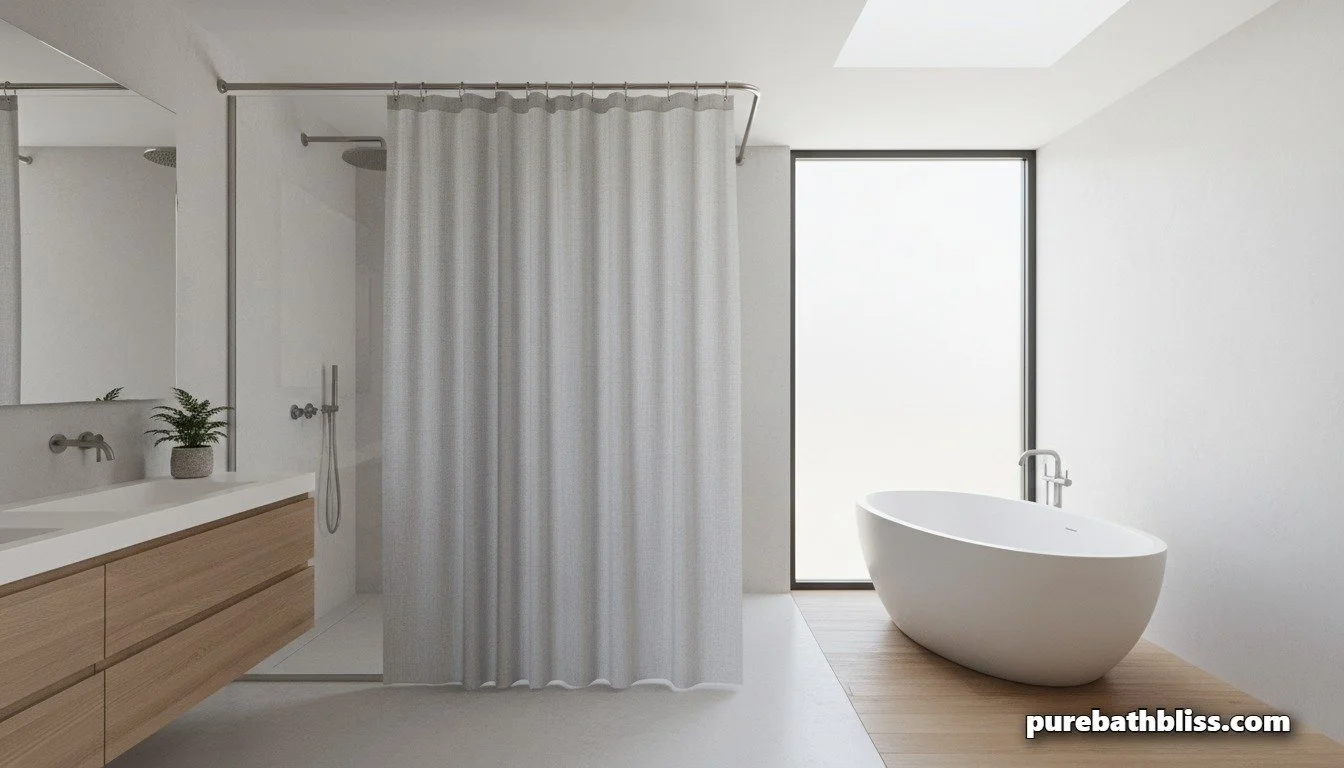
In 2026, we are moving the "Curtain Line" up. By hanging your shower curtain closer to the ceiling, sometimes called the "Grand Scale" move, you change the way air moves through the room. It’s a simple mechanical adjustment that improves the performance of your no-window powder room ventilation and makes a small bathroom feel like a luxury spa.
Here is why you should ditch the standard rod height and go for the "High-Hang" strategy.
1. The "Chimney Effect": Improving Airflow
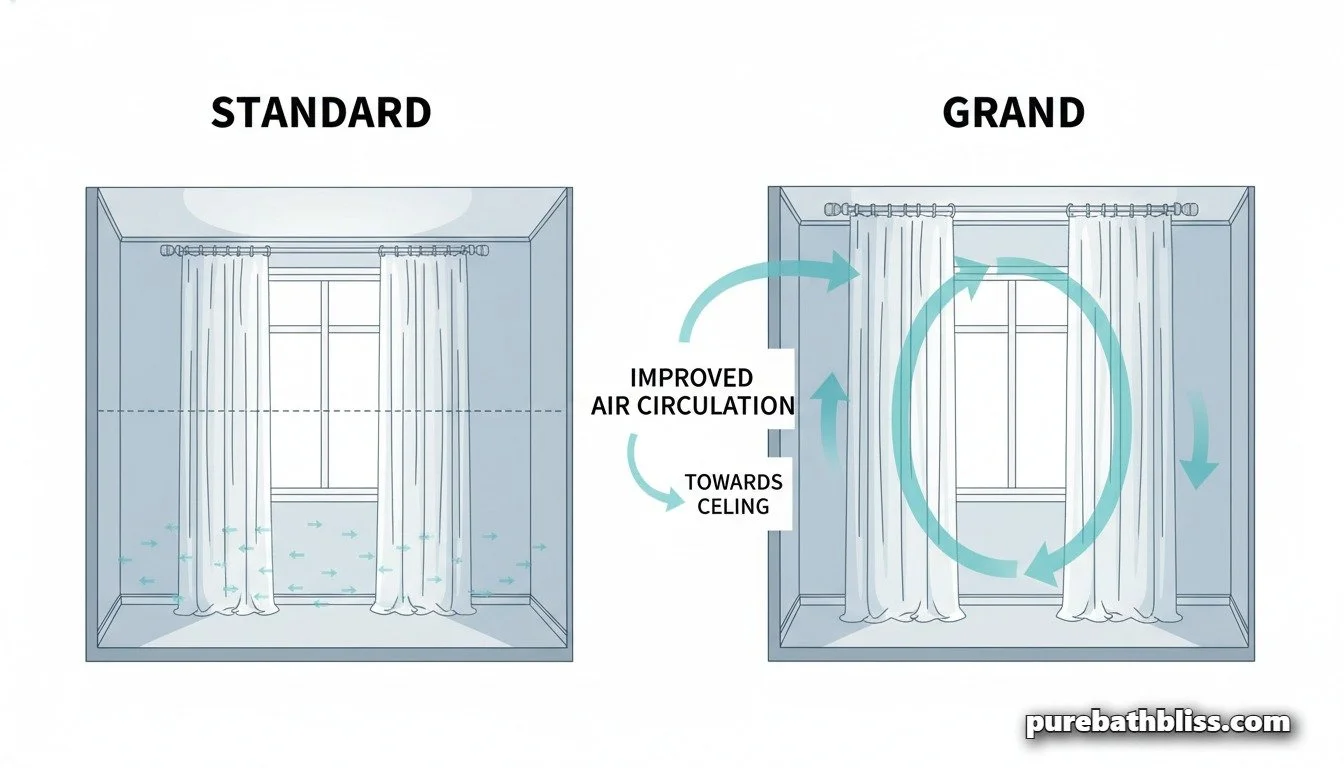
When you shower, hot air rises. If your curtain rod is set at the traditional 72-inch mark, the steam gets trapped in the 12–24 inches of dead space between the rod and the ceiling.
The Problem: This trapped steam saturates the drywall and the upper corners of your tile, which is where high-performance grout is often most vulnerable to surface mold.
The Fix: Hanging the curtain higher (at 84 or even 96 inches) allows the steam to disperse more evenly into the room, where your exhaust fan can actually reach it. This "Infrastructure Hack" reduces the local humidity levels inside the shower enclosure by up to 30%.
2. Elevating the "Aesthetic Infrastructure"
Beyond air quality, hanging your curtain high is an "Interior Design 101" move that builders use to make small spaces feel massive.
Vertical Stretching: Similar to how we use a floating vanity to show more floor, a high shower curtain draws the eye upward. It emphasizes the verticality of the room rather than cutting it in half.
The "Grand" Look: Pair a high-mounted rod with an extra-long "Hotel Style" curtain. The continuous fabric line creates a seamless look that complements a microcement bathroom finish or floor-to-ceiling tile.
3. The Curtain Height Cheat Sheet
| Ceiling Height | Recommended Rod Height | Curtain Length Needed |
|---|---|---|
| 8 Feet (Standard) | 90 - 92 Inches | 96" (Extra Long) |
| 9 Feet | 102 - 104 Inches | 108" (Ultra Long) |
| 10 Feet+ | 114 - 116 Inches | Custom / 120" |
4. Hardware Selection: Staying Secure
A higher rod often means a heavier, longer curtain. You need "Infrastructure" that can handle the extra weight without sagging.
Permanent Mounts over Tension: For a high-hang, I always recommend permanent wall-mounted brackets. Tension rods can slip over time, especially when supporting the weight of heavy, damp fabric.
The "S-Hook" Secret: Use open-ended S-hooks. They move more freely on the rod and prevent the "tugging" that leads to hardware failure, especially important in a child-proofed bathroom.
5. Maintenance: The "Dry-Top" Rule
Even with improved airflow, the top 6 inches of your curtain will eventually collect dust and humidity.
Machine Washable Liners: Always use a non-toxic fabric liner that can be tossed in the wash once a month.
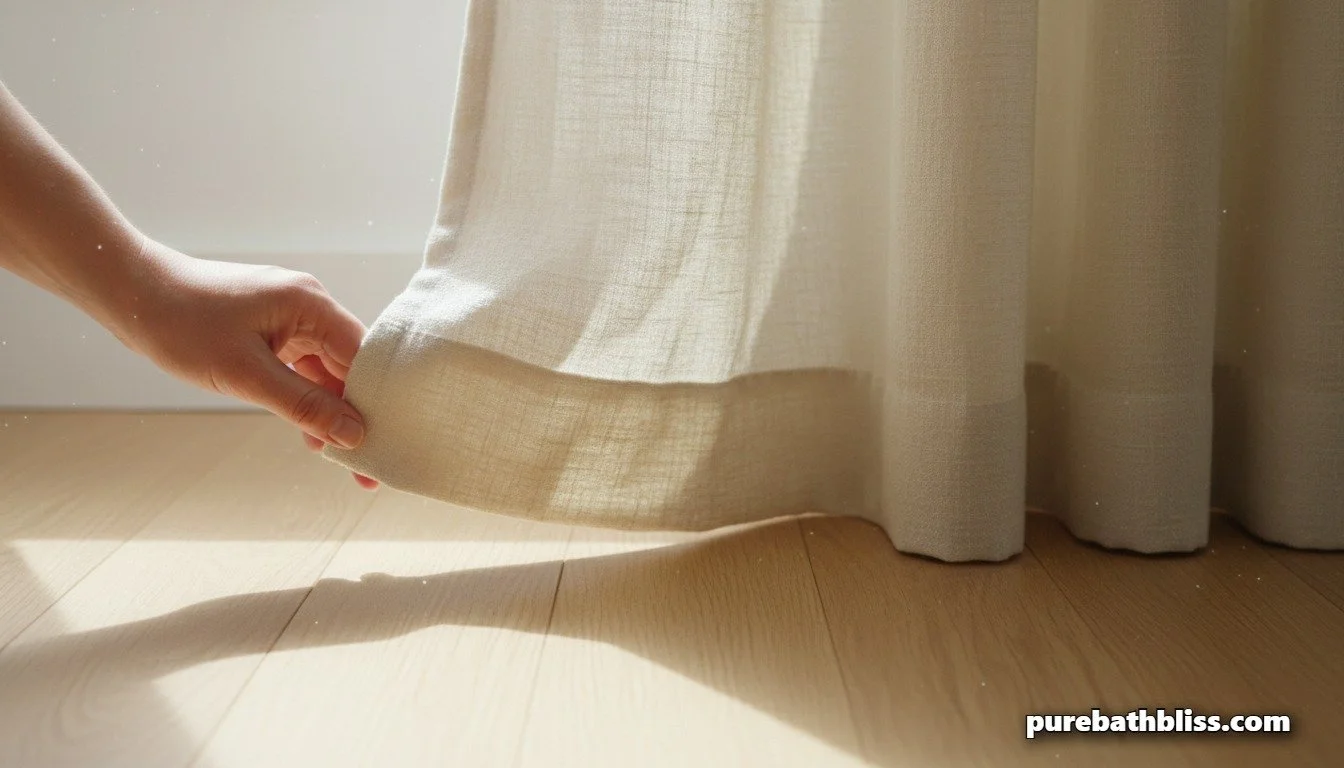
The "Clip" Hack: If you have a particularly deep tub, ensure the curtain stays at least 1/2 inch off the floor. This prevents the "wicking effect" where water travels up the fabric and creates a damp zone.
Summary: The High-Hang Checklist
Measure to the Ceiling: Aim for 2–3 inches below the ceiling line.
Buy Extra-Long: Standard curtains are 72", look for 84" or 96" options.
Choose Permanent Rods: Avoid tension rods for high, heavy installations.
Boost Airflow: Keep the rod high to let steam reach the exhaust fan.
Check for "Wicking": Ensure the hem doesn't sit in standing water.
Match the Finish: Coordinate your rod with your faucets or hooks.
Wash Regularly: Keep the top of the curtain dust-free to maintain air quality.
By moving your shower curtain up, you aren't just "decorating", you are re-engineering the climate of your bathroom. It’s a low-cost, high-impact move that protects your walls, prevents mold, and gives your bathroom the architectural scale it deserves.