
Elevate your bathroom experience with sustainable tips and expert guidance at PureBathBliss.com.
Latest Articles
Wellness and Purity
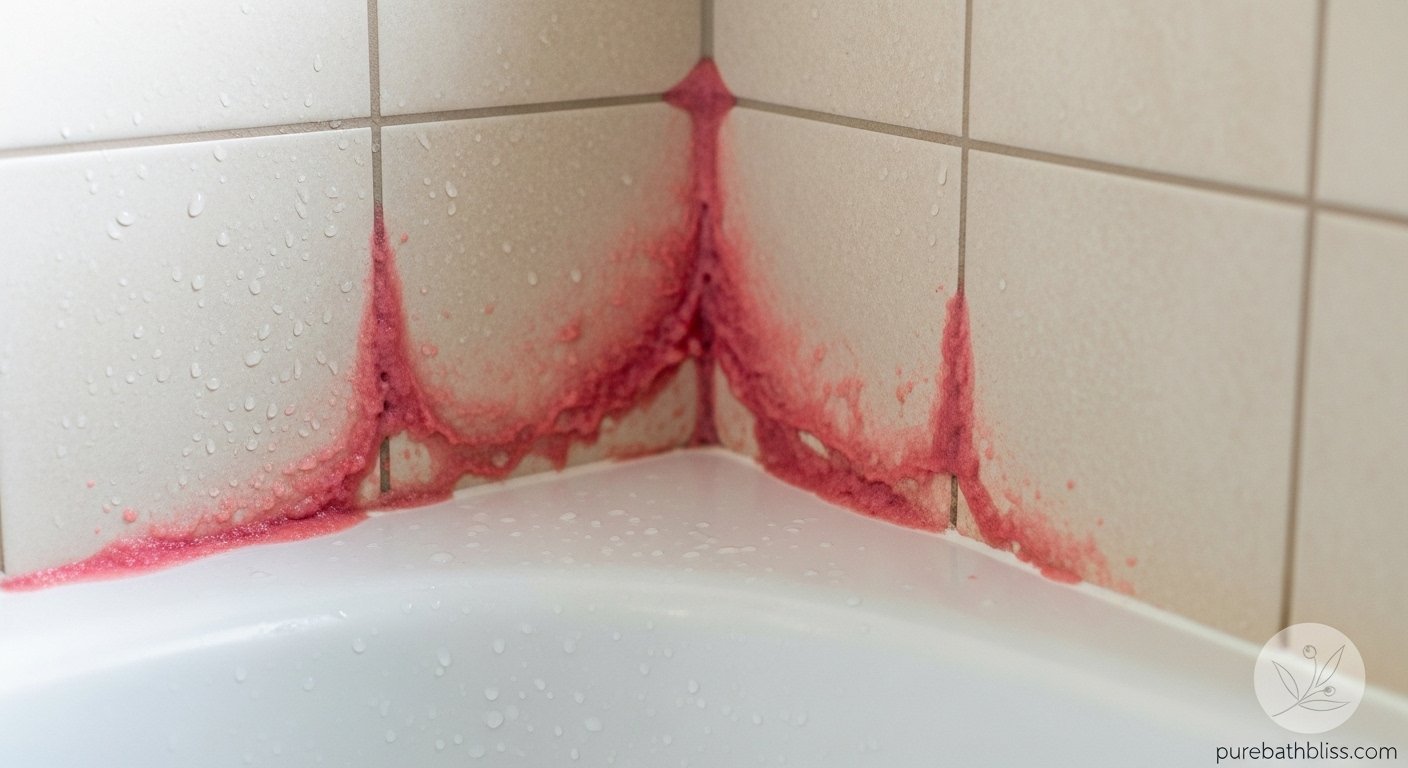
The reddish-pink film in your shower or bathroom, often called “pink mold” or “pink slime,” is actually Serratia marcescens, a bacteria that thrives in moist, soapy environments. This slimy, red-orange residue appears on tiles, grout, drains, or shower curtains, feeding on soap scum and hard water minerals. While typically harmless for healthy people, it can trigger allergies or look unsightly. This guide explains how to identify, remove, and prevent Serratia marcescens using eco-friendly methods and tools, keeping your bathroom hygienic and fresh. Shop our affiliate links for the best cleaning products!
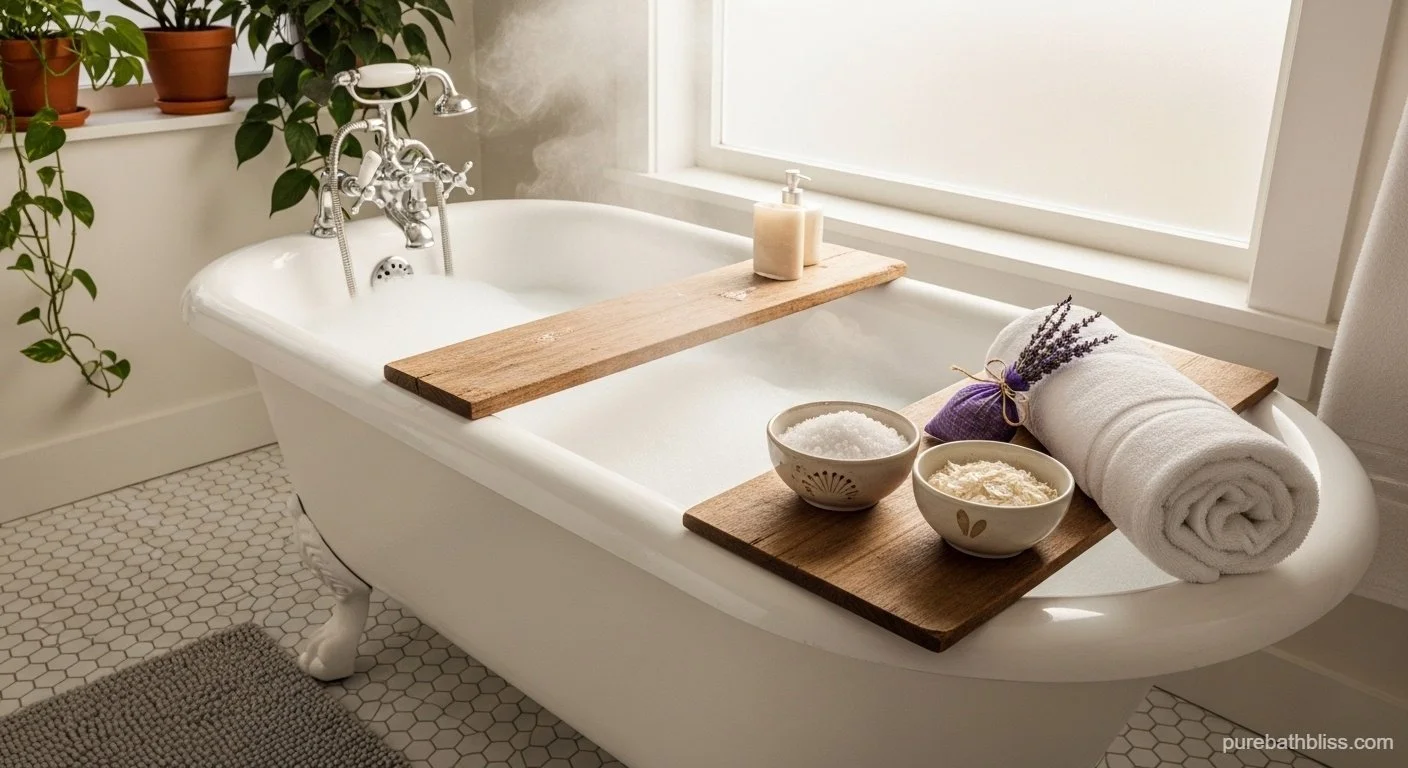
In the quest for ultimate physical and mental recovery, bath soaks have emerged as a time-honored tradition and a modern wellness staple. The market is awash with various options, but two stand out for their purported benefits: Epsom salt and magnesium flakes. Both promise to melt away stress, soothe aching muscles, and promote relaxation, yet they are distinct in their chemical composition and potential efficacy. For athletes, stressed professionals, or anyone seeking a therapeutic escape, understanding the nuances between these two popular choices is crucial. This comprehensive guide delves into the science, benefits, and practical applications of Epsom salt and magnesium flakes, helping you decide which bath soak reigns supreme for your recovery needs.
When you think of upgrading your bathroom, you might think of cold materials: chrome faucets, white porcelain, and glass dividers. While these look clean, they can often leave a space feeling sterile and "hospital-like."
To bring warmth back into the room, many designers turn to wood. But there is a problem: wood and water generally do not mix. High humidity causes traditional oak or pine to warp, crack, and rot.
Enter Bamboo.
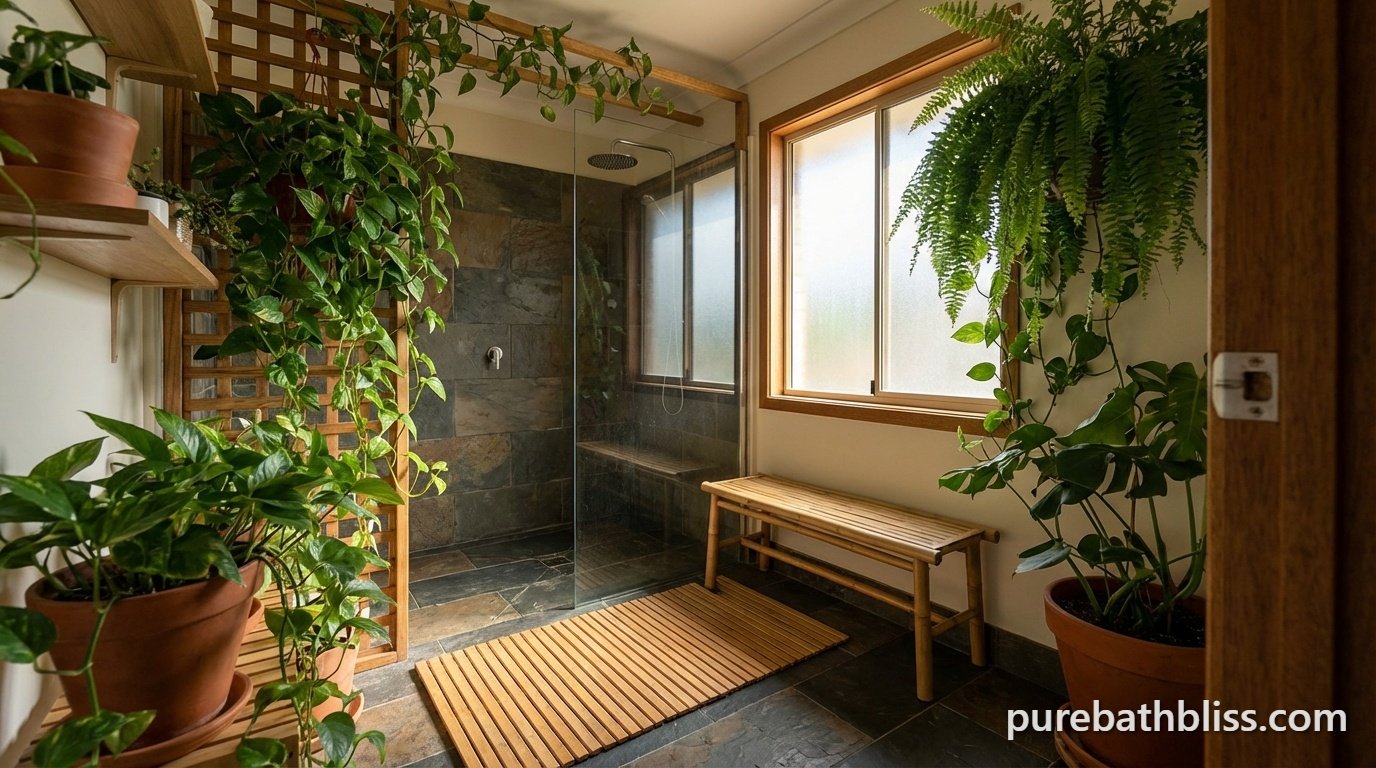
Technically a grass rather than a tree, bamboo has rapidly become the gold standard for bathroom accessories. From bath mats to toothbrush holders, this material isn't just an aesthetic choice—it is a functional powerhouse. It is naturally antibacterial, incredibly water-resistant, and stronger than many hardwoods.
If you are looking to banish plastic from your home and create a sanctuary that feels like a Balinese spa, here is why bamboo should be your material of choice.
Think back to the last time you walked into a high-end hotel bathroom. What is the first thing you noticed?
It likely wasn't the marble countertops or the designer toiletries. It was the towels. A perfectly folded stack of thick, pristine, brilliantly white towels.
You will almost never see a navy blue towel in a Ritz-Carlton, or a patterned beige towel in a Four Seasons. From boutique inns to sprawling resorts, stark white is the undisputed industry standard for luxury linens.
This isn't a coincidence of design. The ubiquitous white towel is a carefully calculated choice rooted in practicality, psychology, and the subtle art of hospitality. It is a visual cue that tells your brain you are in a place of luxury and safety.
Here is a look inside the "hotel secret" of white linens and why you should consider adopting this standard for your own home.
We have all been there. You are standing in the aisle of a home goods store, surrounded by a towering wall of bath towels. You reach out and touch one; it feels incredibly soft, almost silky. You buy a whole set, excited for your next shower.
But a few weeks and a few washes later, that initial softness has vanished. The towel feels thin, it pushes water around instead of absorbing it, and it takes forever to dry between uses.
Why does this happen? It's because in the store, manufacturers often coat towels with temporary softeners that wash right off. If you want to buy a towel that performs as good as it feels, you need to ignore the "ultra-soft" marketing labels and look at the hard data.
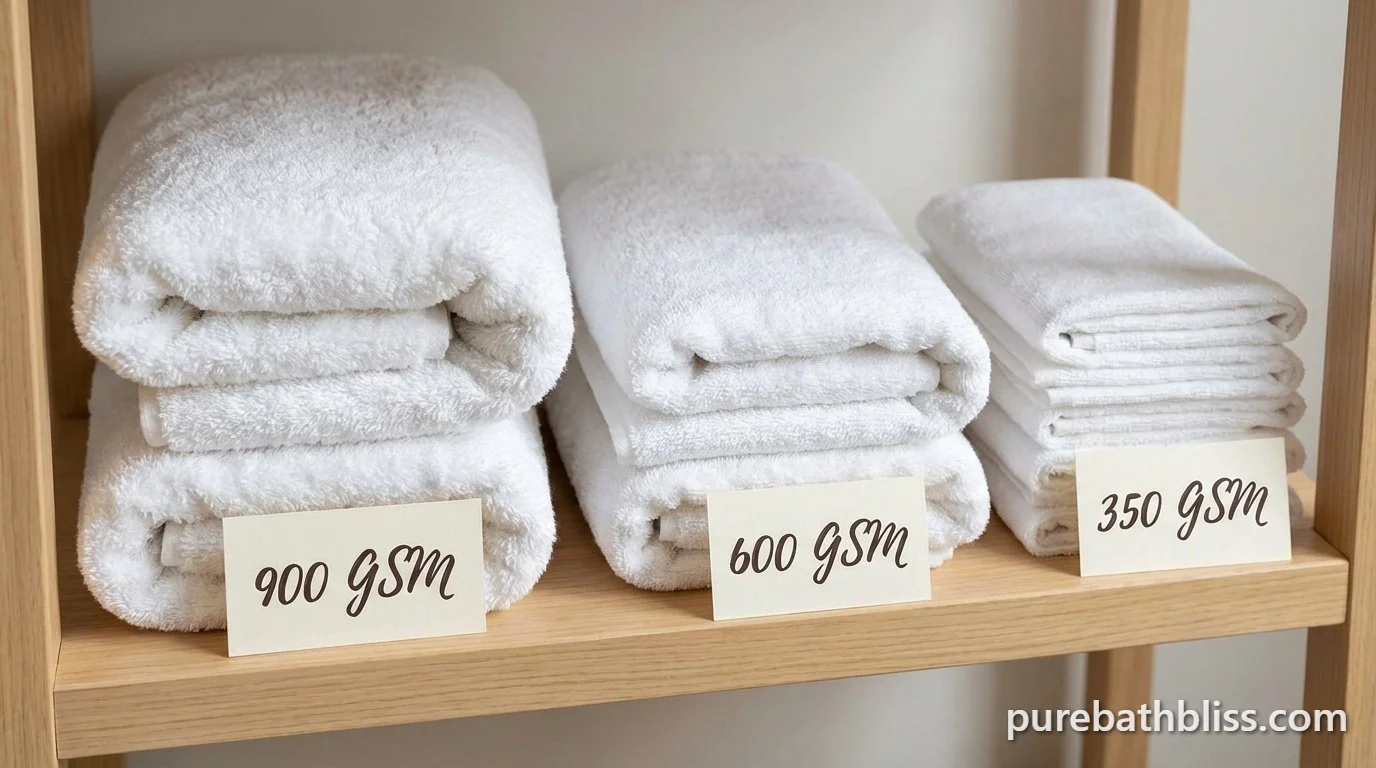
The secret to finding true quality lies in a three-letter acronym hidden on the tag: GSM.
This guide will decode the confusing world of towel specs, explaining exactly what GSM is and the crucial difference between cotton types, ensuring you never buy a disappointing towel again.
There is a distinct moment of disappointment that happens in bathrooms all over the world. You step out of a steamy, refreshing shower, reach for your towel expecting a warm, cloud-like embrace, and instead, you are met with something that feels akin to sandpaper.
It is a common household mystery: Why do the plush, luxurious towels we buy at the store transform into stiff, scratchy "cardboard" after just a few months of use?
Most of us assume the towel has simply reached the end of its life. We demote these scratchy towels to "dog washing" duty or cleaning rags and head to the store to buy new ones. But the truth is, the cotton fibers in your towels aren't usually worn out—they are just clogged.
The culprit is rarely the quality of the cotton, but rather a combination of your water chemistry and your laundry routine. Fortunately, you don't need to replace your linens or buy expensive chemical softeners. In fact, commercial softeners are part of the problem.
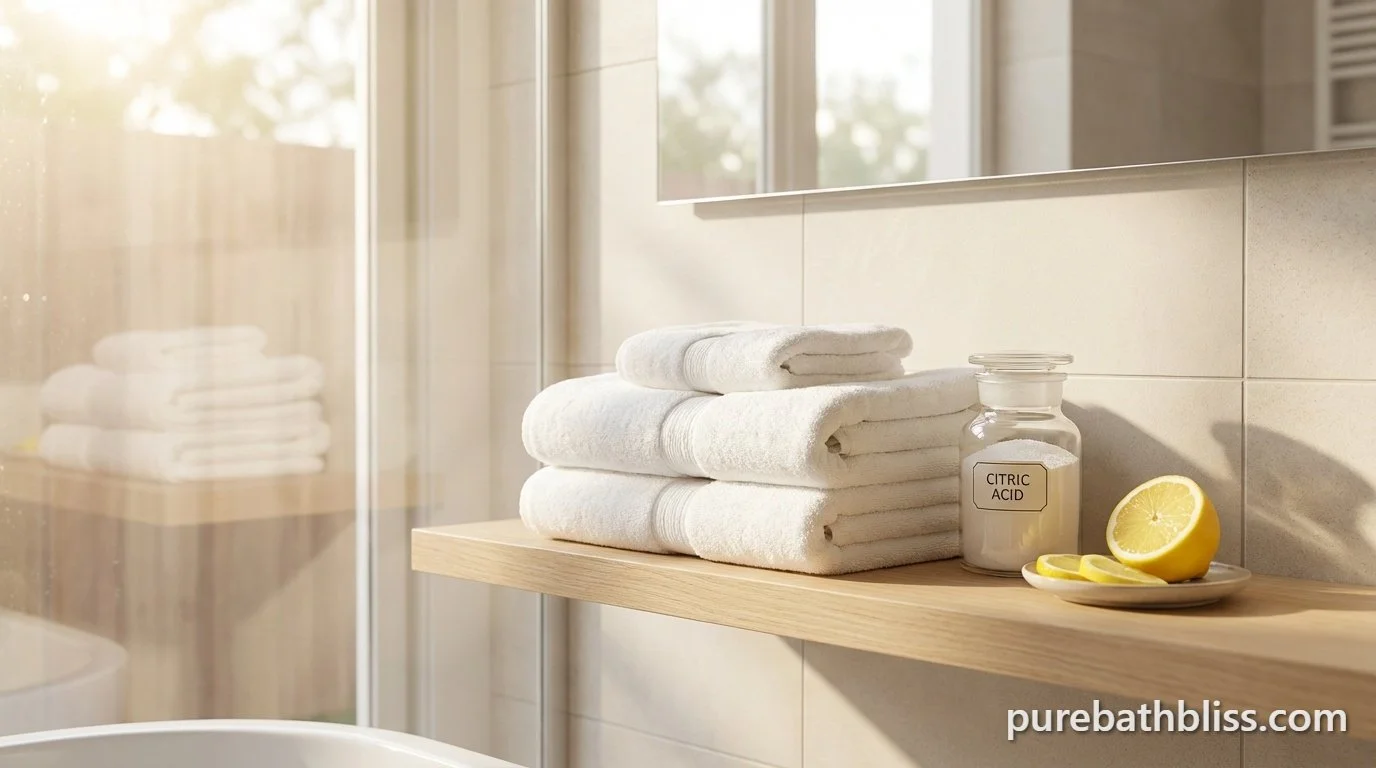
The solution is likely sitting in your kitchen pantry or is available for a few dollars at the grocery store: Citric Acid.
This guide will walk you through the science of why towels go bad, why citric acid is the miracle cure, and exactly how to use it to restore your linens to their original, 5-star hotel glory.
It is the dirty secret of bathroom organization: You buy the mega-pack of toilet paper, stuff 12 rolls into the dark cabinet under the sink, and forget about them.
Months later, you reach for that back-of-the-cabinet roll, and it feels... damp. Maybe it smells a little musty. Or worse, it has faint grey spots.
That isn't dust. It’s mildew.
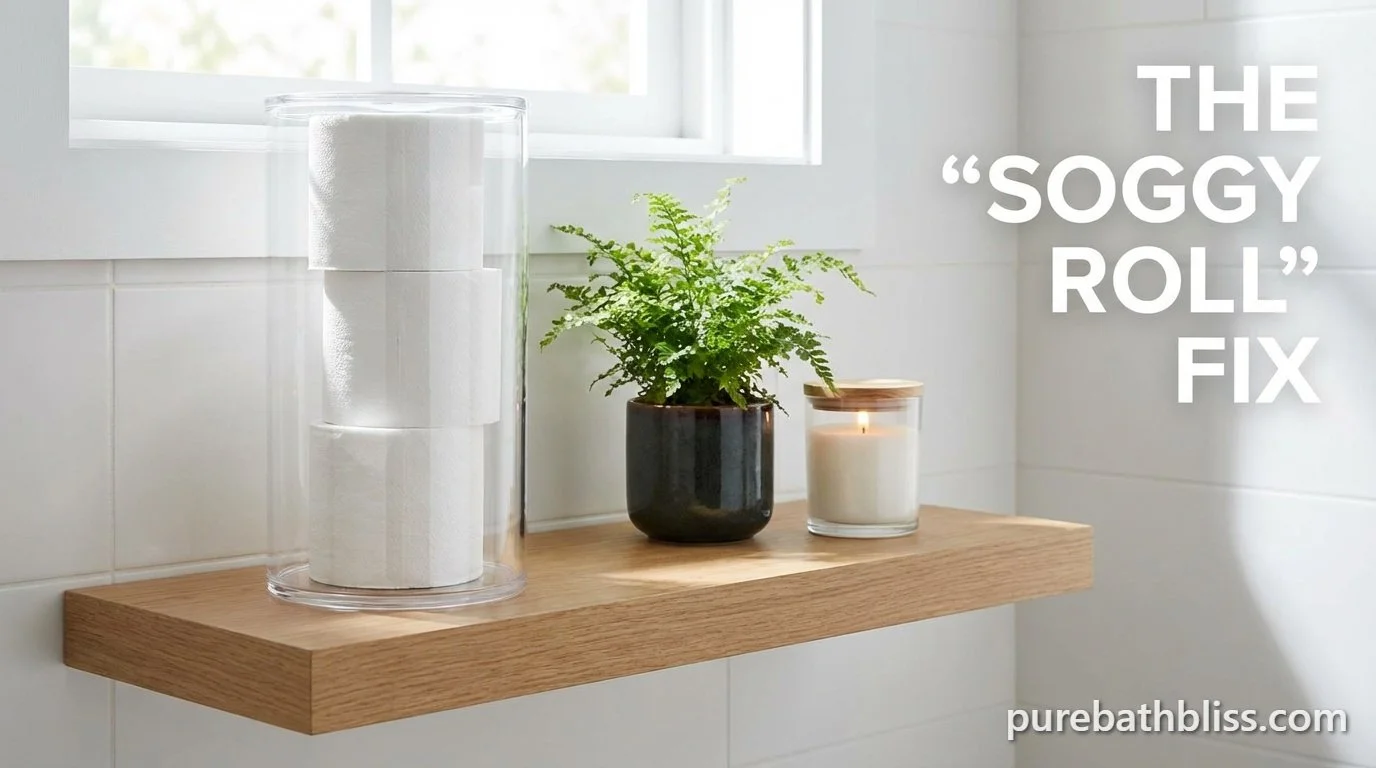
Most people don't realize that toilet paper is essentially a sponge made of organic material (cellulose). When you store it in a dark, humid bathroom cabinet—especially near leaky pipes or right next to the shower—it becomes a petri dish for mold.
You don't have to stop storing TP in the bathroom (we aren't monsters; nobody wants to run to the hallway closet in an emergency). But you do need to upgrade how you store it.
Here is why the "Cabinet Stash" is failing you, and the 3-step system to fix it.
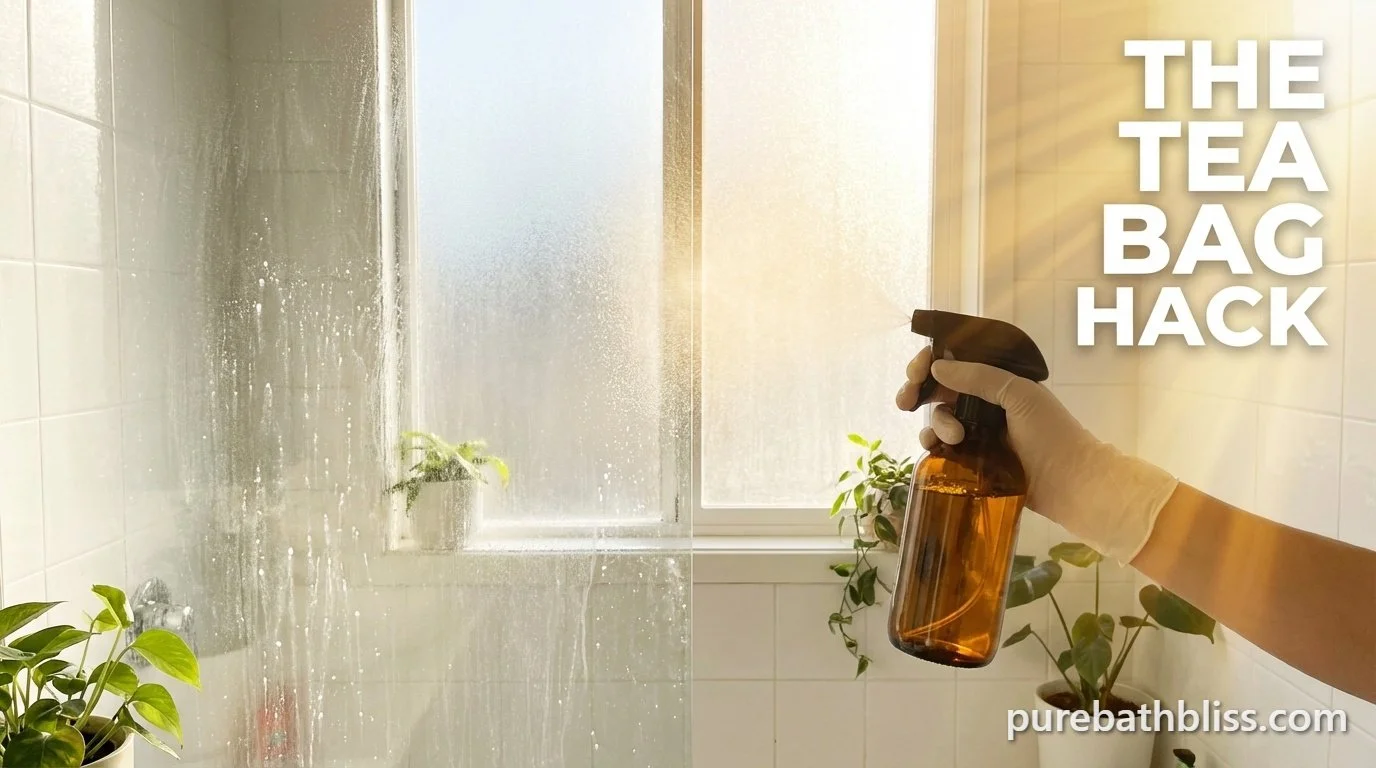
Stop using harsh chemicals. Learn why tannic acid in black tea dissolves soap scum and hard water spots, and see the before/after results.
t happens every year. You think you’re done with your holiday shopping, and then you remember: The neighbor who watches your cat. The mail carrier. Your child’s piano teacher. The "White Elephant" exchange at work.
You need a gift, you need it fast, and you don’t want to spend $30 on another generic candle.
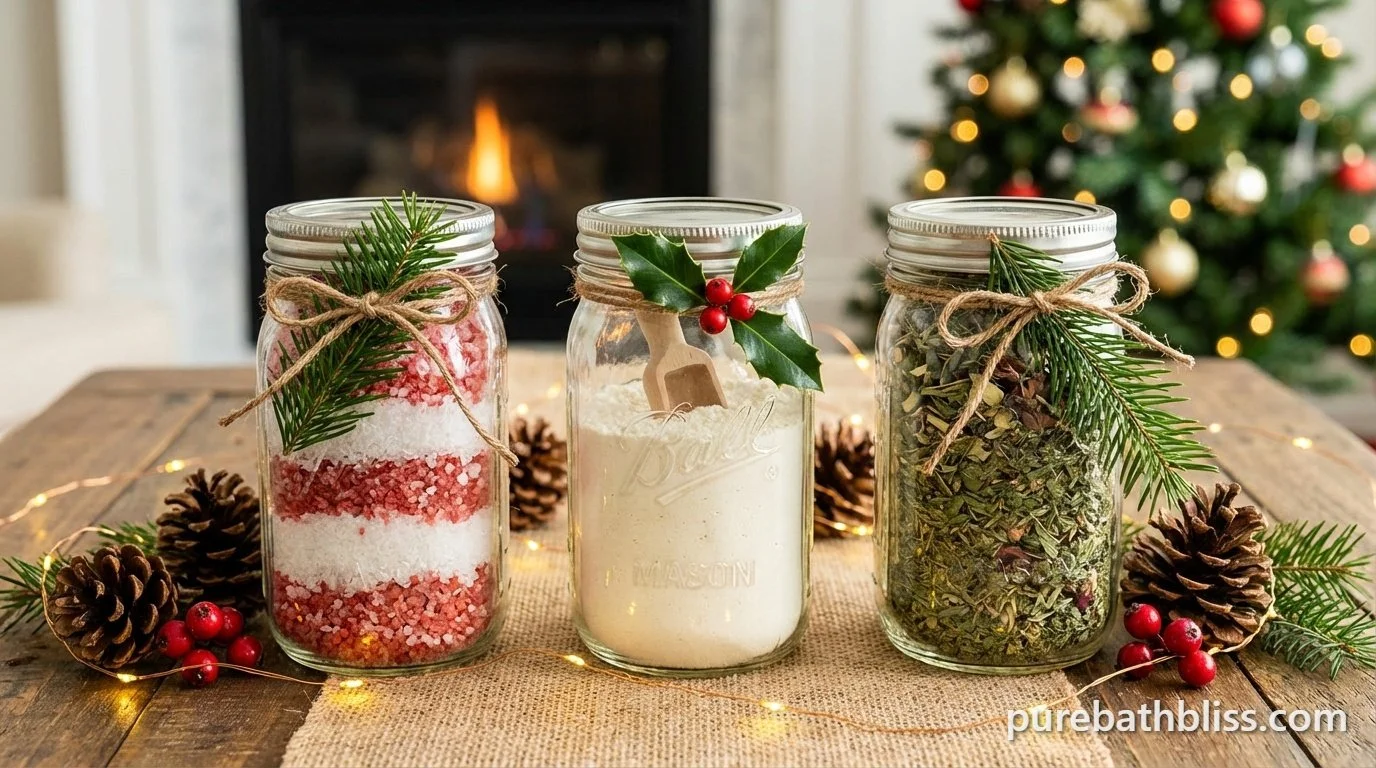
The solution is likely already in your pantry. With a bag of Epsom salts and a few essential oils, you can create luxurious, boutique-style bath soaks in less than 10 minutes. They are thoughtful, all-natural, and cost less than $5 per jar.
Here are 3 "Master Recipes" for last-minute DIY gifts that look like you spent hours making them.
We have all been there. You step out of a relaxing, steamy shower—clean, warm, and refreshed—only to squish your toes into a damp, cold, slightly musty bath mat.
It is the one part of the bathroom experience that hasn’t changed in fifty years. We rely on terry cloth or shag rugs to catch water, but let's be honest: they are essentially heavy sponges lying on the floor, trapping moisture, hair, and dust.
If you have scrolled through Instagram or TikTok lately, you have likely seen the ads for "Stone Bath Mats." These rigid slabs made of Diatomaceous Earth claim to dry instantly, never mold, and look like a 5-star spa accessory. But are they actually practical? Or are they just another expensive aesthetic trend that you’ll regret buying?
To find out, we broke down the science, the hygiene factor, and the day-to-day reality of swapping your trusty cotton rug for a slab of stone.