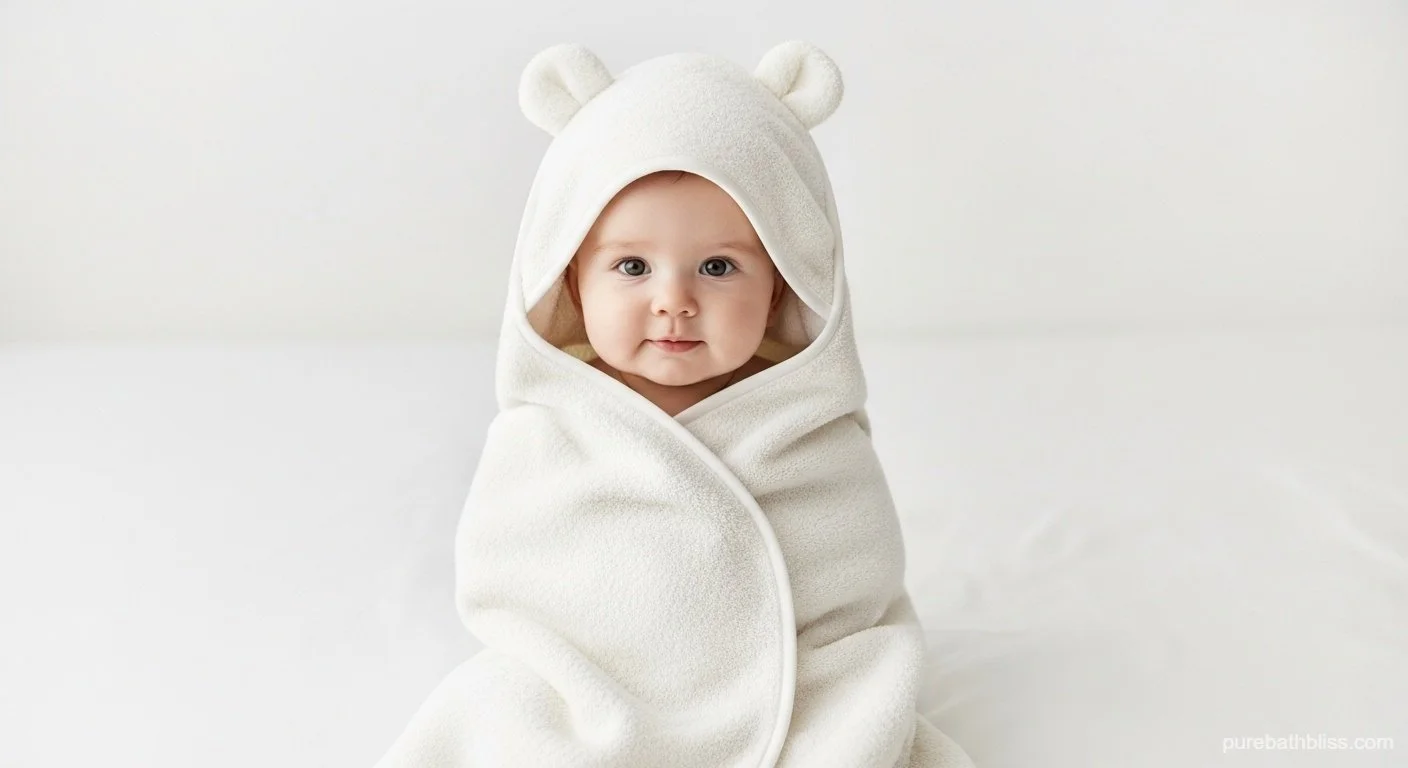
The Softest Touch: Why Organic Bamboo vs. Cotton Hooded Towels Matter for Sensitive Skin
The second you lift your dripping baby from the warm water, the air feels cold against their skin. Those first 30 seconds are magic, but also fragile. A scratchy, chemical-smelling towel can turn that moment into a shiver and a cry. A cloud-soft, pesticide-free one becomes an extension of the bath itself: warm, safe, and gentle.
Your towel isn’t just for drying. It’s the bridge between bath and moisturizer, the first hug after water, and the last thing touching your baby’s skin before bedtime.
Most drugstore towels fail this job miserably.
This guide walks you through exactly why material and texture matter more than color or cartoon prints, and which fabrics truly protect eczema-prone or sensitive skin.

The Truth About Bath Water: Filters, Chlorine, and Eczema Triggers
You’ve switched to unscented castile soap. You moisturize within three minutes. You’ve thrown out every squirty toy. Yet your baby’s skin is still dry, red, or flaring with eczema.
You feel like you’re doing everything right… and nothing is working.
The missing piece is the one thing you never suspected: the water itself.
Municipal tap water is perfectly safe to drink, but it is not designed for the fragile skin of a newborn. Chlorine, chloramines, and hard-water minerals can be the hidden trigger behind the “mystery rash” that no cream can fix.
This final guide in our Toxin-Free Tub series shows you exactly what’s in your water, how it hurts baby skin, and the simple $30–$50 fix that thousands of eczema parents swear by.
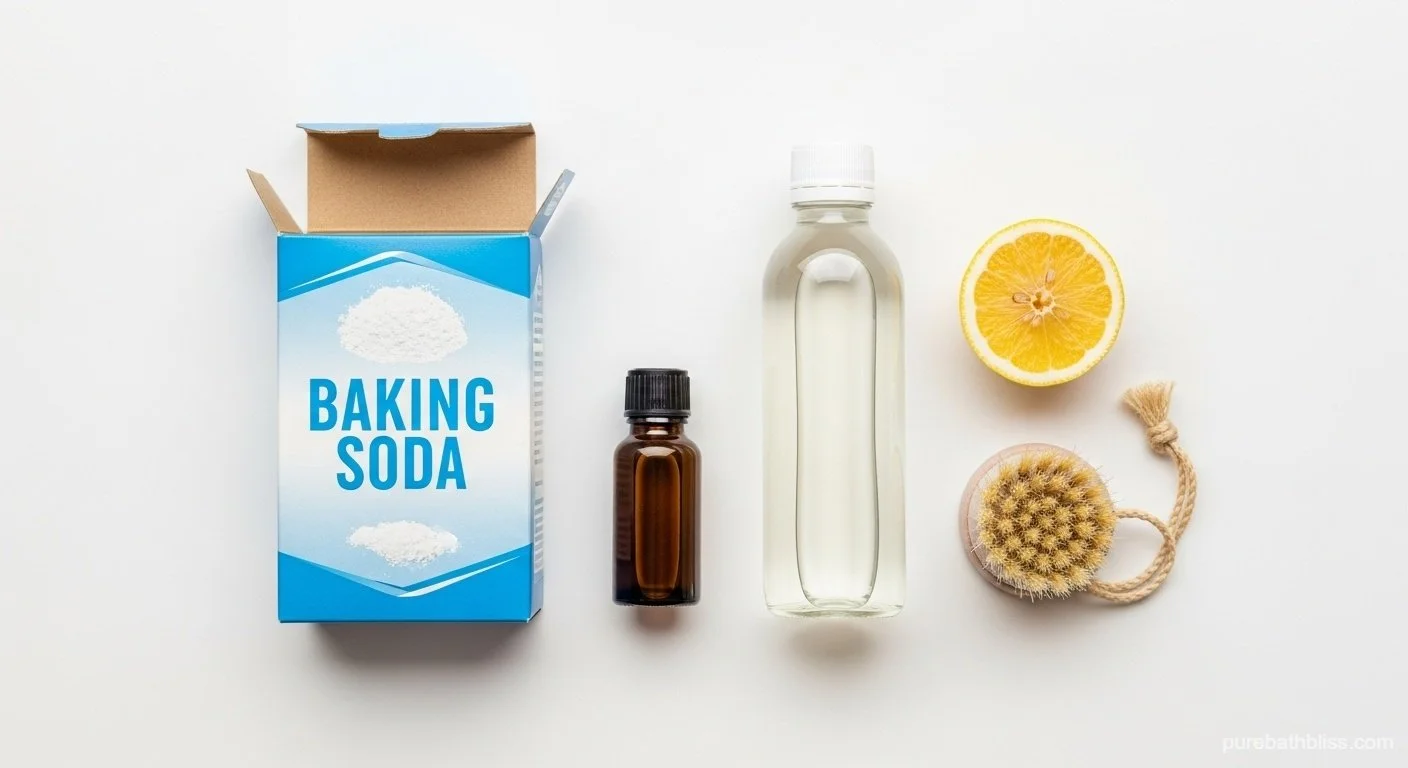
Baby-Safe Cleaning: How to Scrub the Tub Without Harsh Chemicals
You want the tub sparkling clean for your baby. But the second you spray bleach, the sharp smell fills the bathroom and you think: “This can’t be safe for lungs that are still learning to breathe.”
You’re absolutely right.
Chemical cleaners leave invisible residue that warm bathwater can re-activate, and the fumes linger in a small, steamy room long after you’ve left. A truly baby-safe bathroom is cleaned with ingredients safe enough to eat—because, in a way, your baby will be “eating” whatever touches that tub.
This step-by-step guide gives you the exact non-toxic recipes and techniques that disinfect just as effectively—without a single warning label.

The Parent’s Guide to a Toxin-Free Tub: Ensuring Safety and Wellness for Your Baby
Your baby’s first bath is pure magic. That moment when warm water meets tiny toes and your newborn’s eyes flutter open in wonder is unforgettable. You want every single bath after it to feel exactly the same: soft, safe, and completely worry-free.
But for every thoughtful parent, that joy comes with quiet questions: Is this soap really gentle enough? Could “baby-safe” fragrance be silently irritating my child’s skin? Am I accidentally exposing my little one to chemicals that matter more now than at any other time in life?
You are 100% right to ask. A baby’s skin is fundamentally different from an adult’s, and the choices we make in the first 1,000 days ripple for decades.
This definitive, research-backed guide removes every ounce of guesswork. You will finish reading it knowing exactly which ingredients to avoid, which products to trust, which toys are truly safe, and which daily habits turn an ordinary bathtub into a genuine sanctuary of wellness.
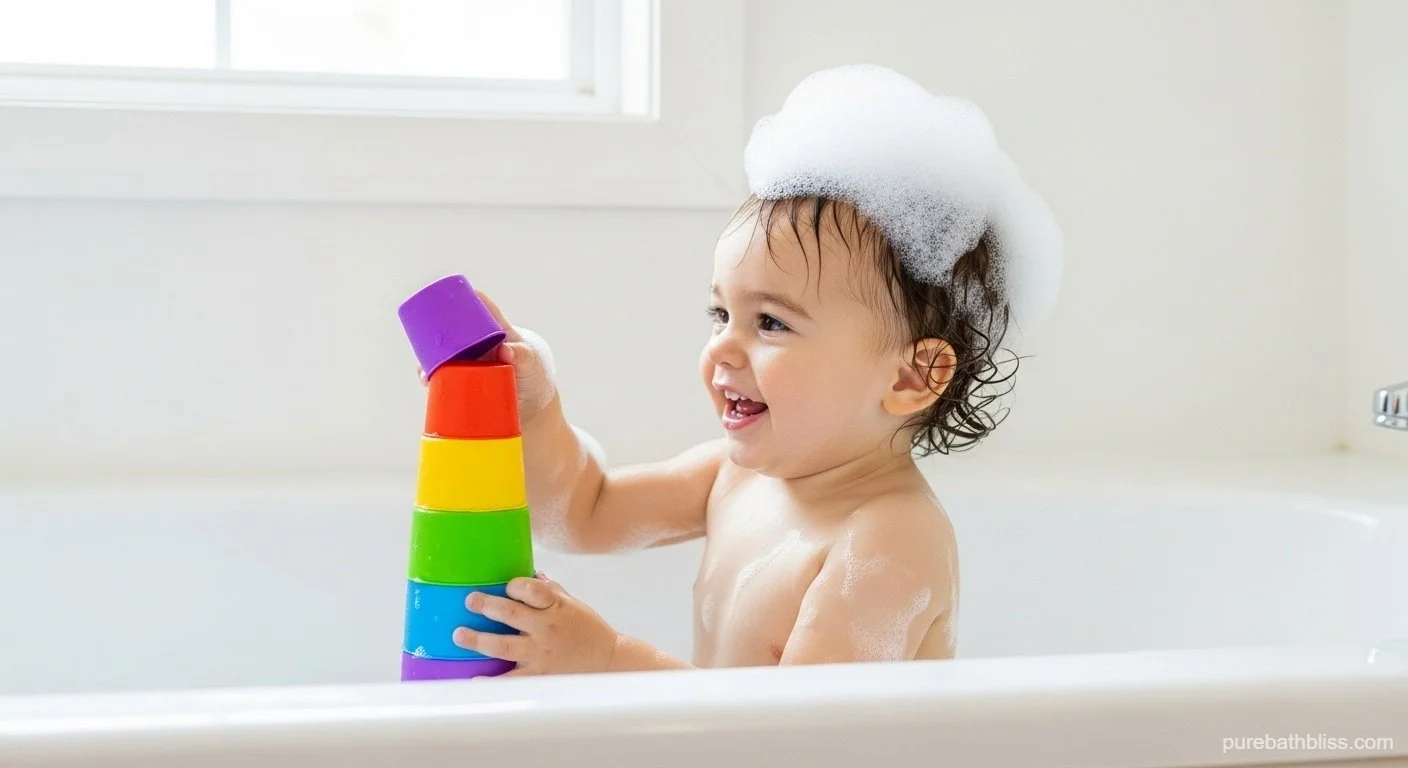
The Hidden Danger in the Rubber Duck: A Parent's Complete Guide to Mold-Free and Non-Toxic Bath Toys
The rubber duck in your child's bath is most likely made from PVC softened with phthalate plasticizers that leach into warm bath water, has at least one hole that traps warm soapy water inside and grows a biofilm of mold and coliform bacteria within weeks, and gets squeezed directly into your baby's mouth at close range several times per bath. None of this is speculation. It is documented in peer-reviewed research and confirmed by the regulatory gap that specifically excludes bath toys from the phthalate restrictions that apply to other children's products. Here is the complete guide to what the science says, what safe looks like, and what to buy instead.
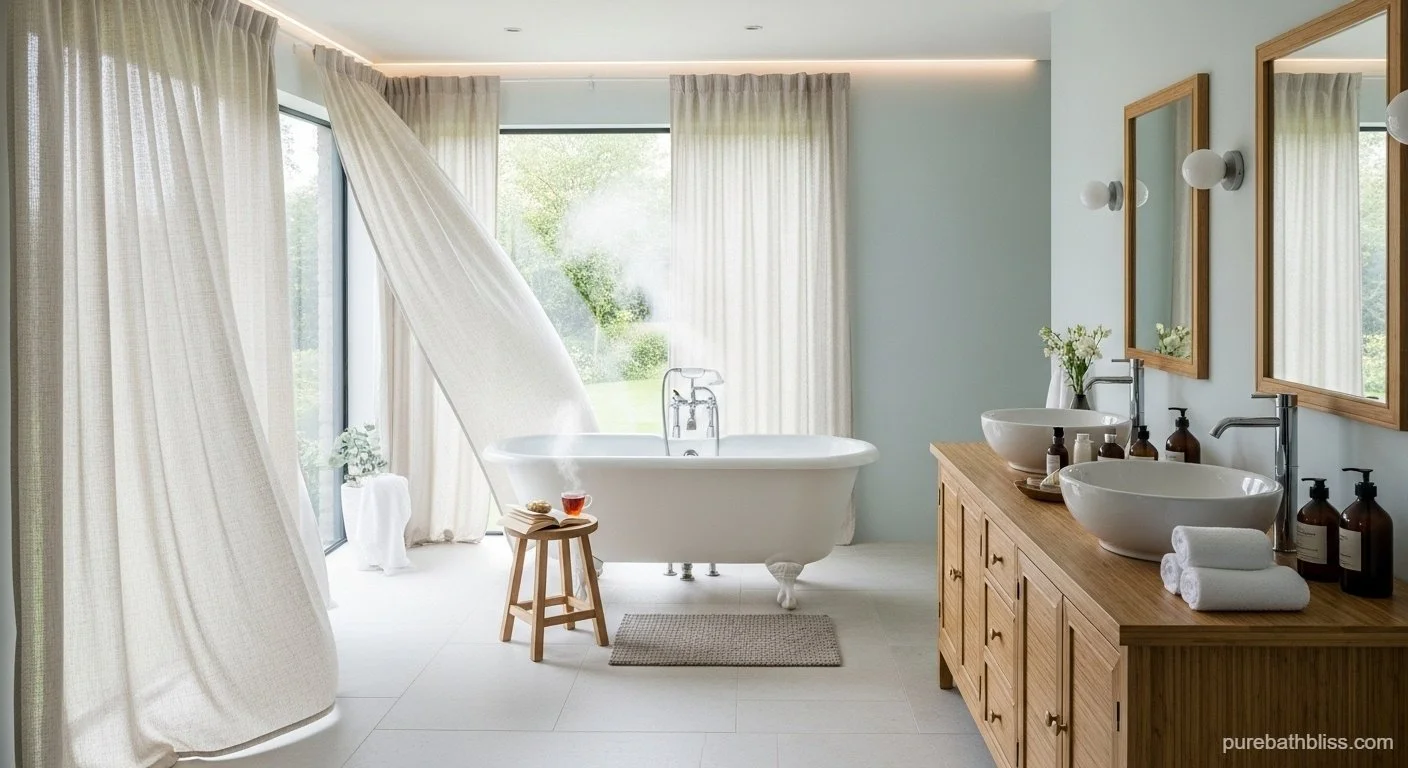
The Ultimate Guide to Designing and Maintaining a Non-Toxic, Eco-Friendly Bathroom
You step into your bathroom and instantly feel calmer—soft bamboo underfoot, warm natural light pouring in, and the faint scent of lavender drifting from a reed diffuser. That’s the magic of a sustainable, non-toxic space. In this ultimate guide, we’ll walk you through every pillar of creating a PureBathBliss bathroom: one that’s gentle on your body, kind to the planet, and a true sanctuary for daily wellness. Let’s dive in—you’ve got this.
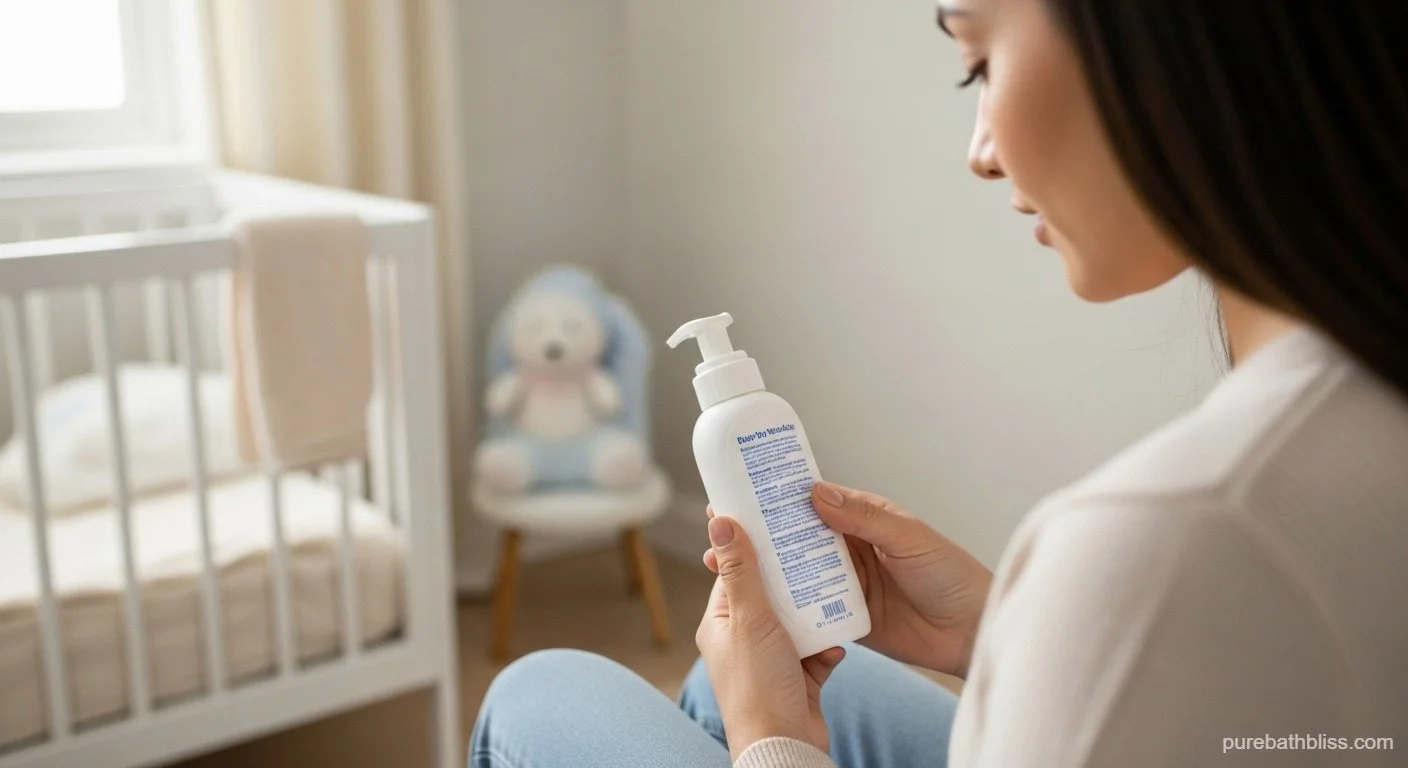
The Toxic Five: Ingredients Never to Use on Babies (And Why They’re Still in the Tub)
When our youngest was born I did what most new parents do, I walked into a pharmacy, looked for something that said "baby" on the label, and put it in the cart. Pastel packaging. A smiling infant on the front. "Pediatrician recommended." "Tear-free." "Gentle formula." We went home feeling like responsible parents.
A few months later my wife started looking more closely at the ingredient labels after our baby developed a persistent rash around the diaper area and on the back of the neck. What she found stopped us both cold. The "gentle baby wash" we had been using every night contained three ingredients that are banned from leave-on products for children under three in the European Union. Not banned from everything. Specifically banned for small children. And still completely legal and widely sold in Canada and the United States.
That was the moment we started paying attention. We've since gone through every product in our kids' bathroom routine and rebuilt it from scratch. What I'm sharing here is what we learned, and what I wish someone had told us before that first pharmacy trip.
There are five ingredients that show up repeatedly in mainstream baby bath products that have no business on a developing child's skin. Here is exactly what they are, why they matter, and how to find them on a label in under ten seconds.
Is Bubble Bath Safe for My Baby? Toxin Risks, UTI Prevention, and Gentle Alternatives
Every parent knows the scene: Your toddler’s eyes light up at the promise of “bubbles!” and you desperately want to say yes. But the moment you reach for the bottle, a little voice in your head whispers, “Is this actually safe for my baby’s delicate skin?”
You’re not being overprotective. You’re being exactly the kind of parent your child needs.
Conventional bubble baths are one of the most common sources of unnecessary chemical exposure in early childhood. The good news? You can have safe, gentle fun without a single harsh surfactant or hidden fragrance.
This guide gives you clear, research-backed answers—no fear-mongering, just facts—so you can decide with total confidence.

Why a $100 Hue is Worth the Splurge: Guide to Organic Paint Pigments and Depth of Color
You stand in the paint aisle, two swatches in hand. One can: $30. One gallon covers 400 square feet in a flat, predictable blue. The other: $120. Same volume, same coverage claim.
You ask the inevitable: “Is the color really worth four times the price?”
The answer isn’t in the can. It’s on the wall—in the way light dances across it at dawn, deepens at dusk, and transforms your bathroom into a living sanctuary.
This isn’t about pigment. It’s about depth, breath, and soul—the invisible architecture of luxury.
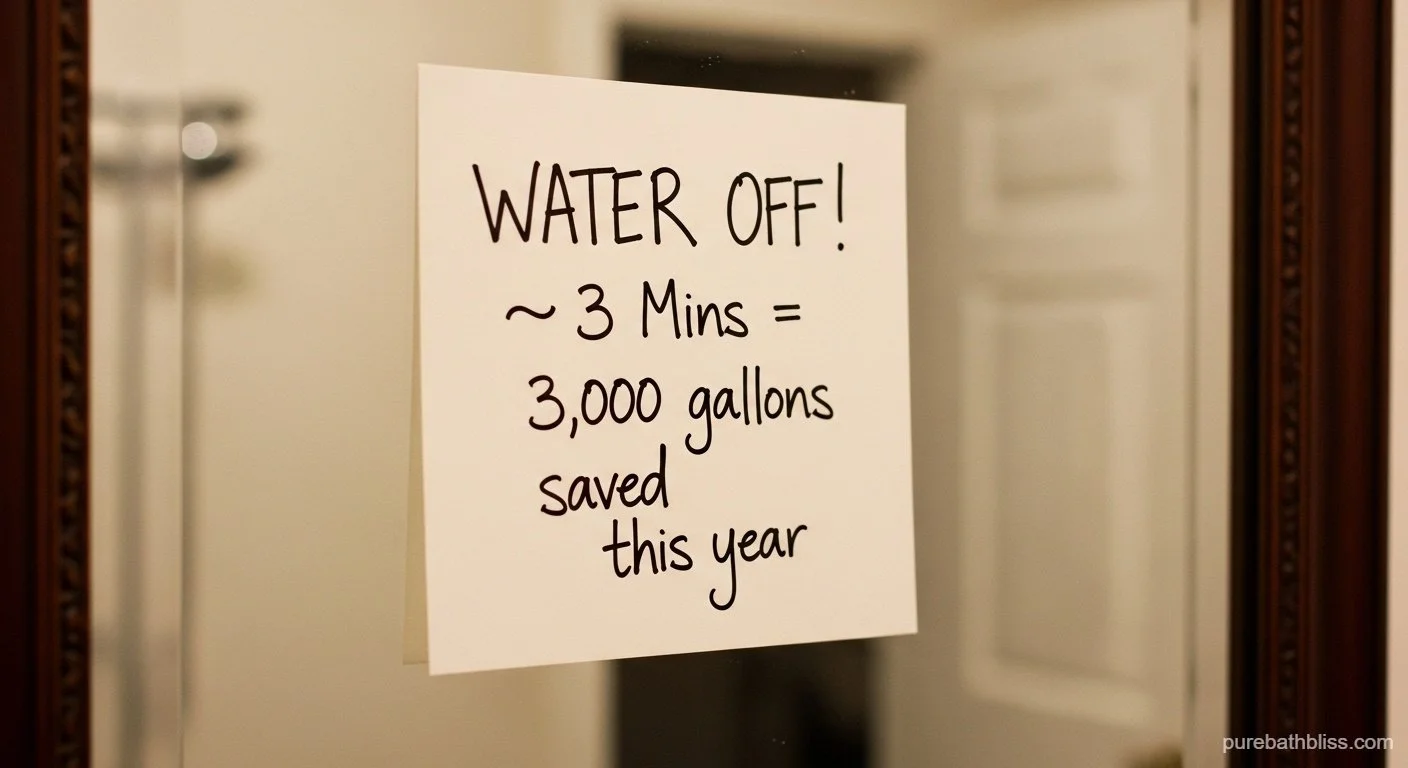
Simple Habits: 5 Bathroom Routines That Save 10,000 Gallons Per Person Annually
The most powerful water-saving device in your house isn’t a new toilet or fancy showerhead. It’s you.
Every day, tiny unconscious moments—leaving the faucet running, letting the shower warm up outside the curtain, pressing the flush handle like it’s free—quietly waste thousands of gallons. The good news? Five 10-second changes flip that waste into 10,000+ gallons saved per person every year. Zero cost. Zero tools. Just you deciding to care.

Toilet Paper’s Environmental Cost: The Trees, Water, and Chemicals Behind Every Roll
Every day, 27,000 trees are felled just for toilet paper. That’s one tree every 3 seconds—a silent chainsaw in your bathroom routine.
You wipe, flush, and forget. But the ancient forests, rivers of water, and toxic chemicals don’t.
This investigation exposes the full cradle-to-sewer footprint of conventional TP—and hands you elegant, immediate alternatives that end the destruction.

Greywater Gold: Safe and Simple Ways to Reuse Warm-Up Water for Plants and Cleaning
Every single shower you take starts with a silent crime: 2–3 gallons of perfectly clean, drinkable water swirling down the drain while you wait for it to warm up. That’s 1,000–1,500 gallons per person per year—just for standing there.
The good news? You can stop it today with nothing more than a $12 bucket.
This is greywater reuse at its simplest and safest: capturing shower warm-up water and turning waste into a free resource for flushing, watering, and cleaning.

Beyond the Towel: Are Reusable Bidet Cloths the Ultimate Eco-Friendly Swap?
You finally installed the bidet. You love the clean feeling. Then you reach for the roll… and realize you’re still buying 100 rolls of toilet paper a year. That’s when the term “family cloth” or “bidet cloth” pops up—and your first reaction is almost universal: “Absolutely not.”
Fair. Let’s talk about it anyway.
This investigative guide strips away the cringe, looks at the real hygiene science, the actual costs, and the genuine environmental impact. By the end, you’ll know exactly whether reusable bidet cloths deserve a place in your zero-waste bathroom—or whether they’re a step too far.

Bidet vs. Paper: The Complete Financial and Eco-Friendly Cost-Benefit Analysis
You open your grocery app. Toilet paper: $38.49 (12 mega-rolls). Wet wipes: $14.99. That’s $53.48 this month—$641.76 a year.
Meanwhile, 27,000 trees fall daily for the privilege.
Enter the bidet attachment: a one-time $30–$60 purchase that eliminates 75–100% of paper, pays for itself in 3–6 months, and slashes your environmental footprint.
This data-driven showdown compares every dollar, drop, and tree. The verdict is undeniable.

How to Read Your Water Meter to Find Hidden Plumbing Leaks (The 2-Hour Audit)
You’ve fixed the dripping faucet. Replaced the flapper. Still, your water bill climbs $50–$100 every month.
The culprit? A hidden leak—slab foundation, irrigation line, or underground supply. These silent thieves waste 10–100 gallons daily—$500–$5,000 yearly.
This is your scientific defense. The 2-hour meter audit detects any flow in your entire system—foolproof, free, and final.

The $5 Upgrade: Step-by-Step Guide to Installing Water-Saving Faucet Aerators
ou turn on the faucet to rinse your toothbrush. Water blasts out at 2.2 gallons per minute—like a mini fire hose. That’s 1,300 gallons a year just from one bathroom sink.
$5 fixes it.
A 1.0 GPM aerator cuts flow by more than half while feeling just as strong. Payback in weeks.
This is the easiest, cheapest, fastest win in home efficiency.
The Low-Flow Revolution: A Guide to Choosing a 1.5 GPM Showerhead That Actually Feels High-Pressure
You’ve heard the horror stories: low-flow = limp trickle. A shower that leaves you cold, frustrated, and rinsing shampoo for ages.
Myth busted.
Modern 1.5–1.8 GPM showerheads deliver massage-level pressure, full-body coverage, and spa-like luxury—while slashing 5,000+ gallons/year off your bill.
This guide arms you with tech breakdowns, myth-smashing facts, and top picks so you never compromise comfort for conservation.

DIY Tank Hacks: 5 Low-Cost Tricks to Make Your Old Toilet Save Water Today
Your toilet is a water-guzzling relic. Pre-1994 models flush 3.5–7 gallons every time. That’s 6,000–12,000 gallons yearly per person—$100–$200 down the drain.
Replacement not in the budget? No problem.
These 5 dead-simple hacks slash 0.5–1.5 gallons per flush using stuff you already own or $5 parts. You’ll save 2,000–5,000 gallons/year—starting today.

Stop the Mildew Cycle: Pro Tips for Ventilating Your Bathroom During and After Painting
You’ve just laid down the final coat of zero-VOC, mildew-resistant paint. The walls look flawless—soft sage, perfectly smooth, spa-worthy. You step back, admire your work, and decide to celebrate with a steamy, luxurious shower.
Big mistake.
Within 48 hours, you notice tacky spots near the shower. A week later, tiny blisters appear. By month’s end, black mildew blooms under the paint film, and the finish begins to peel in sheets.
This isn’t bad luck—it’s science ignored. The paint never cured. You sabotaged your $300 investment with 20 minutes of steam.

Creating a Zero-Humidity Sanctuary: Simple Swaps for a Cool, Dry Summer Bathroom
You step out of a lukewarm shower into a wall of steam that clings to your skin like a second layer. The mirror is a foggy blur, the grout looks suspiciously dark, and the air feels thicker than soup.
This isn’t just uncomfortable—it’s dangerous.
Summer humidity turns your bathroom into a mold incubator, a sweat trap, and an energy vampire. But here’s the secret: You don’t need AC or expensive gadgets. A few smart, natural swaps transform your space into a cool, dry oasis—all while saving energy and protecting your health.
These simple habits and natural materials defeat summer stickiness.