Originally published Nov 16, 2025 · Updated October 17, 2026
Transparency Note: We independently select these products based on research and user reviews. If you buy something through our links, we may earn a commission.
Most people's opinion of low flow showerheads was formed by a bad one: a cheap plastic head that sprayed a thin, cold mist and made rinsing shampoo out of long hair take forever. That experience is real, but it is not the whole story. Two showerheads with exactly the same flow rate can feel completely different, because how a shower feels depends far more on droplet size, spray design, and water pressure than on the number of gallons per minute printed on the box.
The case for switching is solid. Showers account for close to 17 percent of indoor water use in a typical American home, according to the EPA's WaterSense program, and every gallon that comes out of the showerhead had to be heated first. The EPA estimates that an average family can save around 2,700 gallons of water a year by switching to WaterSense labeled showerheads, along with the energy needed to heat that water.
This guide explains why some low flow showerheads feel weak and others feel strong, how to check whether your home's water pressure is part of the problem, what to look for on the label, and which showerheads I would actually put in my own family's bathroom. I have also corrected the savings figures from an earlier version of this article, because the honest numbers are good enough on their own.
Quick Picks: If You Just Want the Answer
Best overall: High Sierra Classic 1.5 GPM, solid metal, large droplets, built in trickle valve. Check price
Best handheld: Delta H2Okinetic 6 Setting Handheld, 1.75 GPM, wave pattern spray with wide coverage. Check price
Best budget: Niagara Earth Spa 1.5 GPM, pressure compensating, non aerated massage spray. Check price
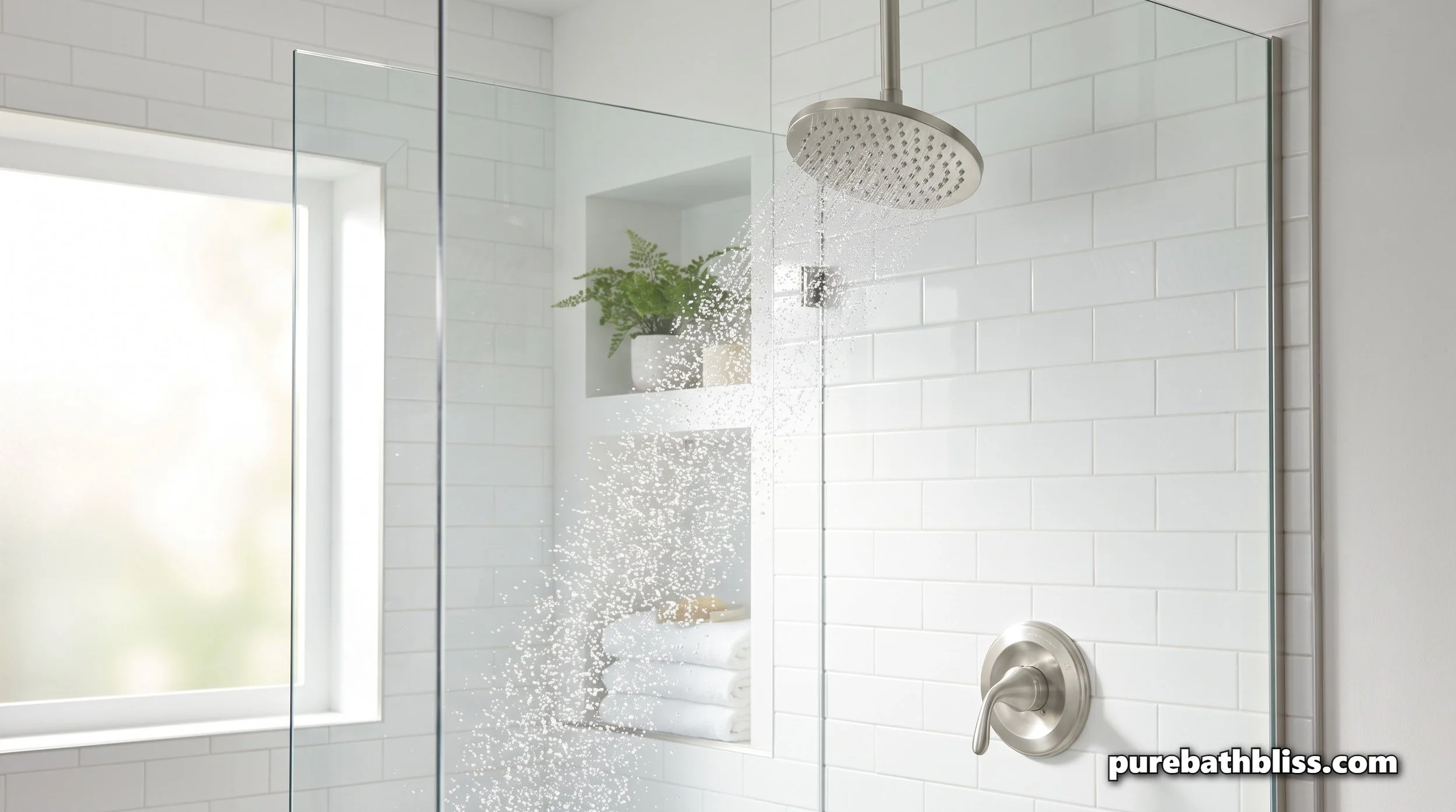
What the Flow Rate Numbers Actually Mean
Showerhead flow is measured in gallons per minute, or GPM. Federal law has capped new showerheads at 2.5 GPM since the early 1990s, and many older heads from before then used far more. California and a number of other states now set lower limits, commonly 1.8 GPM, which is why many showerheads sold today are rated at 1.8 or 1.75. Showerheads that earn the EPA's WaterSense label use 2.0 GPM or less, and the most efficient models people actually like using sit around 1.5.
The WaterSense label matters for more than the flow rate. To earn it, a showerhead has to pass performance testing for spray force and coverage across a range of water pressures, not just hit a low number. That is your best protection against buying a weak, misty head that saves water by being unpleasant to use. A showerhead without the label might use little water, but nobody has checked that it showers well.
Now for honest savings. Switching from a 2.5 GPM head to a 1.5 GPM head saves one gallon for every minute in the shower. For one person taking an eight minute shower every day, that is eight gallons a day, or roughly 2,900 gallons a year. For a family of four with similar habits, it is closer to 11,700 gallons a year. If you are replacing a much older head that uses 3.5 GPM or more, the savings roughly double.
The dollar savings depend heavily on your local water rates and how you heat water, so I will not give you a single headline number. What is consistent is that a large share of the savings comes from heating less water, which is why a showerhead upgrade usually pays for itself faster than most other bathroom efficiency changes. If you are looking at the whole room, our bathroom water audit covers every fixture in order of impact.
Why Some Low Flow Showerheads Feel Weak
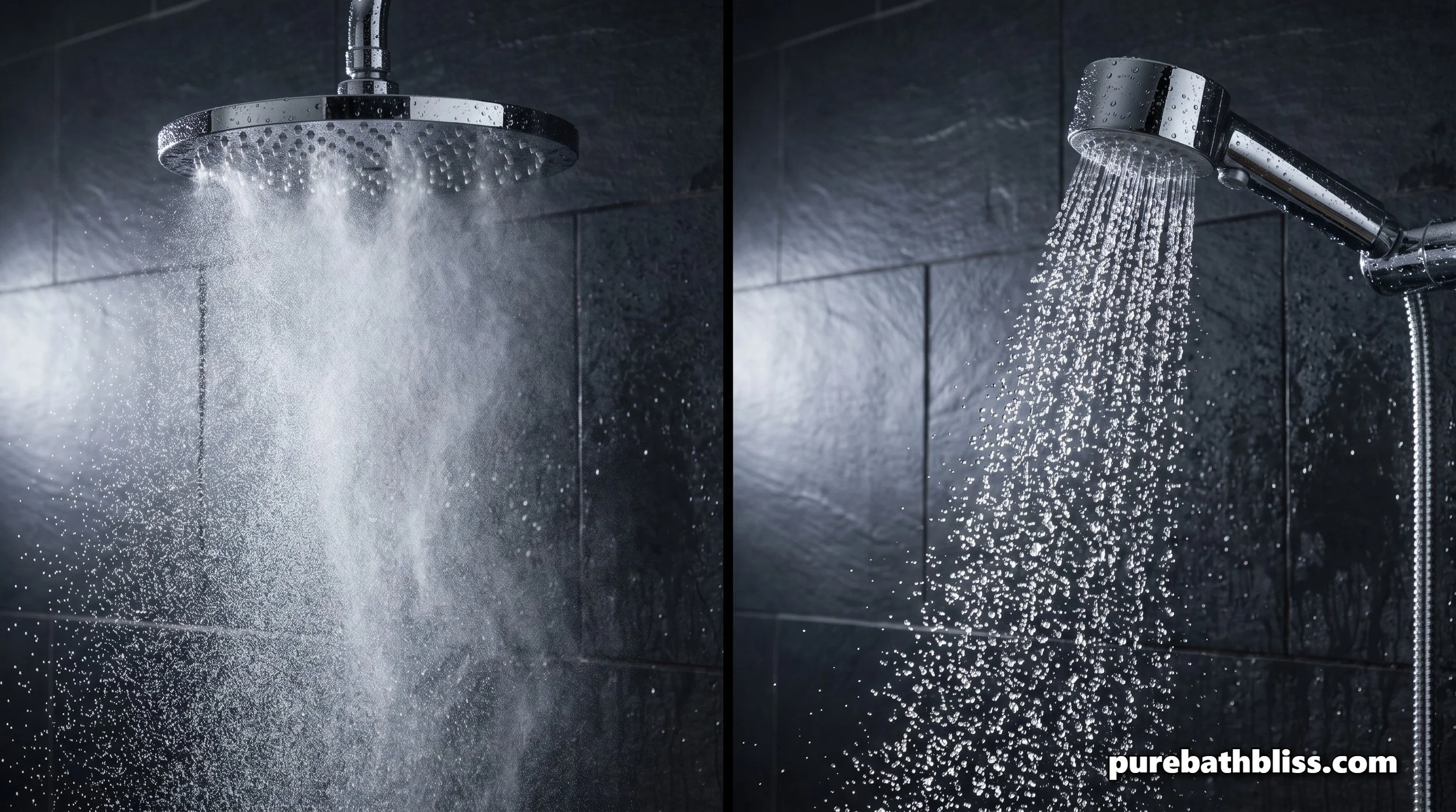
The feeling of a powerful shower comes from three things: how big the droplets are, how fast they hit you, and how much of your body the spray covers. A showerhead that spreads 1.5 gallons a minute into a fine mist across a wide rain head will feel feeble, because the water is divided into tiny, slow droplets spread thinly over a large area. The same 1.5 gallons concentrated into larger, faster droplets in a focused pattern can feel stronger than an old 2.5 GPM head.
Aeration is part of the story. Aerated showerheads mix air into the water to make the spray feel fuller and softer, which can work well, but the air also cools the water as it falls, so an aerated low flow shower can feel cooler and you may turn the temperature up to compensate. Non aerated or laminar spray heads keep the water as solid droplets, which hold their heat better and feel more forceful. Neither is right for everyone, but if you have found low flow showers feel chilly, a non aerated head is worth trying.
Pressure compensation is the other big factor. A pressure compensating showerhead includes a small flow control that delivers close to its rated flow across a range of household water pressures. Without it, a low flow head in a home with modest pressure can deliver well below its rating, and that is when you get the dreaded trickle. If your home has low pressure, or the shower is on an upper floor far from the main, look for pressure compensation specifically.
Finally, check the obvious problem before blaming the showerhead: mineral scale. In hard water areas, deposits can clog the nozzles and the internal screen until a perfectly good head delivers half its flow. Soaking it in white vinegar overnight often restores it completely, and our guide to using white vinegar in the bathroom explains how. Showerheads with a single large nozzle or flexible rubber nozzles that you can rub clean are much less prone to this.
Check Your Water Pressure Before You Buy
Your home's water pressure has more effect on how any showerhead feels than almost anything else, and it is easy to measure. A simple water pressure gauge that screws onto an outdoor hose bib or a laundry tap costs very little at any hardware store. With no other water running in the house, open the tap fully and read the gauge. Most homes fall somewhere between 40 and 80 psi.
If your pressure is in the middle of that range, almost any well designed low flow showerhead will work well, and you can choose based on spray style. If it is at the low end, prioritize pressure compensation and a focused spray rather than a large rain head. If it is unusually low, below about 40 psi, the showerhead is not your main problem, and it is worth investigating the pressure itself, which can come from a failing pressure regulator, a partially closed valve, or old galvanized pipes narrowed by corrosion.
There is one safety check worth knowing about. Many showers have a pressure balancing or anti scald valve in the wall that keeps the temperature steady when someone flushes a toilet elsewhere in the house. Some of these valves, particularly older ones, were designed and tested around higher flow rates, and pairing them with a much lower flow showerhead can affect how well they control temperature. If your shower valve is older and you notice temperature swings after switching, check the valve manufacturer's guidance or have a plumber look at it.
One more thing: do not remove the flow restrictor from a showerhead to get more pressure. It defeats the purpose, often voids the WaterSense certification and the warranty, and in some areas it conflicts with local plumbing code. If a showerhead feels weak with its restrictor in place, it is the wrong showerhead for your water pressure, and a better designed one is the real fix.
| Showerhead | Flow Rate | Type | Best For | |
|---|---|---|---|---|
| High Sierra Classic | 1.5 GPM | Fixed, solid metal, single nozzle, trickle valve | Best overall; hard water areas | Check Price |
| Delta H2Okinetic Handheld | 1.75 GPM | Handheld, 6 settings, wave pattern spray | Families, kids, pets, cleaning the tub | Check Price |
| Niagara Earth Spa | 1.5 GPM | Fixed, pressure compensating, non aerated, 3 settings | Budget; low water pressure homes | Check Price |
| High Sierra Handheld Kit | 1.5 GPM | Handheld, all metal, slip free grip, trickle valve | A metal handheld with large droplets | Check Price |
The Showerheads Worth Buying
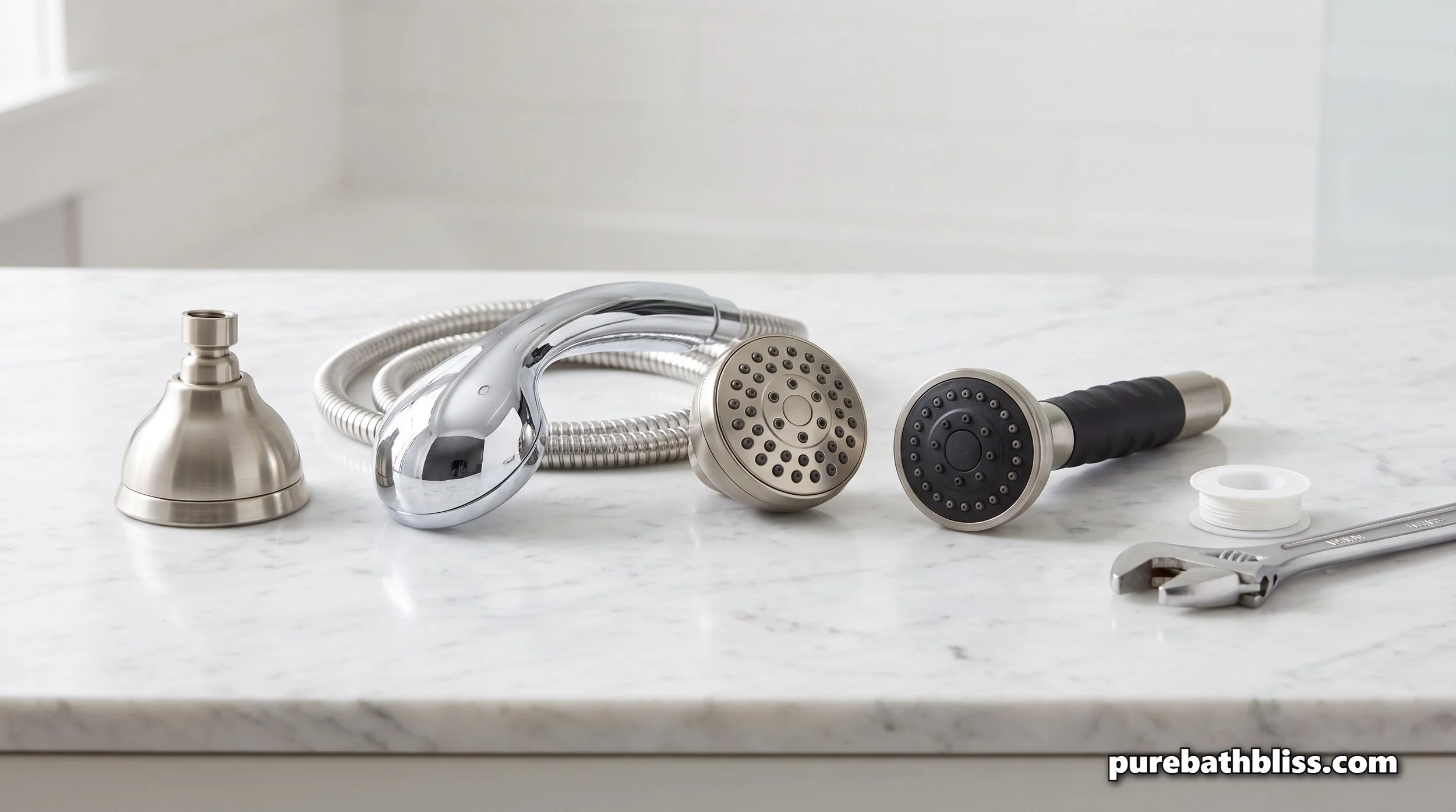
High Sierra Classic 1.5 GPM (best overall). This is the showerhead I would choose for most people. It is solid metal rather than plastic, and instead of dozens of small holes it uses a single nozzle that shapes the water into large, heavy droplets, which rinse shampoo out quickly and feel strong despite the low flow. The single nozzle design also resists clogging in hard water. It is WaterSense certified and includes a trickle valve, a small push button that reduces the flow to a trickle while you lather without losing your temperature setting. Check the current price on Amazon
Delta H2Okinetic 6 Setting Handheld, 1.75 GPM (best handheld). Delta's H2Okinetic technology shapes the water into a wave pattern of larger droplets, which Delta says provides three times the coverage of a standard showerhead under the WaterSense test method. The handheld design is a big practical advantage in a family bathroom, for rinsing kids, cleaning the tub, and washing pets, and the six settings include a focused spray for rinsing hair. It is WaterSense labeled at 1.75 GPM. Check the current price on Amazon
Niagara Earth Spa 1.5 GPM (best budget). An inexpensive showerhead that punches above its price. It uses a pressure compensating flow control, which makes it a smart pick for homes with modest water pressure, and a non aerated spray that holds its heat better than misty aerated heads. Three settings rotate from a gentle spray to a nine jet turbo massage, and it carries a long warranty. It is a good choice when you are equipping several bathrooms at once. Check the current price on Amazon
High Sierra Handheld Kit with Slip Free Grip, 1.5 GPM (best metal handheld). If you want a handheld with the same large droplet spray as the High Sierra Classic, this kit includes the all metal handheld head, a hose, and a holder. The rubber grip makes it easier to hold with wet hands, and the built in trickle valve means you can pause the water while washing a child's hair without losing the temperature. Check the current price on Amazon
Installing It Right in Ten Minutes
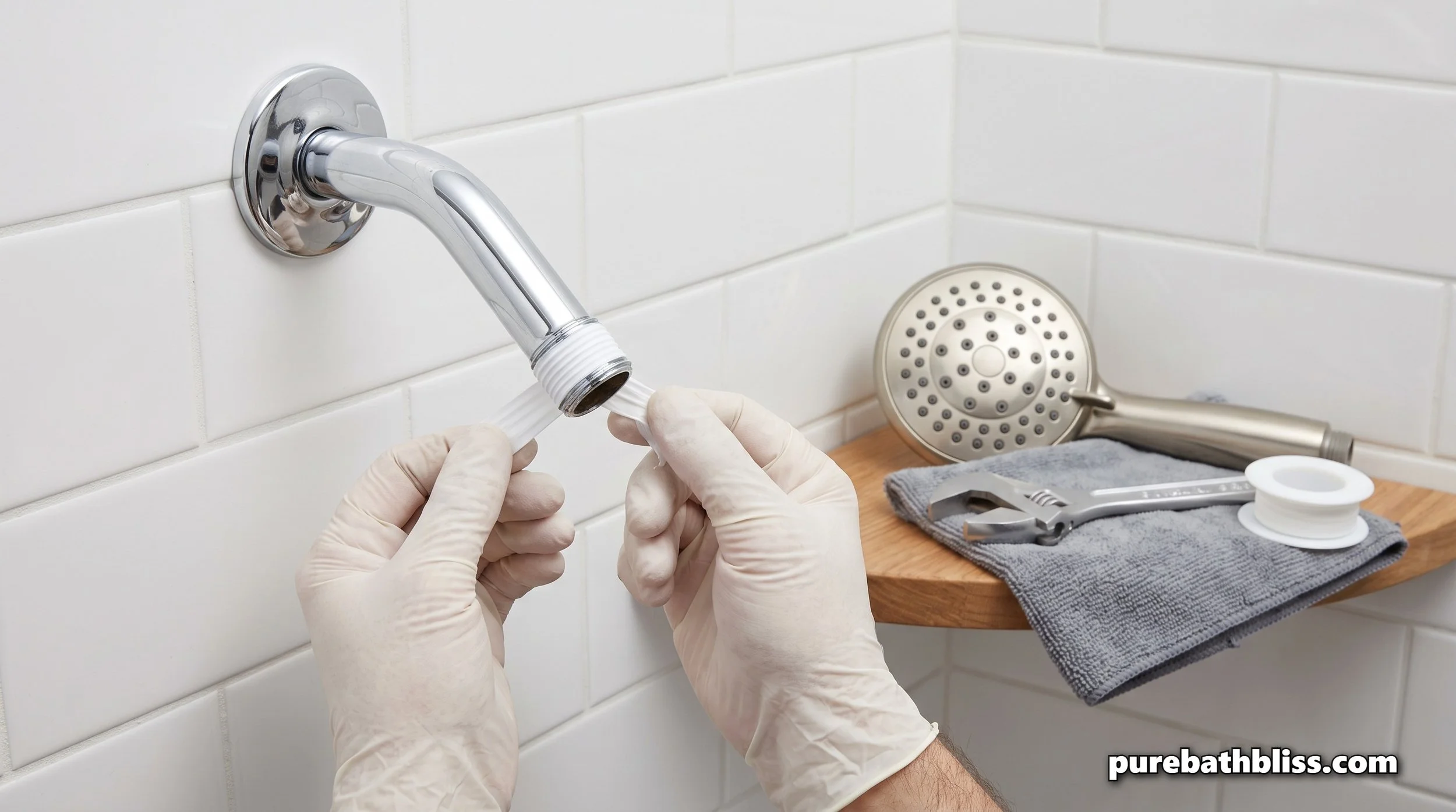
Replacing a showerhead is one of the simplest jobs in the bathroom, and you do not need to shut off the water to the house, since the shower valve itself controls the flow. Unscrew the old head counterclockwise, using an adjustable wrench with a cloth wrapped around the jaws if it is stuck, so you do not scratch the finish. If it will not budge, a few minutes with a hair dryer on the connection can loosen old mineral deposits.
Clean the threads on the shower arm with an old toothbrush to remove old tape and scale. Then wrap two or three layers of thread seal tape around the threads, wrapping clockwise when looking at the end of the arm, so the tape tightens rather than unravels as you screw the new head on. Thread the new head on by hand, then snug it with the wrench about a quarter turn. Most showerheads seal with an internal washer, so overtightening does not help and can crack plastic connections.
Turn the shower on and check for drips at the connection. If it weeps, tighten slightly more. If water sprays from behind the shower arm flange where it meets the wall, the arm itself may be loose in its fitting, which is a sign to stop and check rather than force it. While you are at it, look at the shower arm: a corroded or very short arm is cheap to replace, and a slightly longer arm or an adjustable extension can make a big difference for taller family members.
Give the new head a week before you judge it. Some take a little adjustment to find the right setting and angle. Then do the same upgrade on the faucets: a low flow aerator costs a few dollars and takes a minute, as our guide to installing water saving faucet aerators explains. And if your toilet is from before 1994, our guide on making an old toilet use less water covers the next biggest saving.
Habits That Make a Low Flow Shower Even Better
A good showerhead does most of the work, but a few habits stretch the savings further. The simplest is using the trickle or pause button while you lather, if your showerhead has one, which keeps the temperature set so you are not readjusting every time. In a family with young kids, a handheld with a pause button also makes bath time less wasteful, since you can stop the water between rinses.
Shorter showers matter too. With a 1.5 GPM head, every minute you cut saves another gallon and a half of heated water. Many people find that a stronger, better designed spray actually shortens their showers, because rinsing goes faster when the droplets carry enough force to clear shampoo.
Keep the head clean. A quick vinegar soak every few months in hard water areas keeps the flow and spray pattern as good as the day you installed it. The same water saving thinking applies elsewhere in the house, and our sister site's guide to the most water efficient way to wash dishes carries it into the kitchen.
The Bottom Line
A low flow showerhead does not have to feel weak. Choose one with the WaterSense label, which guarantees it passed spray force and coverage testing, and look for large droplets, a focused or non aerated spray, and pressure compensation if your water pressure is modest. Check your pressure with an inexpensive gauge, clean any scale from your current head before blaming it, and never remove the flow restrictor.
Switching from a 2.5 GPM head to a 1.5 GPM head saves about a gallon of heated water per minute, roughly 2,900 gallons a year for one person who showers daily. For most homes, the High Sierra Classic is the best all round choice, the Delta H2Okinetic handheld is the most practical for families, and the Niagara Earth Spa is the best value.
Greg is a Red Seal Carpenter, coffee shop owner, dad of four, and founder of Pure Bath Bliss. He writes about making smarter choices for your home and family.