
How to Unclog a Drain with Baking Soda and Vinegar (And When It Won't Work)
Most slow bathroom drains are caused by a biofilm of hair, soap scum, and bacteria that builds up gradually in the pipe. Baking soda and vinegar breaks that down without harsh chemicals, and the method costs about twenty cents. Here is the exact protocol, why covering the drain matters, and the honest list of clogs this method cannot fix.

Should Your Cat's Litter Box Be in the Bathroom? The Complete Guide to Hygiene, Humidity, and Setup
The bathroom is the most common first choice for a cat litter box and the most complicated one to get right. It has genuine advantages, easy cleanup, built-in ventilation, hard floors, and proximity to the toilet for waste disposal. It also has genuine problems that most litter box guides do not cover: the humidity that destroys clumping litter, the litter dust that sticks to every moist surface, and the Toxoplasma gondii hygiene concern that matters specifically for pregnant household members. Here is the complete guide with the science, the setup, and the products that make it work.

Harmful Chemicals in Shampoo and Body Wash: What to Avoid and Why It Matters in 2026
The average person is exposed to dozens of chemicals daily through personal care products according to the Environmental Working Group, and most of them arrive through products used in the shower where warm water opens pores and steam carries volatile compounds directly into the lungs. Shampoo and body wash are among the highest-exposure products in any bathroom because of the duration of skin contact, the heat of the shower environment, and the fact that most people use them daily without reading the label. Here is what the research says about the specific compounds worth avoiding and how to find them on a label that is designed to obscure rather than disclose.

How to Clean Your Showerhead: The Non-Toxic Vinegar and Peroxide Method That Actually Restores Pressure
A showerhead that sprays sideways, dribbles weakly, or has visible pink or black film on the nozzles does not need replacing. It needs thirty minutes with two things that are probably already under your sink. Here is the complete cleaning method for every showerhead finish, the bacteria science that explains why this is a health issue and not just a maintenance one, and the maintenance schedule that prevents the problem from coming back.

Does Organic Soap Actually Matter? The Science Behind the Squeaky Clean Myth
That squeaky feeling after you wash is not a sign your skin is clean. It is the sound of your skin barrier being stripped. Most products sold as soap in a standard grocery store are synthetic detergent bars that use the same class of surfactants as industrial degreasers, remove the natural glycerin that would otherwise moisturize your skin while you wash, and replace it with synthetic fragrance and artificial lather. Here is exactly what the difference is, what the science says, and how to read a soap label so you know what you are actually buying.
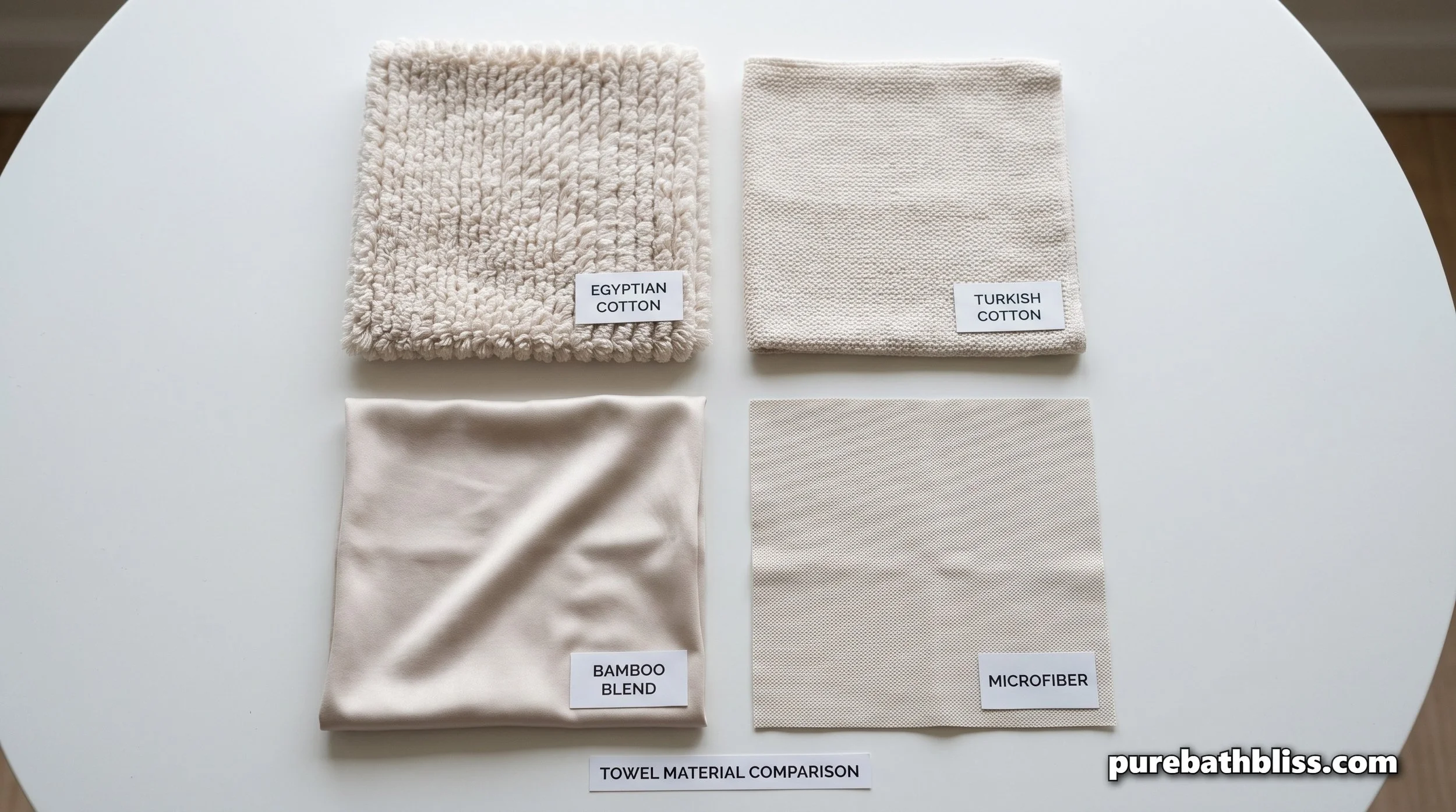
What Makes a Good Bath Towel? The Complete Guide to GSM, Materials, and Why Cheap Towels Go Crunchy
Most people buy bath towels based on how they feel in the store, which is almost completely useless information. A new towel that has been treated with fabric softeners and finishing chemicals to feel plush on the shelf tells you nothing about how it will feel after fifty washes. Here is the guide to what actually determines bath towel quality, why the number on the label matters more than the feel in your hand, and how to read a towel like someone who knows what they are looking for.