The Toothbrush Test: When is it Officially Time to Toss It?
We’ve all been there. You’re brushing your teeth, lost in thought, when you suddenly realize your toothbrush looks like it’s seen better days. The bristles are splayed out, the color is fading, and you can’t actually remember if you bought it two months ago or six.
Most of us wait way too long to swap out our brushes. But here’s the thing: your toothbrush is the front line of your dental health. If the "hardware" is failing, the results are going to be lackluster. Plus, a tired toothbrush can become a cozy home for things you definitely don’t want near your mouth.
Here is how to tell if your brush has reached the end of the road and how to pick a replacement that keeps your smile in "Pure Bliss" mode.
The Three-Month Rule
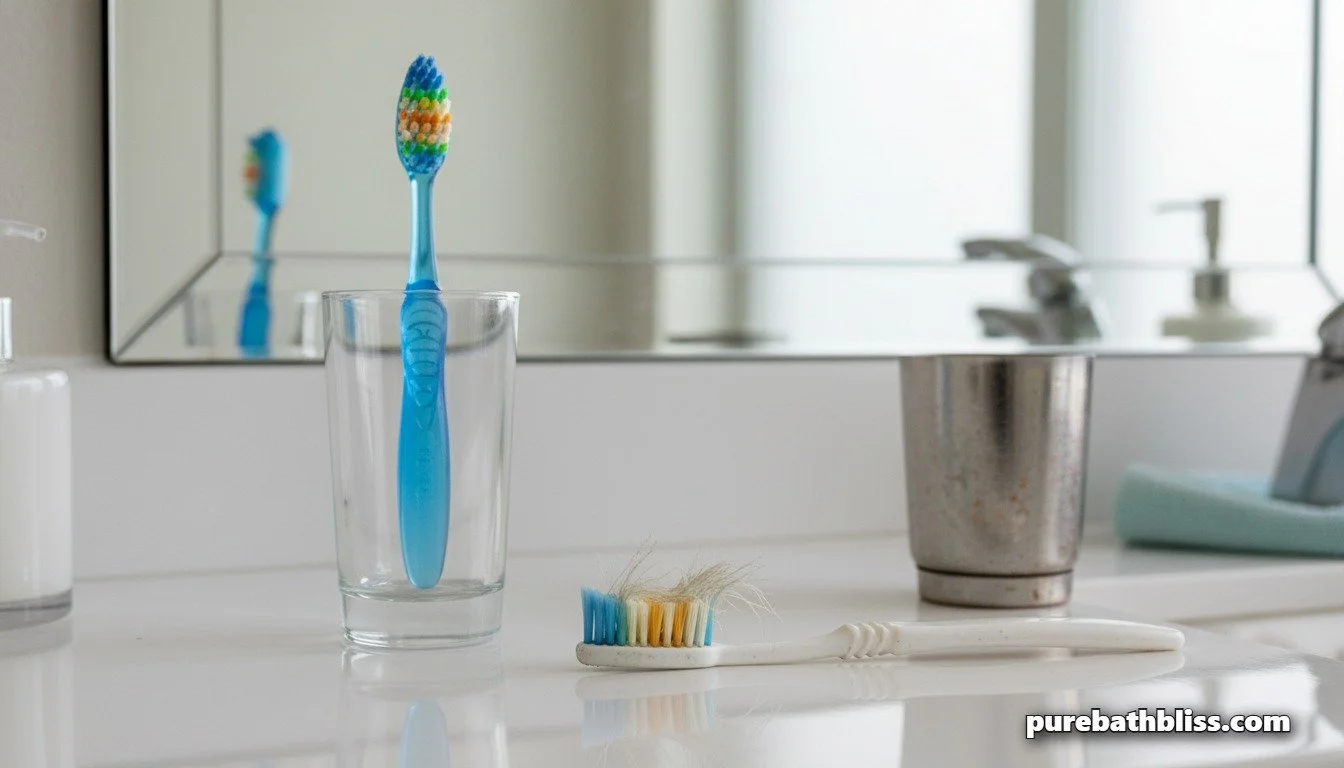
The general rule of thumb is to replace your toothbrush, or your electric brush head, every three months. But that’s not a hard deadline; it’s more of a maximum. If you’re a "heavy brusher" who uses a lot of pressure, those bristles might wear out in just six weeks.
Once the bristles start to bend or "flare" out, they lose their ability to reach into the nooks and crannies between your teeth. At that point, you’re just moving toothpaste around the surface without actually scrubbing away the plaque. It’s a bit like trying to sweep a floor with a broom that has no straw left, it’s just not going to work.
The "Sick Day" Reset
Did you just get over a nasty cold or the flu? Toss that brush immediately. Even if you’ve only used it for a week, germs can linger in the base of the bristles. Using the same brush after you’ve recovered is like inviting the germs back for a second round.
This is especially true if you store your brush in a shared holder. To keep the rest of the family safe, make sure you aren't letting your "sick brush" touch anyone else's. While you’re at it, this is a great time to do a non-toxic bathroom clean to make sure the rest of the room is germ-free too.
What to Look for in a New Brush
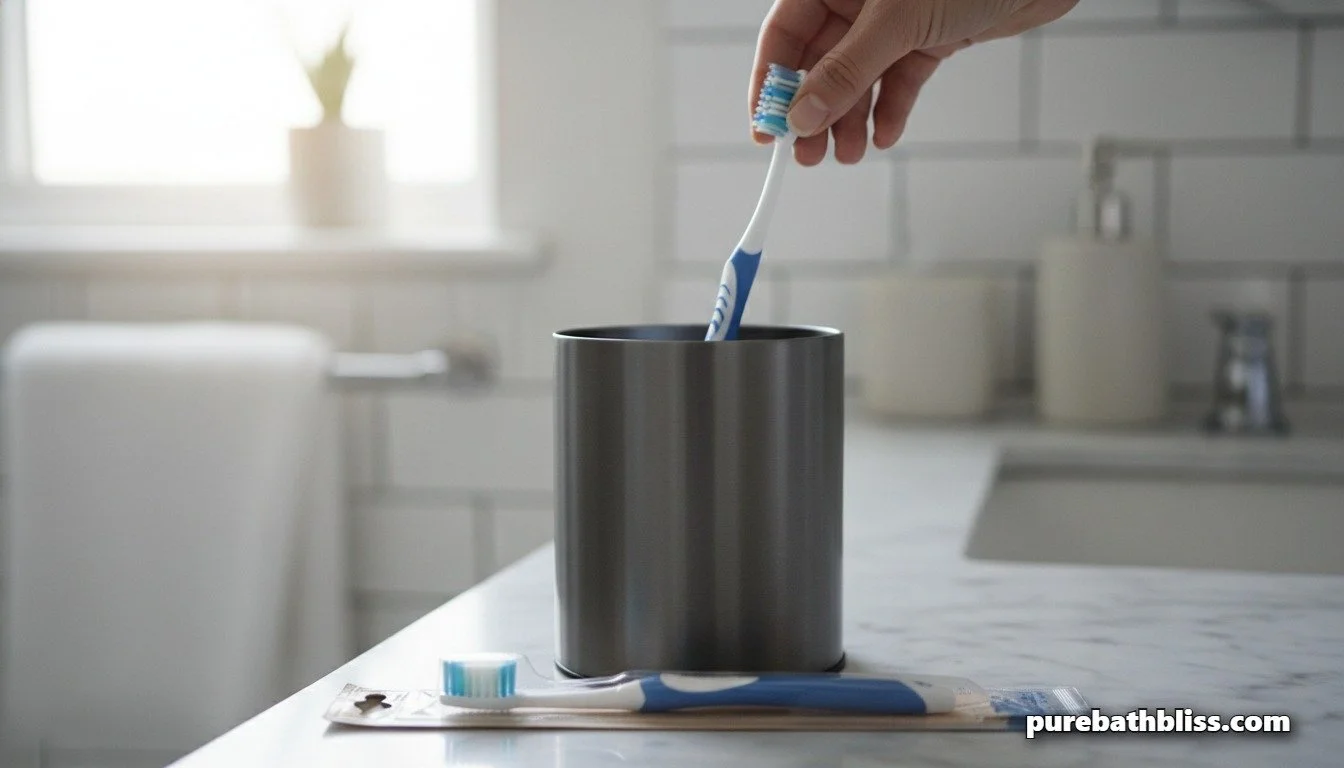
When you head to the store (or browse Amazon), the options can be overwhelming. Do you go for the "Charcoal Infused," the "Triple Action," or the "Extra Soft"?
The most important thing to remember is that you should always check with your dentist to see what specific brush type they recommend for your unique smile. Some people need extra-soft bristles for sensitive gums, while others might benefit from a specific head shape.
If you’re looking for a solid, high-performance upgrade, here are a few fan-favorites on Amazon:
The Electric Gold Standard: Philips Sonicare 4100 – Great for taking the guesswork out of pressure and timing.
The Eco-Friendly Pick: Isshah Bamboo Toothbrushes – Perfect if you want to keep your carbon footprint as clean as your teeth.
The Sensitive Choice: Sensodyne Toothbrush – Super soft for those who tend to brush a bit too hard.
Storage Matters for Hygiene
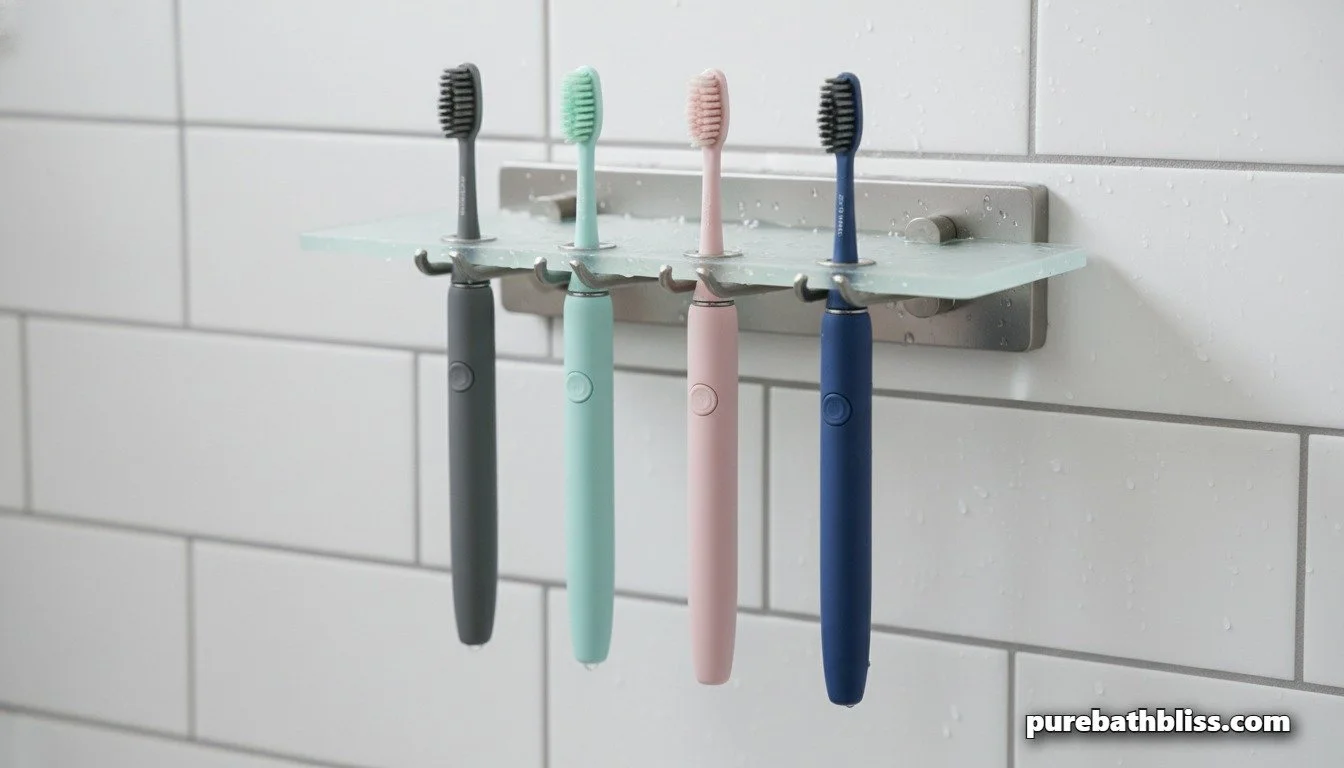
Where you keep your brush is just as important as how often you change it. If you’re keeping it in a dark, damp cabinet or inside a travel case, it never gets the chance to dry out. This is how mold and pink slime bacteria start to find their way into your bristles.
Always store your brush upright and in the open air. If your bathroom is tight on space, you can use some of those no-drill storage hacks we talked about to create a dedicated, airy spot for everyone’s brushes. Just make sure they aren't touching each other!
The "Toilet Plume" Protection
We’ve talked about this before, but it’s worth repeating: the "toilet plume" is real. If you leave your toothbrush sitting out on the counter near the toilet, microscopic droplets can land on it every time you flush.
The easiest fix? Close the lid! It’s a simple habit that protects your toothbrush and keeps your bathroom mirror fog from carrying unwanted guests across the room. If you can't get the family on board with the lid rule, consider a toothbrush cover, just make sure it has plenty of ventilation holes so the brush can still dry out.
Don't Forget the "Support Crew"
A new toothbrush is great, but it can't do all the heavy lifting alone. Make sure you’re checking your other bathroom essentials too. Is your floss silk or plastic? Is your mouthwash alcohol-free?
Checking your supplies is a great habit to get into every time you swap your brush. It’s also a good time to check under the sink to make sure everything is flowing well. If you notice things are getting a bit slow, you can quickly fix a slow sink drain before it becomes a bigger headache.
Summary: The Toothbrush Replacement Checklist
The 3-Month Rule: Max out at 90 days, or sooner if bristles flare.
The Post-Sickness Swap: Toss it as soon as you're healthy.
The Dentist Factor: Always ask your pro for their specific recommendation.
Check the Bristles: If they look like a "pinecone," they aren't cleaning.
Air it Out: Store upright in a well-ventilated spot.
Close the Lid: Protect your brush from the "toilet plume."
A fresh toothbrush is one of the cheapest and easiest ways to improve your health. It takes two seconds to swap, but the "Pure Bliss" feeling of a brand-new, clean brush is hard to beat.