Are zero-waste shampoo and conditioner bars actually good for your hair?
As we redesign our master baths to achieve a state of clean, visual silence, the products we use in the shower deserve the exact same intentional edit. For years, our shower niches have been dominated by bulky, brightly colored plastic bottles. Much like standard liquid hand soap, traditional hair care products are an environmental and spatial paradox: they are up to 80% water, wrapped in single-use plastics, and frequently loaded with synthetic silicones that coat your hair shafts to create an illusion of shine while suffocating your scalp.
This realization has driven a massive movement toward solid, zero-waste shampoo and conditioner bars. But a major question remains for anyone protective of their hair health: Are these concentrated solids actually good for your hair, or do they leave it feeling like straw?
The short answer is that solid hair care has undergone a massive engineering evolution. If you tried a shampoo bar years ago and hated it, it's time to take another look. Here is the science behind modern bar formulations and how to make the swap without a frustrating "transition phase."
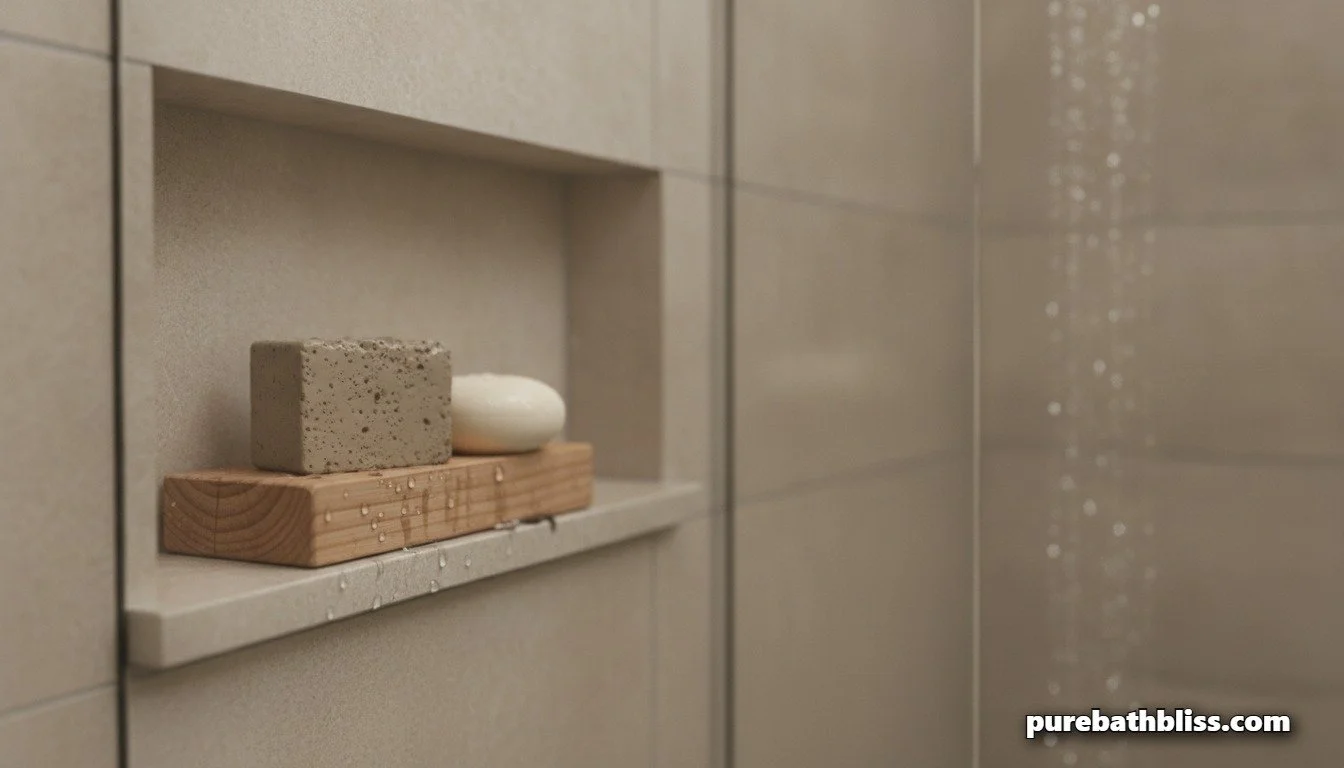
The Soap vs. Syndet Evolution
The biggest "lightbulb moment" in solid hair care is understanding the difference between traditional soap and modern shampoo bars. Early generations of shampoo bars were essentially just bar soap repackaged for your head. Because traditional soap is highly alkaline (typically possessing a pH between 9 and 10), it raises the hair cuticle, strips natural oils, and leaves behind a dull, sticky residue when mixed with minerals, a nightmare for anyone already managing hard water scale issues.
The Fix: Modern, high-quality shampoo bars are entirely soap-free. They are made from syndet (synthetic detergent) bars that are scientifically pH-balanced to perfectly match your scalp’s natural chemistry (around 4.5 to 5.5).
Instead of harsh sulfates, these premium bars utilize ultra-gentle, plant-based surfactants derived from coconut oil, such as sodium cocoyl isethionate (SCI). This compound cleanses the scalp thoroughly without stripping away essential moisture, keeping your hair's natural bounce intact.
Concentrated Nutrition Without the Water Weight
When you buy a standard bottle of liquid conditioner, you are primarily paying for water and plastic packaging. Solid bars strip away the liquid filler, leaving behind nothing but the active, nourishing ingredients.
The Fix: Premium solid conditioner bars are packed with raw, un-diluted botanical butter and oils—like cocoa butter, argan oil, and hydrolyzed proteins. Because there is no water in the formula, these bars do not require synthetic chemical preservatives or formaldehyde-releasing agents to stay shelf-stable. This means you can keep your daily self-care routine completely free of the toxic chemical loads we avoid in our non-toxic shower curtain liner guide.
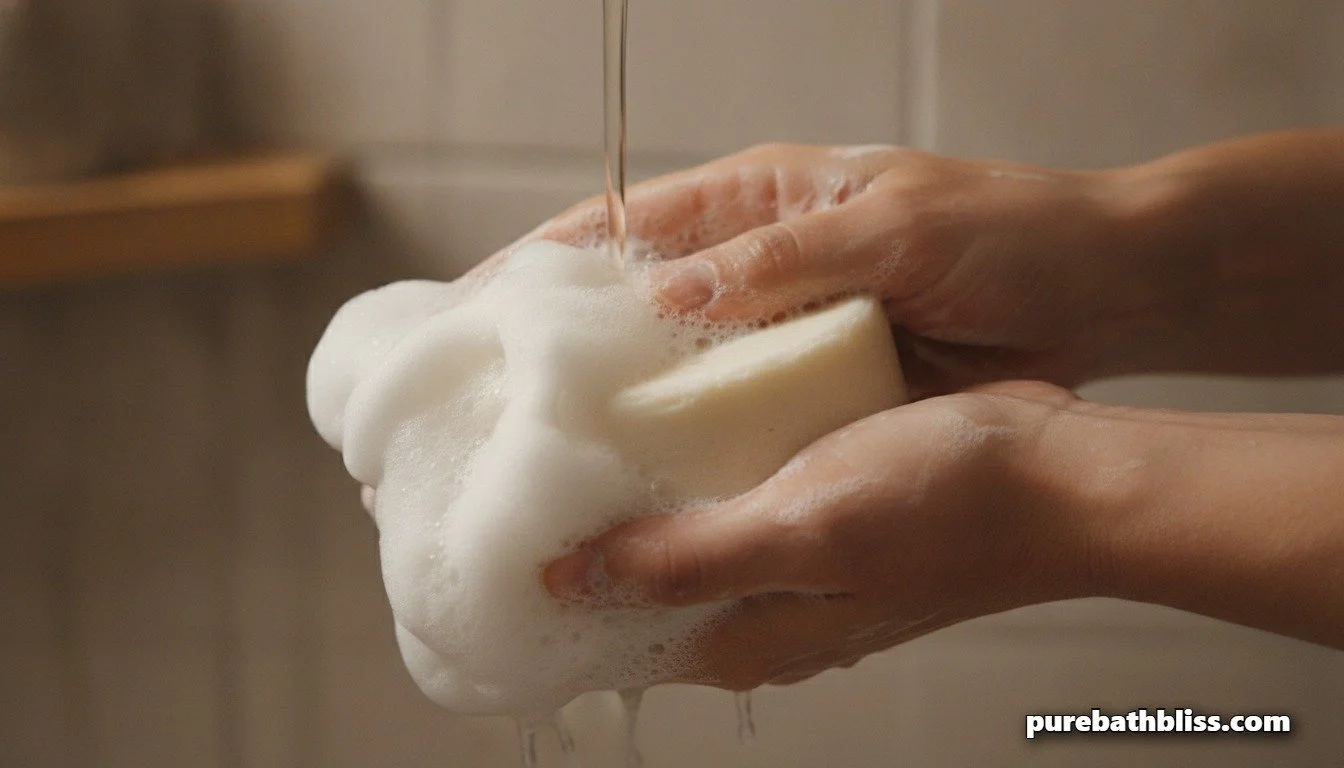
How to Transition to Shampoo Bars
If you are ready to eliminate plastic clutter and transition to shampoo bars, a few tactical shifts in your washing technique will ensure a flawless result from day one.
The Application: Never rub a solid conditioner bar directly onto your roots. Instead, run the bar under warm water for 10 seconds to activate the outer layer, rub it directly between your hands to release the oils, and then sweep your hands solely through the mid-lengths and ends of your hair.
The Curing Protocol: Because solid bars lack a plastic outer shell, their biggest enemy is standing moisture. If left sitting in a pool of shower water, they will quickly dissolve into a mushy paste. Always place your bars on a self-draining cedar or stone block completely outside the direct spray zone of your high-pressure rainfall showerhead. Allowing them to fully air-dry between uses ensures a single bar will easily last as long as two to three standard plastic bottles.
Traditional Liquid vs. Modern Solid Hair Care
| Metric | Traditional Liquid Products | Modern Solid Bars |
|---|---|---|
| Water Composition | Up to 80% (Acts as a heavy filler). | 0% (Pure, un-diluted active ingredients). |
| Preservatives | Required to prevent bacteria in standing water. | None needed (Naturally shelf-stable). |
| Packaging Footprint | Single-use high-density polyethylene plastic. | Completely zero-waste compostable paper wraps. |
| Scalp Impact | Often builds up synthetic silicone residue. | Rinses clean; balances natural oil production. |
Summary: Streamlining Your Ritual
Transitioning to solid shampoo and conditioner bars is one of those rare design decisions where your environmental ethics, your physical health, and your interior style align flawlessly. By stripping away the plastic waste and the artificial chemical fillers, you give your scalp the clean, concentrated nourishment it needs while completely silencing the visual noise in your shower enclosure. It’s an effortless, elevated upgrade to your daily wellness ritual.