How do I choose a non-toxic shower curtain liner?
When we design a luxury bathroom, we pour hours of thought into the macro elements, the layout, the stone, and the lighting. But often, the most dangerous wellness threats hide in the smallest details. If you bought a cheap, standard plastic shower curtain liner from a big-box retailer, you might inadvertently be filling your beautiful sanctuary with toxic fumes.
The classic "new shower curtain smell" is actually a warning sign. Traditional, cheap liners are manufactured from Polyvinyl Chloride (PVC), a synthetic plastic stabilized with chemical additives. When heated up by daily shower steam, PVC breaks down and undergoes a process called "off-gassing," releasing volatile organic compounds (VOCs) directly into your breathing zone. Thankfully, fixing this air-quality issue is incredibly simple, affordable, and requires zero sacrifice in aesthetics.
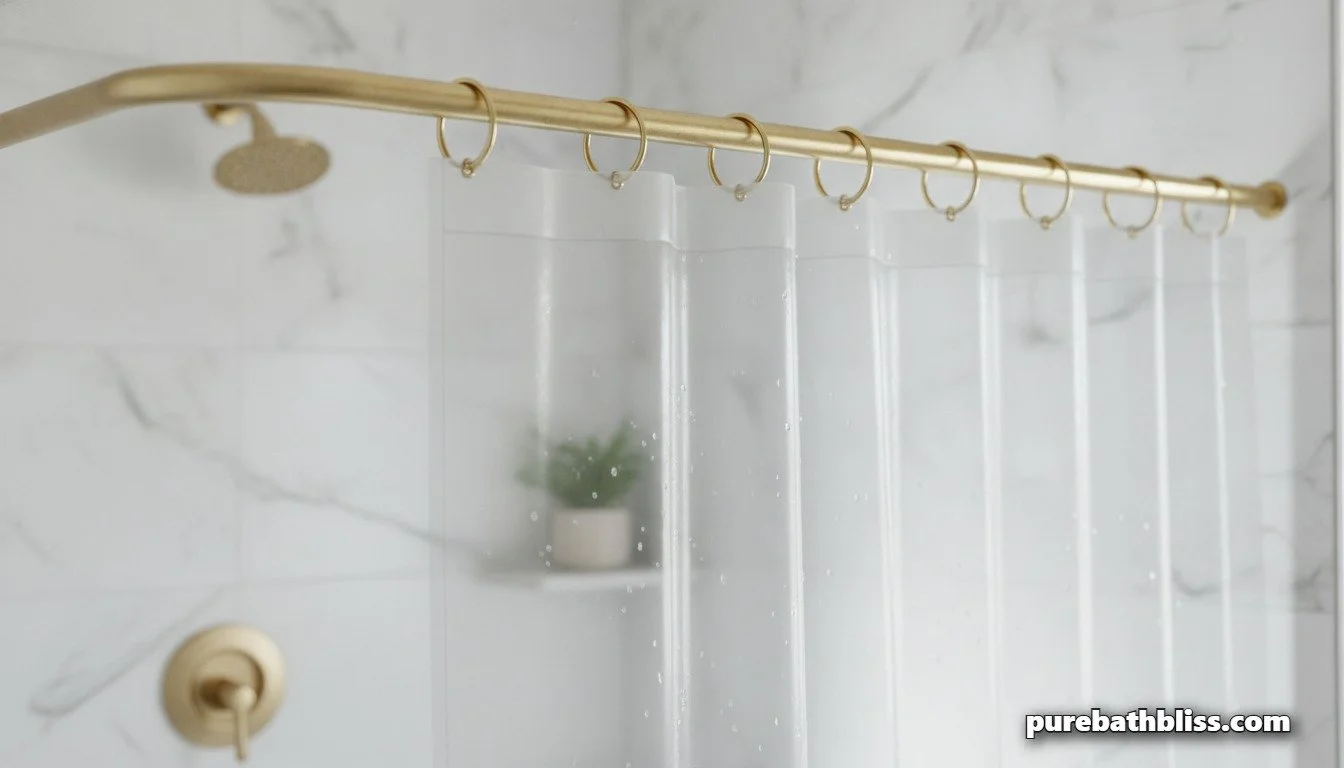
The Direct Swap: PEVA and EVA Liners
If you love the practical convenience of a water-clear, wipeable waterproof barrier, you don't have to give it up. You just need to swap the material.
The Fix: Look specifically for labels marked PEVA (Polyethylene Vinyl Acetate) or EVA. These materials are entirely PVC-free and chlorine-free, meaning they won't off-gas harmful chemicals when blasted with hot steam. The best part? They function exactly the same way, retain excellent transparency, and cost the exact same amount, typically between $10 and $15. It is a true $0-premium health upgrade that fits perfectly into an eco-conscious lifestyle.
2. The Organic Approach: Canvas and Hemp
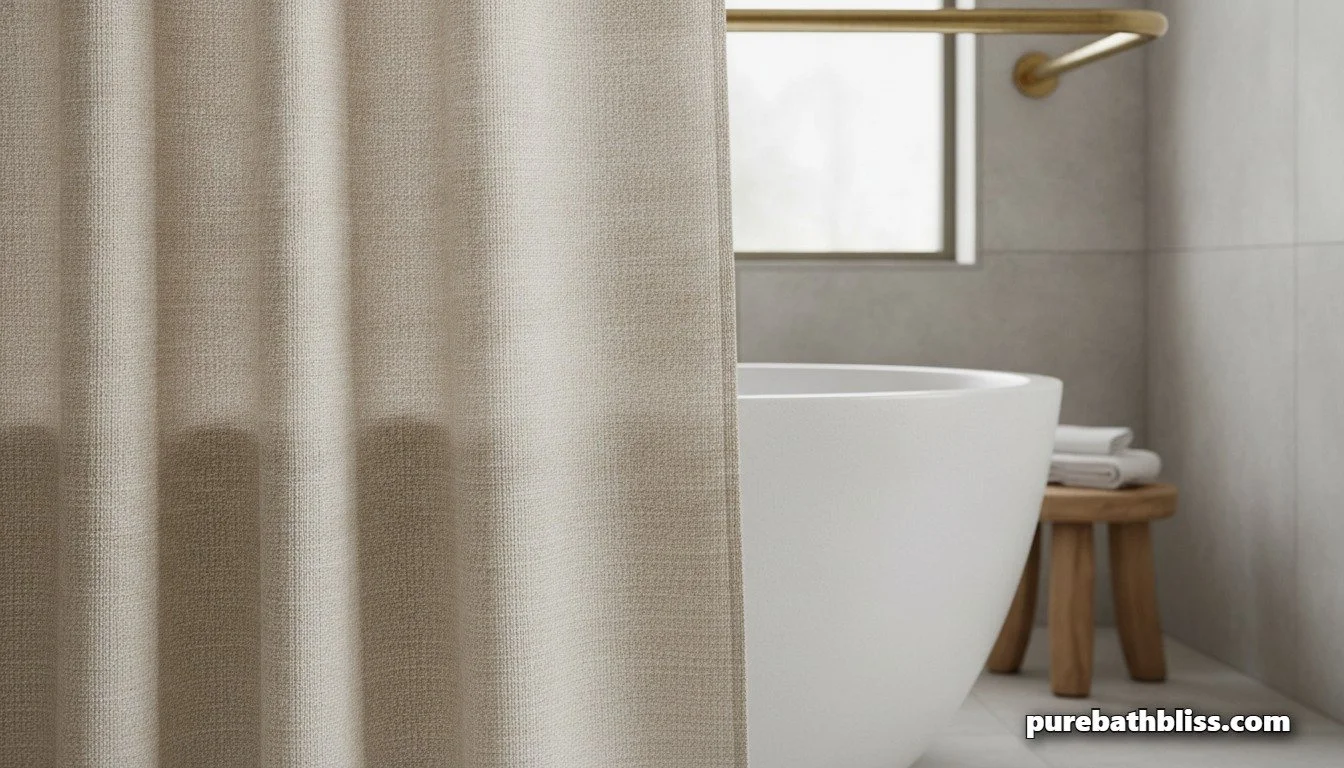
For anyone trying to completely remove synthetic plastics from their home, the ultimate solution is transitioning to natural, woven textiles. This choice elevates the visual weight of your shower enclosure, leaning heavily into an organic style.
The Fix: Invest in a heavy-duty, tightly woven liner made from organic cotton canvas or hemp. While these fabrics aren't waterproof like plastic, their dense weave stops water droplets from spraying through, allowing the fabric to catch moisture and dry naturally. Hemp is particularly brilliant for bathrooms because its fibers are naturally antimicrobial and highly resistant to the damp conditions that invite the troublesome fungal spores outlined in our budget bathroom mold prevention guide.
The Laundering Protocol
The only drawback to natural fabric liners is that they cannot simply be squeegeed off like a plastic sheet. They will eventually absorb soap scum and body oils, which can harbor mildew if neglected.
To prevent the buildup that eventually leads to that unmistakable wet dog smell on your linens, your fabric liner must be regularly integrated into your cleaning schedule. Pop it into the washing machine every few weeks alongside your towels. Following our gentle, fiber-conscious luxury towel rotation washing science will keep the natural fibers clean, fluffy, and functioning beautifully without breaking down.
Safe Shower Liner Comparison
| Liner Material | Toxicity Profile | Maintenance Style | Best Aesthetic Match |
|---|---|---|---|
| Standard PVC | High (Off-gasses VOCs in steam) | Wipe down; throw away when slimy. | Basic / Utility |
| PEVA / EVA | Safe (PVC-free, zero odor) | Easy shake-dry; wipe clean inline. | Modern / Transparent |
| Organic Cotton | Safe (All-natural textile) | Machine wash with gentle soap. | Classic Spa / Matte Finish |
| Woven Hemp | Safe (Antimicrobial fibers) | Machine wash; quick air-dry on the rod. | Organic Textures / Japandi |
Summary: Pure Air, Pure Space
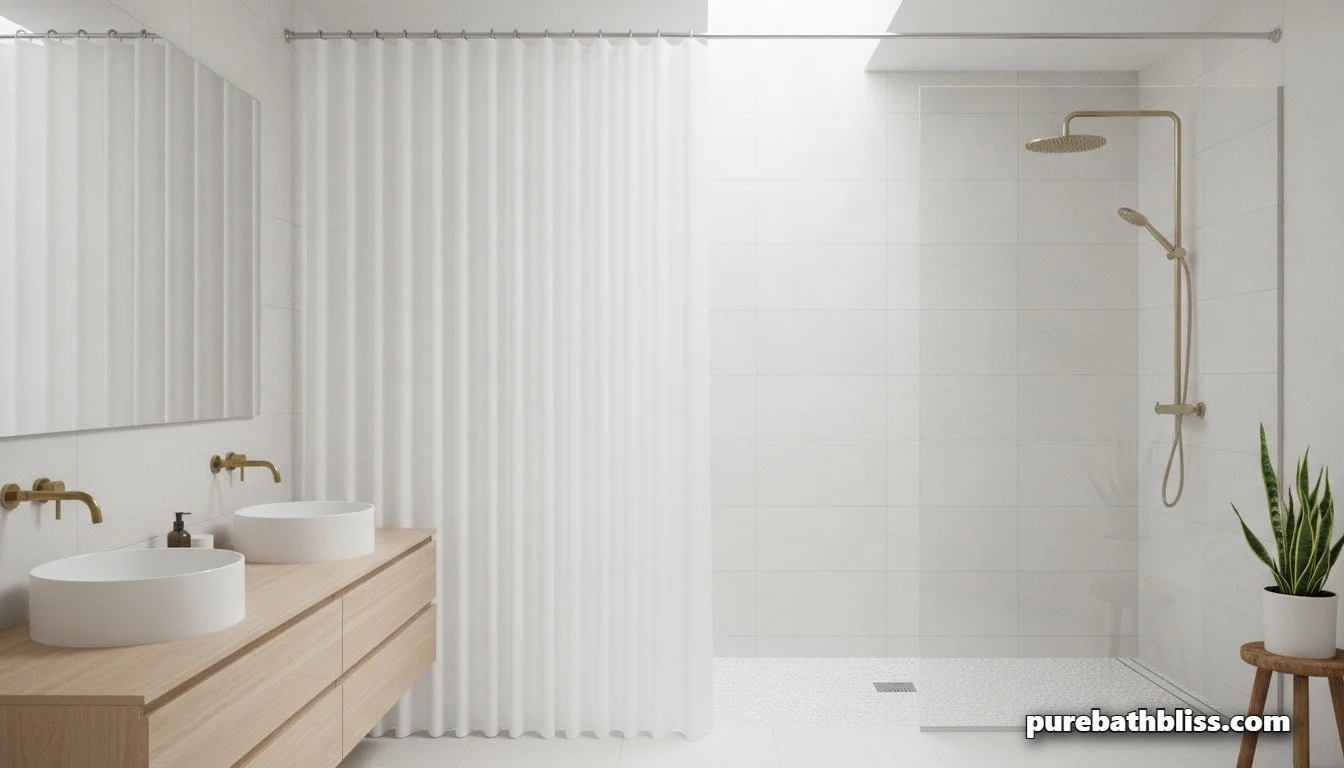
Protecting your wellness doesn't require a massive budget overhaul. Swapping out a toxic plastic sheet for an affordable PEVA alternative or a beautiful organic fabric liner immediately cleans up your bathroom's air chemistry. Keep your breathing zone pure, choose materials that treat your body with respect, and build a safer, cleaner daily sanctuary.