"Sensory Bathing": Using 2026 Soundscapes for Emotional Regulation
We’ve already mastered the visual and tactile elements of the modern sanctuary. We’ve optimized our circadian lighting to protect our melatonin, and we’ve transitioned to warm minimalism to soothe our eyes. But in late 2026, the final frontier of bathroom wellness isn't something you can see or touch, it’s what you hear.
The "lightbulb moment" for emotional regulation this year is Sensory Bathing. Science has caught up to what we’ve felt intuitively: the acoustic environment of your bathroom during a soak can either amplify your stress or act as a "reset button" for your nervous system. By integrating specific soundscapes into your REM sleep bath ritual, you can move from "just a bath" to a profound state of biological recovery.
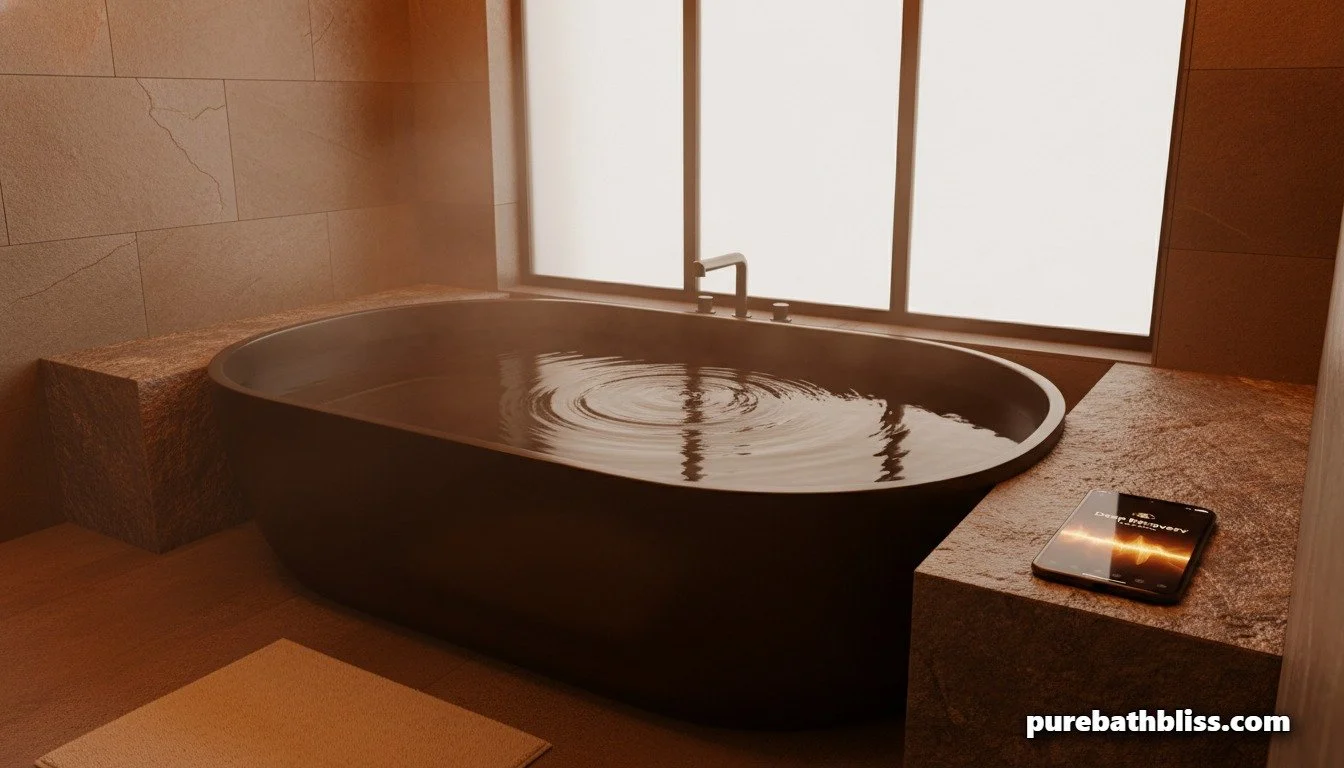
1. The Science of "Pink Noise" vs. Silence
While a silent bathroom is better than a noisy one, "absolute silence" can actually trigger hyper-vigilance in the brain. In 2026, the gold standard for relaxation is Pink Noise.
Unlike White Noise (which has equal energy across all frequencies and can feel "hissy"), Pink Noise has more power at lower frequencies. It mimics the natural sounds of a steady rain or rustling leaves. Research shows that listening to Pink Noise while soaking at 104°F regulates brain wave activity, leading to more stable sleep patterns and immediate emotional grounding.
2. "Invisible" Bone-Conduction Audio
One of the biggest hurdles to sensory bathing used to be the "bathroom echo." Tiled rooms are acoustic nightmares. In 2026, we’ve solved this with Bone-Conduction Tub Transducers.
These are small, invisible smart gadgets that attach to the underside of your bathtub. They turn the entire tub structure into a speaker. Because the sound travels through the water and into your body (rather than through the air), you don't get the "tinny" echo of a standard Bluetooth speaker. The water itself becomes the medium for the sound, creating a "Vibroacoustic" experience that physically vibrates your muscles into relaxation.
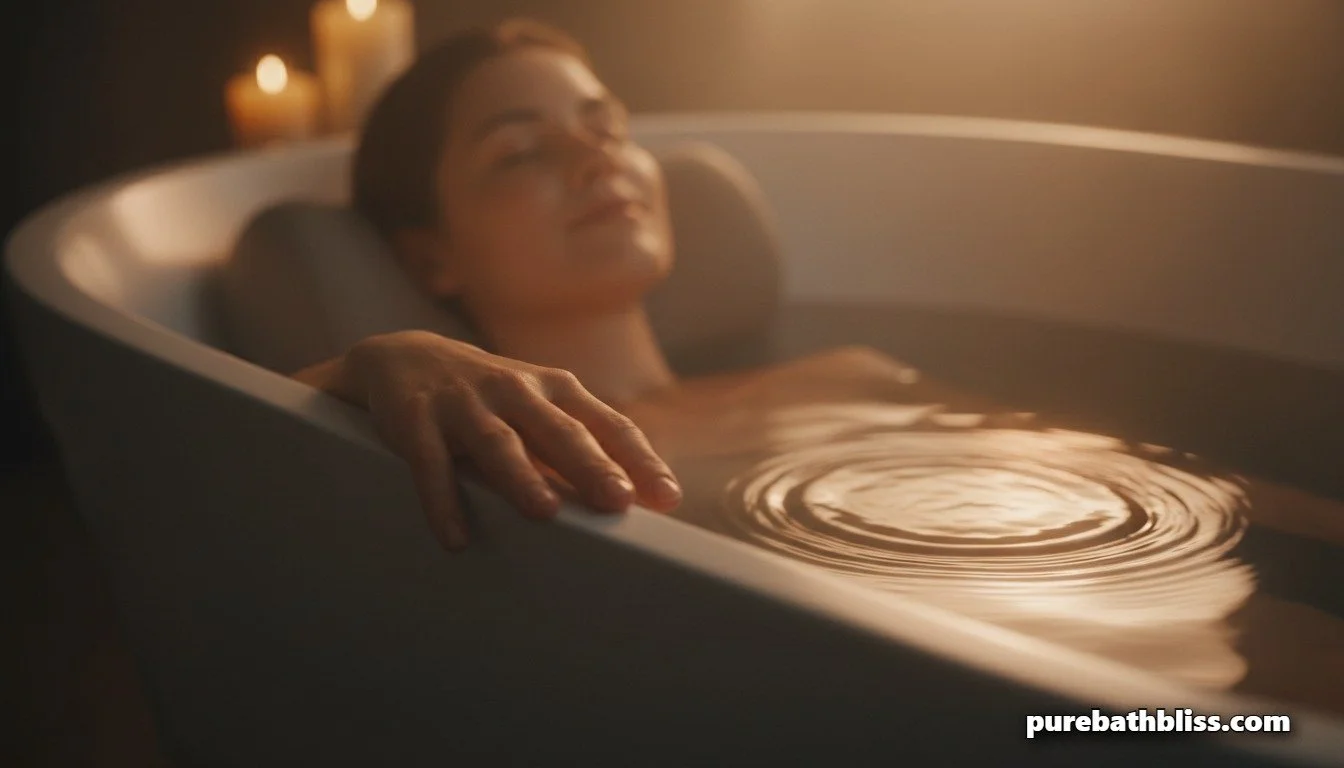
3. Frequency Tuning for the "Vagus Nerve"
The Vagus Nerve is the main component of your parasympathetic nervous system (the "rest and digest" system). In 2026, wellness practitioners are using specific frequencies, like 432 Hz, to stimulate this nerve during bathing.
When you pair a 432 Hz soundscape with a magnesium skin-soak, you are attacking stress from two angles: chemically (via the magnesium) and neurologically (via the sound). It’s the ultimate "emotional detox" after a long July guest season.
The 2026 Sensory Bathing Menu
| Sound Type | Frequency / Spectrum | Emotional Benefit |
|---|---|---|
| Pink Noise | Steady, low-frequency focus. | Reduces "brain chatter" and anxiety. |
| Solfeggio Tones | 432 Hz or 528 Hz | Vagus nerve stimulation; DNA-level repair. |
| Biophilic Audio | Deep Forest or Submerged Rain | Lowers cortisol; enhances "Warm Minimalism" vibe. |
| Binaural Beats | Theta Waves (4-8 Hz) | Induces deep meditative states; prepares for REM. |
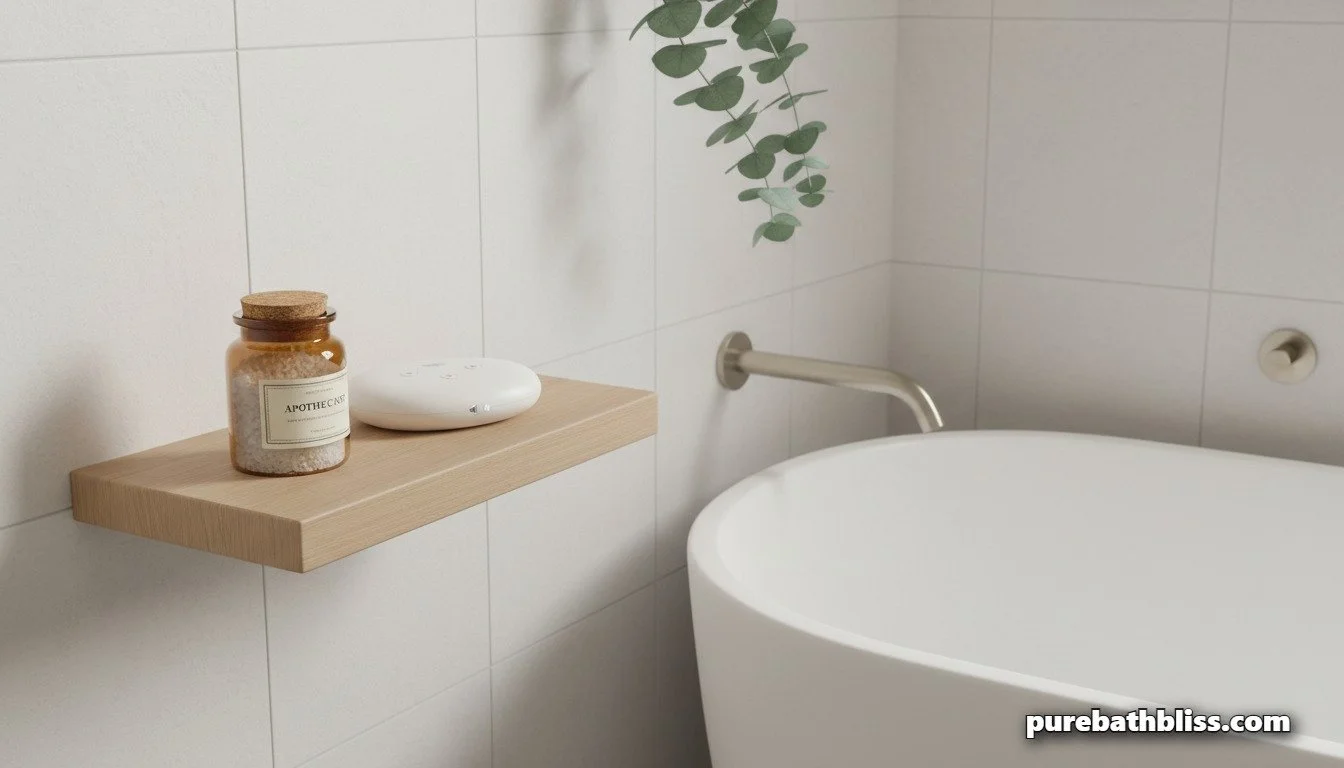
Summary: A Multi-Sensory Reset
A 2026 bathroom isn't just a place to wash your body; it’s an emotional processing plant. By moving beyond just "quiet" and embracing the science of soundscapes, you can transform your bath into a powerful tool for mental health. Whether you use a high-end transducer or simply a well-placed, waterproof speaker playing Pink Noise, the goal is the same: Total Immersion.
Let the water hold your weight, let the lights signal your brain, and let the soundwaves quiet your mind.