Beyond the Fog: The Organic Guide to Curing Window Condensation with the Salt Bowl Method
Transparency Note: We independently select these products based on research and user reviews. If you buy something through our links, we may earn a commission.
As the temperatures drop and we retreat into the warmth of our homes, a familiar "fog" begins to settle across our window panes. To the casual observer, condensation is just a minor morning annoyance—a veil of mist to be wiped away. But in a Sustainable Sanctuary, we recognize those droplets for what they truly are: a signal that our home’s internal ecosystem is out of balance.
Left unchecked, that "morning mist" doesn't just evaporate. It drips into wooden sills, seeps into wall cavities, and creates a high-moisture "welcome mat" for black mold (Stachybotrys chartarum). While many reach for loud, energy-consuming dehumidifiers or plastic chemical tubs, the most elegant and effective solution is likely sitting in your kitchen pantry: Simple, Coarse Salt.
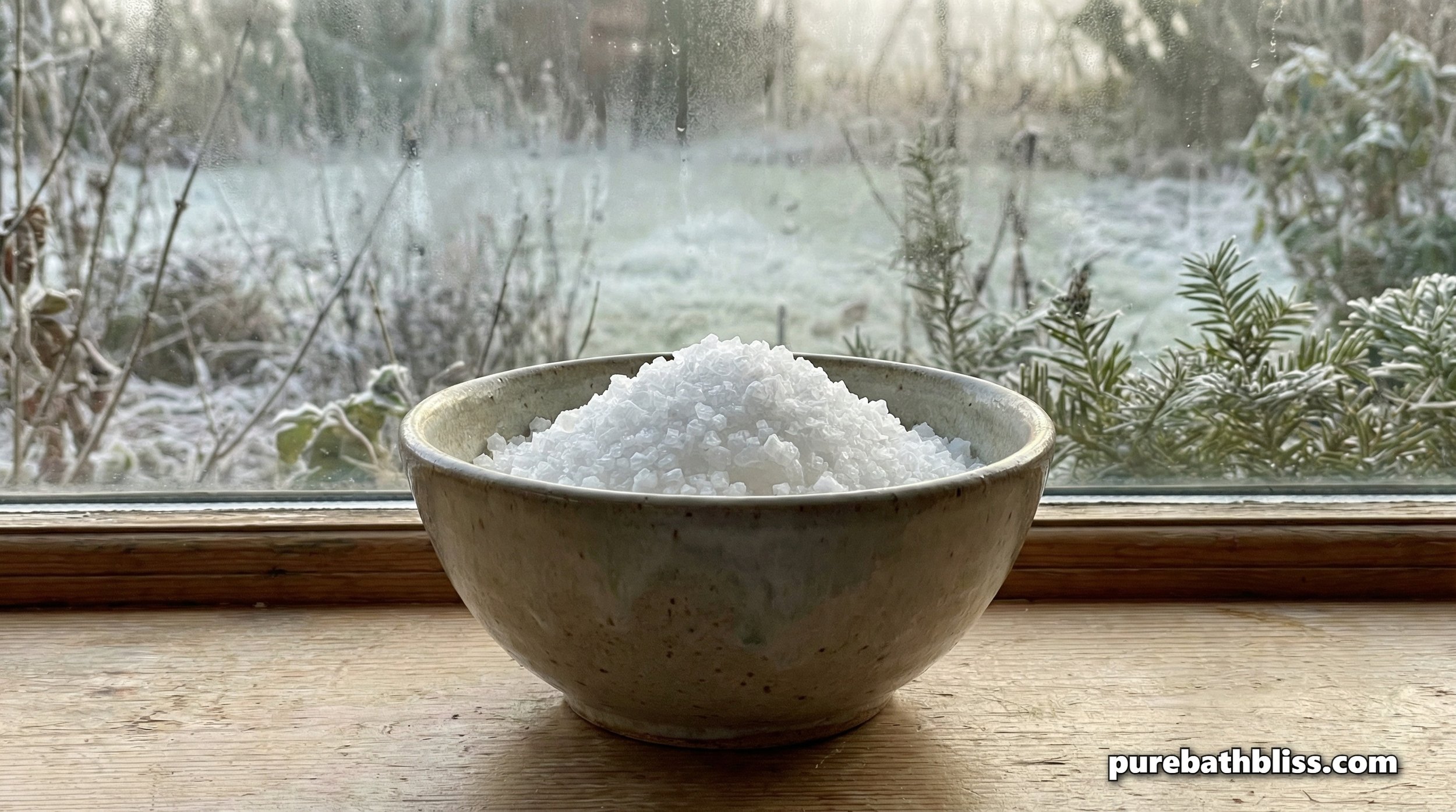
1. The Science of the "Thirsty" Mineral
To understand why a bowl of salt is so effective, we have to look at a property called hygroscopy. In the world of chemistry, a hygroscopic substance is one that actively attracts and holds water molecules from the surrounding environment through either absorption or adsorption.
Salt is one of nature’s most powerful hygroscopic minerals. When the air in your bathroom or bedroom becomes saturated with moisture—whether from a hot shower, boiling pasta, or simply the rhythm of your breath overnight—those water molecules look for a cold surface to land on.
The "Dew Point" Explanation: Condensation happens when warm, moist air hits a cold surface (like a window pane) and reaches its "dew point," turning from a gas back into a liquid. By placing a bowl of salt on the ledge, you are creating a "pre-emptive strike." The salt crystals pull that vapor out of the air before it ever reaches the glass. It is, quite literally, a silent, non-electric dehumidifier.
2. Why the "Organic" Method Beats the "Chemical" One
If you walk into any hardware store in the winter, you’ll see stacks of plastic tubs filled with white pellets designed to "absorb damp." These products almost always use calcium chloride.
While calcium chloride is effective, it doesn't fit the ethos of a Sustainable Sanctuary for three critical reasons:
The "Spill" Risk: As calcium chloride absorbs water, it turns into a caustic, salty brine. If a pet or a child knocks that over, it can cause chemical skin irritation or permanently "burn" the finish on your hardwood floors.
The Plastic Waste: Those tubs are single-use plastic. Once the chemical is dissolved, the whole unit usually ends up in a landfill.
Structural Integrity: Chemical damp-catchers often work too fast, pulling moisture so aggressively that they can actually cause wooden furniture or trim nearby to shrink or crack. Salt is a "slow-release" regulator, which is much kinder to your home's woodwork.
3. Selecting Your Salt: Not All Crystals are Equal
To reach peak efficiency, the type of salt you choose matters. As a builder, I look at the "surface area to volume ratio." You want the most "nooks and crannies" possible to catch passing water molecules.
Coarse Sea Salt: This is the gold standard for moisture wicking. The jagged, irregular edges provide more bonding sites for water molecules compared to fine table salt, which can "cake" and stop working almost immediately.
Himalayan Pink Salt: If your salt bowl is going to be in a high-visibility area like a master bedroom or a guest bath, Himalayan salt is a beautiful choice. It contains trace minerals like iron and magnesium that make it slightly more stable in high-humidity environments.
Rock Salt (Halite): If you are dealing with a major condensation issue—perhaps in a laundry room or a mudroom—coarse rock salt is the heavy lifter. It’s less refined and often more affordable in bulk, making it perfect for larger vessels.
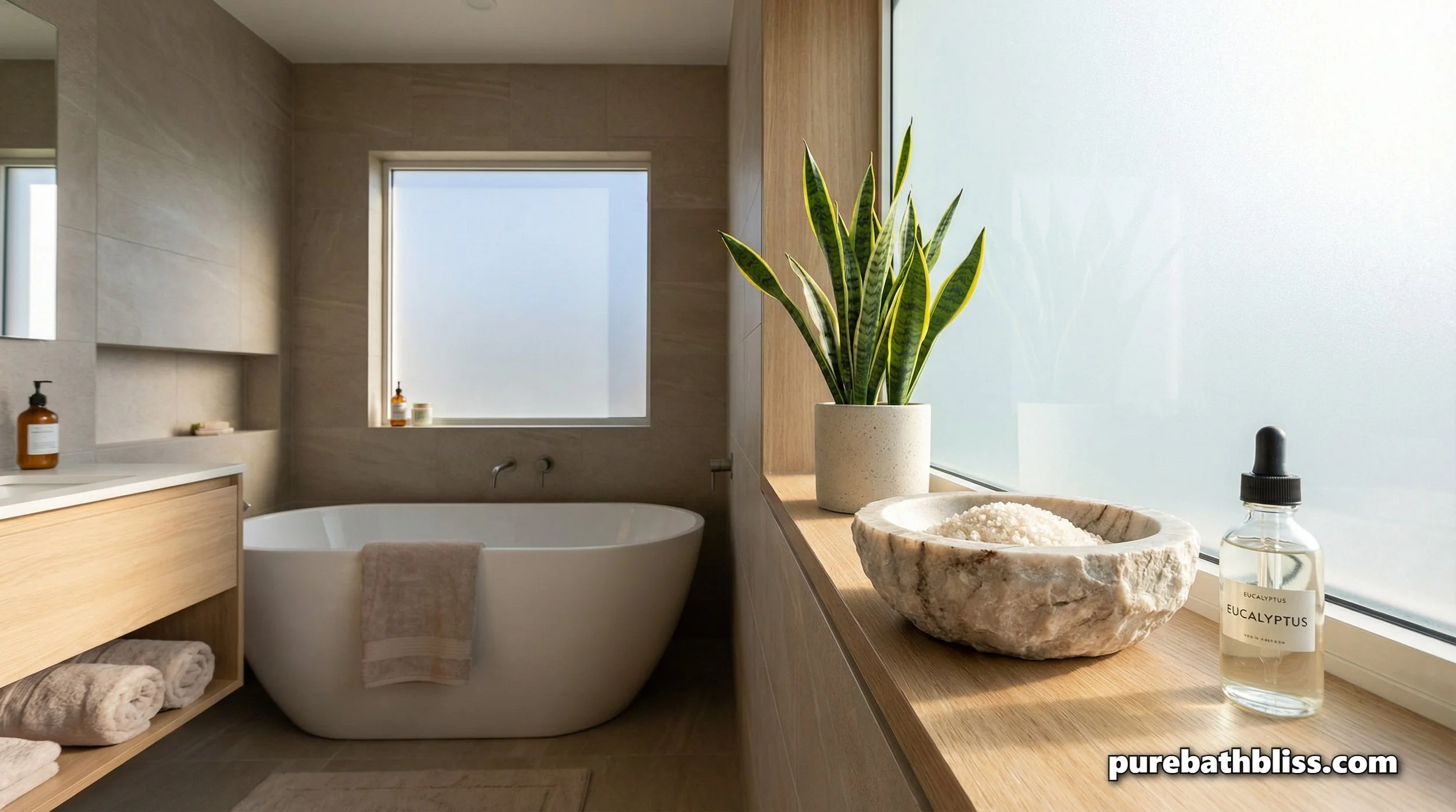
4. The Setup: Thinking Like a Curator
A common mistake is to fill a deep, narrow jar with salt. This only allows the top half-inch of salt to do the work. To truly manage a room’s humidity, you need to maximize the "pull."
The Vessel: Use a shallow, wide bowl or a wooden dough tray. The goal is to expose as much of the salt’s surface area to the air as possible.
The Depth: You only need about 1 to 2 inches of salt. Any deeper, and the salt at the bottom remains "dormant" while the salt at the top becomes oversaturated and forms a crust.
The Placement: Proximity is key. Place the bowl in the corner of the windowsill where the glass meets the frame. This is where the air is coldest and where "thermal bridging" (heat loss through the frame) causes the most condensation.
5. Protecting Your Home’s "Hardware"
Salt is a mineral, and by its nature, it can be corrosive to certain finishes if not handled properly.
The Barrier: Never place salt directly on an unsealed wooden windowsill or a metal frame. Over time, the salt can draw moisture into the wood (causing rot) or cause metal to "pit" or rust.
The Solution: Always ensure your salt is contained in a non-porous material—glass, ceramic, or sealed stone—that provides a barrier between the mineral and your home's finishes.
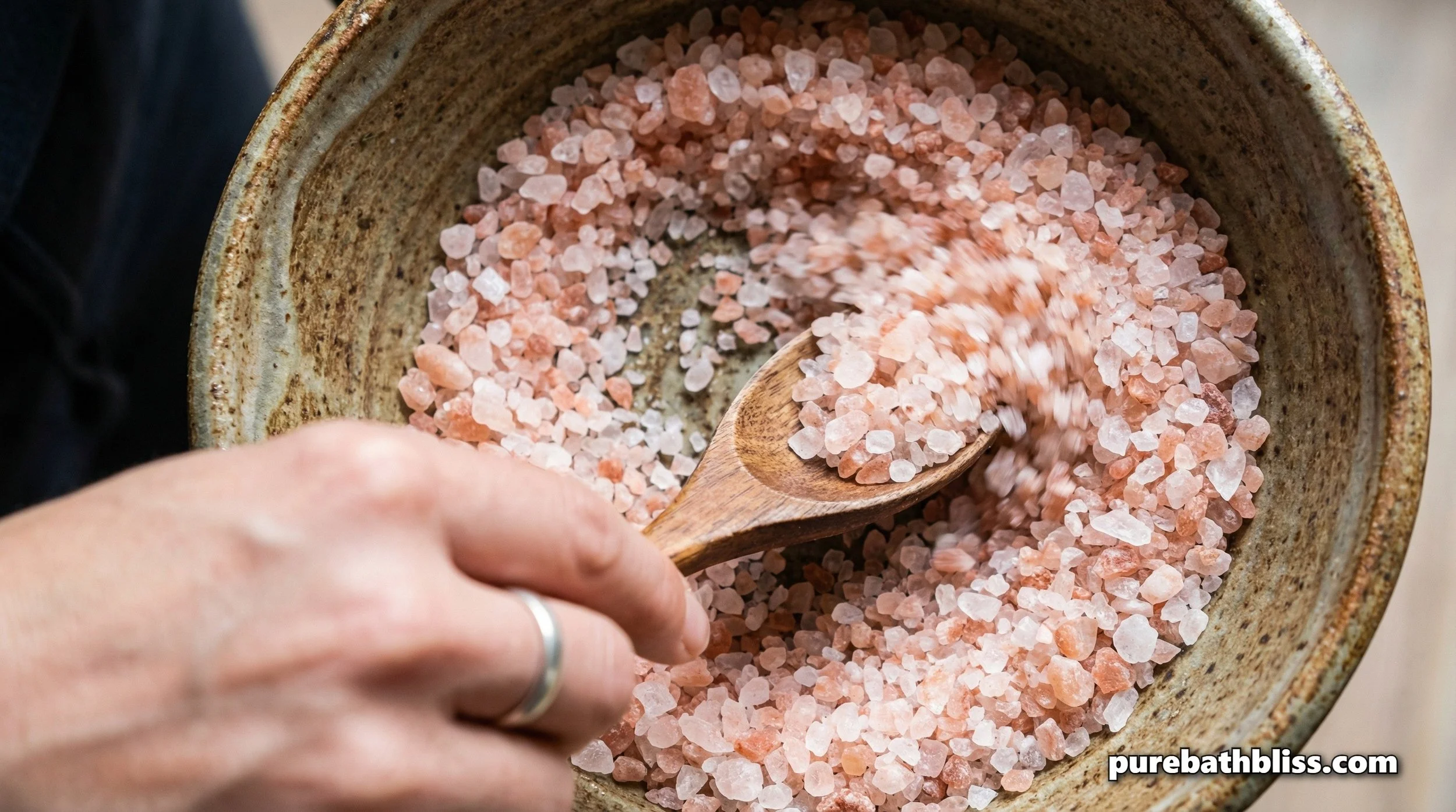
6. The Sustainability Loop: How to "Reset" Your Salt
This is where the Salt Bowl Method truly shines. Unlike chemical absorbers that are "one and done," salt is infinitely reusable. When your salt begins to look grey, clumpy, or "slushy," it has reached its moisture capacity.
The Recharging Ritual:
Dry It Out: Spread the damp salt onto a recycled metal baking sheet.
The Oven Method: Place it in a low oven (about 200°F) for 15–20 minutes. The gentle heat evaporates the trapped water molecules, leaving the salt dry and "thirsty" again.
The Sun Method: In a pinch, placing the tray in a sunny, dry spot for a few hours will do the same thing with zero energy cost.
Re-Use: Once dry and crisp, pour it back into your bowl. You have just "recharged" your dehumidifier with zero waste.
7. Troubleshooting: Why Is My Window Still Wet?
If you find that your salt bowl is turning into a liquid "soup" within 24 hours and the glass is still dripping, your home has a deeper structural humidity issue.
The Airflow Check: Stagnant air is the enemy. Ensure your furniture isn't pushed directly against the walls. A 2-inch gap allows air to circulate, preventing the "pockets" of moisture where mold loves to grow.
The "Burp" Method: Every morning, open your windows for just five minutes. This "flushes" the heavy, humid air out and replaces it with dry, cold exterior air. Your salt bowl will have a much easier time managing the "leftover" moisture.
The Living Dehumidifiers: Surround your windows with moisture-loving plants. Species like Snake Plants, Peace Lilies, and English Ivy actually "drink" water vapor through their leaves.
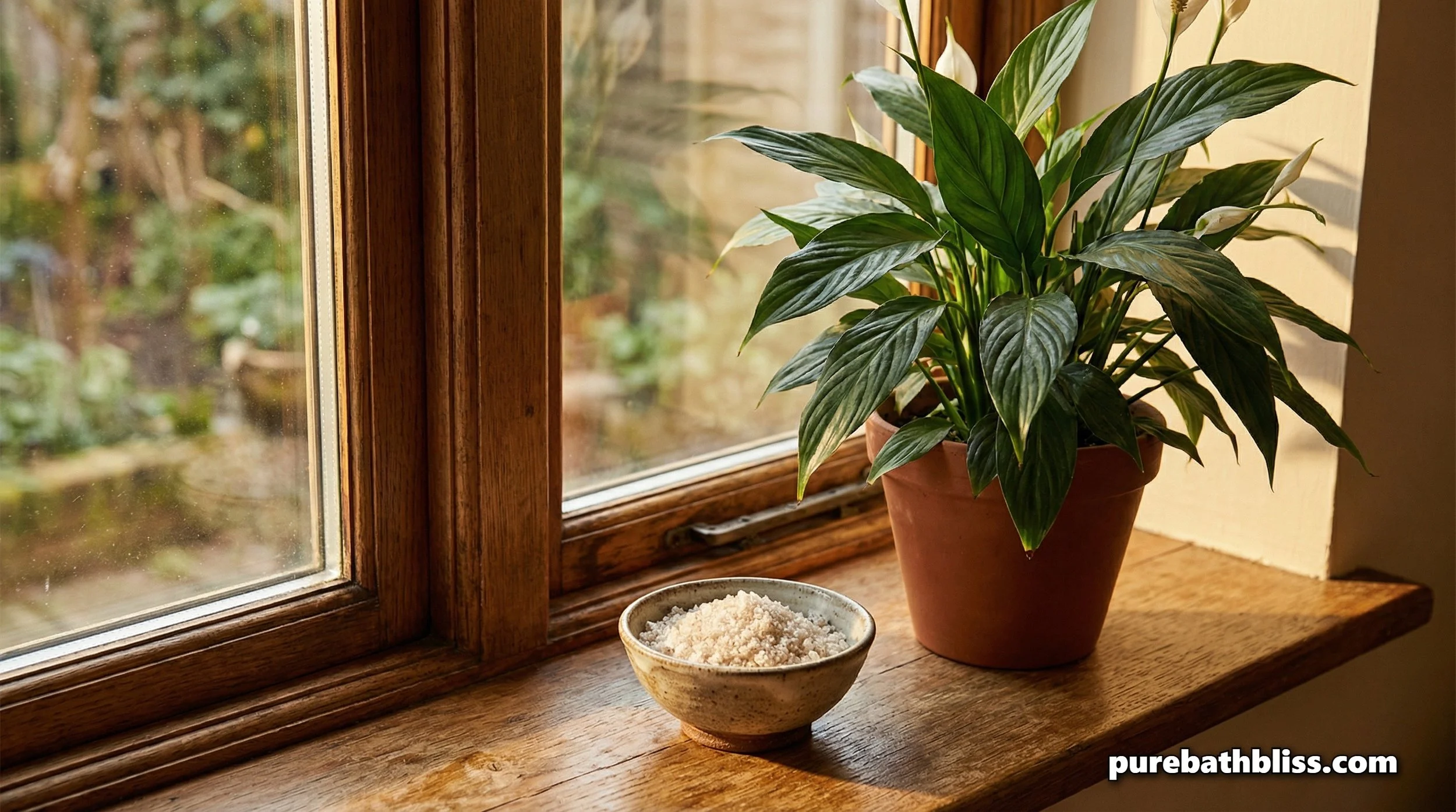
8. Elevating the Ritual: The Spa Hack
In a Sustainable Sanctuary, we don't just solve problems; we create rituals. You can turn your moisture management into an aromatherapy moment.
The Aromatherapy Hack: Add 2-3 drops of Eucalyptus or Peppermint essential oil to your salt bowl. As the salt interacts with the air, it will subtly release the scent. It’s a low-energy way to make your bathroom or bedroom feel like a high-end spa while the salt silently works to keep your walls dry.
Conclusion: Small Minerals, Massive Impact
Maintaining a healthy home doesn't require complex gadgets or a cabinet full of chemicals. By leaning into the natural properties of salt, you are practicing a form of "slow living" that protects your home’s structure and your family’s well-being.
One bowl of salt might seem like a small thing, but it represents a shift in how we care for our spaces—choosing the organic over the synthetic, and the sustainable over the disposable.
Essentials for Your Winter Sanctuary
The Salt: Coarse Himalayan Pink Salt - The most aesthetic and effective bulk choice.
The Vessel: Shallow Marble or Ceramic Bowl - Naturally non-corrosive and heavy enough to prevent tipping.
The Scent: Organic Eucalyptus Essential Oil - To turn your moisture trap into a spa-grade air freshener.