What’s the Difference Between Organic and Non-Organic Women’s Shaving Creams?
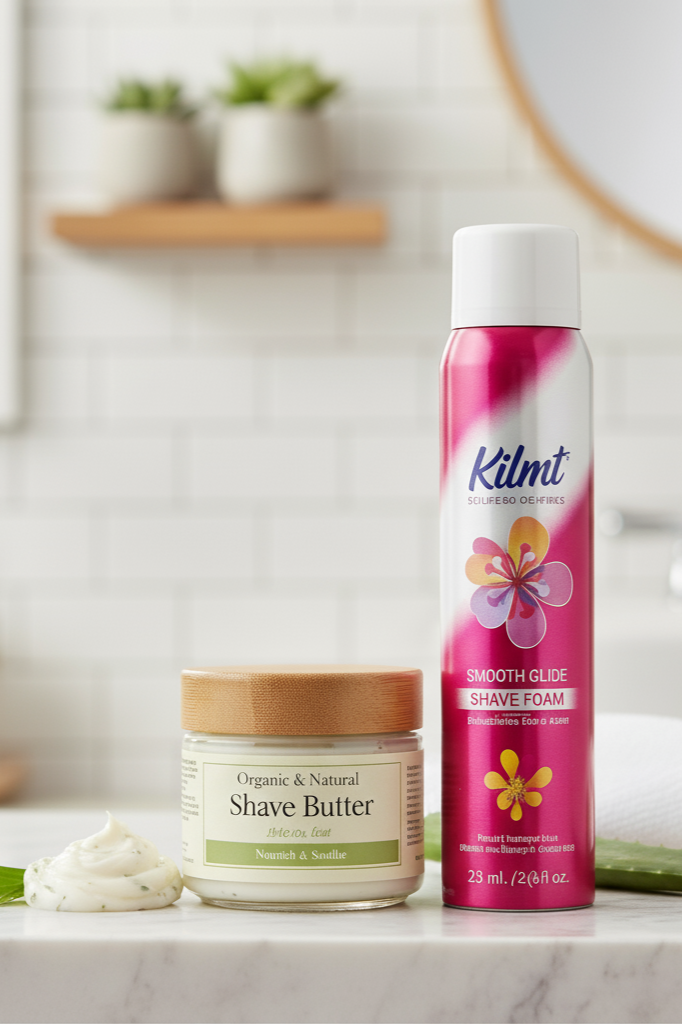
Choosing the right shaving cream can make or break your shower routine, but should you go organic or non-organic? Both types promise a smooth shave, but they differ significantly in ingredients, skin safety, environmental impact, and overall performance. Understanding these differences can help you select a shaving cream that aligns with your hygiene needs, skin sensitivity, and eco-friendly values. This guide breaks down the key distinctions between organic and non-organic women’s shaving creams to elevate your bathroom routine.
1. Ingredients
Organic women’s shaving creams are made with plant-based, naturally derived ingredients like aloe vera, shea butter, coconut oil, or essential oils, certified by standards like USDA Organic or Ecocert. These creams avoid synthetic chemicals, parabens, sulfates, and artificial fragrances, focusing on biodegradable, renewable components that nourish skin. For example, an organic cream might use chamomile for soothing or mango butter for hydration.
Non-organic shaving creams often contain synthetic ingredients like propylene glycol, sodium lauryl sulfate, or artificial fragrances to create foam, extend shelf life, or add scent. While effective for lathering, these chemicals can strip skin of natural oils, leading to dryness or irritation, especially for sensitive skin. Some non-organic creams also include petroleum-based ingredients, which aren’t biodegradable.
2. Skin Safety and Sensitivity
Organic shaving creams are gentler on the skin, making them ideal for women with sensitive skin or allergies. Their natural ingredients reduce the risk of irritation, redness, or razor burn, as they lack harsh chemicals like parabens or phthalates, which can disrupt hormones or cause allergic reactions. For instance, organic creams with aloe or calendula soothe skin during shaving, minimizing bumps.
Non-organic creams, while often effective, may trigger irritation in sensitive skin due to synthetic fragrances or foaming agents like sulfates. These ingredients can cause dryness or allergic reactions, especially in areas like the bikini line. However, some non-organic creams include moisturizing additives like vitamin E to counteract dryness, though these are often synthetic.
3. Environmental Impact
Organic shaving creams prioritize sustainability, using biodegradable ingredients and eco-friendly packaging like glass jars or recyclable tubes. They’re typically cruelty-free, vegan, and produced with minimal environmental harm, supporting a greener bathroom routine. Certifications like USDA Organic ensure sustainable sourcing, such as fair-trade coconut oil or organic shea butter.
Non-organic creams often rely on petroleum-based ingredients and synthetic chemicals that aren’t biodegradable, contributing to environmental pollution. Their packaging, like aerosol cans or plastic tubes, is less likely to be recyclable, increasing waste. Production processes for non-organic creams may also involve higher carbon footprints due to synthetic chemical manufacturing.
4. Performance and Texture
Organic shaving creams vary in texture, from creamy lotions to thick lathers, depending on natural ingredients like castile soap or plant oils. They provide a smooth glide for razors but may require more product for a rich foam compared to non-organic options. Their natural scents, like lavender or citrus, come from essential oils, offering a subtle, spa-like experience.
Non-organic creams are designed for quick, voluminous foam, thanks to synthetic foaming agents. This makes them ideal for fast shaves in the shower, as they spread easily and rinse cleanly. However, their artificial scents can be overpowering, and the foam may dry out skin if not paired with a moisturizer.
5. Cost and Accessibility
Organic shaving creams are pricier, typically $8–$15 for a 6–8 fl. oz. bottle, due to high-quality, sustainably sourced ingredients and certifications. They’re widely available online or in specialty stores but less common in budget retail.
Non-organic creams are more affordable, often $3–$7 for a 7–10 fl. oz. can or tube, and are found in most drugstores and supermarkets. Their lower cost comes from synthetic ingredients and mass production, making them a go-to for budget-conscious shoppers.
Which Should You Choose?
Choose organic shaving creams if you have sensitive skin, prioritize eco-friendly products, or want a nourishing, natural shave. They’re perfect for a sustainable bathroom routine, especially when paired with a bamboo shower caddy or non-toxic razor. Opt for non-organic if you need a budget-friendly, quick-foaming option for fast shaves, but check labels for gentler formulas to avoid irritation. Always store shaving cream in a dry, ventilated bathroom to prevent bacterial growth, ensuring a hygienic routine.