The 15-Minute Sanctuary Upgrade: Why a Non-Electric Bidet is the Ultimate Sustainable Luxury
Transparency Note: We independently select these products based on research and user reviews. If you buy something through our links, we may earn a commission.
In a Sustainable Sanctuary, we believe that the most profound changes often happen in the quietest corners of our homes. While solar panels and graywater systems are incredible investments, there is one 15-minute DIY project that immediately reduces your environmental footprint, protects your plumbing, and elevates your daily hygiene: The Non-Electric Bidet.
If you are still relying solely on paper, you are participating in a "flush-and-forget" cycle that costs the planet 27,000 trees a day and costs your household hundreds of dollars a year. It’s time to move beyond the roll.
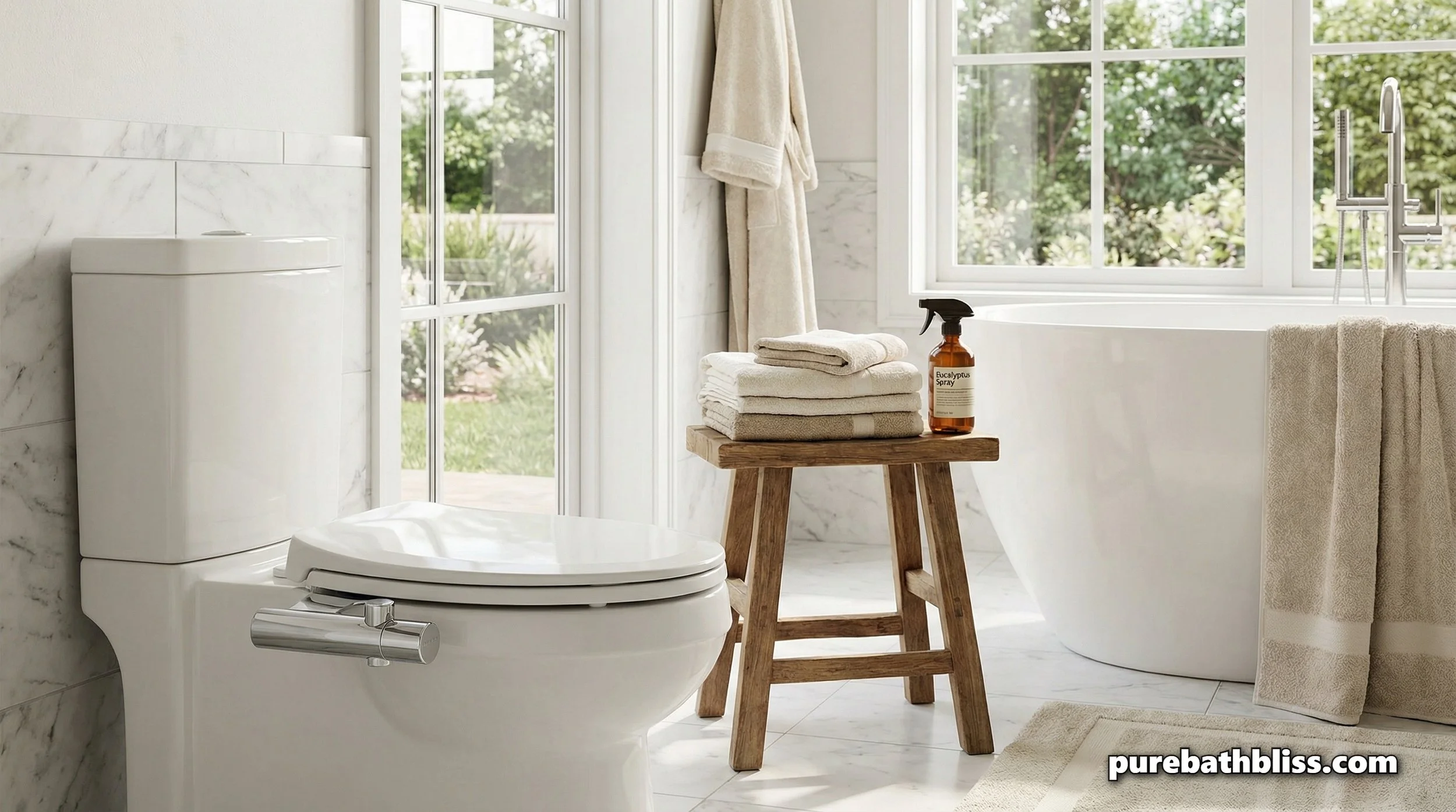
1. Why "Non-Electric" is the Sustainable Choice
While many are drawn to the flashing lights and heated seats of electronic "Washlets," they often don't fit the Sustainable Sanctuary ethos.
Zero Energy Draw: Non-electric models run entirely on your home’s existing water pressure. There are no motors to burn out and no phantom power draw on your electric bill.
Durability & Longevity: In an organic home, durability is the ultimate form of eco-friendliness. Electronic bidets are prone to circuit board failure after 3-5 years. A high-quality mechanical bidet can last a decade or more.
The "Clean" Install: You don’t need an electrician to install a GFCI outlet behind your toilet. If you can use a wrench, you can install these models.
2. The Environmental ROI: By the Numbers
To understand why this is a "Buy It Now" priority, we have to look at the math. The average American uses about 141 rolls of toilet paper per year. For a family of four, that is 564 rolls.
The Financial Cost: At an average of $1.50 per roll, a family spends $846 per year on paper they literally throw away. A high-end bidet pays for itself in less than three months.
The Water Paradox: It sounds counterintuitive, but it takes about 37 gallons of water to produce one roll of TP. A bidet use takes about one cup. By using water to clean, you are actually saving water on a massive scale.
3. Top Picks for Your Sanctuary (The "Buy It Now" List)
The Gold Standard: TUSHY Classic 3.0
Tushy changed the game by making bidets "cool" and aesthetically pleasing. Their 3.0 model features a slim profile and a "Schmutz-shield" that protects the nozzle.
The Sustainable Edge: They use bamboo knobs and sustainable packaging.
Best For: The design-forward homeowner who wants a bidet that looks like it belongs in a spa.
The Heavy-Duty Choice: LUXE Bidet Neo 185 (Plus)
Luxe is the "Toyota" of bidets. It’s not flashy, but it is incredibly well-built. The 185 model features a dual-nozzle system (one for rear wash, one for feminine wash).
The Maintenance Edge: It features a 360-degree self-cleaning mode that flushes the nozzle after every use.
The Metal Masterpiece: Brondell Rinslet
Most bidets are plastic. The Rinslet focuses on high-quality internal brass valves and a stainless steel braided hose, reducing the risk of leaks to nearly zero.
Best For: Homeowners with high water pressure who need a durable, metal-core unit.
4. The Curator’s Installation Guide: Preventing the "Silent Leak"
The biggest hesitation homeowners have is the fear of a leak. Here is how to ensure your bidet is a "set it and forget it" upgrade:
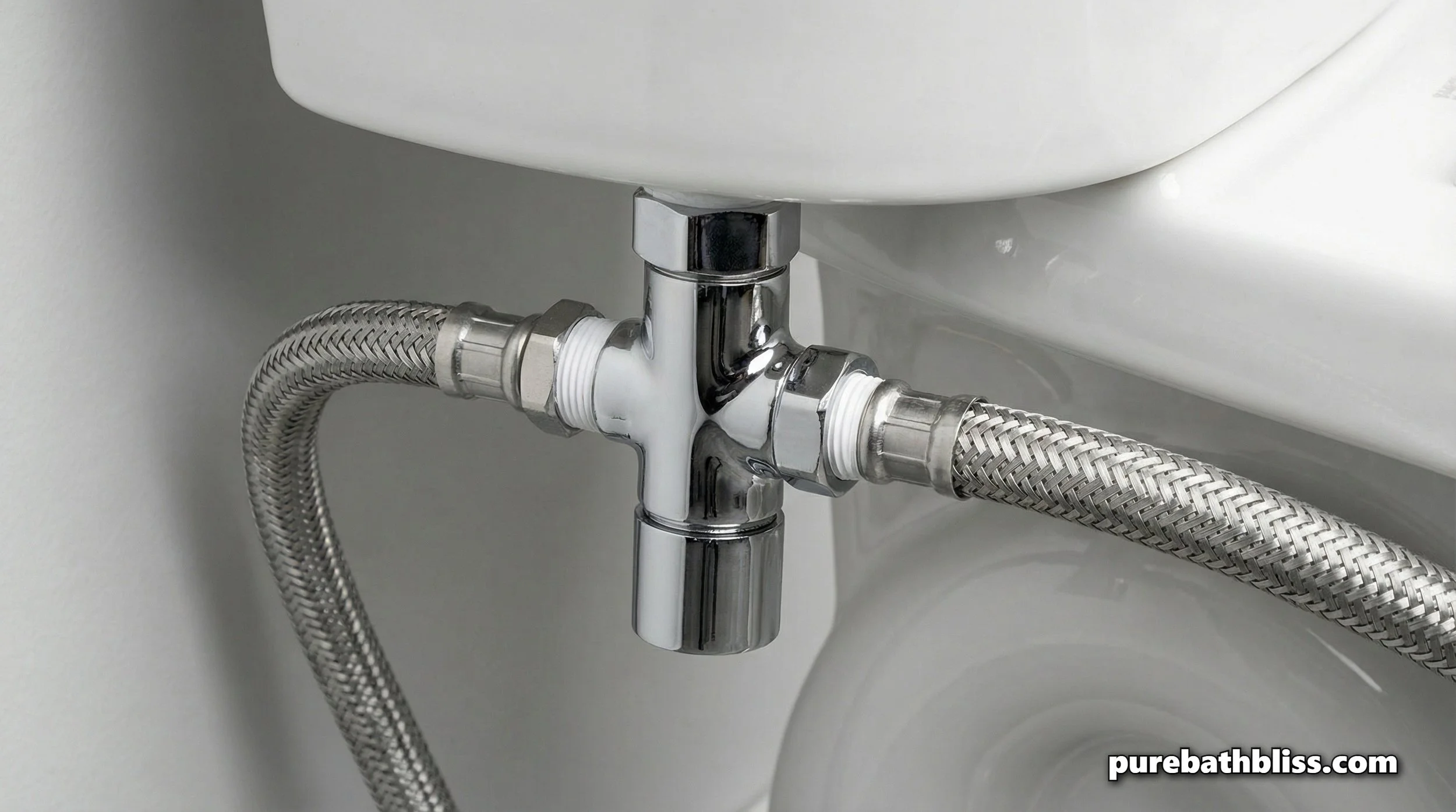
The T-Valve Upgrade: Most bidets come with a plastic T-valve. Throw it away. Buy a solid brass T-valve. It provides a more secure seal and won't cross-thread, which is the #1 cause of bidet-related floods.
The Braided Hose: Ensure your supply line is braided stainless steel. If your current toilet has a stiff plastic line, replace it immediately.
Teflon Tape is Your Friend: Wrap the threads of your connections 3 times with plumbing tape. It’s a $2 insurance policy against "silent" drips that could rot your subfloor.
5.Maintenance: Keeping it Sanitary and Organic
A bidet is an extension of your plumbing. To keep it functioning at peak efficiency, it needs a simple monthly ritual.
Hard Water Prevention: If you have hard water, the tiny spray holes can clog with calcium. Once a month, spray the nozzle with a 50/50 mix of White Vinegar and Tea Tree Oil. Let it sit for 10 minutes, then run the "self-clean" mode.
The Nozzle Guard: Always ensure the nozzle guard (the little door that covers the spray head) is moving freely. If soap scum builds up here, it can trap bacteria.
6. Closing the Loop: The "Family Cloth"
To truly reach zero-waste, pair your bidet with a set of organic flannel "family cloths." Since you are using the bidet to wash, the cloth is only used for a "pat dry" of clean water.
Conclusion: One Small Step for Your Home
Investing in a non-electric bidet is more than just a purchase; it’s a commitment to a smarter, more intentional way of living. By reducing waste, protecting your plumbing, and embracing a higher standard of hygiene, you are turning a routine task into a ritual of care.
Essential Swaps for Your Sanctuary
The Bidet: Tushy Classic 3.0
The Backup: Luxe Bidet Neo 185
The Safety Kit: Brass T-Valve & Stainless Supply Line