The Hidden Dangers: Why You Should Never Leave Your Bathtub Full of Water
It’s a tempting thought: a beautiful, deep bathtub filled to the brim, ready for a luxurious soak. Perhaps you start the water, get distracted, or are simply planning to jump in "in a minute." While a full tub promises relaxation, leaving it unsupervised or for extended periods can transform this tranquil image into a homeowner’s nightmare.
Beyond the obvious risk of overflow, a seemingly harmless tub full of water poses significant threats to your home’s structure, your family's safety, and your wallet. In this comprehensive guide, we'll uncover the hidden dangers of an unattended full bathtub and arm you with practical strategies to protect your home.
The Immediate Threat: The Overflow Catastrophe
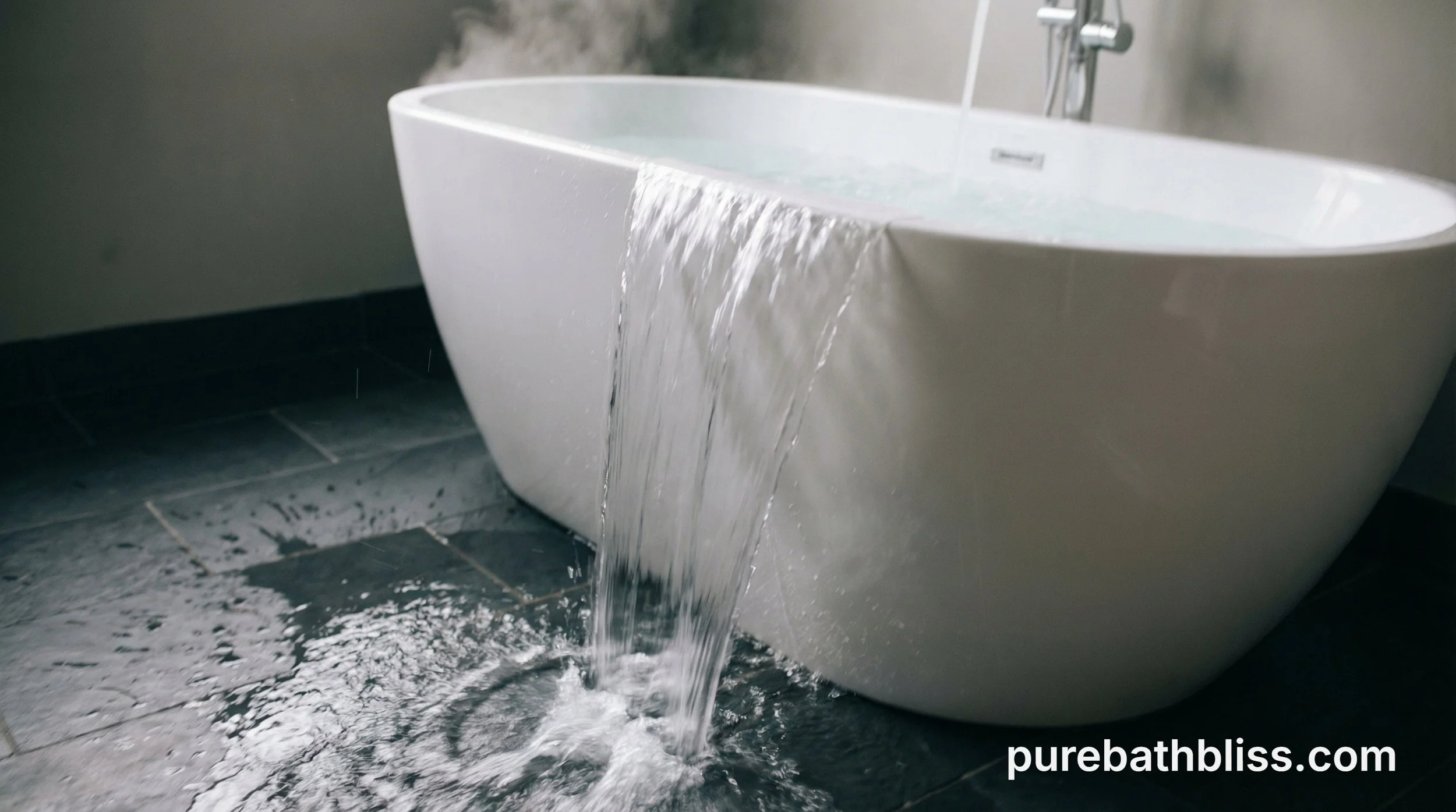
Let's start with the most apparent, yet often underestimated, risk: the overflow. It happens faster than you think. A phone call, a child's cry, a forgotten task and suddenly, gallons of water are cascading over the sides of your tub, flooding your bathroom floor.
What Happens During an Overflow:
Immediate Water Damage: Water seeps under floorboards, into drywall, and through ceilings to the floor below. This can ruin carpeting, warp hardwood, and damage electrical fixtures.
Structural Damage: Persistent or severe flooding can compromise the integrity of wooden joists and subflooring, leading to costly repairs.
Electrical Hazards: Water near outlets or light fixtures creates a severe risk of short circuits, electrical fires, or electrocution.
Property Damage: Anything on the bathroom floor, such as towels, rugs, scales, and furniture, can be ruined.
Even if your tub has an overflow drain, it's not foolproof. These drains can get clogged with hair or soap scum, reducing their effectiveness, or simply not be able to drain water fast enough to prevent spillage from a fast-filling faucet.
The Silent Enemy: Long-Term Risks of Stagnant Water
Beyond the sudden flood, simply leaving a tub full of water, even if it's not actively overflowing, creates a host of insidious problems over time.
1. Increased Mold and Mildew Risk:
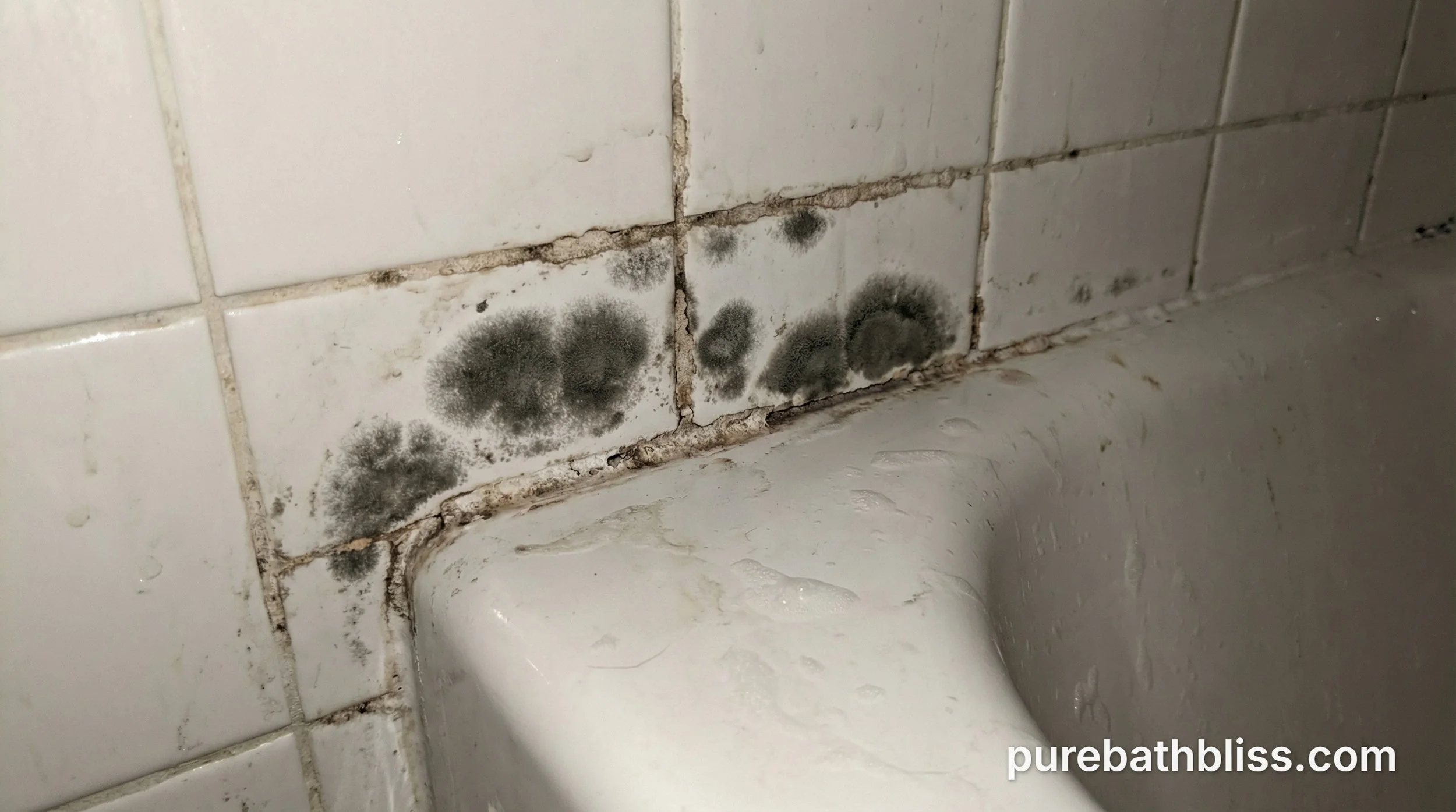
Bathrooms are already breeding grounds for mold due to high humidity. A large body of standing water, especially if warm, significantly increases moisture in the air and within porous surfaces around the tub. Mold spores thrive in damp, dark environments, leading to:
Health Issues: Respiratory problems, allergies, and skin irritation.
Foul Odors: The musty smell that permeates your bathroom and potentially your home.
Structural Decay: Mold can feed on drywall, grout, and even wooden structures, compromising their integrity.
2. Weakening of Grout and Sealants:
Grout and caulk around your tub and tiles are designed to repel water, not to be submerged indefinitely. Constant exposure to standing water can:
Degrade Sealants: Cause caulk to peel, crack, or lose its waterproof properties.
Erode Grout: Lead to crumbling grout lines, allowing water to seep behind tiles and into wall cavities.
Compromised Tile Adhesion: Over time, this can lead to loose or falling tiles, requiring extensive repairs.
3. Piping Strain and Potential Leaks:
While plumbing systems are robust, a full tub represents hundreds of pounds of static water pressure. Keeping pipes under this constant, significant strain can:
Stress Joints and Seals: Exacerbate minor weaknesses in pipe connections, leading to small, slow leaks over time. These "mystery leaks" can go undetected for weeks or months, causing severe hidden damage.
Drain Clogs: If the drain stopper is partially clogged, the water sits even longer, encouraging further buildup and increasing pressure on the system.
Safety Hazards: Beyond the Flood
The risks extend beyond just water damage. An unattended full tub creates significant safety hazards for everyone in the home.
1. Drowning Risk (Especially for Children and Pets):
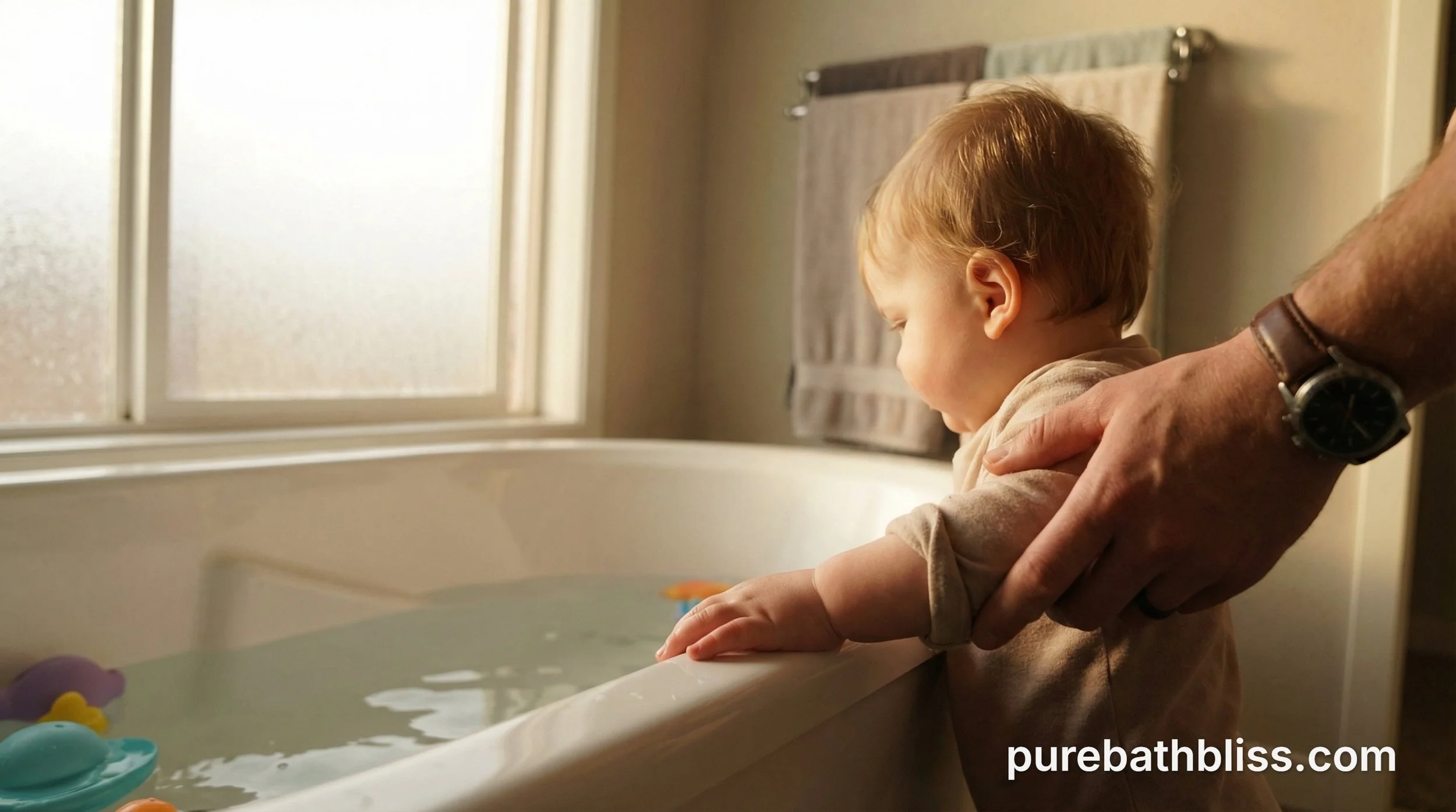
This is perhaps the most tragic and critical danger. A child or small pet can drown in just a few inches of water, silently and in a matter of seconds. Leaving a tub full, even for a moment, is an open invitation for a curious toddler or pet to fall in.
Prevention: Never leave a child or pet unsupervised around standing water, even if you just stepped away "for a second." Drain the tub immediately after use.
2. Slipping and Falling:
Water on the bathroom floor creates an incredibly slippery surface. If someone walks into the bathroom unaware of the overflow, the risk of a severe fall is extremely high, especially for children, the elderly, or anyone with mobility issues.
3. Pest Attraction:
Standing water is a magnet for various household pests. Mosquitoes can breed in stagnant water, and other insects like silverfish or even small rodents are attracted to damp environments, further compromising hygiene and comfort in your home.
Smart Prevention: How to Protect Your Home
The solution is simple and requires mindful habits.
1. Never Leave the Faucet Unattended:
This is the golden rule. If you're filling the tub, stay in the bathroom. If you must step away, turn the faucet off. Even if it's "just for a second," that second can become a minute.
2. Invest in a Quality Overflow Drain and Keep it Clear:
While not foolproof, a functioning overflow drain is your last line of defense.
Regularly check and clean your overflow drain to ensure it's free of hair, soap scum, and other debris that could block it. You can do this with a drain snake or a mixture of baking soda and vinegar.
3. Consider a Bathtub Alarm:
For those who are particularly forgetful or have a very busy household, a simple water level alarm can be a smart investment. These small devices clip to the side of the tub and emit an audible alert when the water reaches a certain level.
4. Drain Immediately After Use:
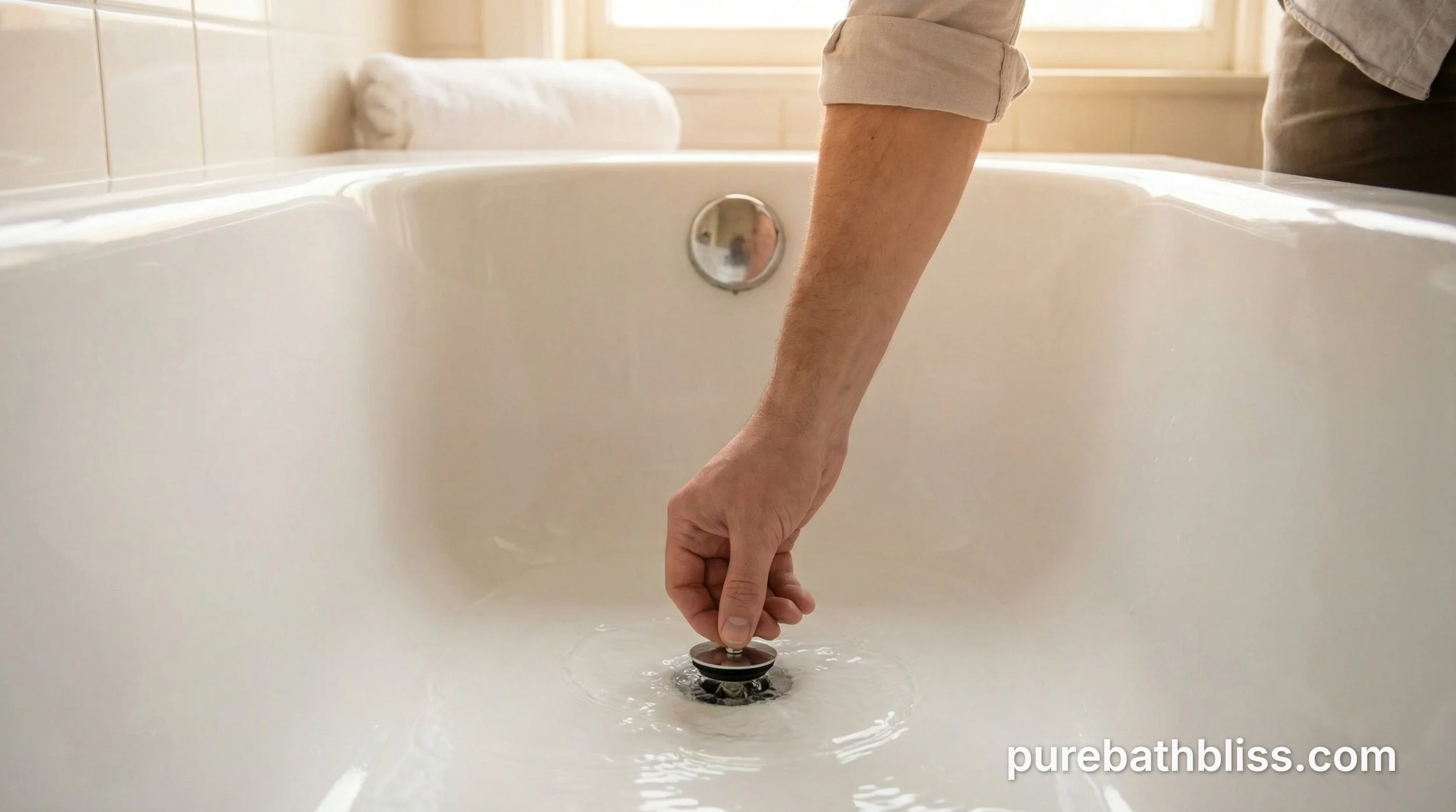
Once your bath is over, pull the plug. Don't let the water sit while you dry off, get dressed, or move to another task. The sooner the water is drained, the less opportunity for humidity buildup, mold, and pressure on your pipes.
5. Regularly Check Grout and Caulk:
Make it a habit to inspect the grout and caulk around your tub and tiles during your regular bathroom cleaning routine.
Look for cracks, peeling, or discoloration. Address any issues promptly to prevent water infiltration.
Related Article: Learn how to maintain your bathroom's integrity in our Essential Guide to Regrouting and Recaulking Your Bathroom.
Conclusion: A Small Habit for Major Protection
Leaving a bathtub full of water might seem innocuous, but the potential for catastrophic water damage, insidious mold growth, and serious safety hazards is real. By adopting the simple habit of never leaving your tub unattended while filling, and draining it immediately after use, you can save yourself thousands in repairs, protect your family, and maintain a healthier, more eco-friendly home. Your bathroom should be a sanctuary, not a source of stress and danger.