Why Your Clean Towels Smell Musty (And the 3-Ingredient "Stripping" Hack to Fix It)
You just washed the towels on hot with extra detergent. They came out of the dryer warm and fluffy. You bury your face in one and… sour. Mildew. Gym locker.
You’re not imagining it, and you’re not dirty. Your towels are literally suffocating under layers of detergent residue, fabric softener wax, body oils, and hard-water minerals. The smell isn’t coming from bacteria on your skin, it’s coming from bacteria trapped inside the fibers.
The solution is called laundry stripping, and it’s the single most satisfying cleaning task you’ll do this year.
The Science of Sour Towels
Fabric Softener Is the #1 Culprit
Liquid softeners and dryer sheets coat every fiber with silicone or quaternary ammonium compounds (quats). That coating makes towels feel soft… and completely water-repellent. Water beads up instead of absorbing → bacteria and mold thrive in the damp core.
Hard Water + Detergent = Concrete in Your Fibers
Minerals (calcium & magnesium) bind with undissolved detergent and body oils, forming an invisible waxy buildup. After 20–30 washes, the loops are literally cemented shut. That’s why new towels work great for a month and then suddenly feel stiff and smell bad forever.
The Stripping Recipe (Tested on Hundreds of Towels)
You only need three cheap, natural ingredients:
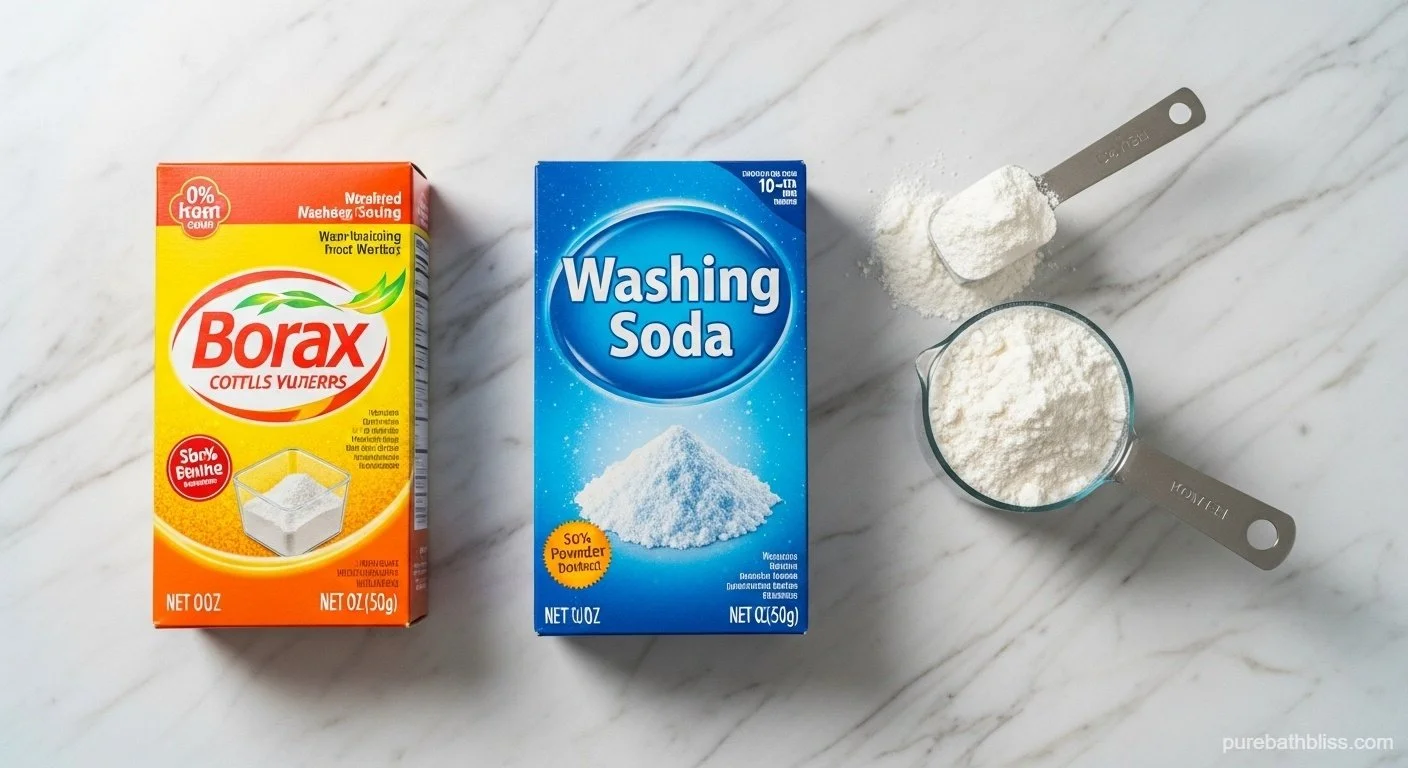
¼ cup Borax (sodium borate – dissolves mineral deposits)
¼ cup Washing Soda (sodium carbonate – opens fibers and lifts grease)
½ cup powdered laundry detergent (the enzymes eat body oils)
All three are usually under $6 total and last for a dozen stripping sessions.
The Step-by-Step Protocol (Takes 5–6 Hours, Mostly Hands-Off)
Wash your towels normally first (hot water, no softener). They must go into the strip clean on the outside.
Fill the bathtub with the hottest water your tap produces (at least 140 °F / 60 °C). Fill only halfway, you’ll need room for the towels.
Add the magic trio while the water is running:
¼ cup Borax
¼ cup Washing Soda
½ cup powdered detergent Stir with a broom handle until fully dissolved.
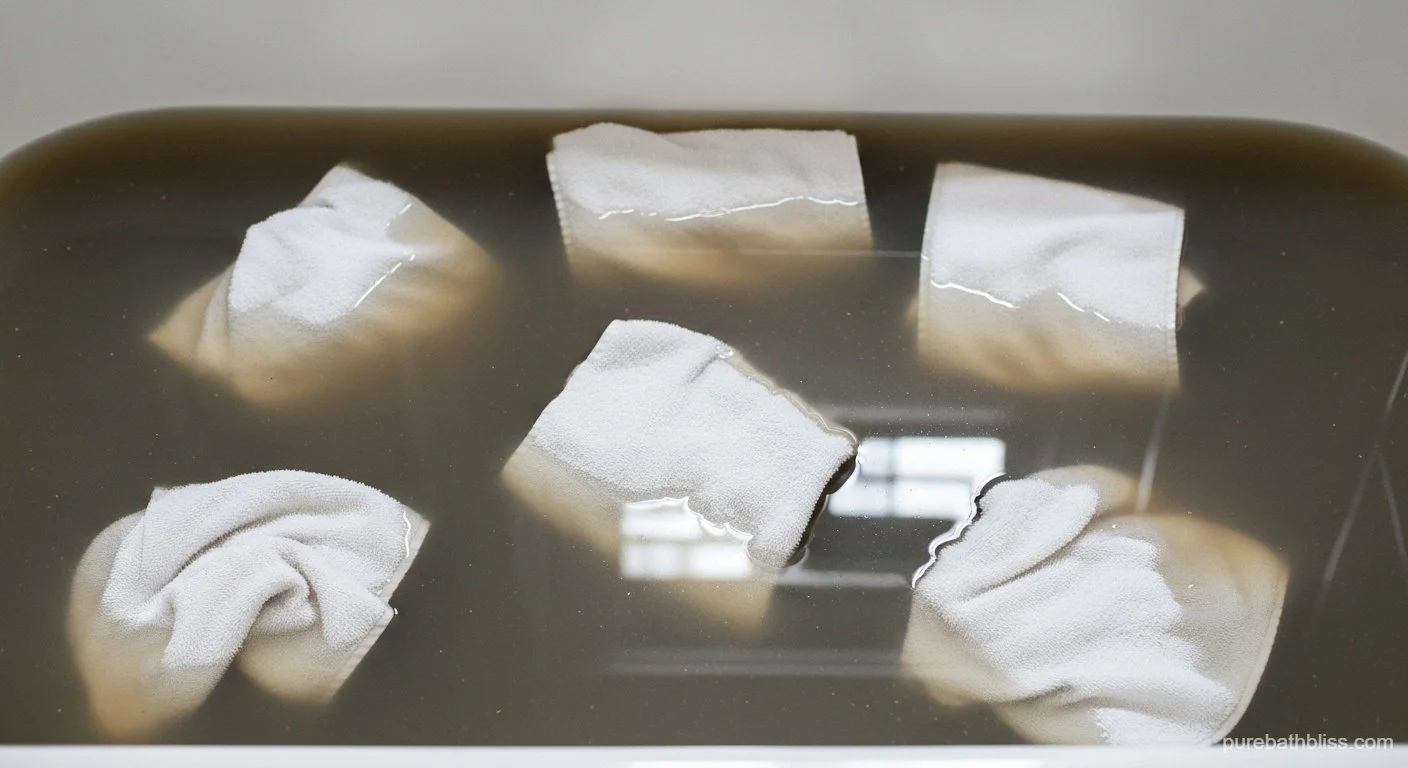
Submerge the clean towels completely. Weigh them down with a shampoo bottle if they float. Walk away for 4–6 hours (or overnight). Stir every hour or two if you’re home.
Watch the magic. The water will turn yellow, brown, gray, or even black as years of trapped gunk releases. This is the moment everyone screenshots and texts their friends.
Drain the tub. Rinse towels thoroughly in the washing machine on a water-only cycle (no detergent). Dry normally (no softener sheets).
Result: towels that feel like they just came off the store shelf, soft, fluffy, and 100 % odor-free.
Maintenance: Never Let It Happen Again
Stop using liquid fabric softener forever. Use wool dryer balls + a few drops of essential oil instead.
Add ½ cup distilled white vinegar to the fabric-softener compartment once a month. It dissolves mineral buildup before it hardens.
Use ½ the recommended detergent amount. Modern machines and powders need far less than the box says.
Hang towels fully spread out to dry after every use. No bunching in the corner.
How Often Should You Strip?
Every 3–6 months for daily-use towels
Once a season for guest towels
Immediately if you notice sour smell, stiffness, or poor absorbency
Bonus: What Else Can You Strip?
The same recipe works on:
Bed sheets
Workout clothes
Cloth diapers
Mattress pads
Anything that smells “clean but not fresh”
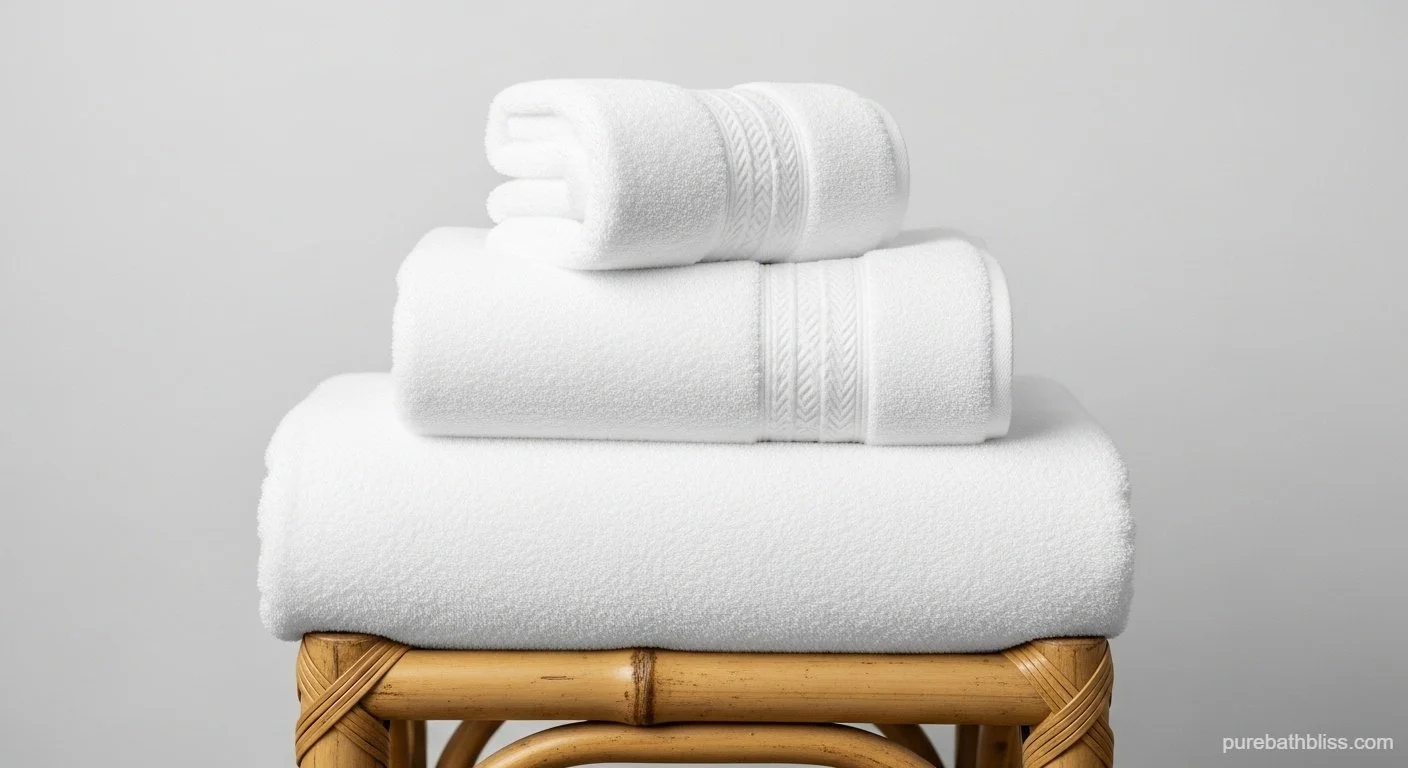
The After Photo You’ll Want to Frame
Your towels will be brighter, softer, and more absorbent than the day you bought them. You’ll use less detergent, need fewer towels, and never buy another “towel refresher” product again.
Now that your towels are truly clean, learn how to keep them that way forever. Check out our guide: The Spa Fold: How to Organize Your Towels Like a 5-Star Hotel (And Save Shelf Space).
One afternoon. One tub of gross water. A lifetime of fresh, fluffy towels.