The Mindful Baby Bath Ritual: Safety, Serenity & Sustainable Practices
Bathing a baby is far more than just a task of hygiene. It's a precious opportunity to connect, soothe, and bond with your little one. By transforming this daily chore into a "mindful ritual," parents can create a haven of safety and serenity, all while subtly embedding sustainable practices into their family routine. This comprehensive guide will help you elevate bath time into a peaceful, bonding experience, focusing on essential safety protocols, gentle techniques, and eco-conscious choices that benefit both your baby and the planet.
The Foundation: Prioritizing Safety Above All Else
Safety is the absolute cornerstone of any baby bath. Before even thinking about water, bubbles, or toys, ensure your environment and approach are meticulously safe. This isn't just about preventing accidents; it's about building a secure foundation that allows both parent and baby to relax and enjoy the moment.
Pre-Bath Preparation: The Golden Rule of Readiness
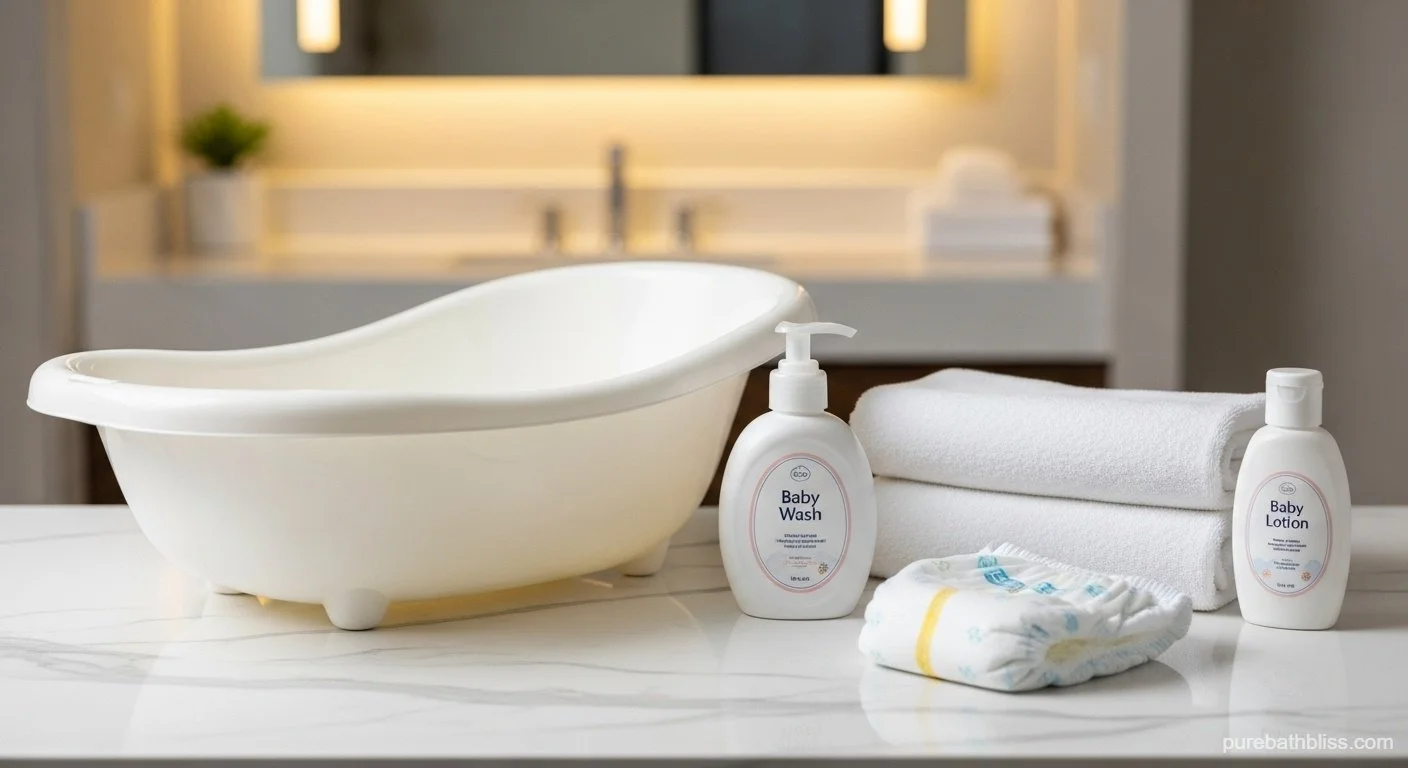
The key to a safe and stress-free bath begins long before the water runs. Imagine a calm, collected parent, not one scrambling for a towel with a wet, squirming baby. Gather everything you will need beforehand and place it within arm's reach but out of baby's grasp. This simple step eliminates the need to leave your baby unattended, even for a second, which is a critical safety rule.
Towels: Soft, warm baby towels, perhaps one to wrap around baby immediately, and another for gentle patting.
Washing Supplies: Mild, tear-free baby wash and shampoo.
Diaper and Outfit: A fresh diaper and clean clothes ready for dressing.
Post-Bath Essentials: Baby lotion or oil, a soft brush, and any necessary diaper cream.
Bath Aids: A non-slip bath mat, a baby bath support, or infant tub if you’re using one.
Room Warmth: Ensure the bathroom is comfortably warm, around 75-80°F (24-27°C), to prevent your baby from getting chilled after their warm bath.
Distraction-Free Zone: Turn off your phone, notify other family members, and dedicate your full attention to your baby.
Mastering Water Temperature: The Gentle Touch
Baby skin is incredibly delicate and sensitive to temperature extremes. Water that feels pleasant to an adult might be too hot or too cold for an infant.
The Wrist Test: Always test the water temperature with your inner wrist or elbow, as these areas are more sensitive than your hand. It should feel comfortably warm, not hot.
Thermometer Precision: For absolute certainty, use a baby bath thermometer. Aim for a temperature between 98-100°F (37-38°C).
Fill First, Test Second: Always fill the tub with water before bringing your baby into the room. This prevents accidental scalding from running hot water or startling from the noise. Swirl the water to ensure an even temperature.
Shallow Depths: For newborns and young infants, only fill the tub with about 2-3 inches (5-8 cm) of water. Just enough to cover their bottom and lower body. As they grow and can sit unassisted, you can increase the depth slightly, but never more than waist-high when sitting.
The Art of Holding and Support: Confidence in Your Grip
A secure hold is paramount for safety and for making your baby feel safe and relaxed.
Newborn Cradle: For newborns, use a football hold, supporting their head and neck with one hand while cradling their body. Alternatively, cradle their head and neck in the crook of one arm, using that hand to support their back, and your other hand to wash.
Baby Bath Supports: Infant tubs or bath seats can be incredibly helpful, providing a stable, reclined position for your baby, freeing up one of your hands for washing. However, these are aids, not substitutes for your vigilance.
Gentle Transfers: Slowly and gently lower your baby into the water, feet first, maintaining eye contact and speaking softly to reassure them.
Never, Ever Leave Baby Unattended: A Non-Negotiable Rule
This cannot be stressed enough: never leave a baby alone in the bath, even for a second. Drowning can happen silently and in as little as an inch of water. If you must leave the room (e.g., to answer the door or phone), wrap your baby in a towel and take them with you. This rule applies regardless of bath seats, supports, or how shallow the water is. Your constant presence is their ultimate safeguard.
Non-Slip Surfaces and Product Placement: Preventing Slips and Ingestions
Beyond the immediate bath environment, consider the entire bathroom.
Bath Mats: A non-slip mat in the tub or shower area can prevent slips for you and potentially your older baby.
Secure Product Storage: Keep all bath products (soaps, shampoos, lotions) out of your baby's reach. Even "baby-safe" products can be harmful if ingested in large quantities. Store them on a high shelf or in a cabinet with a childproof lock.
Safe Products: Gentle on Skin, Kind to Eyes
Choosing the right bath products is crucial for your baby's delicate skin and overall well-being.
Tear-Free and Hypoallergenic: Look for products specifically labeled "tear-free" and "hypoallergenic." These are formulated to be extra gentle and minimize irritation.
Fragrance-Free is Best: Artificial fragrances can be a common irritant for sensitive baby skin. Opt for fragrance-free or naturally scented products derived from essential oils (always check for baby-specific recommendations).
Minimal Ingredients: Generally, fewer ingredients mean fewer potential irritants. Look for simple, natural formulations.
Avoid Harsh Chemicals: Steer clear of parabens, phthalates, sulfates, and dyes, which can strip natural oils or cause allergic reactions.
Crafting Serenity: Gentle Techniques for a Calm Experience
Once safety is assured, the focus shifts to creating an atmosphere of calm and comfort. A mindful bath is a multi-sensory experience designed to soothe, relax, and foster connection.
Setting the Ambiance: Creating a Sanctuary
The environment plays a huge role in transforming a bath into a ritual.
Warmth and Comfort: As mentioned, ensure the room is warm. Have a soft, hooded towel warmed and ready.
Gentle Lighting: Bright, harsh overhead lights can be jarring. Consider dimming the lights or using a soft nightlight. Natural light is also wonderful if available and not too direct.
Soothing Sounds: Soft music, quiet singing, or even just the gentle trickle of water can be incredibly calming. Avoid loud noises or distractions.
Quiet Voices: Speak to your baby in a soft, reassuring tone. Describe what you're doing. "Now we're going to get your little toes wet," or "Mommy is washing your sweet tummy." Your voice is a powerful tool for comfort.
The Art of the Gentle Wash: From Head to Toe
The actual washing process should be slow, deliberate, and gentle.
Face First (No Soap): Use a soft, damp washcloth or cotton ball with plain warm water to gently wipe your baby's face, eyes, and behind the ears. Always wipe from the inner corner of the eye outwards. Avoid soap on the face for newborns unless specifically recommended.
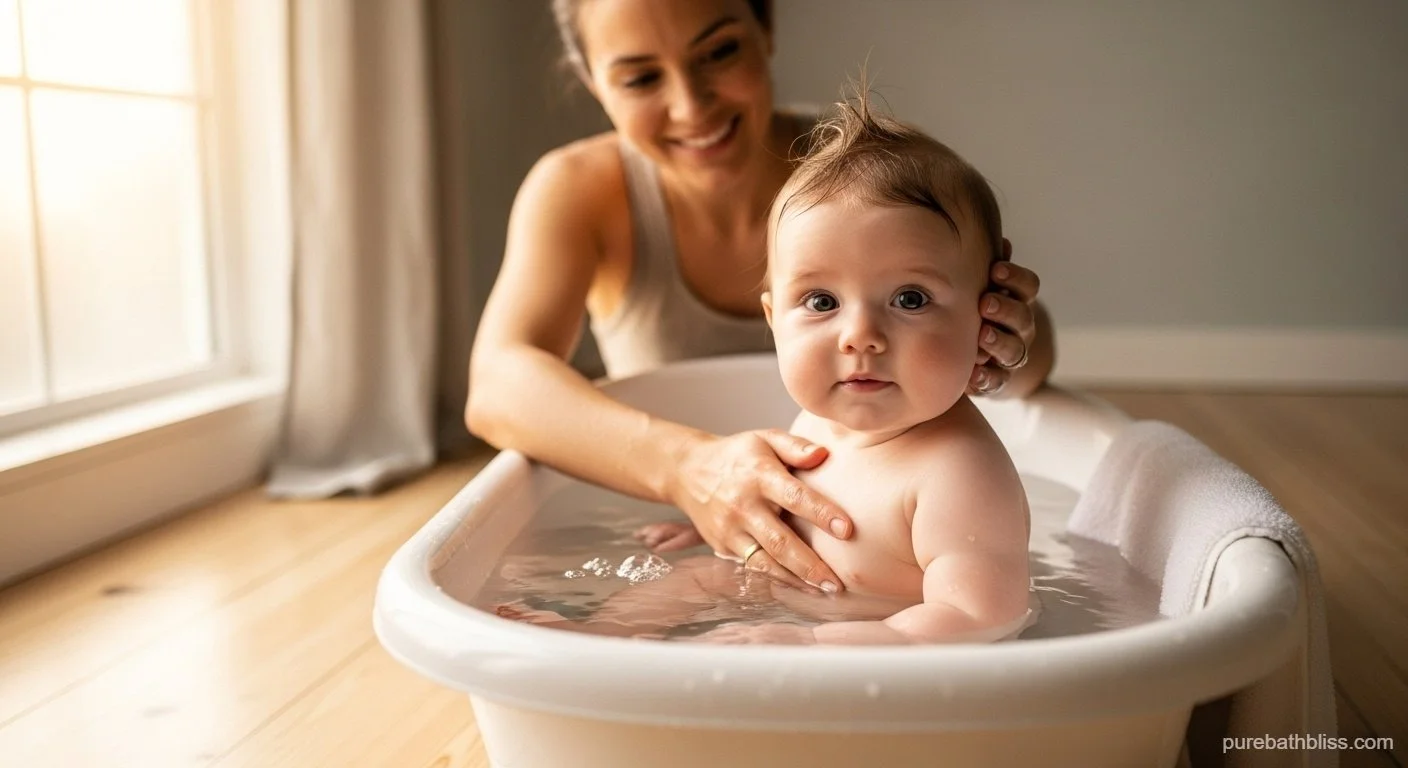
Hair Washing: If baby has hair, apply a tiny amount of baby shampoo. Lather gently with your fingertips, massaging the scalp. Rinse by cupping your hand over their forehead to create a "visor" or use a rinsing cup designed to keep water out of their eyes. Hold baby slightly reclined to minimize water running down their face.
Body Wash: Apply a small amount of baby wash to a soft washcloth or directly to your hand. Gently wash their neck, chest, arms, hands, belly, legs, and feet. Pay special attention to creases and folds (neck, armpits, groin, behind knees) where milk, lint, or diaper cream can accumulate.
Genital Area: For girls, wipe front to back. For boys, gently clean around the penis and testicles. If uncircumcised, do not forcefully retract the foreskin.
Rinsing Thoroughly: Ensure all soap is completely rinsed off. Leftover soap can irritate sensitive skin. Use a clean washcloth or a small cup of clean water.
Communicating and Reassuring Baby: The Language of Love
Your interaction during the bath is just as important as the physical cleaning.
Eye Contact and Smiles: Maintain consistent eye contact. Smile often. Let your baby see your loving gaze.
Soft Talk and Singing: Narrate the bath. "We're splashing a little," "Doesn't that feel warm?" Sing lullabies or gentle songs. The sound of your voice is immensely comforting.
Responding to Cues: Pay close attention to your baby's signals. If they seem cold, frightened, or uncomfortable, adjust your technique or end the bath. A cry often means they need reassurance or something is amiss.
Post-Bath Comfort: Drying and Massage
The transition out of the bath is part of the ritual and contributes to overall relaxation.
Quick and Warm Exit: As soon as you're done washing, lift your baby swiftly and securely into a warm, hooded towel.
Gentle Patting: Pat, don't rub, their delicate skin dry. Pay extra attention to all those little creases and folds to prevent skin irritation or chafing.
The Power of Touch: Baby Massage: After drying, a gentle baby massage with a mild, unscented baby lotion or natural oil (like sweet almond or jojoba) can deepen relaxation and bonding. Use slow, circular strokes. This is a wonderful opportunity for skin-to-skin contact and can stimulate healthy development.

Incorporating Play (But Gently): A Touch of Fun
While the focus is on serenity, a little gentle play can enhance the experience, especially as babies grow.
Splash, Don't Spray: Allow gentle splashing. Most babies love the sensation of water.
Bath Toys: Introduce one or two simple, clean bath toys. Opt for toys that are easy to clean and don't hold water internally, to prevent mold. Floating ducks, small cups, or soft sponges are great.
Interactive Fun: Engage with the toys. "Where's the ducky?" "Splash, splash!" Keep it low-key and non-overstimulating.
Embracing Sustainability: Eco-Conscious Choices for a Greener Bath
Integrating sustainable practices into your baby's bath ritual teaches responsibility from an early age and reduces your family's environmental footprint. Every small choice contributes to a healthier planet for your child's future.
Water Conservation Strategies: Mindful Use of a Precious Resource
Water is a finite resource, and even small changes can make a big difference.
Shallow Baths: As mentioned, newborns and infants only need a few inches of water. Avoid filling large tubs unnecessarily.
Quick Washes: While it's a ritual, keep the actual washing time efficient. Aim for 5-10 minutes for newborns, extending slightly as they get older and enjoy the water more.
Reuse Bath Water (for non-potable uses): For older babies, consider reusing their bath water to water plants or flush the toilet. This requires a collection method, but it’s a great way to think creatively about water use.
Turn Off the Tap: When you're not actively filling the tub, ensure the faucet is completely off. Don't let water run while you're getting things ready.
Sustainable Bath Products: What's Inside and Out
The choices you make about baby care products have an environmental impact beyond their immediate use.
Biodegradable Formulas: Look for soaps and shampoos with biodegradable ingredients that won't harm aquatic ecosystems once they go down the drain.
Minimal and Recyclable Packaging: Opt for products in recyclable containers (glass, aluminum, or PCR - post-consumer recycled plastic) or those with minimal packaging.
Concentrated Formulas: Concentrated washes last longer, reducing the need for frequent purchases and cutting down on packaging waste.
Refill Options: Some brands now offer refill pouches or larger bulk sizes, which can be a more sustainable option than buying new bottles every time.
DIY Options (with caution): For older babies, simple homemade bath additions like colloidal oatmeal or baking soda can be natural and eco-friendly, but always consult with your pediatrician before introducing anything new to a newborn's delicate skin.
Reusable vs. Disposable: A Conscious Choice
Many bath-related items come in both reusable and disposable forms.
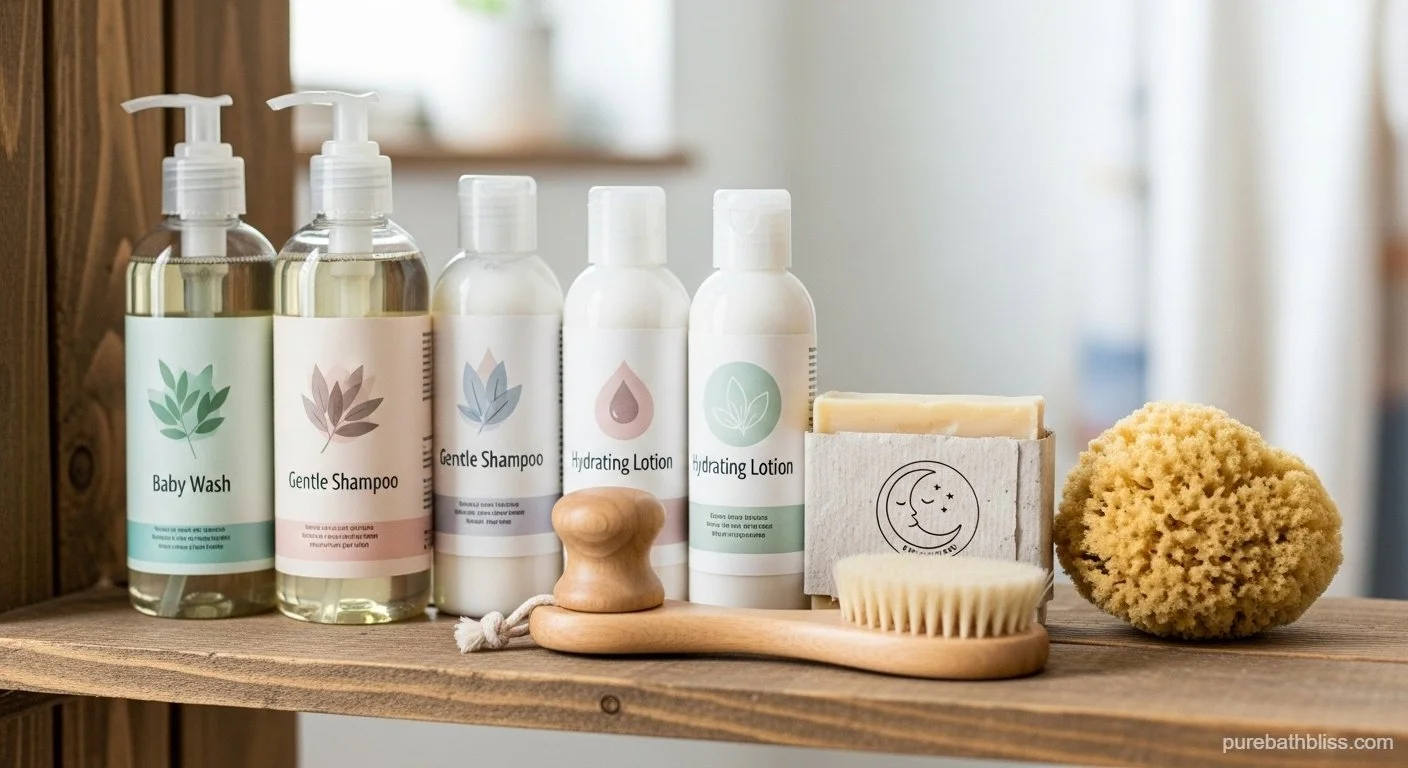
Reusable Washcloths: Instead of disposable wipes for bath time, use soft, reusable cotton or bamboo washcloths. They are gentler on baby's skin and can be easily laundered.
Organic Cotton Towels: Invest in high-quality, organic cotton or bamboo towels. They are incredibly soft, absorbent, durable, and produced with less environmental impact than conventional cotton.
Natural Sponges: Consider a natural sea sponge or a konjac sponge instead of synthetic plastic sponges. These are biodegradable and gentle.
Longevity of Bath Gear: Investing Wisely
Choosing durable, multi-functional bath gear reduces waste in the long run.
Convertible Tubs: Some baby tubs grow with your child, converting from an infant recliner to a toddler seat. This extends their usability.
Quality Over Quantity: Invest in a well-made baby tub or bath support that will last for multiple children or can be passed on.
Secondhand Options: Consider buying secondhand baby bath tubs or accessories if they are in good, clean condition. Thoroughly sanitize any pre-owned items.
Disposing of Waste Responsibly: Closing the Loop
Even with sustainable choices, there will be some waste.
Recycle Properly: Familiarize yourself with local recycling guidelines and properly sort and dispose of empty product containers.
Compost Natural Materials: If you use natural loofahs or sponges, they can often be composted at the end of their life cycle.
Avoid Microplastics: Be mindful of products containing plastic microbeads (though largely phased out in many regions, still good to check) or excessive plastic packaging, as these contribute to ocean pollution.
The Ritual Defined: Elevating Bath Time Beyond a Chore
By combining safety, serenity, and sustainability, you're not just giving a bath; you're performing a ritual. This ritual is a deliberate, loving act that strengthens bonds and creates lasting memories.
Establishing a Routine: Predictability Breeds Calm
Babies thrive on routine. A consistent bath time can become a powerful cue for winding down and preparing for sleep.
Timing is Key: Choose a time that works best for your family – often in the evening before bed. Make sure your baby isn't too hungry or too full, or overly tired.
Consistent Sequence: Follow the same steps each time: prepare the room, fill the tub, gentle wash, dry, massage, dress, feed, sleep. This predictability helps your baby feel secure and know what to expect.
Flexibility within Routine: While consistency is good, don't be rigid. If your baby is unwell or particularly fussy, it's okay to skip a bath or adjust the timing.
The Power of Touch and Eye Contact: Deepening the Connection
These simple acts are the essence of the bonding ritual.
Gentle Touch: Every touch during the bath – from holding to washing to drying – should be intentional and loving. Your hands are communicating comfort and security.
Uninterrupted Gaze: Look into your baby's eyes. This exchange of gaze is incredibly important for their social and emotional development and strengthens your bond. Talk to them about what you see in their eyes.
Sensory Exploration: Engaging the Senses
A bath offers a rich sensory experience that can be both calming and stimulating for development.
Water Sensation: The feel of warm water on their skin, the gentle splashes.
Sound: The soft gurgle of water, your soothing voice, quiet music.
Smell: The subtle scent of baby wash, the fresh clean smell of their skin.
Sight: Observing the water, the toys, your loving face.
Texture: The soft washcloth, the smooth towel, the slickness of lotion.
Storytelling and Singing: Nurturing Language and Imagination
Incorporating verbal engagement transforms bath time into an educational and entertaining experience.
Narrate the Bath: "Here are your busy little feet! Let's get them clean."
Sing Songs: Lullabies, nursery rhymes, or even made-up songs. The rhythm and melody are soothing and aid in language development.
Simple Stories: Tell a short, repetitive story about a duck, a fish, or a star.
Involving Other Caregivers: Sharing the Joy
The bath ritual can be a beautiful shared experience.
Parent-Child Bonding: Encourage both parents or primary caregivers to participate. This distributes caregiving responsibilities and allows both to experience this unique bonding time.
Sibling Involvement (Supervised): For older siblings, allow them to participate in safe ways, such as picking out the bath toy, handing you the towel, or singing a song from a safe distance, always under close adult supervision. This helps them feel included and fosters positive sibling relationships.
Troubleshooting Common Bath Time Challenges
Even with the best intentions, babies can sometimes protest bath time. Understanding common issues can help you navigate them with grace.
Baby Cries During Bath: Decoding the Discomfort
A crying baby in the tub can be distressing. Try to identify the cause.
Temperature Issues: Is the water too hot or too cold? Is the room too chilly?
Feeling Insecure: Does your baby feel unstable or unsupported? Adjust your hold or use a different bath support.
Startled by Water: Some babies dislike water on their face. Use a visor or be extra careful with rinsing.
Overstimulation: Is there too much going on? Too many toys, bright lights, loud noises? Simplify the environment.
Hunger or Tiredness: Check if it's the wrong time. A hungry or overtired baby will likely be fussy.
Gas or Discomfort: Gently rub their tummy; sometimes a warm bath can help with gas, but if they're in pain, it's best to soothe them out of the tub.
Not Enough Water: Some babies feel more secure with a bit more water around them, as long as it's safe.
Just Don't Like It (Yet): Some babies simply need time to adjust. Keep baths short, calm, and positive. Try sponge baths for a few days if needed.
Dry Skin Issues: Nurturing Delicate Skin
Baby skin can be prone to dryness, especially after bathing.
Limit Bath Frequency: Newborns don't need a full bath every day. 2-3 times a week is often sufficient. Sponge baths can cover daily cleanups.
Short Baths: Keep baths brief to prevent stripping natural oils.
Moisturize Immediately: Apply a generous amount of mild, fragrance-free baby lotion or oil within 3 minutes of taking your baby out of the tub, while their skin is still slightly damp, to lock in moisture.
Humidifier: In dry climates, a humidifier in the nursery can help maintain skin moisture.
Making it Fun for Older Babies and Toddlers: Evolving the Ritual
As babies grow, their needs and interests change.
More Play: Introduce more bath toys, cups for pouring, or even bath crayons (non-toxic, washable).
Independent Washing: Let them "help" wash themselves with a washcloth or sponge, fostering autonomy.
Story Time: Read a waterproof bath book or tell elaborate stories.
Bubble Fun: Once they are older and less likely to ingest water, a small amount of baby-safe bubble bath can add to the fun.
Managing Siblings: Inclusive and Safe Practices
If you have other children, bath time can become a juggling act.
Designated Roles: Give older siblings simple, safe jobs, like getting a clean diaper or picking out pajamas.
Staggered Baths: Bathe the baby separately when older siblings are occupied, or after they've gone to bed, to ensure undivided attention for the infant.
Supervised Shared Baths (Only for Older Children): Only when the baby is old enough to sit unassisted and you are confident in your supervision, can older siblings join, but always ensure the water temperature and depth are appropriate for the youngest, and maintain constant vigilance. Never leave children unattended in the bath.
Beyond the Bath: Extending the Serenity
The mindful bath ritual doesn't end when the water drains. The post-bath routine is a crucial continuation of the calming experience, preparing your baby for a peaceful sleep.
The Post-Bath Routine: A Gentle Transition
This phase is about comfort, nourishment, and further winding down.
Lotion and Pajamas: After drying and perhaps a gentle massage, dress your baby in soft, comfortable pajamas. This protects their freshly moisturized skin and signals bedtime.
Hair Care: If your baby has hair, gently comb or brush it with a soft baby brush.
Diaper Change: Put on a fresh, clean diaper, applying diaper cream if needed.
Feeding: A warm feeding after the bath often helps babies feel content and ready for sleep. Whether breast milk or formula, this skin-to-skin contact or close cuddle further reinforces the bond.
Reading and Cuddles: Quiet Engagement
The period immediately following the bath and feeding is ideal for quiet, gentle activities.
Story Time: Read a soft cloth book or a board book. Your voice, even if your baby doesn't understand the words, is soothing.
Cuddling: Simply holding and rocking your baby, enjoying the quiet connection, is invaluable. This is a time for uninterrupted physical closeness.
Preparing for Sleep: The Final Steps to Dreamland
The entire ritual culminates in preparing your baby for a restful night's sleep.
Dim the Lights: As you move from the bathroom to the nursery, keep the lights low.
Quiet Environment: Maintain a calm and quiet atmosphere, avoiding sudden noises or loud conversations.
Consistent Sleep Cues: Whatever your baby's sleep cues are (swaddling, pacifier, white noise), introduce them consistently after the bath routine.
Conclusion
The mindful baby bath ritual is a holistic approach to a daily task, transforming it into a profound experience for both parent and child. By meticulously prioritizing safety, embracing gentle, serene techniques, and consciously integrating sustainable practices, you create more than just a clean baby. You cultivate a sense of security, foster a deeper emotional bond, and instill respect for the environment from the earliest stages of life. This ritual, repeated with love and intention, becomes a cherished part of your family's journey, leaving both parent and baby feeling refreshed, connected, and ready for peaceful dreams, all while treading lightly on our shared planet.